农产品种植

Search documents
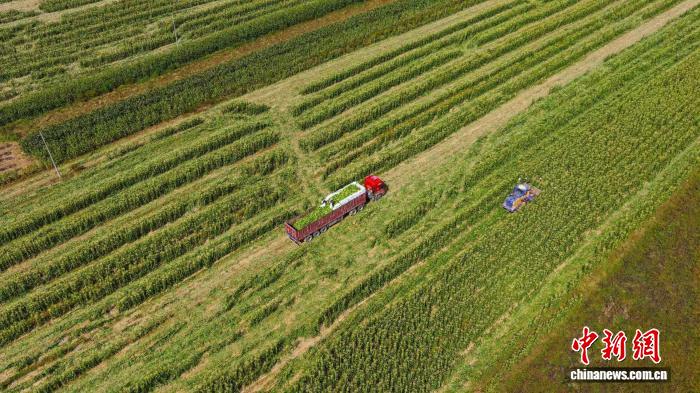
山西朔州:鲜食玉米“香飘四方” 田间地头“丰”景如画
Zhong Guo Xin Wen Wang· 2025-09-16 08:25
Group 1 - The core viewpoint of the article highlights the bountiful harvest of sweet corn in Shuo Zhou, Shanxi, with over 4,000 acres of corn fields thriving during the autumn season [1][3] - The daily harvesting volume of corn reaches nearly 200 tons, indicating a significant agricultural output [5] - Fresh corn is distributed to various markets across China, including Jiangsu, Hebei, Guangdong, and Sichuan, and is also exported to countries like South Korea [7] Group 2 - The article describes the busy scene in the corn fields, with machinery and workers actively engaged in harvesting and loading operations [5][3] - The visual imagery of the corn fields is depicted as lush and full of ripe corn, symbolizing the joy of harvest [3][1] - The article emphasizes the economic impact of the corn harvest, contributing to local and national markets [7]

USDA:截至9月14日当周 美国玉米优良率为67%
Xin Hua Cai Jing· 2025-09-16 00:16
(文章来源:新华财经) 美国农业部(USDA)报告显示,截至9月14日当周,美国玉米优良率为67%,高于市场预期的66%,前 一周为68%,上年同期为65%。 ...
科技特派员“传经送宝”, 助推从化白兔村花生产业高质量发展
Nan Fang Nong Cun Bao· 2025-09-15 16:00
Core Viewpoint - The training event held in Bai Tu Village aims to enhance the quality and efficiency of peanut production in Conghua District, Guangzhou, promoting the local specialty product "Conghua Bai Tu Peanut" through advanced agricultural techniques and standardized production practices [3][30]. Group 1: Training Event Overview - A technical training event focused on high-quality peanut production was successfully held on September 12 in Bai Tu Village, Aotou Town [3][4]. - The training was organized by the Conghua District Agricultural Technology Promotion Center in collaboration with the Aotou Town Agricultural Office, involving over 70 participants including experts from the Guangdong Academy of Agricultural Sciences and local farmers [4][5][6]. Group 2: Key Training Content - Researcher Li Shaoxiong from the Guangdong Academy of Agricultural Sciences provided insights on peanut cultivation techniques, including soil management, fertilization, and irrigation practices tailored to the local market [11][12][14]. - Researcher Sun Dayuan discussed common peanut pests and diseases, emphasizing ecological and environmentally friendly pest control methods [16][20]. Group 3: Standardization and Resource Provision - The training included a comprehensive introduction to the local standards for peanut production, helping farmers understand the requirements for standardized production [22][23]. - Participants received practical resources, including books on high-yield peanut cultivation techniques and seed treatment agents, to enhance their theoretical knowledge and practical skills [24][25]. Group 4: Impact on Local Agriculture - The training empowered farmers with essential techniques for standardized peanut cultivation, addressing practical production challenges and laying a solid foundation for improving the quality and efficiency of "Conghua Bai Tu Peanut" [30]. - The initiative by agricultural technology specialists not only revitalizes local agricultural industries but also contributes to rural development and income generation for farmers [31][32].

【砥砺奋进七十载 天山南北谱华章】额敏小葫芦如何“烙”成“金疙瘩”?
Zhong Guo Xin Wen Wang· 2025-09-15 13:00
Core Insights - The article highlights the flourishing gourd cultivation in Emin County, Xinjiang, where local farmer Ilyar is successfully growing and selling gourds, with most already pre-ordered by customers for crafting into art pieces [1] Group 1: Industry Development - The gourd farming industry in Emin County is thriving, with a significant number of gourds being cultivated and pre-ordered for artistic purposes [1] - Local artisans are enhancing their skills in gourd pyrography, transforming gourds into colorful art pieces, which contributes to the local economy [1] Group 2: Economic Impact - The gourd pyrography not only increases the income of local villagers but also fosters social connections among them [1]
一站式体验番禺乡村“靓嘢笋嘢”!番禺丰收节将在9月20日开启
Nan Fang Nong Cun Bao· 2025-09-15 10:32
Core Viewpoint - The Panyu Harvest Festival will take place on September 20-21, 2025, celebrating agricultural abundance and promoting local products and culture [4][59]. Group 1: Event Overview - The Harvest Festival will be held at Huafenghui Commercial Center in Panyu District [5][60]. - The theme of the festival is "Celebrating Agricultural Harvest and Enjoying a Better Life" [61]. - The event aims to boost urban-rural consumption and enhance the sales of local agricultural products [15][19]. Group 2: Activities and Features - The festival will feature a combination of agricultural exhibitions, food experiences, and cultural interactions [12][13]. - There will be five main exhibition areas showcasing Panyu's unique agricultural products, fisheries, flowers, and supportive agricultural products [18][19]. - Attendees can enjoy outdoor cooking and tasting areas, allowing them to sample fresh local produce [28][30]. Group 3: Cultural Integration - The festival will showcase intangible cultural heritage products and traditional food-making demonstrations [37][39]. - It aims to promote the integration of agriculture, culture, and tourism, enhancing the cultural soft power of modern agriculture [39]. - Local farmers will be the main focus, with performances by community teams to celebrate agricultural achievements [41][43]. Group 4: Engagement and Participation - The event will include participation from local influencers and online personalities to attract a wider audience [45][52]. - The festival encourages direct communication between consumers and producers, allowing attendees to learn about the stories behind the products [34][35]. - It is positioned as a celebration of hard work and a tribute to a better life, inviting families and friends to join in the festivities [55][63].
恐错失数十亿美元中国大单,“中国擅长持久战,不像美国”
Sou Hu Cai Jing· 2025-09-15 09:37
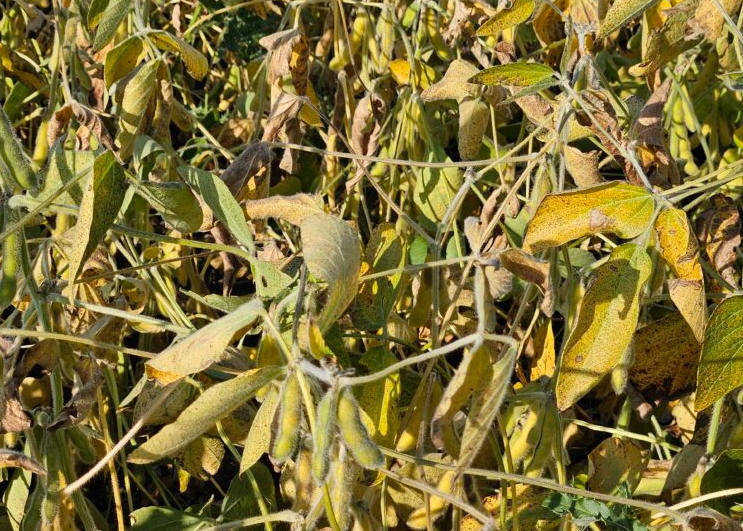
Core Viewpoint - The ongoing trade tensions between the U.S. and China have severely impacted U.S. soybean farmers, particularly in North Dakota, who are missing out on billions of dollars in potential sales to China due to a lack of purchase commitments from Chinese buyers [1][2][17]. Group 1: Trade Dynamics - North Dakota soybean farmers heavily rely on exports to China, with nearly a quarter of the 4 billion bushels produced annually being exported there [2]. - Last year, China imported approximately $13 billion worth of soybeans from the U.S., a significant increase from $2 billion two decades ago [2]. - Currently, the export commitment for the upcoming soybean harvest is at its lowest level since the 2018-19 season, leading to stagnant soybean prices [2][3]. Group 2: Market Competition - Brazilian soybeans have become increasingly attractive to Chinese buyers, with Brazil supplying 70% of China's soybean imports last year, double the amount from 15 years ago [6][17]. - U.S. soybean prices are currently $0.80 to $0.90 per bushel lower than Brazilian soybeans, but U.S. trade barriers have increased procurement costs for Chinese importers by $2 per bushel [20][21]. - If the current trend continues, U.S. soybean sales to China could drop by 14 to 16 million tons by mid-November [20]. Group 3: Economic Support and Subsidies - The U.S. government has previously provided $23 billion in relief to farmers affected by trade disputes during Trump's first term [15]. - There are discussions about providing similar economic support, but the implementation of such plans is complicated and may take time to benefit farmers [15][16]. - The "Big and Beautiful Act" proposes $66 billion over the next decade to support farmers, but many benefits will not be realized until the next harvest season [15][16]. Group 4: Future Outlook - The U.S. Department of Agriculture is expected to lower its soybean export forecast for the 2025/26 season due to ongoing trade disputes, with the current estimate at 46.4 million tons, down from 51.02 million tons the previous year [20]. - Despite the challenges, there remains a significant demand for U.S. soybeans from non-Chinese buyers, particularly during the sales season when competition is limited [21]. - The potential for a trade agreement between the U.S. and China could significantly improve the outlook for U.S. soybeans [22].
晨光生物:赞比亚种植基地稳步推进 原材料全球化布局深化
Quan Jing Wang· 2025-09-15 09:05
Group 1 - The event held on September 15 focused on the online collective reception day for investors and the collective performance briefing for the first half of 2025 in Hebei [1] - Chenguang Biotech highlighted its subsidiary in Zambia as a crucial part of its long-term strategy, currently managing approximately 120,000 acres of land [1] - The Zambia base is equipped with infrastructure such as roads, irrigation networks, and warehouses, primarily cultivating crops like chili peppers, marigolds, wheat, and corn [1] Group 2 - The chili pepper harvest period is concentrated from September to November, with a focus on direct sales [1] - This initiative is expected to enhance the company's raw material supply capabilities, supporting the sustainable development of its main business [1]

丰收变灾难!美国豆农哭诉 3 大困境,中国不买后大豆全烂田?
Sou Hu Cai Jing· 2025-09-15 03:42
Group 1 - The core issue facing American soybean farmers is the significant loss of orders from China, with the American Soybean Association estimating a loss of 14 to 16 million tons, which is nearly two-thirds of the annual export volume to China [3] - The financial strain on farmers is exacerbated by rising production costs, with fertilizer prices increasing by 45% and fuel costs for agricultural machinery rising by 60%, while soybean prices have dropped nearly 30% compared to three years ago [3] - The trade war initiated during the Trump administration has led to a loss of price competitiveness for American soybeans in the Chinese market, resulting in China turning to Brazil for imports, with 12 million tons of new season soybeans shipped from Brazil to China in the first quarter of 2025 [3][4] Group 2 - The trade protection measures intended to benefit American farmers have instead resulted in significant financial burdens for them, as the tariffs have not impacted other countries but have hurt American soybean farmers [4] - The negative effects of the trade war are spreading beyond soybeans, with exports of corn and wheat to China also declining, leading many farmers to consider abandoning farming altogether [5] - The situation highlights the importance of cooperation in trade, as the current crisis demonstrates that protectionist measures do not necessarily protect domestic interests [5]

不止大豆,美国高粱也卖不动了!中国一纸批文改写贸易格局
Sou Hu Cai Jing· 2025-09-14 14:20
Core Viewpoint - The article highlights the significant impact of U.S.-China trade tensions on American farmers, particularly in the grain market, as China shifts its imports from the U.S. to Brazil, leading to a drastic decline in U.S. agricultural exports to China [1][3][5]. Group 1: Trade Dynamics - The U.S. has seen a dramatic drop in high-quality grain exports to China, with sorghum exports plummeting from over 1.4 million tons to 82,000 tons, a decline of 95% [3][5]. - China has officially approved the import of Brazilian sorghum, with shipments expected to begin in 2025, marking a significant shift in sourcing strategies [3][5]. - The U.S. soybean market is facing its coldest harvest season since the trade war began, with record imports of Brazilian soybeans by China, exacerbating the situation for American farmers [3][5]. Group 2: Market Adaptation - Brazil has capitalized on the opportunity to become a more reliable supplier for China, offering lower land costs, cheaper labor, and improved logistics, which has made it a more attractive partner [5][7]. - The article notes that China's agricultural import structure has diversified significantly in less than seven years, allowing it to find alternative suppliers like Brazil, Argentina, Canada, and Indonesia [7][8]. - The shift in sourcing reflects a broader trend in international trade where reliability and stability in supply chains are prioritized over traditional partnerships [8]. Group 3: Political and Economic Implications - The ongoing trade war has led to a situation where American farmers feel the brunt of political decisions, with calls for agriculture to remain free from political manipulation [7][8]. - The U.S. Supreme Court's upcoming review of the legality of Trump's tariff policies could have significant financial implications, potentially returning up to $1 trillion in taxes, but the lost market share may not be recoverable [7][8]. - The article emphasizes that the consequences of trade wars often fall on the most vulnerable, such as farmers, who are left to navigate the complexities of international trade without understanding the political landscape [7][8].
(乡村行·看振兴)畲乡景宁:“海拔经济”照亮山区共富路
Zhong Guo Xin Wen Wang· 2025-09-14 11:23
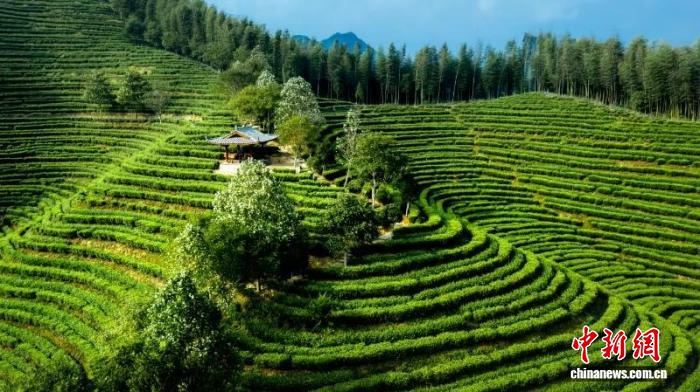
Core Insights - The article highlights the development of the "Jingning 600" regional public brand in Jingning She Autonomous County, Zhejiang Province, which aims to transform ecological advantages into economic growth through the promotion of high-quality agricultural products [1][2]. Group 1: Economic Development - The "Jingning 600" ecological base has reached a scale of 134,700 acres, generating high-quality agricultural products that are popular in cities like Shanghai, Hangzhou, Jiaxing, and Ningbo, with projected sales of 740 million yuan in 2024 [2]. - The county has developed 122 high-quality agricultural products, including Huiming tea and cold water snow bamboo shoots, which serve as key products for economic development [1]. Group 2: Agricultural Production - The production of high mountain cold water bamboo shoots in Jingning is approximately 15,000 jin per day, with over 2,500 jin supplied daily to a major supermarket chain [1]. - The tea industry in Sanstone Village has expanded significantly, with tea planting area increasing to over 5,300 acres, a fivefold increase since 2005 [4]. Group 3: Income Growth - The collective operating income of Sanstone Village is projected to exceed 1.8 million yuan in 2024, with per capita income for villagers nearing 40,000 yuan [4]. - The per capita disposable income of rural residents in Jingning is expected to reach 30,461 yuan in 2024, reflecting an 8.4% year-on-year growth, the highest in Zhejiang Province [6].