
铁路运输

Search documents
全国铁路除夕预计发送旅客710万人次,客流较节前高峰明显回落
Bei Ke Cai Jing· 2026-02-16 03:42
Core Viewpoint - The national railway system is operating smoothly and orderly, with an expected passenger volume of 7.1 million on the eve of the Lunar New Year, indicating a significant decrease in passenger flow compared to the peak before the holiday [1] Group 1 - The railway is planning to add 301 additional passenger trains to accommodate the returning travelers [1] - Many travelers have already begun their return journey, leading to a noticeable drop in railway passenger flow compared to the pre-holiday peak [1]
国铁集团:网传春运绿皮车严重超员视频系历史画面拼凑不实信息
新华网财经· 2026-02-16 02:38
Core Viewpoint - The article addresses the misinformation regarding overcrowding on green trains during the 2026 Spring Festival travel season, clarifying that most circulated videos are historical or AI-generated, and emphasizes the railway department's efforts to control passenger numbers and improve service quality [1]. Group 1: Passenger Demand and Capacity Management - During the Spring Festival travel period from February 2 to February 14, the average occupancy rate of regular trains was 73% [3]. - On the peak travel day (February 13), the average occupancy rate reached 77%, with some trains experiencing overcrowding, such as the K6592 train from Guangzhou to Huizhou at 155% occupancy [5]. - The railway department has implemented strict controls on the sale of standing tickets for regular trains to enhance passenger experience [3]. Group 2: Service Improvements - The railway department has made significant improvements to the quality of service on regular trains, including upgrading onboard facilities, increasing charging sockets, expanding luggage racks, and ensuring continuous hot water supply [5]. - Initiatives such as "scan to order" services have been introduced on over 1,900 regular trains, leading to noticeable improvements in the travel environment and orderliness [5]. - Cultural activities, including train spring festivals and intangible cultural heritage displays, have been organized to enhance the passenger experience during the Spring Festival [5]. Group 3: Ticket Availability - As of the post-festival peak travel period from February 21 to February 24, over 75% of regular trains still had available tickets for various routes, including major cities like Beijing, Shanghai, and Guangzhou [5]. - The railway department plans to adjust capacity based on passenger demand, encouraging travelers to check and purchase tickets through the railway 12306 platform [5].


空铁零换乘再升级!长春机场打造东北冰雪游快捷枢纽
Xin Lang Cai Jing· 2026-02-16 02:31
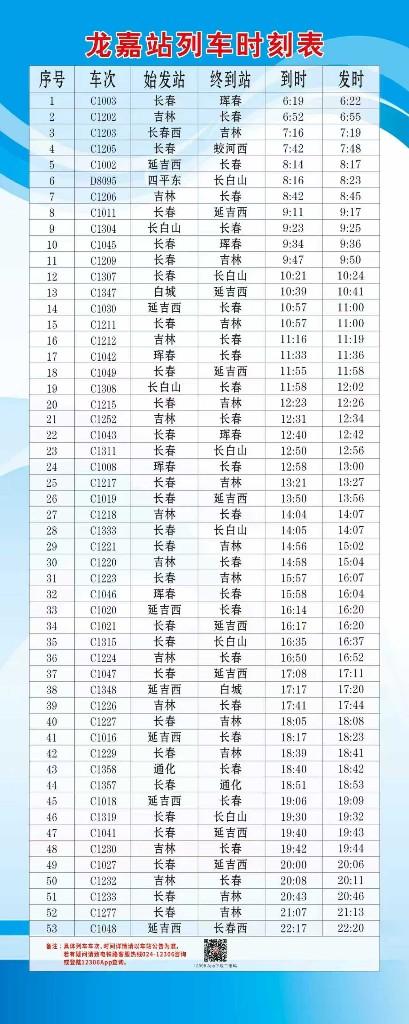
Core Viewpoint - During the 2026 Spring Festival travel season, Changchun Airport aims to leverage the dual peaks of ice and snow tourism and homecoming travel by enhancing its air-rail intermodal services, establishing itself as a quick hub for Northeast ice and snow tourism [1] Group 1: Air-Rail Intermodal Services - Changchun Airport is the only airport in Northeast China connected to high-speed rail, allowing passengers to transfer seamlessly between air and rail within 10-15 minutes without exiting the terminal [1] - The airport has added train schedule information displays in collaboration with Longjia Station to facilitate smoother transfer planning for travelers [1] Group 2: Capacity Expansion and Connectivity - During the Spring Festival, Changchun Airport plans to increase flight operations by 818 flights and upgrade approximately 470 flights to wide-body aircraft, enhancing connectivity to major cities in East, South, and Southwest China [3] - Longjia Station offers direct access to major cities in Jilin and Yanji, with an average of 30 trains daily to Jilin Station, reaching in about 30 minutes, and 11 trains to Yanji West Station, taking around 2 hours [3] Group 3: Tourism Products and Cost Reduction - The newly launched "Northeast 15-Day Tourism Pass" covers 14 stations, allowing unlimited travel within 30 days, significantly reducing travel costs and planning difficulties for ice and snow tourism [3] - Changchun Airport will continue to deepen collaboration with railways and airlines to enhance the convenience and appeal of air-rail intermodal services, optimizing transfer efficiency and innovating tourism products [3]
国铁辟谣:网传2026年春运绿皮车严重超员、人满为患的视频,大部分为历史画面拼凑翻炒、部分系AI生成的不实信息
Jin Rong Jie· 2026-02-16 00:49
据中国铁路2月15日消息,经中国国家铁路集团有限公司客运中心组织技术分析和专家鉴定,网传2026 年春运绿皮车严重超员、人满为患的视频,大部分为历史画面拼凑翻炒、部分系AI生成的不实信息。 2026年春运,铁路部门严控列车超员、不断改进服务,保持了普速列车开行品质的稳定。 今年春运以来,铁路部门在最大限度满足旅客出行需求的同时,严格控制发售普速列车无座票,保障旅 客乘车体验。2月2日春运开始至2月14日的春运前13天,全国铁路普速列车平均客座率为73%。 在春运节前客流最高峰日(2月13日),全国铁路普速列车平均客座率77%,个别方向、少数列车超 员。其中空调列车客座率大多数在130%以下,最高的是广州白云-郴州K6592次,为155%;非空调列车 客座率最高的是杭州-九江K4279次,为116%。 铁路部门认真落实便民利民服务举措,不断改进普速列车服务质量。持续优化升级车内设备设施,增加 充电插座,扩容行李架,不间断供应热水,及时做好车内卫生保洁工作,在1900余趟普速列车上推 行"扫码点餐" ,乘车环境和乘车秩序明显改善。春运期间,还在部分列车举办丰富多彩的列车春晚、 非遗展示等文化活动,进一步提升旅客乘 ...
春运不再“难”
Xin Lang Cai Jing· 2026-02-16 00:28
Core Insights - The Spring Festival travel rush has transformed from a challenging experience to a more efficient and pleasant journey for travelers, reflecting advancements in railway operations and technology [1][2] Group 1: Changes in Passenger Experience - Daily passenger flow at Guangzhou South Station has exceeded 530,000 since the 2026 Spring Festival, a 14% increase compared to three years ago, yet the average stay time has decreased by 17% [1] - The railway system's refined operations and technological upgrades have contributed to a more comfortable travel experience, with improved train dispatch intervals and streamlined passenger flow [1] Group 2: Service Innovations - The "Light Travel" service, which allows passengers to have their luggage picked up at home and delivered to their destination, has been fully implemented across multiple stations in Guangdong, enhancing convenience for families and travelers [2] - The evolution of the Spring Festival travel experience signifies not only improved infrastructure and service concepts but also a broader enhancement in societal operational efficiency [2]
江苏连云港一烟花零售店爆炸致8人遇难2人受伤,应急管理部紧急召开调度会;中方宣布对英、加免签;马斯克:Grok 4.20本周发布丨每经早参
Mei Ri Jing Ji Xin Wen· 2026-02-16 00:01
Group 1 - The Ministry of Emergency Management held an urgent meeting to address the explosion at a fireworks retail store in Donghai County, Jiangsu, which resulted in 8 deaths and 2 injuries. The ministry emphasized the need for enhanced safety regulations across all stages of fireworks production, transportation, sales, and use to prevent similar incidents in the future [2][5]. - The Chinese government announced a visa exemption policy for ordinary passport holders from Canada and the UK, effective from February 17, 2026, allowing stays of up to 30 days for business, tourism, family visits, and transit without a visa. This policy will remain in effect until December 31, 2026 [4][5]. Group 2 - The total box office for the 2026 Spring Festival period exceeded 400 million yuan, with the films "Fast Life 3," "Silent Awakening," and "Bounty Hunter: Wind Rises in the Desert" leading the box office rankings [3][7]. - The Ministry of Transport projected that over 280 million people would travel on the first day of the Spring Festival holiday, marking a 10.5% increase compared to the same period in 2025 [5]. Group 3 - The Heilongjiang Provincial Government issued a notice regarding the "Artificial Intelligence +" initiative, aiming to enhance government services and management through AI applications, focusing on data sharing, public service, social management, and decision-making support [6]. Group 4 - The National Railway Group of China refuted rumors about severe overcrowding on green trains during the Spring Festival, stating that most circulated videos were either historical footage or AI-generated misinformation. The railway department is actively managing train capacities to ensure service quality [13]. Group 5 - DJI's former Vice President, Yuan, was detained by law enforcement for alleged bribery, with accusations of exploiting his position for substantial illicit gains during his tenure from May 2019 to May 2024 [17].


国铁集团辟谣
券商中国· 2026-02-15 23:31
据中国铁路2月15日消息,经中国国家铁路集团有限公司客运中心组织技术分析和专家鉴定,网传2026 年春运绿皮车严重超员、人满为患的视频,大部分为历史画面拼凑翻炒、部分系AI生成的不实信息。 2026年春运,铁路部门严控列车超员、不断改进服务,保持了普速列车开行品质的稳定。 今年春运以来,铁路部门在最大限度满足旅客出行需求的同时,严格控制发售普速列车无座票,保障旅客 乘车体验。2月2日春运开始至2月14日的春运前13天,全国铁路普速列车平均客座率为73%。 在春运节前客流最高峰日(2月13日),全国铁路普速列车平均客座率77%,个别方向、少数列车超员。 其中空调列车客座率大多数在130%以下,最高的是广州白云-郴州K6592次,为155%;非空调列车客 座率最高的是杭州-九江K4279次,为116%。 铁路部门认真落实便民利民服务举措,不断改进普速列车服务质量。持续优化升级车内设备设施,增加充 电插座,扩容行李架,不间断供应热水,及时做好车内卫生保洁工作,在 1900 余趟普速列车上推行 " 扫码点餐 " ,乘车环境和乘车秩序明显改善。春运期间,还在部分列车举办丰富多彩的列车春晚、非遗 展示等文化活动,进一步提 ...

春节假期首日,北京铁路发送旅客78.8万人次
Xin Lang Cai Jing· 2026-02-15 23:23
为更好满足旅客出行需求,提高出行体验,今年春运期间,北京团市委、市志愿服务联合会重点围 绕"八站两场"及周边区域的240个志愿服务站,持续开展以"青春志愿行温暖回家路"为主题的北京春运 志愿服务"暖冬行动"。在火车站、机场等交通枢纽,身穿蓝马甲的青年志愿者用热情和微笑,为返乡旅 客铺就温暖顺畅的归途。 "您好,我是志愿者,有什么可以帮您?"在北京朝阳站,来自北京城市学院的李灏恺今年是连续第二年 参加春运志愿服务。李灏恺就读于社会工作专业,春运的志愿服务经历让他将课堂知识真正应用于实 践。"参与志愿服务,不仅为他人提供了帮助,还促进了我的专业学习。"他说。 昨天,北京南站迎来春运 客流高峰,候车大厅里人头攒动。本报记者 邓伟摄 本报记者 胡子傲 王琪鹏 实习生 杨皓月 昨天是春节假期第一天,记者从国铁集团获悉,全国铁路预计发送旅客1395万人次,计划加开旅客列车 1568列。其中,北京地区发送78.8万人次,国铁北京局计划增开哈尔滨、长春、沈阳、郑州、武汉、长 沙、太原、西安等地区方向的旅客列车163列。 截至2月15日8时,铁路12306(含网站、客户端等,下同)已累计发售春运期间火车票超2.47亿张。从 预 ...
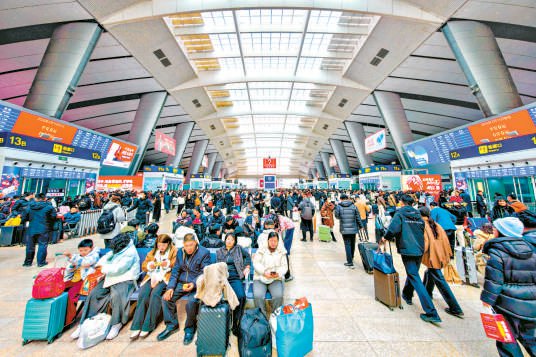
团圆路上 步步关情
Xin Lang Cai Jing· 2026-02-15 23:22
Core Viewpoint - The article highlights the significant increase in passenger flow during the Spring Festival, showcasing the efforts of transportation and border inspection departments in ensuring a smooth and warm return journey for families [1][2][6]. Group 1: Transportation and Passenger Flow - During the Spring Festival, major transportation modes such as highways, railways, and civil aviation experience a peak in passenger flow, reflecting the importance of family reunions [1]. - The "Little Three Links" ferry routes between Fujian and Taiwan have become increasingly busy, facilitating the travel of over 6 million passengers during the Spring Festival period [3][4]. - The efficiency of border crossings has improved significantly with the introduction of smart passageways, reducing wait times and enhancing the travel experience for passengers [3][4]. Group 2: Community and Emotional Connection - The interactions between border inspection officers and travelers, such as using local dialects to assist elderly passengers, foster a sense of warmth and connection among families returning home [2][3]. - The article emphasizes the emotional significance of returning home for the Chinese people, highlighting that the "Little Three Links" not only connect physical locations but also the hearts of compatriots [3]. Group 3: Operational Efficiency and Challenges - The operational challenges faced by transportation staff during peak travel times are underscored, with reports of high passenger volumes and the need for quick decision-making in train dispatching [6][7]. - The article notes a 31% decrease in lost items reported at the Fuzhou Railway Station, indicating improved service and operational efficiency [6]. Group 4: Customer Service and Experience - Customer service representatives at airports and train stations are highlighted for their dedication to providing assistance and ensuring a smooth travel experience for passengers, including emotional support during stressful situations [10][11]. - The article illustrates the importance of professional and attentive service in enhancing the overall travel experience during the busy Spring Festival period [11].
中国对加拿大、英国实施免签;春节档总票房破4亿元;Grok 4.20版本将于本周正式发布丨每经早参
Mei Ri Jing Ji Xin Wen· 2026-02-15 22:43
Group 1 - The Chinese government has decided to implement a visa-free policy for ordinary passport holders from Canada and the UK starting February 17, 2026, allowing stays of up to 30 days for business, tourism, family visits, and transit [5] - The total box office for the 2026 Spring Festival period has surpassed 4 billion yuan, with "Flying Life 3," "Silent Awakening," and "Bounty Hunter: Wind Rises in the Desert" leading the box office rankings [7] - The China National Railway Group has refuted rumors regarding severe overcrowding on green trains during the Spring Festival, stating that most circulated videos are either historical footage or AI-generated misinformation [13] Group 2 - The State Administration of Foreign Exchange and eight other departments have released a new anti-money laundering management measure effective from February 16, 2026 [3] - The Heilongjiang Provincial Government has issued a work plan for the deep application of "Artificial Intelligence +" in government affairs, focusing on enhancing service levels and scale through technology [6] - DJI's former Vice President Yuan has been criminally detained for alleged bribery during his tenure from May 2019 to May 2024, with the case currently in judicial proceedings [17]
