运动服饰

Search documents
第八届进博会闭幕 中国大市场创造世界大机遇
Xin Hua Wang· 2025-11-10 12:54
Group 1: Event Overview - The 8th China International Import Expo concluded on November 10, achieving a record intended transaction amount of $83.49 billion, a 4.4% increase from the previous edition [1] - The exhibition area exceeded 367,000 square meters, with 4,108 companies from 138 countries and regions participating, marking historical highs in both exhibition space and number of exhibitors [1] - Among the exhibitors, 290 are Fortune Global 500 companies, and 180 companies have participated in all eight editions, highlighting China's strong market appeal [1] Group 2: Industry Insights - Multinational corporations indicated that China has become one of their most important global markets, with continued growth expected [1] - Lululemon showcased its brand across six categories, emphasizing a desire to grow alongside the Chinese market rather than solely focusing on sales [3] - The Da Vinci surgical robot was a highlight in the medical sector, with expectations that China could surpass the U.S. to become the largest market for surgical robots [5] - Pernod Ricard's debut of the first Chinese-origin whiskey, "Diechuan," reflects confidence in the Chinese market, with plans for a 1 billion RMB investment over ten years [8] - Bayer introduced a new crop health product line at the expo, aiming to leverage its global advantages to assist successful domestic companies in expanding internationally [9] - Schneider Electric showcased innovations in digital transformation and green development, emphasizing increased R&D investment in China due to its vast market and talent pool [11]

全运会刚刚开幕,但运动品牌已经提前“抢跑”
3 6 Ke· 2025-11-10 00:06
Core Insights - The 15th National Games, co-hosted by Guangdong, Hong Kong, and Macau, gained significant attention during the opening ceremony, particularly with the unique "water stage" concept and the torch relay featuring athletes on water [1][10] - Anta emerged as a key player, providing waterproof socks for the torchbearers and being the official sports equipment partner for the event, with a high visibility rate during the opening ceremony [3][5] - The competition among sports brands was evident, with Li Ning and other brands like Karmay and 361° also gaining visibility through various representative teams [4][5] Brand Participation - Anta had 14 representative teams wearing its brand during the opening ceremony, maintaining the highest participation rate compared to other brands [3] - Li Ning's presence increased, with 8 representative teams wearing its apparel, up from 5 in the previous games [4] - Karmay continued to lead with 5 teams, while other brands from the Jinjiang region also participated, showcasing a diverse representation [4] Sponsorship and Marketing Trends - Some teams procured their outfits through a bidding process rather than sponsorship, indicating a mix of funding sources for team apparel [5] - The marketing strategy has shifted from traditional media to social platforms like Douyin and Xiaohongshu, where athletes showcase their gear through unboxing videos, enhancing brand engagement [5][7] - The trend of athletes acting as "trendsetters" on social media has led to increased visibility and engagement for brands, moving away from conventional advertising methods [7][10] Social Media Impact - Unboxing videos by athletes have gained significant traction, with examples showing thousands of likes and shares, indicating a new form of brand promotion [7] - The rise of these videos reflects a deeper integration of digital life and athlete identity, creating a more personal connection with audiences [7][10] - The shift towards athlete-driven content creation represents a new competitive landscape for brands, focusing on emotional connections and real interactions with consumers [10]



lululemon再次于进博会举办百人瑜伽活动
Zheng Quan Ri Bao Wang· 2025-11-09 13:49
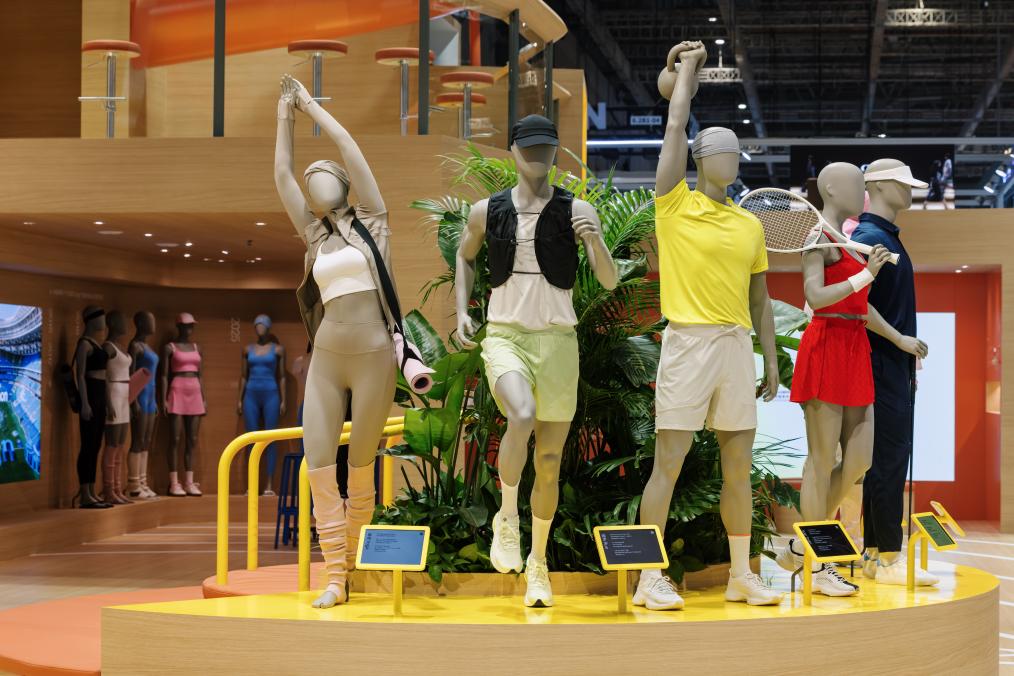
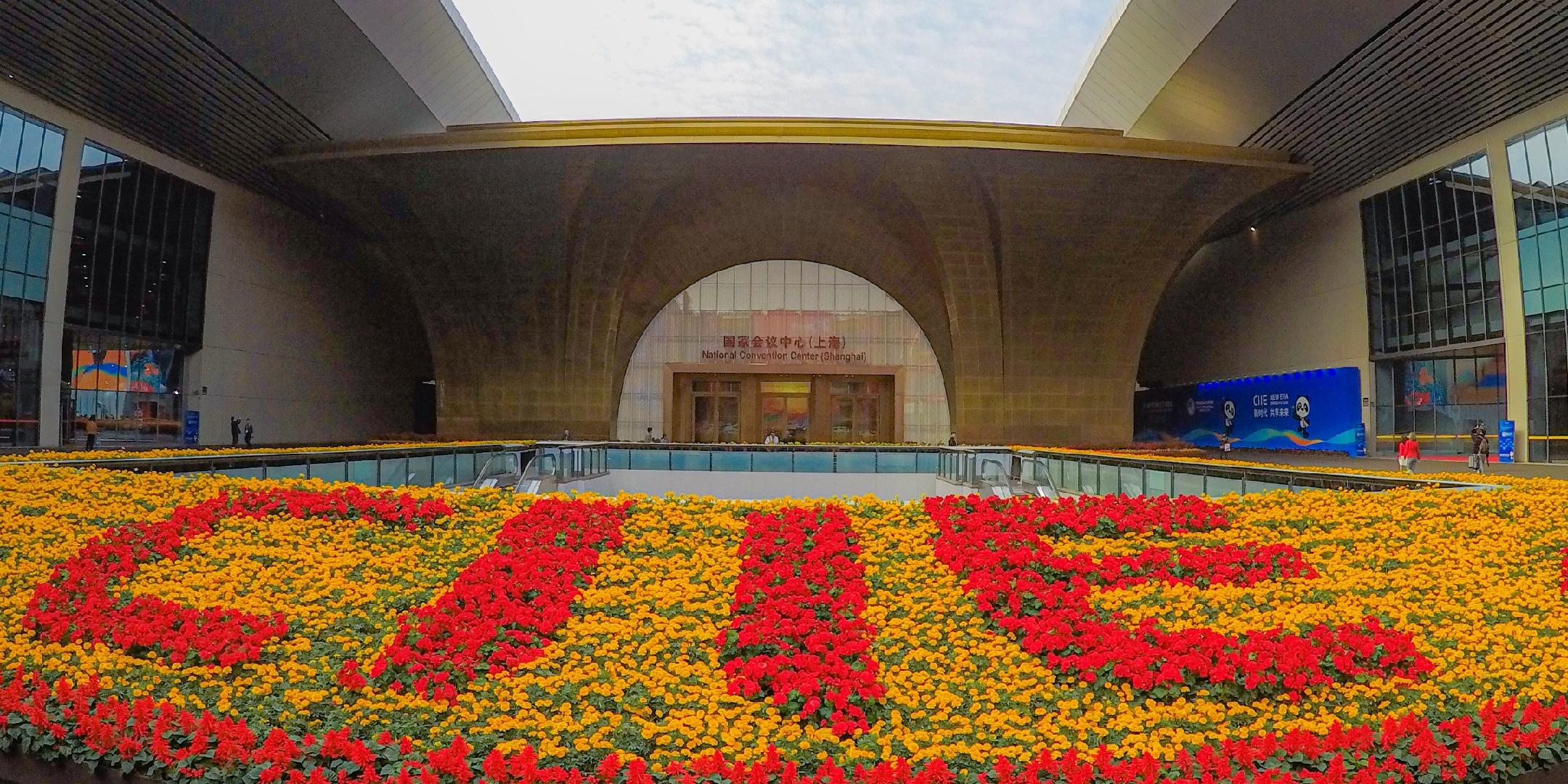
Core Insights - The eighth China International Import Expo (CIIE) is currently being held at the National Exhibition and Convention Center in Shanghai, where lululemon is promoting yoga experiences [1][2] - This year marks the tenth anniversary of the Align™ yoga pants, and lululemon aims to celebrate this milestone at the expo while also providing relaxation moments for attendees on China Journalist Day [1] - The brand's booth features a vibrant theme called "Good State Fun Movement," encouraging participants to engage in stretching and breathing exercises to achieve physical and mental balance [1] Company Activities - Lululemon ambassadors led over a hundred attendees, including journalists and expo staff, in yoga stretching exercises, emphasizing the importance of connecting with oneself through yoga [2] - The brand's senior vice president of marketing for China expressed the desire to create a calming experience amidst the busy expo environment [1] Brand Messaging - Lululemon positions the Align™ yoga pants not just as sportswear but as a companion in personal growth, aiming to foster a dialogue between individuals and their bodies [2]

一条瑜伽裤不够用了,lululemon拓展新品类寻找增长
Jing Ji Guan Cha Bao· 2025-11-09 11:16
Core Insights - The Chinese market is a key growth engine for lululemon, with significant potential for expansion [2][3] - The company has achieved over 30% revenue growth in China from FY2021 to FY2024, making it the fastest-growing market globally [2] - Lululemon is focusing on expanding its product categories and channels, including social e-commerce platforms like Douyin and Xiaohongshu [3][9] Market Performance - Lululemon currently operates 165 stores in China and continues to expand its presence [2][9] - The company reported a 25% year-over-year revenue growth in the Chinese market for Q2 FY2025, while global net revenue grew by 7% [2][7] Product Innovation - Approximately 25% of lululemon's products are newly designed each quarter, with plans to increase this to one-third next year [7] - The core product categories include yoga, running, training, golf, tennis, and everyday wear, which cater to both athletic and casual needs [8] Men's Apparel Growth - Men's apparel is identified as a significant growth area, driven by high participation rates in sports and increasing acceptance of casual styles among Chinese men [5][6] - The company emphasizes the balance of functionality, comfort, and versatility in its men's products, which distinguishes them from competitors [4][5] Brand Strategy - Lululemon maintains a cautious expansion strategy, ensuring all 165 stores are company-owned to provide a consistent brand experience [9] - The brand aims to balance scale expansion with brand value enhancement, focusing on direct customer engagement and education through store staff [9]
进博会观察|一条瑜伽裤不够用了,lululemon拓展新品类寻找增长
经济观察报· 2025-11-09 11:12
Core Viewpoint - The Chinese market is a key growth engine for lululemon, with significant potential for expansion and innovation [2][3]. Market Performance - Lululemon has achieved over 30% revenue growth in the Chinese market from FY2021 to FY2024, making it the fastest-growing market globally [2]. - As of now, lululemon operates 165 stores in China and continues to expand [2]. Product Innovation and Market Strategy - The company is focusing on expanding its product categories and channels, showcasing a variety of products at the China International Import Expo [3]. - Lululemon's product innovation is driven by insights from the Chinese market, with 25% of products being newly designed each quarter, aiming to increase this to one-third next year [7][8]. Targeting Male Consumers - The men's apparel segment is identified as a significant growth area, with increasing acceptance of lululemon among male consumers [5][6]. - The brand emphasizes functionality, comfort, and versatility in its men's products, catering to the rising demand for casual and athletic wear among men [5]. Channel Expansion - Lululemon is actively engaging in social e-commerce platforms like Douyin and Xiaohongshu, alongside traditional retail expansion [9]. - The company maintains a direct-to-consumer model to ensure consistent brand experience across its 165 stores [9].
进博会观察|一条瑜伽裤不够用了,lululemon拓展新品类寻找增长
Jing Ji Guan Cha Wang· 2025-11-09 09:11
Core Insights - The Chinese market is directly influencing lululemon's global product design, with insights from local market trends being integrated into their product innovation strategy [2] - Lululemon has achieved over 30% revenue growth in the Chinese market from FY2021 to FY2024, making it the fastest-growing market globally for the company [2] - The company is expanding its product categories and channels, focusing on social e-commerce platforms like Douyin and Xiaohongshu to enhance its market presence [3] Group 1: Market Performance - Lululemon has 165 stores in China and continues to expand, indicating strong market potential in the yoga category [2] - The company reported a 7% year-over-year increase in global net revenue for Q2 FY2025, with a 25% increase in the Chinese market [2][3] - Competitors like Adidas and Nike are also increasing their presence in the yoga market, highlighting the competitive landscape [2] Group 2: Product and Category Expansion - Lululemon is focusing on diversifying its product offerings, including categories such as yoga, training, running, tennis, golf, and everyday wear [3][5] - The company plans to increase the proportion of new designs to one-third of its product offerings by next year, emphasizing continuous product innovation [5] - The men's apparel segment is identified as a significant growth area, driven by increased male participation in sports and a growing acceptance of casual styles [4] Group 3: Brand Strategy and Market Positioning - Lululemon maintains a direct-to-consumer model to ensure consistent brand experience across its 165 stores [6] - The company emphasizes the importance of understanding unmet consumer needs, which differentiates it from competitors [3][4] - The brand is committed to balancing expansion with maintaining its premium positioning in the market [6]
从碾压安踏李宁,到如今月亏过亿:被抛弃的运动品牌顶流,到底错在哪?
首席商业评论· 2025-11-09 04:01
Core Viewpoint - Kappa, once a leading sports brand in China, has experienced a significant decline, struggling to maintain its market presence and resorting to selling trademarks to survive [6][9][34]. Group 1: Historical Success - Kappa was founded in 1916 in Italy and became a prominent sports brand, especially known for its association with football teams like Juventus and AC Milan [10][12]. - At its peak, Kappa achieved annual sales of 4.2 billion and operated nearly 4,000 stores, surpassing competitors like Li Ning and Anta [7][20]. - The brand's success was driven by innovative marketing strategies and a focus on trendy sportswear, appealing to younger consumers [14][16]. Group 2: Decline and Challenges - After the 2008 Beijing Olympics, Kappa faced a downturn as the sportswear market declined, leading to significant inventory issues [22]. - Kappa's reliance on a light-asset model and external manufacturers hindered its ability to respond quickly to market changes, resulting in a loss of control over product quality and brand reputation [22][32]. - The brand's market share diminished as competitors adapted to new consumer trends, while Kappa struggled to innovate and maintain relevance [23][25]. Group 3: Attempts at Revival - Kappa made several attempts to revitalize its brand, including collaborations with celebrities and a shift towards a fashion-oriented strategy [27][29]. - Despite these efforts, Kappa's financial performance continued to decline, with net profits dropping significantly from 8-9 billion to around 300 million from 2018 to 2020 [30]. - The company ultimately resorted to selling trademarks and intellectual property rights to sustain operations, indicating a dire financial situation [32][32].
从碾压安踏李宁,到如今月亏过亿:被抛弃的运动品牌顶流,到底错在哪?
创业邦· 2025-11-09 03:11
Core Viewpoint - Kappa, once a leading sports brand in China, has faced significant decline, struggling to maintain market presence and resorting to selling trademarks for survival [5][6][28]. Group 1: Historical Performance - Kappa achieved peak sales of 4.2 billion in its prime, with nearly 4,000 stores, surpassing competitors like Li Ning and Anta [6][20]. - The brand's revenue fell to 1.68 billion in the latest fiscal year, a 3.7% decline year-on-year [6][30]. - Kappa's market presence diminished significantly, with store numbers dropping from 4,000 to 1,000 [23]. Group 2: Strategic Decisions - Kappa's entry into the Chinese market in 2002 was initially unsuccessful due to a lack of consumer acceptance [11]. - Under new leadership, Kappa pivoted to a trendy sports market, adopting bold designs and innovative marketing strategies [13][15]. - The company adopted a light asset model, relying heavily on third-party manufacturers and distributors, which ultimately led to a loss of control over product quality and brand reputation [23][33]. Group 3: Market Challenges - The sports apparel industry faced a downturn post-2008 Beijing Olympics, leading to inventory crises for Kappa and its competitors [22]. - Competitors like Li Ning and Anta adapted quickly to market changes, while Kappa struggled to respond effectively [23]. - The emergence of new brands and changing consumer preferences further eroded Kappa's market share [25][30]. Group 4: Recent Developments - Kappa attempted to revitalize its brand through collaborations and marketing campaigns targeting younger consumers, but these efforts did not translate into increased sales [29][30]. - The company reported significant losses, including 1.783 billion in the 2022 fiscal year, prompting the sale of trademarks to sustain operations [28][34]. - Kappa's inability to innovate and adapt to market demands has left it in a precarious position, questioning its future viability [33][35].
运动巨头争锋,谁能在中国市场跑得更快?
第一财经· 2025-11-08 13:19
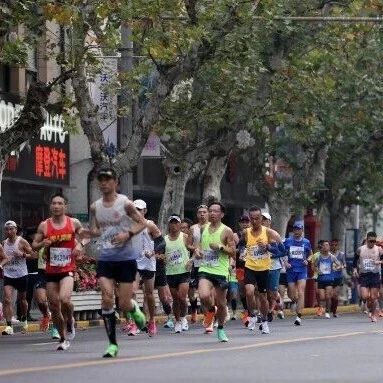
Core Insights - The article highlights the competitive landscape of the sportswear industry at the ongoing China International Import Expo (CIIE), emphasizing the growing demand for sports apparel driven by China's fitness initiatives and consumer interest in sports [3][15]. Market Demand and Competition - China has a massive market for sportswear, with over 300 million people participating in fitness activities weekly, which is comparable to the total population of the United States [5][6]. - The majority of fitness participants are casual enthusiasts rather than professional athletes, indicating a broad consumer base for sportswear brands [5]. Company Performance and Strategies - ASICS reported a net sales figure of 4.88 billion yuan in China for 2024, marking a nearly 30% growth, with a 21.5% year-on-year increase in the first quarter of 2025 [7]. - Lululemon achieved a 25% revenue growth in the Chinese market in the second quarter and opened its 165th store in the region, indicating rapid expansion [7][8]. - Nike, participating in CIIE for the sixth year, showcased its commitment to the Chinese market through innovative installations and a focus on athlete-centered product development [8][9]. Local Innovation and Global Impact - Lululemon's experience in China has influenced its global retail strategies, leading to larger store formats to enhance customer experience [12][13]. - Nike established its first creative production center outside the U.S. in Shanghai, emphasizing local research and development to better understand Chinese athletes' needs [13][14]. - Adidas has localized over 60% of its products designed for the Chinese market, reflecting a trend of reverse purchasing where local designs gain international recognition [14]. Consumer Trends - A report by Lululemon and Tsinghua University indicates that 68% of respondents believe exercise enhances happiness, showcasing a growing trend of associating physical activity with well-being [14].

聚焦进博会|全球运动品牌进博会争锋:谁能在中国市场跑得更快
Di Yi Cai Jing· 2025-11-08 12:01
Core Insights - The China International Import Expo (CIIE) has become a strategic platform for global sportswear giants to launch new products and compete for the Chinese market, driven by a growing demand for sports participation and fitness among Chinese consumers [1][3][9] Market Demand and Growth - Over 300 million people in China participate in fitness activities weekly, representing a significant market opportunity for sportswear brands, with less than 10% being professional athletes [3] - ASICS expects a net sales revenue of 4.88 billion yuan in China for 2024, marking a nearly 30% growth, with a 21.5% year-on-year increase in Q1 of the 2025 fiscal year [3] - Lululemon achieved a 25% revenue growth in the Chinese market in Q2, making it the second-largest market globally for the brand [4] Competitive Landscape - Nike, Adidas, Lululemon, and Skechers are key players in the Chinese sportswear market, with Nike being the largest brand [4][5] - Adidas showcased its latest innovations at CIIE, including the official match ball for the upcoming World Cup, while Skechers reported a projected global sales revenue exceeding $8.9 billion for 2024 [5] Local Market Strategies - Lululemon plans to increase the proportion of new products to nearly 33% each season by next year, while also expanding into second and third-tier cities in China [4] - Nike has established a creative production center in Shanghai and a sports research lab to better understand local athletes' needs, indicating a long-term commitment to the Chinese market [7][8] Global Influence of Chinese Market - The experiences and innovations developed in China are beginning to influence global strategies for these sportswear companies, with local designs gaining recognition in international markets [7][8] - Adidas reports that over 60% of its products sold in China are designed by local teams, reflecting a strong local influence on product development [8] Consumer Trends - A report indicates that 68% of respondents believe that exercise enhances happiness, highlighting a growing trend towards fitness and well-being among Chinese consumers [9]