
酒店

Search documents
金陵饭店:2025年净利润同比预增65.37%到90.93%
Zheng Quan Shi Bao Wang· 2026-01-22 08:46
人民财讯1月22日电,金陵饭店(601007)1月22日公告,预计2025年度实现归属于母公司所有者的净利 润为5500万元到6350万元,同比增长65.37%到90.93%。本期业绩预增主要原因系上年子公司北京金陵 饭店有限公司终止经营事项拉低业绩基数,以及公司轻资产酒店管理业务稳步增长等原因。 ...

金陵饭店(601007.SH):预计2025年归母净利润5500万元到6350万元,同比增长65.37%到90.93%
Ge Long Hui A P P· 2026-01-22 08:43
格隆汇1月22日丨金陵饭店(601007.SH)公布,经财务部门初步测算,公司预计2025年度实现归属于母公 司所有者的净利润为5,500万元到6,350万元,与上年相比,将增加2,174万元到3,024万元,同比增长 65.37%到90.93%;预计2025年度实现归属于母公司所有者的扣除非经常性损益的净利润为4,900万元到 5,750万元,与上年相比,将增加1,812万元到2,662万元,同比增长58.70%到86.23%。 ...
金陵饭店:预计2025年归母净利润同比增长65.37%-90.93%
Xin Lang Cai Jing· 2026-01-22 08:31
金陵饭店1月22日公告,预计2025年度归母净利润5500万元-6350万元,同比增长65.37%-90.93%。公司 称,本期业绩预增主要原因系上年子公司北京金陵饭店有限公司终止经营事项拉低业绩基数,以及公司 轻资产酒店管理业务稳步增长等原因所致。 ...
金陵饭店:2025年度净利润预增65.37% - 90.93%
Xin Lang Cai Jing· 2026-01-22 08:31
金陵饭店公告称,经初步测算,2025年度预计实现归属于母公司所有者的净利润5500万元 - 6350万元, 同比增长65.37% - 90.93%;扣非净利润4900万元 - 5750万元,同比增长58.70% - 86.23%。2024年公司归 母净利润3325.89万元。业绩预增主要因上年子公司终止经营拉低业绩基数,以及轻资产酒店管理业务 增长。本次业绩预告未经审计,具体数据将在年报披露。 ...
金陵饭店:2025年全年净利润同比预增65.37%—90.93%
2 1 Shi Ji Jing Ji Bao Dao· 2026-01-22 08:29
南财智讯1月22日电,金陵饭店公告,预计2025年全年归属于上市公司股东的净利润为5,500万元到6,350 万元,同比预增65.37%—90.93%;预计2025年全年归属于上市公司股东的扣除非经常性损益的净利润 为4,900万元到5,750万元,同比预增58.70%—86.23%;主要变动原因为:本期业绩预增主要原因系上年 子公司北京金陵饭店有限公司终止经营事项拉低业绩基数,以及公司轻资产酒店管理业务稳步增长等原 因所致。 ...
预定餐厅酒店临时加价?这些投诉渠道能帮你维权
Xin Lang Cai Jing· 2026-01-22 07:15
春节将至,家家户户开始忙着置办年货、预订年夜饭、安排出行。这本是喜庆团聚的时刻,却也是消费 纠纷 【下载黑猫投诉客户端】的高发期——网购的年货货不对板、预订的餐厅临时加价、快递迟迟不 送达……遇到这些烦心事,很多人选择忍气吞声,生怕影响过节心情。其实,如今消费者维权早已不像 过去那样"跑断腿、打爆电话",借助一些高效便捷的投诉平台,完全可以在维护自身权益的同时,过个 安心年。 一、官方投诉渠道:基础坚实,依法维权 遇到消费问题,首先应当想到的是官方行政投诉渠道,这是最权威、最具法律效力的维权途径。 市场监督管理局12315平台是目前覆盖最广的官方消费投诉渠道。无论是 换一个,不要年货的 春节出游被坑?酒店临时加价、行程缩水,这些投诉途径帮你高效维权! 春节长假是举家出游的高峰期,不少人早早预订了酒店、机票、旅行团,期待着一场愉快的假期。然 而,现实有时不尽如人意——酒店到店后临时加价、航班无故取消、旅行团擅自缩减景点、预订的民 宿"图文不符"……遇上这些闹心事,难道只能自认倒霉?其实,如今消费者维权早已告别"电话打不 通、投诉无门"的时代,通过一些高效、透明的投诉渠道,完全可以维护自己的合法权益,不让旅途添 ...
今年春运自驾出行将居主体地位
Xin Lang Cai Jing· 2026-01-22 06:51
Core Insights - The upcoming Spring Festival travel period is expected to see record-high inter-regional mobility and passenger volumes in rail and civil aviation, with the travel period running from February 2 to March 13, 2026 [1] - The trend of family reunions during the Spring Festival is shifting from children returning home to parents traveling to their children's workplaces for celebrations, indicating a change in traditional travel patterns [1][2] Group 1: Travel Trends - The Spring Festival travel period is characterized by a significant increase in self-driving trips, with authorities focusing on improving road traffic management and travel services [1] - The "reverse Spring Festival" trend is gaining momentum, with a 35% year-on-year increase in flight bookings for parents traveling to their children's work locations [2] Group 2: Tourism and Hospitality - High-end hotel bookings for the Spring Festival have surged nearly 70% year-on-year, reflecting a growing demand for quality travel experiences [2] - The popularity of comprehensive travel experiences, including cultural performances and unique dining options, is rising, particularly among family travelers [2] - The flight radius for outbound Chinese tourists has expanded significantly, with over 60% of bookings for destinations requiring more than an 8-hour flight, indicating a trend towards longer international trips [2]
第110届巴拿马博览会亮相自贸港,华商论坛共襄百年盛举
Xiao Fei Ri Bao Wang· 2026-01-21 22:52
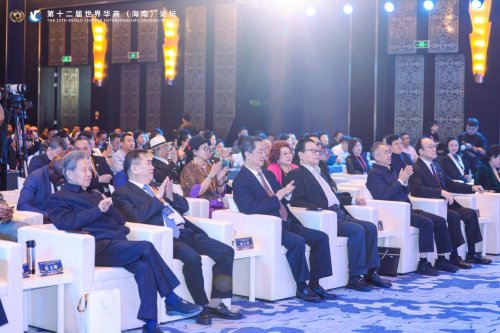
Group 1 - The 110th Panama-Pacific International Exposition (China Region) and the 12th World Chinese Business Forum were held in Sanya, Hainan from January 6 to 9, 2026, focusing on "Inheriting a Century of Brands, Revitalizing the National Economy" [1][6] - The event gathered representatives from UN NGOs, various countries' Chinese business communities, and diplomatic missions, highlighting the achievements of Chinese brands and discussing new economic dynamics and the role of Hainan Free Trade Port [1][2] Group 2 - Key leaders from the Chinese business community emphasized Hainan Free Trade Port's unique policy advantages and geographical conditions, positioning it as a core platform for international competition and promoting national brands globally [2][5] - The event's international influence was acknowledged by representatives from various UN organizations, who recognized the exposition's contributions to global cultural exchange and sustainable development over the past century [8][10] Group 3 - The awards ceremony recognized outstanding Chinese brands, with 18 companies selected from hundreds of applicants across various sectors, including food and beverage, textiles, and modern services, showcasing the high standards and international recognition of Chinese modern service industries [22][24] - The ceremony also featured the presentation of the "International Heritage and Contribution Award" and the "Outstanding Contribution Award for Global Cultural and Economic Exchange," underscoring the committee's international credibility and influence [13][14] Group 4 - The event served as a significant platform for Chinese brands to gain international recognition, with many institutions and enterprises forming partnerships and signing agreements during the event [26] - The successful hosting of the exposition reflects the enduring spirit of the century-old event and the strong international appeal of Hainan Free Trade Port, aiming to foster open cooperation and win-win development [26]

琼启新程海涌潮头
Xin Lang Cai Jing· 2026-01-21 17:29
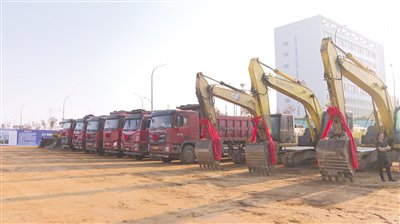
Group 1 - The Hainan Free Trade Port has officially started operations, with Qionghai City launching a series of key projects to inject strong momentum into the first year post-closure [2][9] - A total of 72 projects have been signed, started, and put into production, with a total investment exceeding 30 billion yuan, covering various sectors including public services, ecological protection, infrastructure, and industrial development [8][9] - The Wenpo Community Agricultural Market project is nearing completion, with 90% of construction finished, expected to be operational before the Spring Festival, providing a comprehensive service hub for local residents [2] Group 2 - The Boao Lecheng International Medical Tourism Pilot Zone is gaining popularity among foreign patients, who appreciate the speed and cost-effectiveness of medical services available there [4][5] - Lecheng has introduced 553 licensed products, including 187 drugs and 353 medical devices, facilitating access to international medical resources for over 200,000 patients [7] - The recent approval of the Elecsys® pTau181 blood test for Alzheimer's disease marks a significant advancement in early diagnosis capabilities within the region [6] Group 3 - The construction of the Wenchang New Bridge, a key rural road project, is expected to alleviate traffic congestion and improve accessibility during flood seasons for 24,000 residents [3] - The recent capital connection meeting aims to support high-quality development for potential listed companies in the biopharmaceutical sector, leveraging the opportunities presented by the Hainan Free Trade Port [5][6] - The focus on diverse projects, including health industry parks and smart transportation centers, reflects a strategic approach to enhance the industrial structure and urban functionality in Qionghai [8][9]
打造济南副城高质量发展增长极
Qi Lu Wan Bao· 2026-01-21 13:44
Core Viewpoint - The Steel District aims to enhance its economic development by focusing on industrial upgrades, agricultural advancements, investment promotion, urban-rural integration, and improving public welfare, all under the theme of "Project Empowerment Year" [1][2][3][4][5][6] Group 1: Industrial Development - The Steel District is implementing an industrial stronghold strategy to upgrade its leading industries, focusing on high-end, intelligent, and green development [1] - The district plans to strengthen its three main industries: steel, advanced materials, and new energy equipment, while also promoting precision casting and green construction [1] - New industries such as new energy, new materials, and laser equipment will be cultivated to enhance production capabilities [1] Group 2: Agricultural Development - The Steel District is committed to modern efficient agriculture, aiming to establish a core cluster for the "Northern Seed Industry Capital" through the development of a comprehensive poultry breeding industry [2] - The district will accelerate the construction of six poultry breeding sub-projects and an innovation center for animal breeding [2] Group 3: Investment and Consumption - The district is focusing on project development, with plans to accelerate the construction of 10 provincial, 30 municipal, and 238 district-level key projects [3] - The Steel District aims to attract over 80 quality projects in key industries through targeted investment strategies [3] - Consumer promotion activities will be organized, including over 25 events in key sectors like automotive and home appliances [3] Group 4: Urban-Rural Integration - The Steel District is advancing urban construction and renewal, with 14 projects underway to improve infrastructure such as roads and utilities [4][5] - Efforts will be made to enhance the living environment and integrate urban and rural development [5] Group 5: Public Welfare Improvement - The district prioritizes public welfare, planning to provide vocational training for over 3,000 individuals and improve employment opportunities for key groups [6] - The district aims for a 5.2% increase in per capita income and will enhance educational and healthcare services [6] - Plans include the construction of new childcare centers and the optimization of elderly care services [6]