化妆品

Search documents
1.1万亿之上的竞逐:从“水涨船高”到“结构分化”
FBeauty未来迹· 2026-01-21 14:25
Core Insights - The Chinese cosmetics market has surpassed 1.1 trillion yuan, maintaining its position as the largest cosmetics consumer market globally [2][3] - The market share of domestic cosmetics has increased to 57.37%, solidifying its leading position [3][25] - Approximately 27,000 brands were eliminated in the past year, while over 60% of the top 500 brands achieved positive growth, indicating a shift from a broad growth phase to a deep transformation focused on structural optimization [3][19] Market Size and Growth - In 2025, the total transaction value of the Chinese cosmetics market is projected to be 1,104.25 billion yuan, with a year-on-year growth of 2.83%, indicating a stable development phase [8] - The growth rates for the years 2023, 2024, and 2025 are 3.61%, 2.80%, and 2.83% respectively, reflecting a new normal of single-digit growth [8] - The retail sales of cosmetics in 2025 are expected to reach 465.3 billion yuan, with a growth rate of 5.1%, outpacing the overall retail sales growth [11] Market Dynamics - The data from the China Cosmetics Association and the National Bureau of Statistics complement each other, presenting a comprehensive view of the market landscape [14] - The divergence in data is attributed to different statistical scopes, with the National Bureau focusing on larger enterprises while the Association includes a broader range of market players [14] - The market is experiencing a significant internal structural change, with resources concentrating on larger, compliant, and research-capable enterprises, while smaller firms face increasing survival pressures [15] Brand Performance - Over 60% of the top 500 brands achieved positive growth, while the number of brands with over 100 million yuan in sales increased from 746 in 2023 to 839 in 2025 [16] - The elimination of approximately 27,000 brands in 2025 signifies the end of competition based on traffic and homogenized products, marking an acceleration of the survival of the fittest [19] Channel Competition - Online channel transaction value grew by 4.45% in 2025, while offline channels remained stable, indicating the end of reliance on a single growth channel [22] - The shift towards comprehensive channel operations is becoming the new foundation for brand development [22] Rise of Domestic Brands - Domestic brands' market share has risen to 57.37%, marking a fundamental shift in market dynamics [25] - Successful domestic brands focus on niche markets, technological barriers, and unique brand cultures rather than just price competitiveness [28] - The victory of domestic brands reflects a new development model that emphasizes long-term value and systemic capabilities [31] Regulatory and Competitive Landscape - The modernization of the regulatory system during the 14th Five-Year Plan has clarified the direction for high-quality development [34] - The shift from marketing wars to technology and brand wars is reshaping competitive dynamics within the industry [35] - Continuous investment in R&D is evident, with the average R&D expense ratio for Chinese cosmetics companies increasing from 2.36% in 2020 to 3.24% in 2025 [35] Consumer Behavior and Market Trends - The market is witnessing a dual pursuit among consumers for both high-value basic products under 300 yuan and luxury products over 1,000 yuan, while mid-range products are declining [38] - Brands must clearly position their value propositions to succeed in this evolving market landscape [38] Global Market Expansion - Expanding into global markets is becoming essential for leading brands, with some achieving significant breakthroughs in mature markets [39] - The dual drivers of strong policy and active market dynamics are propelling the Chinese cosmetics industry towards a new era of high-quality development [40]

我国化妆品产业蓬勃发展 美妆企业向“新”求变
Zheng Quan Ri Bao Wang· 2026-01-21 13:12
Group 1: Market Overview - In 2025, China's cosmetics market is projected to reach a record high with a total transaction value exceeding 1.1 trillion yuan, specifically 1,104.245 billion yuan, representing a year-on-year growth of 2.83% [1] - Domestic brands continue to lead in competitiveness, increasing their market share to 57.37% [1] - The retail growth in cosmetics indicates strong industry recovery resilience, with consumer demand shifting towards quality, efficacy, and brand value [1] Group 2: Policy Support and Industry Development - Recent government policies have been introduced to support the beauty industry, including innovation incentives, standard improvements, and brand cultivation [2] - The National Medical Products Administration released 24 reform opinions and 48 specific measures aimed at enhancing innovation support and regulatory efficiency in the cosmetics sector [2] - A comprehensive support system has been established to ensure safety while encouraging the development of silver-haired products and personalized services [2][3] Group 3: Innovation and Transformation in Beauty Enterprises - Domestic beauty companies are actively seeking innovation and transformation, focusing on raw material innovation, technological empowerment, and channel reform [4] - Companies like Shandong Sanyuan Biotechnology are investing in forward-looking research on cosmetic raw materials with cost and process advantages [4] - Artificial intelligence and smart manufacturing are being utilized to enhance operational efficiency and consumer experience, with applications in product development and customer service [4] Group 4: Channel Development - Proya Cosmetics has partnered with Yixin Tang Pharmaceutical Group to enter the offline OTC (over-the-counter) medical research channel, focusing on a systematic layout of "medical research empowerment and cosmetic synergy" [5]
国货领跑,中国化妆品交易首次突破1.1万亿元
Di Yi Cai Jing· 2026-01-21 13:03
Core Insights - The Chinese cosmetics market is projected to reach a total transaction value of 1.1 trillion yuan by 2025, marking a year-on-year growth of 2.83% and maintaining its position as the world's largest cosmetics consumer market [2] - Domestic brands have seen a significant increase in market share, surpassing 50% for the first time in 2022 and reaching 52.82% in 2023, with expectations to grow to 57.37% by 2025 [2][3] - The rise of domestic brands indicates a shift in the market from being dominated by international brands to being led by local brands, reflecting a new development phase in the industry [3] Market Trends - The growth trajectory of the cosmetics industry shows a year-on-year increase of 3.61% in 2023 and 2.80% in 2024, demonstrating resilience amid global economic adjustments [2] - The market is transitioning from "total expansion" to "structural optimization," focusing on depth competition rather than breadth expansion [4] - Consumer behavior is evolving, with a shift towards rational purchasing decisions based on product ingredients and efficacy, rather than brand prestige [4] Consumer Preferences - The consumption structure is increasingly polarized, with products priced below 300 yuan accounting for 58.88% of sales, while high-end products priced above 1000 yuan represent 14.75% [4] - Sales in the 300-500 yuan and 500-1000 yuan price ranges are declining, indicating a clear trend towards high-value and premium products [4] Industry Developments - A significant number of beauty-related companies are preparing for IPOs in 2025, covering various segments of the supply chain [3] - Notable companies such as Gu Yu and Lin Qingxuan are actively pursuing listings, indicating a robust interest in capital markets within the cosmetics sector [3]
投资向新向质向绿,消费升级稳步加快!
Sou Hu Cai Jing· 2026-01-21 12:54
Investment and Consumption Overview - The core viewpoint emphasizes the dual drive of investment and consumption to stimulate domestic demand in Sichuan, with significant growth in both sectors in 2025 [1][5] Investment Highlights - In 2025, Sichuan's total social retail sales exceeded 2.9 trillion yuan, marking a 5.1% increase from the previous year, with an acceleration in growth rate by 0.9 percentage points [5] - Industrial investment grew by 8.2% year-on-year, accounting for 30.4% of total investment, an increase of 3 percentage points from the previous year [3] - Key sectors such as agriculture, mining, manufacturing, and electricity production saw notable investment growth rates of 5.9%, 41.9%, 4.6%, and 17.8% respectively [3] - Private investment showed a significant recovery, growing by 2.1% year-on-year, reversing a two-year decline, with private project investment increasing by 9% [3] Consumption Trends - The consumption of upgraded goods experienced rapid growth, with gold and jewelry sales increasing by 32.6% [4] - The rural market's potential is accelerating, with retail sales in rural areas growing by 6.1% due to improved infrastructure and logistics [8] - Online retail sales grew by 9.5%, with physical goods online retail accounting for 16.4% of total social retail sales, an increase of 0.1 percentage points from the previous year [8] - The "old-for-new" policy has positively impacted demand, with significant increases in retail sales of communication equipment and automobiles by 50.8% and 8.9% respectively [8]
8亿!全球最大美妆巨头,重金押注生物制造!这些中国企业率先受益!
Xin Lang Cai Jing· 2026-01-21 12:42
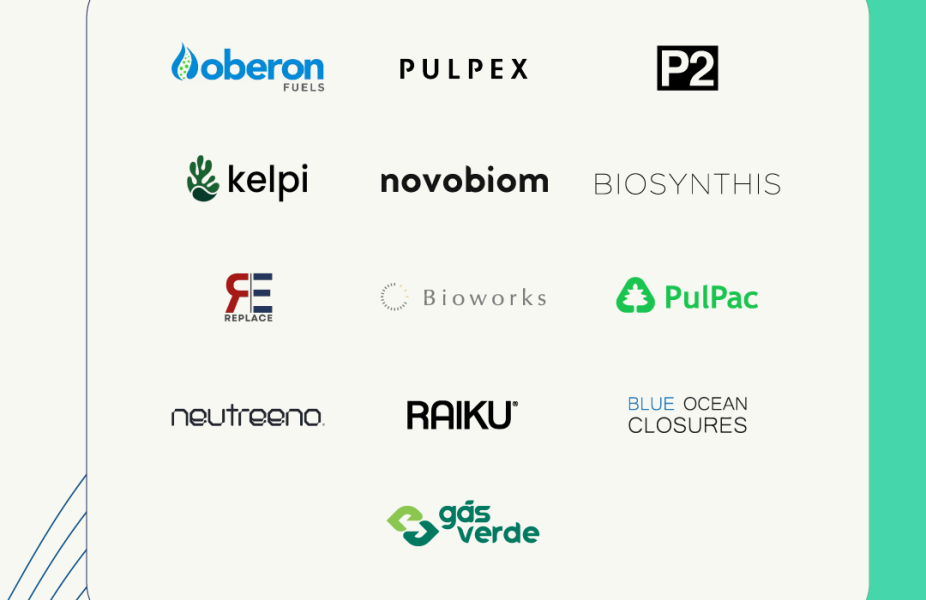
Core Insights - The beauty giant L'Oréal has selected 13 companies for its "L'AcceleratOR" accelerator program after reviewing nearly 1,000 applications from 101 countries, focusing on biomanufacturing solutions [1][14]. Group 1: L'AcceleratOR Program - The "L'AcceleratOR" program, launched in June 2025 in collaboration with the University of Cambridge's Institute for Sustainability Leadership (CISL), aims to donate €100 million (approximately 800 million RMB) over five years and provide 12 months of resource support to selected projects [3][16]. - The selected companies are expected to promote their solutions within L'Oréal's international business [3][16]. Group 2: Selected Companies - Six of the 13 selected companies are focused on bio-based materials, including: - Kelpi, which has developed a biodegradable coating made from seaweed that offers similar protective qualities to plastic [4][17]. - Bioworks, which has created a bio-based packaging material, PlaX, from sugarcane, reducing carbon emissions by 62% compared to traditional petroleum-based plastics [4][17]. - Blue Ocean Closures, which produces caps from dried plant fibers as an alternative to plastic [6][19]. - RAIKU, which can convert one cubic meter of wood into 203 units of packaging material, reducing wood usage by 90% [6][19]. - Purpex, which is developing recyclable paper bottles [20]. - Novobiom, REPLACE, and Gàs Verde, which focus on circular solutions using fungi, multi-layer plastics, and biogas production, respectively [20]. Group 3: L'Oréal's Investment Strategy - L'Oréal has been actively investing in synthetic biology, having made nine investments in related companies since 2022, with a focus on developing natural active ingredients and alternatives to traditional raw materials [10][23]. - The company's venture capital arm, BOLD, has been investing in beauty startups since its establishment in 2018, with a strong emphasis on biotechnology and green science [10][23]. Group 4: Recent Collaborations - Recent collaborations include investments in companies such as Microphyt for extracting natural ingredients from microalgae, Genomatica for developing palm oil using fermentation technology, and partnerships with various Chinese biotech firms [12][25]. - Notable Chinese companies include: - Blue Ocean Microbiology, known for its biodegradable plastic PHA, with total financing exceeding 1.9 billion RMB [13][26]. - Shanhai Innovation, which collaborates with over 100 companies, including L'Oréal [13][26]. - Weiming Shiguang, focusing on high-value bioactive materials for beauty and personal care [13][26].
20元平价护肤年入19亿,“国货网红”背刺打工人
Feng Huang Wang Cai Jing· 2026-01-21 12:08
Core Viewpoint - The company "Shandong Huawutang Cosmetics Co., Ltd." (referred to as "Banmu Huatian") has submitted its prospectus to the Hong Kong Stock Exchange, highlighting a story of rapid growth alongside significant controversies [1][2]. Financial Performance - Banmu Huatian's average selling price for body, hair, and facial care products is around 20 RMB, with annual revenue approaching 1.9 billion RMB. The gross profit margin has consistently remained above 60% [3]. - Revenue is projected to grow from 1.199 billion RMB in 2023 to 1.894 billion RMB in 2025, with adjusted net profit increasing from 23.7 million RMB in 2023 to 148 million RMB in the first three quarters of 2025, reflecting a growth rate of 249.4% [3][6]. Sales and Marketing Strategy - The company employs a "heavy marketing, light R&D" model, with sales and marketing expenses accounting for nearly half of its revenue. For the first nine months of 2023 to 2025, these expenses were 637 million RMB, 677 million RMB, and 896 million RMB, representing 53.2%, 45.2%, and 47.3% of total revenue, respectively [5]. - In contrast, R&D expenses were significantly lower, at 28.6 million RMB in 2023, declining to 28.1 million RMB in 2025, with their proportion of revenue dropping from 2.4% to 1.5% [5][6]. Brand History and Ownership - Founded in 2010 by Qi Yunjie, the company is primarily controlled by Qi Yunjie and his spouse, along with an employee stock ownership platform, holding approximately 85.03% of voting rights [7][8]. Product Quality and Controversies - The company has faced multiple controversies regarding product quality, including reports of mold in products and allergic reactions among consumers. Complaints have been made about poor customer service and inadequate responses to quality issues [9][10]. - In 2020, the company was penalized for producing a product that did not meet standards, and it has faced numerous complaints related to skin allergies and service quality on third-party platforms [10][12]. Market Position and Challenges - Banmu Huatian represents a typical fast-growing domestic brand driven by internet marketing, but it faces challenges due to its reliance on marketing for growth and a weak R&D foundation, compounded by recurring product quality issues and trust crises [12].
2025年中国化妆品交易额突破1.1万亿元 国货品牌竞争力持续领跑
Zheng Quan Ri Bao Wang· 2026-01-21 11:41
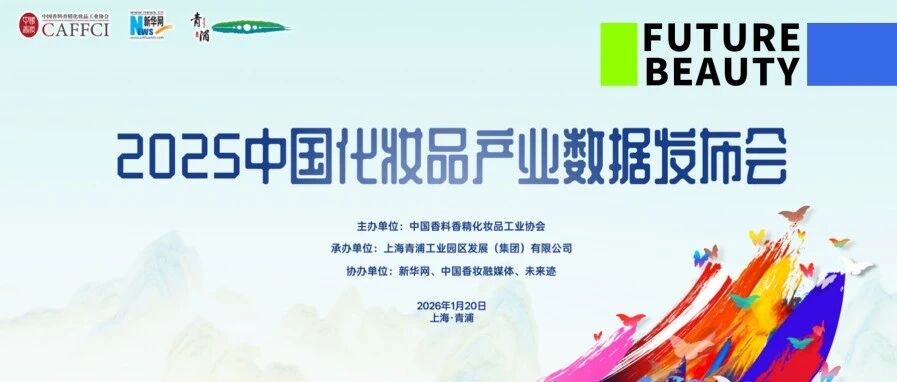
Core Insights - The 2025 China Cosmetics Industry Data Release Conference highlighted the industry's significant growth and transformation, emphasizing the importance of high-quality development amidst global economic uncertainties [1][2] Group 1: Market Overview - By 2025, the Chinese cosmetics market is projected to reach a record high of 1.1 trillion yuan (approximately 1104.25 billion yuan), with a year-on-year growth of 2.83% [1] - Domestic brands continue to lead in competitiveness, increasing their market share to 57.37% [1] - Online sales are expected to reach 721.77 billion yuan, growing by 4.45% and accounting for 65.36% of total sales, while offline sales remain stable at 382.47 billion yuan [1] Group 2: Industry Trends - The market concentration is increasing, with over 60% of the top 500 brands experiencing positive growth, while only 26% of brands ranked below 500 show growth [2] - The industry is transitioning from total expansion to structural optimization, focusing on depth competition rather than breadth [2] - The number of eliminated brands reached 26,900, indicating a rationalization of competition within the industry [2] Group 3: Innovation and Development - The conference featured discussions on the integration of AI and other technologies in the cosmetics industry, highlighting innovative practices that drive brand growth [3] - Media's role in promoting high-quality development in the beauty industry was also emphasized, showcasing innovative pathways for industry growth [2][3]


抖音爆款要IPO了
3 6 Ke· 2026-01-21 10:58
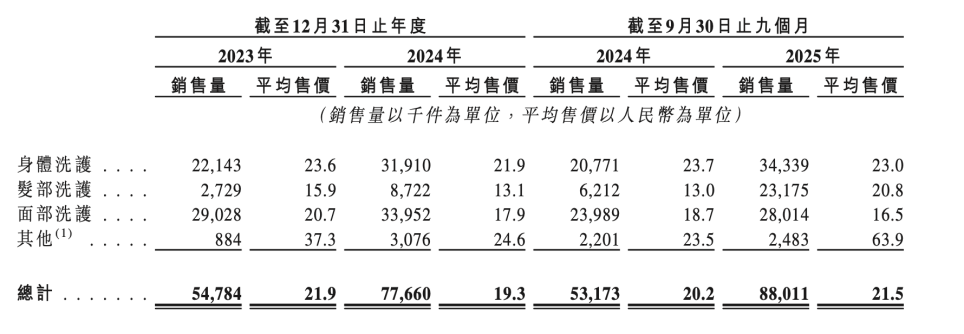
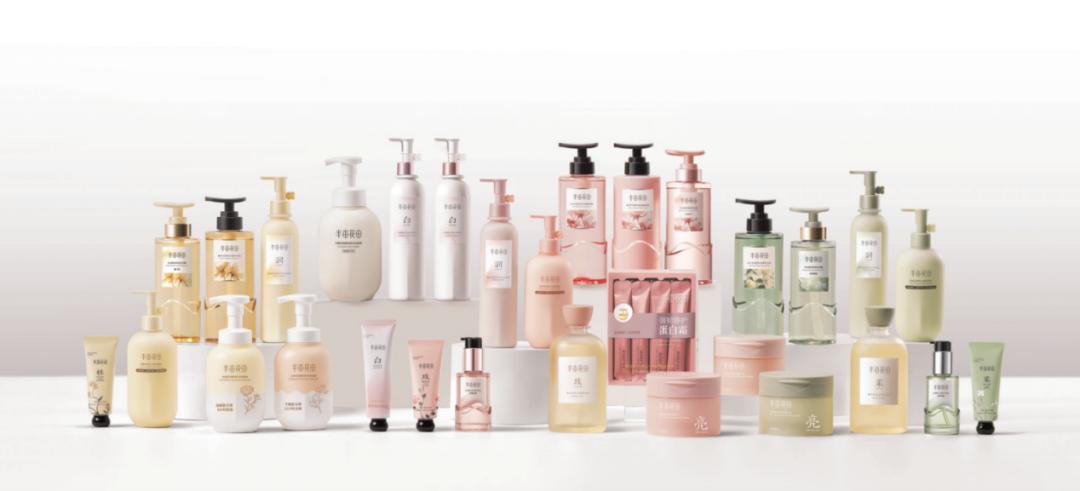
Core Viewpoint - Shandong Huawutang Cosmetics Co., Ltd., the parent company of the popular domestic brand "Banmu Huatian," is preparing for an IPO on the Hong Kong Stock Exchange, with CITIC Securities as the sole sponsor [2][4]. Company Overview - Banmu Huatian was founded by a couple from Shandong, Qi Yunjie and Shang Ximei, who initially engaged in herbal tea business before focusing on rose-based products in their hometown, known for its rose cultivation [3]. - The company started with rose hydrosol and expanded its product line to include body lotions, facial cleansers, and shampoos, achieving significant popularity through Douyin (TikTok) [3][7]. Financial Performance - The company reported revenues of 1.199 billion RMB in 2023, projected to grow to 1.499 billion RMB in 2024 and 1.895 billion RMB in the first three quarters of 2025, with adjusted net profits of 24 million RMB, 83 million RMB, and 148 million RMB respectively [10]. - The body care segment is the primary revenue source, accounting for 41.8% of total revenue in the first three quarters of 2025, while the hair care segment saw a nearly fivefold increase in revenue [10]. Market Position - Banmu Huatian is recognized as the leading domestic brand in body lotion, body scrub, and facial cleanser categories, according to data from Frost & Sullivan [8]. - The average price of its products is maintained around 20 RMB, with a strategy to expand offline channels by reducing prices from 21.9 RMB in 2023 to 19.3 RMB in 2024 [11]. Sales Channels - Online sales remain the dominant channel, contributing 85.7%, 75.9%, and 76.3% of total revenue in 2023, 2024, and the first three quarters of 2025, respectively [11]. - Douyin is a key platform for sales, with the company's GMV consistently exceeding 50 million to 75 million RMB, and six months surpassing 100 million RMB in 2025 [12]. Competitive Landscape - The company faces intense competition in the personal care market, with rising challenges from both established brands and new entrants [13]. - Marketing expenses are significant, with a sales expense ratio of 47.3% in the first three quarters of 2025, while R&D expenditure has decreased [13].
20元平价护肤年入19亿,“国货网红”背刺打工人
凤凰网财经· 2026-01-21 09:49
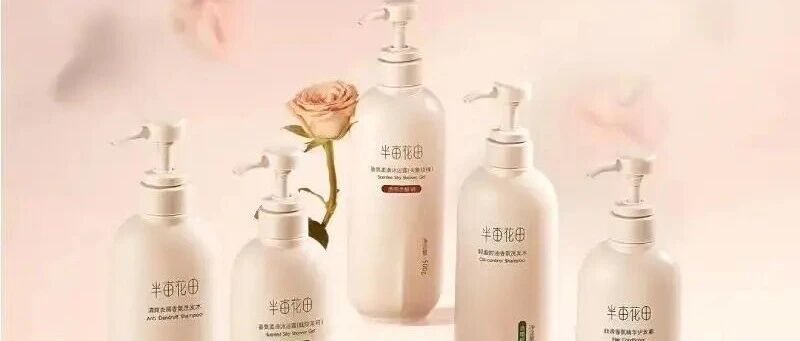
Core Viewpoint - The company "Shandong Huawutang Cosmetics Co., Ltd." (referred to as "Banmu Huatian") has submitted its prospectus to the Hong Kong Stock Exchange, showcasing a narrative of rapid growth alongside significant controversies [1][2]. Financial Performance - Banmu Huatian's average selling price for body, hair, and facial care products is around 20 RMB, yet its annual revenue approaches 1.9 billion RMB, with a long-term gross margin exceeding 60% [3]. - Revenue is projected to grow from 1.199 billion RMB in 2023 to 1.894 billion RMB in 2025, with adjusted net profit increasing from 23.7 million RMB in 2023 to 148 million RMB in the first three quarters of 2025, reflecting a growth rate of 249.4% [3][4]. Sales and Marketing Strategy - The company employs a "heavy marketing, light R&D" strategy, with sales and marketing expenses accounting for nearly half of its revenue. For 2023 to the first nine months of 2025, these expenses are 637 million RMB, 677 million RMB, and 896 million RMB, representing 53.2%, 45.2%, and 47.3% of total revenue, respectively [5]. - In contrast, R&D expenses are significantly lower, at 28.6 million RMB, 32 million RMB, and 28.1 million RMB, decreasing from 2.4% of revenue in 2023 to 1.5% in the first nine months of 2025 [5][6]. Brand History and Ownership - Founded in 2010 by Qi Yunjie, the company is primarily controlled by Qi Yunjie and his spouse, along with employee shareholding platforms, holding approximately 85.03% of voting rights [7]. Product Quality and Controversies - The company has faced multiple controversies regarding product quality, including reports of mold in products and allergic reactions among consumers. Complaints have been made about poor customer service and inadequate responses to quality issues [11][12]. - In 2020, the company was penalized for producing a product that did not meet standards, and in 2024, it faced scrutiny for misleading advertising related to its "seaweed mask" products [11][12][14]. Future Challenges - Banmu Huatian's growth model, heavily reliant on internet marketing and consumer traffic, presents uncertainties. The company's limited investment in R&D and recurring quality issues may hinder its long-term brand development and market competitiveness [8][14].
化妆品板块1月21日涨0.25%,拉芳家化领涨,主力资金净流出5552.25万元
Zheng Xing Xing Ye Ri Bao· 2026-01-21 09:08
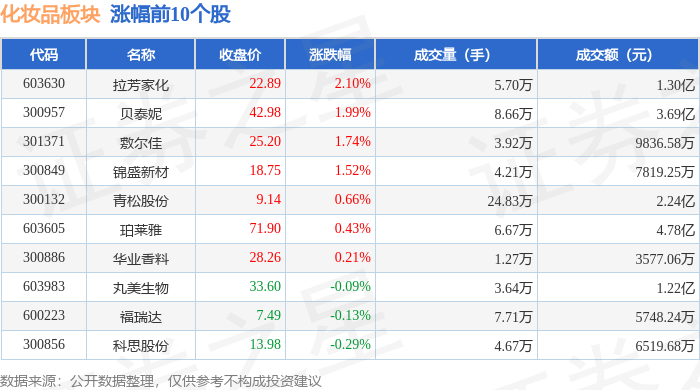
Group 1 - The cosmetics sector experienced a slight increase of 0.25% on January 21, with Lafang Jiahua leading the gains [1] - The Shanghai Composite Index closed at 4116.94, up 0.08%, while the Shenzhen Component Index closed at 14255.12, up 0.7% [1] - Lafang Jiahua's closing price was 22.89, reflecting a rise of 2.10%, with a trading volume of 57,000 shares and a transaction value of 130 million yuan [1] Group 2 - The cosmetics sector saw a net outflow of 55.52 million yuan from institutional investors, while retail investors had a net inflow of 30.86 million yuan [2] - The trading data for various companies showed mixed performance, with some companies like Betaini and Lafang Jiahua experiencing net outflows from institutional investors [3] - Betaini had a net outflow of 14.09 million yuan from institutional investors, while Lafang Jiahua saw a net inflow of 13.43 million yuan [3]