
烟草

Search documents
香烟市场Ethiopia的动态在烟草税政策和税率调整之后
牛津经济研究院· 2026-04-01 03:45
Investment Rating - The report does not explicitly provide an investment rating for the tobacco industry in Ethiopia. Core Insights - The introduction of a new mixed consumption tax system in early 2020 led to a significant increase in taxes on tobacco products, with the tax per pack rising by over 200% initially and then by more than 150% in 2024. This has resulted in a drastic decline in the legal cigarette market, which is expected to shrink by approximately 67% from 2019 to 2025 [6][14][104]. - The illegal tobacco market has seen substantial growth, with projections indicating an increase of 125% from 2019 to 2025. The illegal market's share has surged from about 35% in 2019 to an estimated 78% by 2025 [59][67][105]. Summary by Sections Legal Tobacco Market - The legal cigarette market in Ethiopia was dominated by the National Tobacco Enterprise (NTE), which held a monopoly on the production, sale, import, and export of tobacco products. The market size in 2019 was 278 million packs, but it plummeted to 168 million packs in 2020, a 39% decrease, and continued to decline in subsequent years [5][20][21]. - By 2023, the legal market volume was only 187 million packs, which is still about 33% lower than in 2019. Projections for 2025 indicate a further decline to approximately 79 million packs, representing a 67% decrease from 2019 levels [21][23][28]. Illegal Market Development - The illegal tobacco market has expanded significantly, with the number of brands reaching nearly 50 annually from 2021 to 2025. The top five illegal brands accounted for an average of 45% of the illegal market share during this period [43][105]. - The illegal market's size is expected to reach 338 million packs by 2025, having grown from an estimated 150 million packs in 2019. This growth is attributed to the lower prices of illegal products, which do not reflect the increased taxes imposed on legal products [54][57][59]. Market Share and Pricing - The market share of the legal tobacco segment has drastically decreased from 65% in 2019 to just 22% in 2025, while the illegal segment has increased from 35% to 78% [67][107]. - Legal prices have risen significantly due to tax increases, with an average retail price increase of 51% in 2020, followed by 59% in 2024 and 80% in 2025. In contrast, the average price of the top illegal brands has increased at a much slower rate, indicating a strategy to maintain market share through lower pricing [32][76][105]. Tax Revenue Loss - The report highlights substantial tax revenue losses due to both the decline in the legal market and the growth of the illegal market. Cumulative tax revenue losses from 2020 to 2025 are estimated to reach approximately ETB 40.5 billion, which is about 4% of the total tax revenue collected in 2024 [92][94][109].
上海实业控股发布2025年度业绩 净利润20.2亿港元 末期股息每股50港仙
Zhi Tong Cai Jing· 2026-03-31 19:41
Group 1 - The company Shanghai Industrial Holdings (00363) reported a total revenue of HKD 20.832 billion for the fiscal year 2025, with a net profit of HKD 2.02 billion and basic earnings per share of HKD 1.858 [3] - The infrastructure and environmental business generated a profit of HKD 1.801 billion, a decrease of 31.5% compared to the previous year, primarily due to profits from the sale of equity in the Hangzhou Bay Bridge in the prior year [3] - The company is focusing on water treatment and resource utilization, aiming to expand market share and optimize business layout to strengthen its leading position in China's water and environmental industry [3] Group 2 - The consumer goods segment contributed a profit of HKD 0.756 billion, an increase of 17.5% year-on-year, accounting for approximately 39.2% of the group's net profit [4] - In the context of ongoing economic pressure and increased competition in the consumer goods market, the company is advancing new product development and improving existing products to adapt to market changes [4] - The company is implementing cost control measures and enhancing capacity utilization to ensure steady development across its various segments [4] Group 3 - As of the end of 2025, Shanghai Industrial New Energy Development Co., Ltd. holds solar power assets totaling 740 megawatts, with 15 solar power projects generating approximately 863.38 million kilowatt-hours, a 10% decrease from the previous year due to ongoing power restrictions [3] - The company continues to strengthen its research on macro policies, industry dynamics, and capital markets to meet market challenges [3]
上海实业控股(00363)发布2025年度业绩 净利润20.2亿港元 末期股息每股50港仙
智通财经网· 2026-03-30 09:08
Group 1: Financial Performance - The company reported a total revenue of HKD 20.832 billion and a net profit of HKD 2.02 billion for the fiscal year 2025, with basic earnings per share at HKD 1.858 [1] - A final dividend of HKD 0.50 per share and a special dividend of HKD 0.20 per share are proposed [1] Group 2: Business Segments - The infrastructure and environmental business generated a profit of HKD 1.801 billion, a decrease of 31.5% compared to the previous year, accounting for approximately 93.4% of the group's net profit [1] - The consumer goods segment contributed a profit of HKD 0.756 billion, an increase of 17.5% year-on-year, representing about 39.2% of the group's net profit [2] Group 3: Strategic Focus - The company is focusing on water treatment and resource utilization, aiming to expand market share and optimize business layout to strengthen its leading position in China's water and environmental industry [1] - The company is committed to innovation and product development in the consumer goods sector to adapt to market changes and maintain steady sales growth [2] Group 4: Renewable Energy - As of the end of 2025, the company's solar power assets reached 740 megawatts, with 15 solar power projects generating approximately 863.38 million kilowatt-hours, a 10% decrease from the previous year due to ongoing power restrictions [1] - The company continues to enhance its research on macro policies, industry trends, and capital markets to meet market challenges [1]
埃塞俄比亚卷烟市场动态(英)
牛津经济研究院· 2026-03-30 07:05
Investment Rating - The report does not explicitly provide an investment rating for the tobacco industry in Ethiopia. Core Insights - The introduction of a new mixed consumption tax system in early 2020 led to a significant increase in the consumption tax per pack of cigarettes, exceeding 200% [10][13][99]. - The legal cigarette market is expected to decline by an estimated 67% from 2019 to 2025, primarily due to the increased tax burden and subsequent price hikes [19][27][99]. - The illegal tobacco market is projected to grow by 125% from 2019 to 2025, with a significant increase in market share from 35% in 2019 to 78% by 2025 [57][62][102]. Summary by Sections Legal Tobacco Market - The legal cigarette market was dominated by the National Tobacco Enterprise (NTE), which held a monopoly on the production, sale, import, and export of tobacco products in Ethiopia [5][106]. - The legal market size reached 278 million packs in 2019 but saw a drastic decline to 168 million packs in 2020, a 39% drop, followed by a further 15% decrease in 2021 [19][20]. - By 2025, the legal market is expected to shrink to approximately 79 million packs, indicating a 67% reduction compared to 2019 levels [21][22][27]. Illegal Market Development - The illegal tobacco market has seen a substantial increase, with the number of illegal cigarettes rising from 150 million packs in 2019 to an estimated 338 million packs by 2025 [51][55]. - The illegal market's share increased significantly, with the top five illegal brands capturing an average of 45% of the market from 2021 to 2025 [42][100]. - The price range for illegal brands has widened, with prices ranging from ETB 15 to ETB 236 per pack in 2025, indicating a strategy to maintain or expand market share by keeping prices low [46][49][100]. Market Share and Pricing - The market share of the legal segment fell from 65% in 2019 to 22% in 2025, while the illegal segment surged to 78% [62][102]. - Price differences between legal and illegal products have contributed to market share shifts, with legal prices increasing significantly due to tax hikes, while illegal prices remained relatively stable [72][102]. - The weighted average price of legal cigarettes increased by 51% in 2020 and further by 59% in 2024, while the top illegal brands saw a much slower price increase [31][73][100]. Tax Revenue Loss - The report estimates that tax revenue losses due to illegal tobacco trade reached ETB 30 billion in 2020, with cumulative losses expected to reach ETB 40.5 billion by 2025 [88][90][104]. - The combination of lost consumption tax and uncollected value-added tax has resulted in significant revenue shortfalls for the government, threatening economic contributions from the legal tobacco industry [82][104].
2026年中央财政预算公开!央企利润上缴财政比例提高,最高35%!
券商中国· 2026-03-28 11:29
Core Viewpoint - The Ministry of Finance has announced the 2026 central fiscal budget, highlighting an increase in the profit remittance ratio from state-owned enterprises (SOEs) and adjustments in various tax revenues, indicating a strategic shift in fiscal policy aimed at enhancing government revenue [1][2][3]. Group 1: Central State-Owned Capital Operating Budget - The 2026 budget for central state-owned capital operating income is set at 371.632 billion yuan, with profit income at 352.233 billion yuan [2]. - The profit remittance ratio for wholly state-owned enterprises (non-financial) has been categorized into four types, with the highest remittance ratio at 35%, up from 25% in 2025 [1][2]. - The first category includes resource-based enterprises like tobacco, oil, electricity, and telecommunications, with a remittance of 270.06 billion yuan, down 5.4% [2]. - The second category consists of general competitive enterprises, with a remittance of 63.317 billion yuan, down 7.8% [2]. - The third category includes military and certain state-owned enterprises, with a remittance of 17.856 billion yuan, down 9.8% [2]. - Policy-based enterprises are exempt from remittance, and financial enterprises are expected to contribute 1 billion yuan [2]. Group 2: General Public Budget Revenue - The 2026 general public budget revenue is projected to grow by 1.8% compared to 2025 [5]. - Major tax categories show growth: domestic VAT by 3.7%, domestic consumption tax by 0.9%, corporate income tax by 1.1%, and personal income tax by 2.4% [5]. - The securities transaction stamp duty is expected to increase by 0.7%, based on anticipated stock market trading volumes [5]. - The vehicle purchase tax is projected to rise by 22.2%, influenced by expected growth in automobile sales and the resumption of reduced tax rates for new energy vehicles [5]. - Non-tax revenue from confiscated income is expected to decline by 16.8%, reflecting anticipated enforcement outcomes [5]. Group 3: Transfer Payments to Local Governments - The central transfer payment budget to local governments for 2026 is set at 1.0415 trillion yuan, a 2.2% increase from 2025 [6]. - General transfer payments are budgeted at 947.792 billion yuan, increasing by 2.5% [6]. - The budget for equitable transfer payments is 283.4 billion yuan, up 3.7%, aimed at enhancing local fiscal capacity [6]. - Funding for preschool education is expected to rise by 37.8% due to new policies implemented from the 2025 autumn semester [6]. - Childcare subsidy funding is projected to increase by 10.6% based on estimated applications [6].


最高35%,央企利润上缴财政比例提高!2026年中央财政预算公开
证券时报· 2026-03-28 05:30
Core Viewpoint - The Ministry of Finance has announced the 2026 central fiscal budget, highlighting an increase in the profit remittance ratio from state-owned enterprises and adjustments in various tax revenues [1][2][5]. Group 1: Central State-Owned Capital Operating Budget - The 2026 budget for central state-owned capital operating income is set at 371.632 billion yuan, with profit income at 352.233 billion yuan [4]. - The profit remittance ratio for non-financial state-owned enterprises is categorized into four types, with the highest rate at 35%, up from 25% in 2025 [2][5]. - The first category includes tobacco and resource-based enterprises, with a remittance of 270.06 billion yuan, down 5.4% [4]. - The second category consists of general competitive enterprises, with a remittance of 63.317 billion yuan, down 7.8% [4]. - The third category includes military and certain state-owned enterprises, with a remittance of 17.856 billion yuan, down 9.8% [4]. - Policy-based enterprises are exempt from remittance, and financial enterprises are expected to contribute 1 billion yuan [4]. Group 2: General Public Budget Revenue - The 2026 general public budget revenue is projected to grow by 1.8% compared to 2025 [7]. - Major tax categories show growth: domestic VAT by 3.7%, domestic consumption tax by 0.9%, corporate income tax by 1.1%, and personal income tax by 2.4% [7]. - The securities transaction stamp duty is expected to increase by 0.7%, while the vehicle purchase tax is projected to rise by 22.2% due to anticipated growth in car sales [7]. - Non-tax revenue from confiscated income is expected to decline by 16.8%, and income from the paid use of state resources is projected to drop by 46.3% [7]. Group 3: Transfer Payments to Local Governments - The central transfer payment budget to local governments for 2026 is set at 10.415 trillion yuan, a 2.2% increase from 2025 [9]. - General transfer payments are budgeted at 9.478 trillion yuan, reflecting a 2.5% increase [9]. - The equitable transfer payment budget is projected to grow by 3.7% to 2.834 trillion yuan, aimed at enhancing local fiscal capacity [10]. - Funding for early childhood education is expected to increase by 37.8% due to new policies, while subsidies for energy-saving and emission-reduction will decrease by 63.8% as previous funds are settled [10].

官宣!央企利润上缴财政比例明显提高,最高35%
第一财经· 2026-03-27 08:17
Core Viewpoint - The article discusses the increase in the profit remittance ratio of central state-owned enterprises (SOEs) in China, aimed at improving public welfare and addressing fiscal imbalances, with the latest ratio being publicly disclosed for the first time [3][5]. Summary by Sections Profit Remittance Ratio - The profit remittance ratio for central wholly-owned enterprises (non-financial) has been significantly adjusted, with the remittance expected to reach 375.077 billion yuan in 2025, representing a year-on-year increase of approximately 78.5% [3][5]. - The remittance ratio is categorized into four types: 1. Tobacco and resource-based enterprises (oil, electricity, telecommunications, coal) at 35% [4]. 2. General competitive enterprises (non-ferrous and ferrous metallurgy, transportation, electronics, trade, construction) at 30% [4]. 3. Military enterprises and certain state-owned groups at 20% [4]. 4. Policy-based enterprises are exempt from remittance [5]. Historical Context and Changes - Since 2008, China has implemented a state-owned capital operation budget, with the latest adjustments reflecting a shift from five tiers of profit remittance to four, with increased rates across categories [5][6]. - The first category now includes not only tobacco but also major resource enterprises, indicating a substantial increase in the remittance from these sectors [6]. Fiscal Impact - The increase in profit remittance has led to a significant rise in fiscal contributions from related enterprises, with tobacco profits around 99.7 billion yuan (up 73%), oil and petrochemical profits at 91.9 billion yuan (up 81%), and telecommunications profits at 37.8 billion yuan (up 78%) for 2025 [7]. - The government aims to enhance the remittance ratio to address fiscal challenges, with a focus on sustainable social security and strategic investments [8]. Budget Projections - The central state-owned capital operating budget for 2026 is projected at approximately 371.6 billion yuan, a decrease of 4.8% from the previous year, with profit income expected to decline by 6.1% [8][9]. - The budget for capital operating expenditures is set at around 147.6 billion yuan, reflecting a growth of 13.8%, prioritizing national development strategies [9].



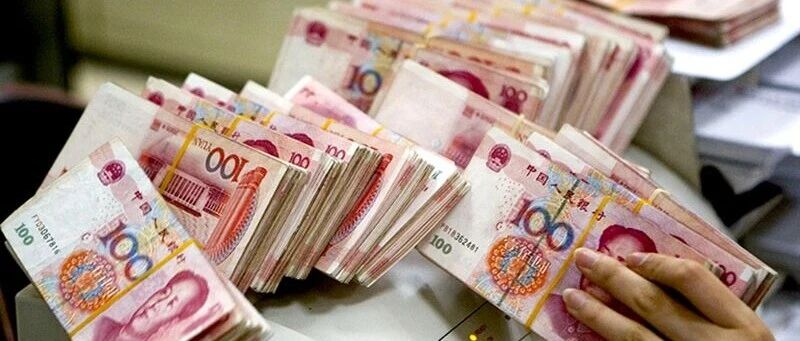
港股异动 | 华宝国际(00336)午后涨超11% 机构指爆珠和HNB薄片海外订单有望快速放量
智通财经网· 2026-03-25 06:34
Core Viewpoint - Huabao International (00336) reported an annual revenue of RMB 3.485 billion, reflecting a year-on-year growth of 3.30%, while gross profit decreased by 1.27% to RMB 1.423 billion, indicating challenges in the domestic market due to regulatory impacts on its tobacco flavoring business [1][1][1] Group 1: Financial Performance - The company's revenue for the year was RMB 3.485 billion, showing a growth of 3.30% compared to the previous year [1] - Gross profit amounted to RMB 1.423 billion, which is a decrease of 1.27% year-on-year [1] Group 2: Market Dynamics - The domestic tobacco flavoring business is experiencing a contraction due to the "self-controllable" policy from China National Tobacco, but this negative impact has been largely anticipated [1] - The company is focusing on overseas capacity expansion, particularly in the production of bead and HNB (Heat Not Burn) products, which are becoming new growth drivers [1] Group 3: Future Outlook - The overseas sales of the bead and HNB product segments are expected to see significant growth in the first half of 2025, contributing to an overall revenue increase [1] - The domestic non-tobacco business is continuing to expand, reducing reliance on major clients, with the subsidiary Huabao Co. projected to return to profitability by 2025 [1] - By 2026, the impact of declining domestic orders is expected to gradually diminish, with rapid growth anticipated in overseas orders for bead and HNB products, driving revenue and profit growth [1]
国泰海通晨报-20260320
GUOTAI HAITONG SECURITIES· 2026-03-20 02:49
Macro Research - The report indicates that tariffs and geopolitical risks continue to disrupt US inflation expectations, with the Federal Reserve's short-term concerns about inflation outweighing worries about stagnation, leading to suppressed rate cut expectations and increased volatility in US stocks and bonds [2][4] - It is anticipated that the rate cut expectations may rise again in the second half of the year, contingent on the stabilization of tariffs and geopolitical risks, as well as the weakening job market [4][5] Overseas Technology Research - Google - Google's search advertising remains strong, with AI enhancing advertising space; the Gemini 3 series is currently leading the market, and the Flash model aids in price competition for consumer-facing products [2][7] - Revenue forecasts for FY2026E-FY2028E have been adjusted to $464.2 billion, $526.6 billion, and $587.4 billion respectively, with GAAP net profits projected at $146.4 billion, $172.2 billion, and $194.0 billion [7] - The report assigns a target price of $383 based on a 32X PE valuation for 2026, maintaining a "buy" rating [7] Real Estate Research - Beike-W - Beike is actively developing non-housing businesses to mitigate cyclical risks, focusing on cost reduction and efficiency improvements while increasing shareholder returns [2][9] - The adjusted net profit forecasts for 2026-2028 are estimated at 5.216 billion, 5.735 billion, and 7.423 billion yuan, with a corresponding reasonable value of 54.08 yuan per share [9][10] - The report highlights the importance of the 3P model in Beike's business, with its share of net income increasing from 11.3% in 2021 to 20.0% in 2025 [10]
英美烟草:新型烟草稳步推进,26年指引双位数增长-20260319
GUOTAI HAITONG SECURITIES· 2026-03-19 05:45
Investment Rating - The investment rating for the company is "Buy" [1] Core Insights - The report indicates that the new tobacco business is progressing steadily, with guidance for double-digit growth in 2026 [2] - The company expects revenue growth of 4% in 2026, followed by 3% in 2027 and 2028, with net profit growth of 6%, 7%, and 5% respectively [8] Financial Summary - Total revenue (in million GBP) is projected as follows: 2024: 25,867; 2025: 25,610; 2026E: 26,634; 2027E: 27,433; 2028E: 28,256, with a year-on-year change of -5%, -1%, 4%, 3%, and 3% respectively [5] - Gross profit is expected to increase from 2,406 in 2024 to 11,906 in 2028 [5] - Net profit is projected to rise from 3,068 in 2024 to 9,246 in 2028, with significant growth in 2025 [5] - The PE ratio is forecasted to decrease from 43.03 in 2024 to 14.28 in 2028, indicating improved valuation [5] Market Performance - The stock has a 52-week price range of $36.35 to $63.22, with a current market capitalization of $132 billion [5] - The report highlights a recovery in the vaping business, with the VUSE brand returning to growth in the second half of 2025 [8] - The company is also focusing on new product launches in the heated tobacco segment, with expectations for improved market performance [8]