电动车

Search documents
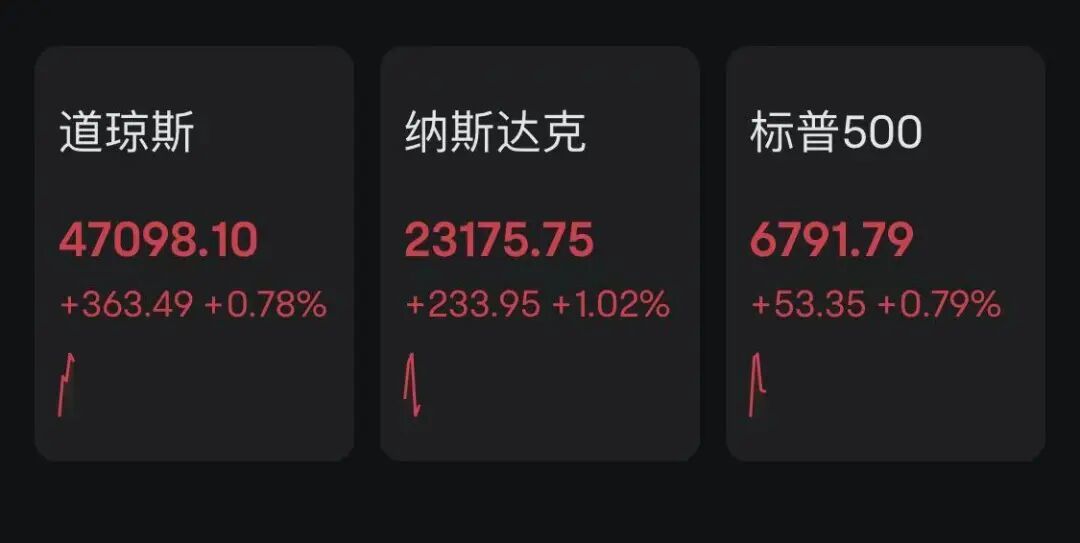
事关降息,全球资产集体爆发
Zheng Quan Shi Bao· 2025-10-24 14:52
值得注意的是,晚间,现货黄金有所拉升,截至发稿突破4100美元,今日一度跌破4050美元。 | < W | | | 伦敦金现 | | | | --- | --- | --- | --- | --- | --- | | | SPTAUUSDOZ.IDC | | | | | | 4109 321 "F2" | | | 4126.490 | 总量 | 0 | | -17.169 -0.42% 开盘 | | | 4126.368 | 现手 | 0 | | 最高价 | 4144.360 持 合 | | 0 | 外 盘 | 0 | | 最低价 | 4043.600 增 | | 0 | 内 盘 | O | | 分时 | モ日 | 日K | 周K 月K | 更多 | (0) | | 昏加 | | | 均价:0.000 | | | | 4209.380 | | | | 2.01% 卖一 4109.521 | | | | | | | 买一 4109.321 | | | | | | | 21:55 4109.290 21:55 4109.400 | 0 0 | | | | | 0.00% | 21:55 4109.327 | 0 ...

江苏发现500千吨大型锶矿有啥用?为啥媒体都炸了?
Sou Hu Cai Jing· 2025-10-24 12:37
Core Insights - The discovery of a large strontium mine in Lishui District, Nanjing, Jiangsu, with an estimated resource of 545.55 thousand tons and an average grade of 48.65%, has significant implications for various high-tech industries [1][18]. Industry Significance - Strontium, while not a rare earth element, plays a crucial role in high-tech sectors such as electric vehicles, semiconductors, military applications, and medical treatments [2][4]. - The United Nations has classified strontium as a "green rare metal," highlighting its importance in advanced manufacturing and technology [4][22]. Resource Distribution - Global strontium resources are concentrated in three main countries: Mexico (20 million tons), China (approximately 15 million tons), and Spain [6]. - Despite China's substantial reserves, challenges exist due to lower ore grades and higher extraction costs compared to countries like Iran, which has high-grade strontium ores [8]. Economic Impact - The new discovery in Jiangsu enhances China's self-sufficiency in strontium, reducing reliance on imports, which totaled 12,000 tons of high-purity strontium carbonate in 2024 at a price of 27,500 yuan per ton [8][12]. - The mining operation's efficiency is expected to improve by 30% due to the simultaneous extraction of multiple metals, including copper and zinc, using a new multi-metal exploration approach [10][12]. Strategic Advantages - The discovery strengthens China's bargaining power in the strontium market, allowing for greater control over supply chains in critical industries [12][20]. - The development of smart mining technologies and sustainable practices is underway, aiming to reduce waste and improve the overall efficiency of strontium extraction [16]. Future Outlook - The strategic importance of strontium is recognized as a key factor in enhancing China's position in the global high-tech supply chain [18][20]. - The recent find is seen as a stepping stone for China's manufacturing sector, positioning the country as a significant player in the global resource competition [20].
九号公司三季度营收净利同步双增 智能两轮电动车出货量再度刷新行业增长纪录
Xin Hua Cai Jing· 2025-10-24 12:35
Core Insights - Ninebot Company reported strong financial performance in Q3 2025, with revenue of 6.65 billion yuan, a year-on-year increase of 56.82%, and a net profit of 550 million yuan, up 45.86% [1] - The company achieved a total revenue of approximately 18.4 billion yuan and a net profit of about 1.79 billion yuan for the first three quarters of 2025 [1] Business Performance - The electric two-wheeler segment remains the standout performer, with sales of 1.4867 million units in Q3, generating revenue of 4.454 billion yuan, a growth of approximately 72% [1] - Cumulative shipments of Ninebot's electric two-wheelers in China surpassed 9 million units, setting a new industry growth record [2] - The flagship smart electric motorcycle M5 series launched on August 26, 2025, sold over 11,292 units within the first four hours, achieving sales exceeding 351 million yuan by October 20, 2025 [2] R&D and Innovation - R&D investment for the first three quarters of 2025 reached 872 million yuan, reflecting a year-on-year increase of 59% [4] - Ninebot has obtained 5,982 global patents and has led or participated in over 110 domestic and international technical standards [4] - The company introduced the NimbleOS, a proprietary operating system designed for two-wheeled short-distance travel, enhancing the integration of various hardware components for improved user experience [4] User Experience and Engagement - Ninebot emphasizes that its product and technology development aims to meet user needs and create a strong emotional connection with users [5] - The company has built a high-engagement platform through its app and community operations, allowing users to participate in discussions and activities [5] - The global user base of Ninebot has exceeded 32 million [6] Future Outlook - Ninebot aims to further explore the smart mobility sector by deepening technological innovation and enhancing user ecosystems, transitioning from merely meeting needs to creating new demands [7]
新日股份(603787.SH)发布前三季度业绩,归母净利润1.16亿元,同比增长39.52%
智通财经网· 2025-10-24 11:50
Core Viewpoint - New Day Co., Ltd. (603787.SH) reported strong financial performance for the first three quarters of 2025, indicating significant growth in revenue and profit metrics [1] Financial Performance - The company achieved a revenue of 3.574 billion yuan, representing a year-on-year increase of 26.27% [1] - The net profit attributable to shareholders reached 116 million yuan, reflecting a year-on-year growth of 39.52% [1] - The net profit after deducting non-recurring items was 101 million yuan, showing a substantial year-on-year increase of 62.50% [1] - Basic earnings per share stood at 0.50 yuan [1]

烯石电车新材料(06128.HK)子公司入股创驰 携手布局全球电动车出口市场
Ge Long Hui· 2025-10-24 09:14
Group 1 - The company, Allied Apex Limited, has invested 18% of the total issued share capital of Chuangchi International New Energy Vehicles Co., Ltd. for a consideration of HKD 1.8 billion, with a total investment not exceeding HKD 5 million [1] - Chuangchi is engaged in exporting electric vehicles to Southeast Asia, the Middle East, Europe, and North America, and has a shareholding structure that includes three other experienced shareholders in the automotive export industry [1] Group 2 - The strategic value of the investment is enhanced by Chuangchi's establishment of a joint venture, Xuzhou Hachi Motorcycle Technology Co., Ltd., in Xuzhou, Jiangsu Province, with a registered capital of RMB 5 million [2] - Hachi will operate a 60,000 square meter production facility designed to produce 100,000 electric vehicles and 50,000 sets of components, expected to commence production in November 2025 [2] - Hachi's business plan for 2026 includes applying for European Economic Community certification and anticipates total revenue exceeding RMB 150 million with a production target of 30,000 electric vehicles [2]
新日股份(603787.SH):第三季度净利润5495.6万元,同比增长66.42%
Ge Long Hui A P P· 2025-10-24 09:11
Core Viewpoint - New日股份 (603787.SH) reported strong financial performance in Q3, with significant year-on-year growth in both revenue and net profit [1] Financial Performance - The company achieved a revenue of 1.389 billion yuan in Q3, representing a year-on-year increase of 24.03% [1] - The net profit attributable to shareholders reached 54.956 million yuan, marking a year-on-year growth of 66.42% [1] - The net profit attributable to shareholders after deducting non-recurring gains and losses was 53.5162 million yuan, reflecting a year-on-year increase of 71.42% [1] - Basic earnings per share stood at 0.24 yuan [1]
烯石电车新材料附属投资创驰国际新能源车辆18%股权
Zhi Tong Cai Jing· 2025-10-24 09:02
Group 1 - The company, 烯石电车新材料, announced an investment of 18% in 创驰国际新能源车辆有限公司 for 1.8 million HKD, with a total investment not exceeding 5 million HKD [1] - 创驰 is a Hong Kong registered company focused on exporting electric vehicles to Southeast Asia, the Middle East, Europe, and North America [1] - After the investment, the shareholding structure of 创驰 includes Allied Apex with 18%, three other shareholders with 40%, 30%, and 12% respectively, all of whom have extensive experience in the automotive export industry [1] Group 2 - The establishment of 哈驰摩托车科技有限公司 in Xuzhou, Jiangsu Province, enhances the strategic value of the investment, with a registered capital of 5 million RMB [2] - 哈驰 will operate a 60,000 square meter production facility designed to produce 100,000 electric vehicles and 50,000 sets of components, expected to commence production in November 2025 [2] - The projected revenue for 哈驰 in 2026 is expected to exceed 150 million RMB, with a production target of 30,000 electric vehicles, and the facility is anticipated to reach full capacity by 2028 [2]
新日股份:2025年前三季度净利润约1.16亿元
Mei Ri Jing Ji Xin Wen· 2025-10-24 08:40
Company Performance - New Day Co., Ltd. reported a revenue of approximately 3.574 billion yuan for the first three quarters of 2025, representing a year-on-year increase of 26.27% [1] - The net profit attributable to shareholders of the listed company was approximately 116 million yuan, reflecting a year-on-year increase of 39.52% [1] - Basic earnings per share reached 0.5 yuan, which is a year-on-year increase of 38.89% [1] Market Overview - As of the report, New Day Co., Ltd. has a market capitalization of 2.9 billion yuan [2]
新日股份:第三季度净利润同比增长66.42%
Zheng Quan Shi Bao Wang· 2025-10-24 08:33
人民财讯10月24日电,新日股份(603787)10月24日发布2025年三季报,公司第三季度营业收入13.89 亿元,同比增长24.03%;净利润5495.6万元,同比增长66.42%。2025年前三季度营业收入35.74亿元, 同比增长26.27%;净利润1.16亿元,同比增长39.52%;基本每股收益0.5元。业绩变动主要系本期销售 规模扩大带动综合经营性收益增长。 ...
狂野小电驴,中国特色的改装文化
3 6 Ke· 2025-10-24 04:05
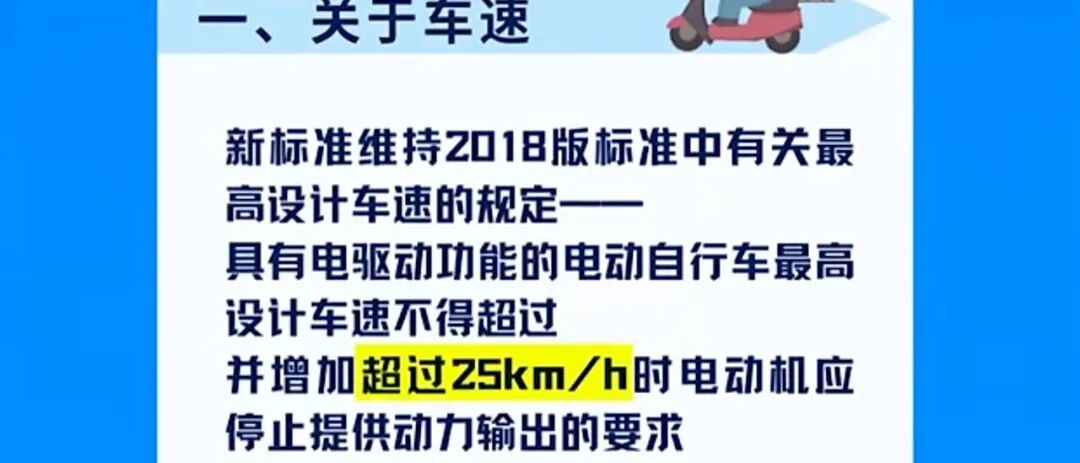
Core Insights - The article discusses the rapid evolution of electric bicycle modifications in China, highlighting the cultural shift from basic speed enhancements to more elaborate and creative customizations [1][11][12] - It emphasizes the growing popularity of electric bike racing events, particularly in cities like Nanning, which reflects a burgeoning subculture around modified electric bikes [6][11] - The article notes that a significant portion of electric bike users, particularly delivery workers, are increasingly viewing their vehicles as a means of personal expression rather than just transportation [6][11][12] Industry Trends - The new national standards for electric bicycles restrict speeds over 25 km/h, leading to a surge in modifications that push these limits, with some bikes reportedly reaching speeds of 200 km/h [1][3] - The market for modified electric bikes is expanding, with an estimated 45% of users considering modifications, indicating a strong trend towards personalization and performance enhancement [11] - The modification culture is becoming more inclusive, appealing to a wide demographic beyond affluent individuals, with modifications ranging from aesthetic changes to performance upgrades [6][12] Consumer Behavior - Consumers are increasingly willing to invest significant amounts in modifications, with some spending upwards of 60,000 yuan, comparable to the price of a new car, to customize their electric bikes [12][14] - The trend is characterized by a desire for unique and personalized vehicles, with modifications reflecting individual tastes and lifestyles, from retro styles to futuristic designs [12][14] - The rise of brands like Niu and Ninebot is indicative of a competitive landscape where companies are catering to the modification market, with Niu being seen as an entry-level option and Ninebot appealing to more serious enthusiasts [12][14]