
生态保护

Search documents
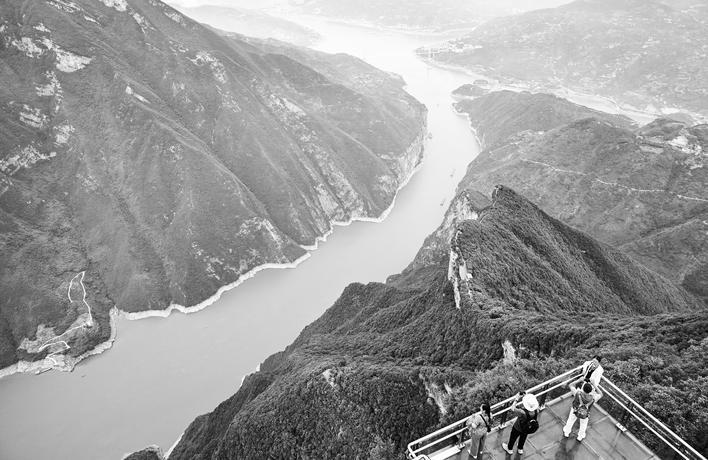
重庆:修复“生态廊道” 打造文旅新场景新地标
Xin Lang Cai Jing· 2026-01-07 23:22
Core Viewpoint - Chongqing is taking significant steps to protect and restore the ecological environment of the Yangtze River, enhancing both tourism and local quality of life through ecological restoration efforts [3] Group 1: Ecological Protection and Restoration - Chongqing is positioned as the last ecological barrier in the upper reaches of the Yangtze River, emphasizing the importance of environmental protection [3] - The city has prioritized the restoration of the Yangtze River's ecological environment, implementing strict pollution control measures to improve water quality and air quality [3] - Efforts in ecological restoration have led to the creation of numerous new cultural and tourism landmarks, stimulating new vitality in the integration of culture and tourism [3] Group 2: Impact on Local Community - The initiatives have effectively enhanced the happiness, sense of gain, and quality of life for local residents [3] - The ecological corridor function along the riverbanks has been strengthened, contributing to the overall environmental health of the region [3]

江苏“十四五”累计建成幸福河湖4762条
Yang Zi Wan Bao Wang· 2026-01-07 05:07
Core Insights - Jiangsu Province is advancing the construction of a beautiful Jiangsu as part of its "14th Five-Year Plan" with a focus on ecological and water resource management [1][2] Group 1: Water Resource Management - Since the beginning of 2023, Jiangsu has implemented a management mechanism involving 36 responsibility lists for provincial river and lake chiefs, enhancing accountability and addressing key water management issues [1] - The total water consumption in Jiangsu has been controlled within 62 billion cubic meters, with water usage per unit of GDP decreasing by approximately 22% compared to 2020, surpassing the national target of 17% [2] - Jiangsu has achieved "11 consecutive excellent" ratings in the strictest water resource management assessments by the State Council, making it the only province to do so [2] Group 2: Ecological Achievements - The province has constructed 45,100 kilometers of rural ecological waterways, exceeding the targets set in the "14th Five-Year Plan" [2] - Jiangsu has effectively managed soil erosion over an area of 833 square kilometers, achieving a soil conservation rate of 97.96%, ranking first among provinces [2] - A total of 4,762 "happy rivers and lakes" have been established, with several projects recognized as national demonstration projects, showcasing the unique charm of Jiangnan water culture [2] Group 3: Future Focus - The Jiangsu water resources system will continue to strengthen the river and lake chief system, deepen the management of the "three lists" mechanism, and promote collaborative governance [2] - The province aims to enhance the efficiency of river and lake governance and protection, focusing on resource conservation and sustainable development [2]
退耕还林还草“还”来绿意盎然美丽四川
Si Chuan Ri Bao· 2026-01-06 07:00
Core Viewpoint - The 20-year implementation of the "Returning Farmland to Forests and Grasslands" initiative in Sichuan has significantly improved ecological conditions and contributed to rural agricultural transformation, enhancing both ecological protection and farmers' income [9][15][16]. Group 1: Historical Context and Implementation - In 1998, Sichuan identified itself as a major source of sediment for the Yangtze River and initiated the "Returning Farmland to Forests and Grasslands" pilot program in 1999 to combat ecological degradation [10][11]. - The program involved halting farming on 3 million acres of sloped farmland across 120 counties, marking a significant shift towards ecological restoration [11][12]. - Sichuan established a comprehensive management system for the initiative, including a leadership group and a multi-departmental approach to ensure effective implementation [12][13]. Group 2: Achievements and Impact - Over 20 years, Sichuan has converted nearly 4 million acres of sloped farmland into forests, with a total investment of 558.66 billion yuan benefiting 23.236 million agricultural residents [13][15]. - The forest coverage in Sichuan has increased by over 4 percentage points, and the water conservation capacity has improved significantly, with 58.25 billion cubic meters of water being conserved annually [15][16]. - The initiative has also led to a reduction of 46% in sediment content flowing into the Yangtze River compared to 1998, showcasing its effectiveness in ecological restoration [15]. Group 3: Socioeconomic Benefits - The program has provided an average subsidy of 6,700 yuan per household to participating farmers, helping 237,000 impoverished individuals to improve their economic status [16]. - The initiative has fostered the development of new industries and economic activities related to forestry, with approximately 30 million acres of forestry and grassland industrial parks established [16][25]. - The shift in agricultural practices and the promotion of ecological awareness among farmers have transformed the social landscape, making ecological conservation a community norm [17][26]. Group 4: Future Directions - Sichuan continues to explore new models for ecological protection and restoration, aiming to enhance the ecological security of the Yangtze and Yellow River basins [19][24]. - The province is committed to integrating ecological construction with economic development, ensuring that ecological advantages translate into economic benefits [26].
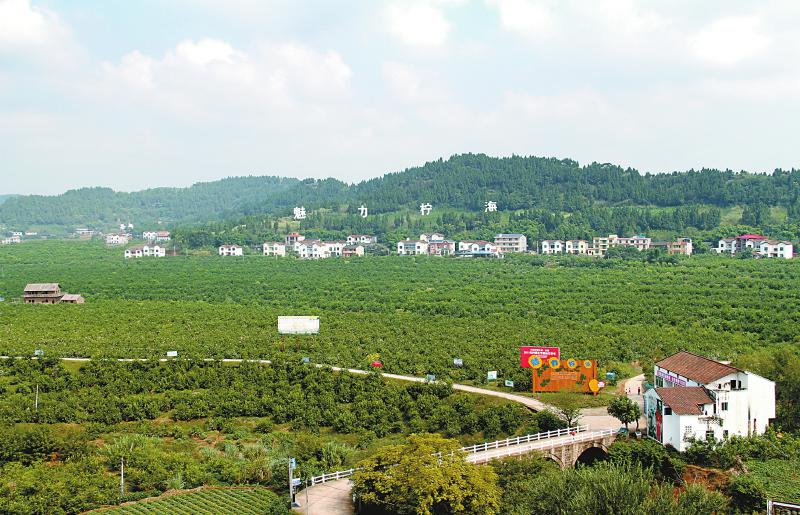
十年来,长江经济带创新动能更强劲
Ke Ji Ri Bao· 2026-01-06 01:51
Core Insights - The development of the Yangtze River Economic Belt is a major regional strategy personally planned, deployed, and promoted by General Secretary Xi Jinping, focusing on ecological protection and sustainable development [1] Environmental Protection - The proportion of water quality in categories I-III in the Yangtze River Economic Belt has increased from 67% in 2015 to 96.5% now, a rise of nearly 30 percentage points, with the main stream maintaining Class II water quality for six consecutive years [2] - The total phosphorus concentration in the Yangtze River basin has decreased by over 40% compared to ten years ago, and over 90% of black and odorous water bodies in county-level cities have been eliminated [2] Industrial Development - The Yangtze River Economic Belt is a crucial area for industrial aggregation, with 30 strategic emerging industry clusters cultivated, accounting for 45% of the national total [3] - The region contributes nearly half of the national GDP while accounting for about one-third of energy consumption and carbon emissions, emphasizing its role in green development [3] Transportation Infrastructure - The high-grade waterway mileage in the Yangtze River system has reached 11,500 kilometers, allowing for significant improvements in shipping capabilities [4] - By 2025, the port throughput along the Yangtze River is expected to reach 4.2 billion tons, with the number of major ports increasing to 18, reflecting substantial growth since 2015 [5]
青海省瓦里关全球大气本底站保护若干规定
Xin Lang Cai Jing· 2026-01-05 18:44
Core Points - The regulations aim to enhance the protection of meteorological facilities and the environment surrounding global atmospheric baseline stations to ensure the representativeness, accuracy, continuity, and comparability of meteorological data [1][2] - The provincial meteorological authority is designated as the administrative body responsible for the protection of these stations, with specific responsibilities outlined for various government departments [2][4] - The regulations establish a framework for monitoring, reporting, and addressing any damage to meteorological facilities, including emergency response measures [4][5] Group 1 - The regulations apply to the protection activities of meteorological facilities at global atmospheric baseline stations, which are defined as long-term observation sites for atmospheric composition and related characteristics [1][2] - The provincial government is required to delineate the protection areas for these stations and incorporate them into land use planning [1][2] - Various government departments are tasked with responsibilities related to the protection of meteorological facilities, ensuring a coordinated approach to environmental protection [2][3] Group 2 - The provincial meteorological authority must establish boundary markers for the protection areas and publicly disclose the geographical locations of these stations [3][4] - Any actions that damage or alter the boundary markers are prohibited, and there are penalties for violations [4][7] - The regulations emphasize the importance of public awareness and education regarding the protection of meteorological facilities [5][6] Group 3 - The provincial meteorological authority is responsible for monitoring the environmental conditions around the stations and utilizing technology for early warning systems [4][6] - There are provisions for compensation for individuals or organizations whose rights are harmed due to the protection of the meteorological environment [5][6] - The regulations also address international cooperation in meteorological activities, ensuring compliance with national security laws [6][7] Group 4 - A system for tracking and evaluating the application of meteorological technology and data is to be established to support national strategies and local economic development [6][7] - The regulations will take effect on February 1, 2026, marking a significant step in the governance of meteorological facilities [8]
47.3%、42亿吨、96.5% 一组数据梳理长江经济带发展“多点开花”
Yang Shi Wang· 2026-01-05 12:51
Core Insights - The Yangtze River Economic Belt, covering 11 provinces and cities, contributes over 40% of the national population and GDP, representing a vital economic area for China [1] Group 1: Economic Growth - The GDP of the Yangtze River Economic Belt has more than doubled over the past decade, increasing its share of the national GDP from 42.2% to 47.3% [3] - Per capita disposable income in the region rose from 23,000 yuan to 44,000 yuan, marking a 91% increase [3] Group 2: Transportation Development - The length of high-grade navigable waterways in the Yangtze River system increased from 8,000 kilometers to 11,000 kilometers over the past decade [5] - The cargo throughput at the main ports along the Yangtze River grew by 71%, reaching 4.2 billion tons, maintaining its position as the world's leading inland river in terms of cargo throughput [5] Group 3: Environmental Protection - The proportion of Class I to III water quality in the Yangtze River Economic Belt improved from 67% in 2015 to 96.5%, an increase of nearly 30 percentage points [7] - The water quality of the main stem of the Yangtze River improved from some sections being Class V to the entire river being classified as Class II [7]
让每个“小家”热气腾腾
Liao Ning Ri Bao· 2026-01-02 00:34
Group 1 - The New Year message emphasizes the importance of improving people's livelihoods and addressing urgent issues faced by the community, encouraging local leaders to focus on practical solutions for residents [1][2][3] - Community initiatives, such as the "雷锋代办站" in Fushun, have successfully served nearly 400 residents in 2025, highlighting the commitment to enhancing local services and support for vulnerable populations [2] - The establishment of the first bio-chemical industrial park in Liaoning, with a total investment of 32 billion, signifies a step towards high-quality development and innovation in the region [4][5] Group 2 - The agricultural sector is increasingly adopting smart technologies, such as unmanned vehicles and drones, to improve efficiency and yield, reflecting a trend towards modernization in farming practices [5] - The high-speed rail industry relies on skilled technicians, with a focus on precision and innovation to ensure safety and reliability, indicating the critical role of human capital in infrastructure development [6] - The transformation of local economies through tourism and agricultural development, as seen in the revitalization of villages like Zhujiagou, showcases the potential for rural areas to thrive through targeted investments and community efforts [8][9]
我省四地获评2025年生态文明建设示范区
Xin Lang Cai Jing· 2026-01-01 21:51
(来源:河北日报) 转自:河北日报 我省四地获评2025年生态文明建设示范区 本报讯(记者马朝丽)2025年12月25日,我省石家庄市平山县、唐山市遵化市、邯郸市复兴区、保定市 涞水县被生态环境部命名为2025年生态文明建设示范区。至此,全省共有14个地区入选生态文明建设示 范区。 近年来,平山县不断加大自然生态系统和环境的保护力度,大力推进绿色发展、循环发展、低碳发展。 强力推进重点产业转型升级,在县域内全面推广低能耗超低排放技术,重点企业全部实现超低排放;构 建全域旅游新格局,重点打造西柏坡红色文化、温塘温泉康养、驼梁山水休闲旅游板块,以50公里精品 观摩线路串联三大片区旅游新业态与公共服务项目,辐射带动王坡黄金寨、大吾生态谷等重点片区,实 现经济、社会和生态效益共赢。 遵化市坚持生态优先,全力打好大气污染防治攻坚战,持续优化产业结构,深入推进山水林田湖草综合 整治,生态持续向好,荣获全国绿化模范市、全国经济林产业示范市等称号。这里历史文脉悠长,当地 大力推动生态、文旅互促融合,不断提升国家5A级旅游景区清东陵影响力,金融街古泉小镇建成投 运,山里各庄火爆出圈,遵化市成为京津康养休闲首选目的地之一,跻身最 ...
山东解锁“点绿成金”密码
Zhong Guo Xin Wen Wang· 2026-01-01 06:12
岁末寒冬,在山东东营黄河三角洲湿地,万鸟翔集的"鸟浪"与静谧入海的黄河交织成景。摄影爱好 者李延庆按下快门,将这一幕定格,"几年前来拍照,偶尔还会遇到雾霾、枯水。现在这里是'蓝天常 在、候鸟为伴',镜头里的山东越来越上镜"。在他的镜头中,不仅记录下光影变幻,更见证了山东"十 四五"时期生态环境的蝶变。 "鸢都"潍坊建成全国首个"零碳港口","煤城"枣庄千亩塌陷区变良田,"泉城"济南精细管控道路扬 尘,烟台推进美丽海湾扩面增长……"十四五"以来,山东推动高颜值生态与高质量发展同频共振,交出 一份"含绿量"十足的答卷。 "减法"攻坚:从"雾锁楼台"到"常态蓝天" "记得2020年初,天空还像蒙了一层灰纱。现在站在阳台上就能清晰拍到海岸线。"谈及空气质量变 化,日照市生态环境局岚山分局大气科科长杨恩说,岚山区是山东4000万吨钢铁产能的承载区,辖区内 橡塑、木材加工等传统企业数量众多,持续巩固空气质量改善成果难度极大。 近年来,依托空气质量监测网络和智慧管控平台,岚山区严格监管工业源、移动源和扬尘源污染, 对钢铁、石化、港口等行业开展深度治理。该区环境空气质量综合指数、PM2.5、PM10等指标连续四 年稳定达到国 ...
青海十四五生态产业民生三突破,筑牢中华水塔激活发展动能
Xin Lang Cai Jing· 2025-12-31 08:33
Group 1: Ecological Protection - Qinghai, known as the "Water Tower of China," emphasizes ecological value, with over 17,000 herders becoming ecological guardians [1] - The province contributes over 60 billion cubic meters of water annually, enhancing its ecological significance [1] - The construction of national parks, including the Sanjiangyuan National Park and the Qilian Mountain National Park, is progressing steadily [1] Group 2: Industrial Transformation - Qinghai is leveraging its salt lake resources for lithium extraction and magnesium chloride dehydration, supporting China's food security and new energy development [2] - The province has installed 73 million kilowatts of clean energy, providing green electricity to 22 provinces and regions [2] - Qinghai is recognized as an international eco-tourism destination, with its natural beauty attracting global attention [2] Group 3: Improvement in Livelihoods - During the 14th Five-Year Plan, Qinghai's economic output is expected to exceed 400 billion yuan, with urban and rural income growth outpacing economic growth [2] - The province has made significant progress in poverty alleviation, healthcare, and education, enhancing the well-being of its residents [2] - Eight major industries are contributing to improved living conditions, fostering a sense of community and happiness among diverse populations [2]