
中医药

Search documents
科学与健康丨AI赋能!2025年服贸会数智医疗有温度
Xin Hua Wang· 2025-09-13 12:21
Core Insights - The 2025 Service Trade Fair showcased innovative healthcare solutions, including AI-assisted self-diagnosis rooms and wearable devices for real-time health monitoring, highlighting the integration of technology in healthcare [2][5]. Group 1: AI and Technology in Healthcare - AI self-diagnosis rooms and facial expression analysis systems were featured, demonstrating advancements in digital healthcare [2]. - The "AI consultation" platform from the China Academy of Chinese Medical Sciences offers a comprehensive self-service experience, enhancing patient interaction with healthcare services [3]. - A new generation of surgical robots, including a microwave water knife and AI catheter shaping robots, was introduced, addressing common challenges in minimally invasive surgeries [6][8]. Group 2: Traditional Chinese Medicine and Innovation - The integration of traditional Chinese medicine with technology was evident, with devices like a small-scale meridian conditioning robot for treating tension-type headaches [3]. - The "Gongyi·Qizhi" large model project aims to create a smart brain for traditional Chinese medicine, enhancing the efficiency of healthcare delivery [3][5]. Group 3: Pediatric Health Solutions - The fair highlighted intelligent solutions for children's health, including AI-powered eye screening devices that assist local doctors in providing quality care [9]. - A companion robot designed for children with high-functioning autism offers interactive assessments and training, supporting early diagnosis and rehabilitation [11].

2025服贸会|AI机器人、大模型赋能,北京数字中医药应用“多点开花”
Bei Jing Shang Bao· 2025-09-13 11:28
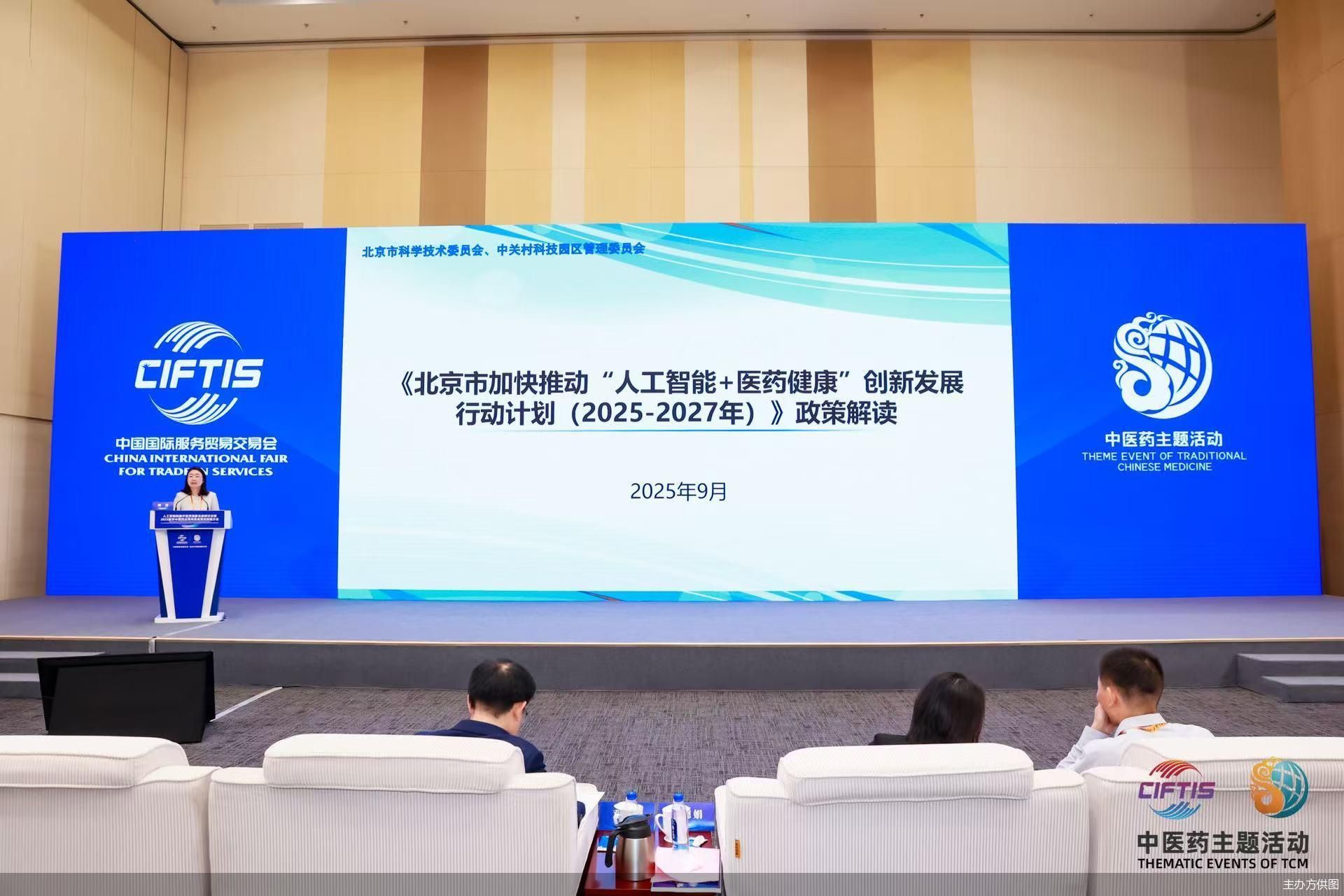
Core Insights - The event "Artificial Intelligence Empowering Traditional Chinese Medicine Innovation Development Seminar and 2025 Digital TCM Application Scenario Case Promotion Conference" showcased Beijing's latest achievements in the "AI + TCM" field, highlighting the integration of AI technologies in traditional medicine practices [2][3] - The Beijing Municipal Science and Technology Commission and other departments released the "Beijing Action Plan for Accelerating the Innovation and Development of 'AI + Health' (2025-2027)", aiming to establish an internationally influential innovation hub for AI and health by 2027 [2] - The plan emphasizes the creation of an industrial ecosystem that combines innovation and application in the AI and health sectors, with a focus on high-quality development and practical applications of digital TCM [2][4] Group 1 - The conference promoted innovative and practical digital TCM cases, covering diverse scenarios such as intelligent diagnosis, health management, precise research on traditional Chinese medicine, and AI medical assistants [3] - Beijing has been actively selecting digital TCM cases and promoting the implementation of innovative scenarios, which has led to improved quality and efficiency in digital TCM outcomes [4] - The establishment of a "platform matrix" in Beijing aims to consolidate the innovation efforts in digital TCM, including the formation of a digital health industry community and key laboratories focusing on chronic disease prevention and smart acupuncture [4] Group 2 - The Beijing Municipal Administration of Traditional Chinese Medicine plans to deepen collaboration among government, industry, academia, research, medical, and financial sectors to support the development of a robust digital TCM ecosystem [5] - The integration of AI in clinical applications, such as AI robots for diagnosis and treatment, and the development of a comprehensive TCM service capability through knowledge graphs, are key components of the digital TCM landscape [4]

岐黄“智”造全球圈粉!服贸会里的中医药“变形记”
Bei Jing Shang Bao· 2025-09-13 10:25
Core Viewpoint - The 2025 China International Service Trade Fair (CIFTIS) showcased the integration of traditional Chinese medicine (TCM) with advanced technologies such as artificial intelligence, big data, and the Internet of Things, highlighting a transformative approach to health services that encompasses prevention, treatment, and rehabilitation [1][5]. Group 1: Technological Innovations in TCM - The fair featured numerous TCM institutions, with a focus on digital transformation, including AI-assisted diagnostic tools and smart manufacturing for precise extraction of herbal formulas [1][2]. - The China Academy of Chinese Medical Sciences presented AI robots capable of performing the four diagnostic methods of TCM, enhancing the interaction between patients and technology [2]. - The SY-3 digital TCM treatment robot, developed by Zhongke Shangyi, utilizes AI for rapid meridian path planning and precise treatment, showcasing the modernization of TCM practices [3]. Group 2: Internationalization of TCM - The digital innovations are propelling TCM products and services to international markets, gaining broader recognition globally [5]. - Renowned companies like Tongrentang are actively registering products like the An Gong Niu Huang Wan in countries such as Cambodia and Vietnam, indicating a strategic push for international market entry [6]. - The release of the Arabic version of the "Chinese Medicinal Material Identification Atlas" marks a significant milestone in TCM's outreach to the Arab world, enhancing collaboration in the field [6][7]. Group 3: Standardization and Cultural Exchange - The fair introduced the "Acupuncture and Massage Meridian Points Atlas" for African populations, establishing a new paradigm for standardizing TCM practices while adapting to local characteristics [7]. - Various international cooperation agreements were signed, including strategic partnerships in TCM between Chinese and French institutions, promoting cross-border collaboration [6][7]. - The event also featured activities that promote TCM culture, such as the "24 Solar Terms Health Check-in," which aims to engage a global audience in TCM practices [7].

2025服贸会|岐黄“智”造全球圈粉!服贸会里的中医药“变形记”
Bei Jing Shang Bao· 2025-09-13 09:58
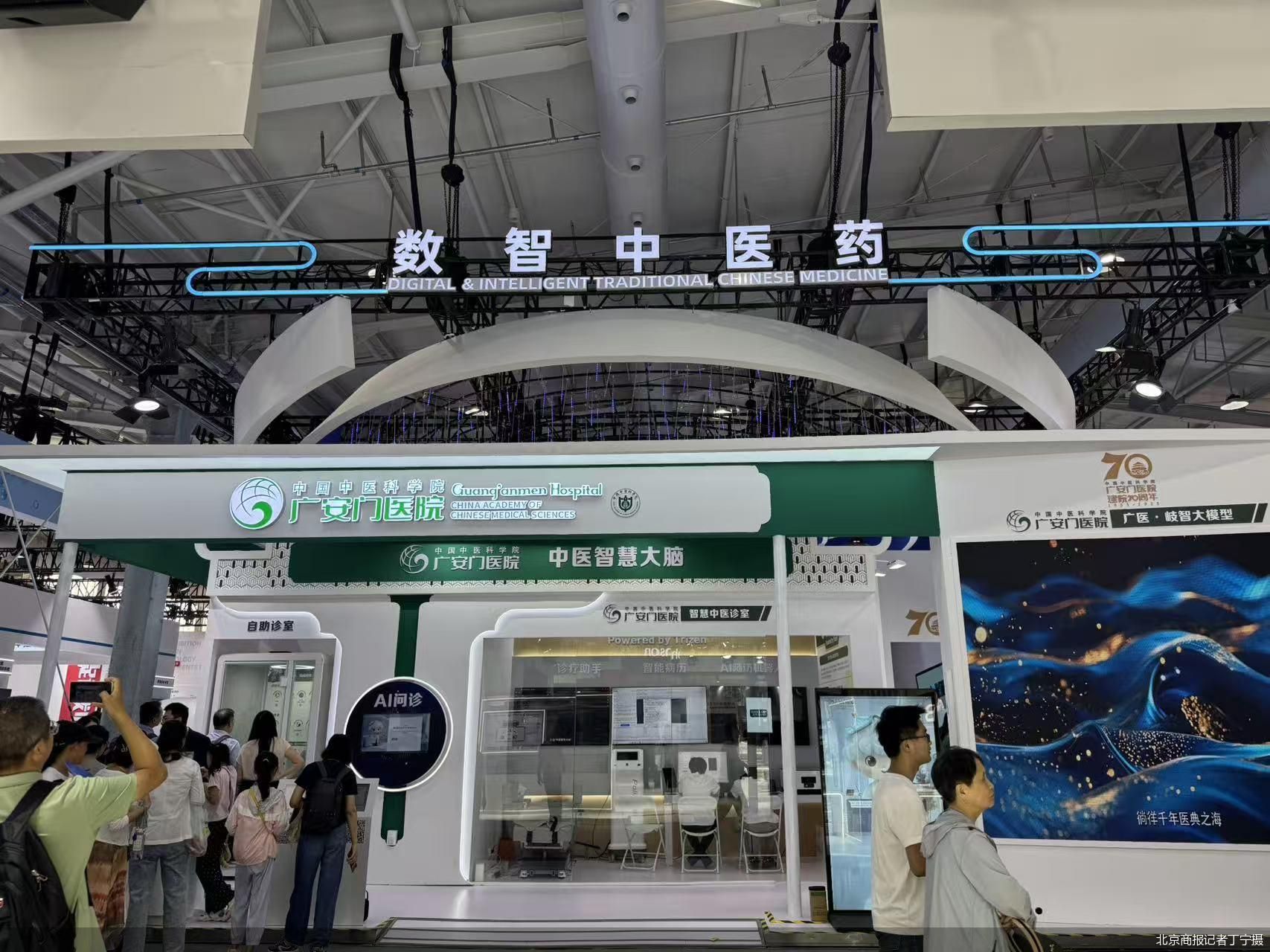
Core Viewpoint - The 2025 China International Fair for Trade in Services (CIFTIS) highlighted the integration of traditional Chinese medicine (TCM) with advanced technologies such as artificial intelligence, big data, and the Internet of Things, showcasing a new vitality in the TCM industry and providing a "Chinese solution" to global health issues [2][8]. Group 1: TCM Innovations and Technology Integration - The fair featured a dedicated TCM theme with numerous representative institutions showcasing innovations across the entire industry chain [2]. - AI-assisted TCM diagnostics were demonstrated, enabling digitalized "four examinations" (observation, listening, inquiry, and pulse-taking) and precise extraction of herbal formulas through smart manufacturing [2][3]. - The China Academy of Chinese Medical Sciences presented AI robots for TCM diagnosis, allowing real-time interaction with users to experience AI applications in TCM [3][4]. Group 2: AI and Smart Healthcare Solutions - The TCM AI robots utilize advanced technologies such as intelligent voice interaction and imaging analysis to assist in diagnosis and treatment plans [4]. - The Guang'anmen Hospital showcased a smart TCM consultation room with an AI assistant that streamlines patient interactions and documentation, significantly reducing the time required for doctors to complete medical records [5]. - The "Guangyi·Qizhi" model, a comprehensive AI training system for TCM, was introduced to address ambiguities in TCM terminology [5]. Group 3: Internationalization of TCM - The fair accelerated the internationalization of TCM, with products like the "An Gong Niu Huang Wan" being registered in countries such as Cambodia and Vietnam [6]. - The Arabic version of the "Chinese Medicinal Material Identification Atlas" was launched, marking a significant milestone in TCM cooperation with the Arab world [6]. - Strategic cooperation agreements in the TCM field were signed between various international entities, enhancing global collaboration [6]. Group 4: Standardization and Cultural Exchange - The fair introduced the first African edition of the "Acupuncture and Massage Meridian Points Atlas," tailored to the anatomical and physiological characteristics of African populations [7]. - International standards for TCM practices were released, promoting standardized output and local adaptation [7]. - The event featured activities that highlighted traditional Chinese health practices, fostering cultural exchange and awareness [7][8].
2025中国中医药50人峰会(北京)秋季论坛召开,助力中医药行业与数智科技深度融合
Bei Jing Shang Bao· 2025-09-13 09:40
Core Viewpoint - The Chinese traditional medicine industry is undergoing unprecedented transformation, necessitating a shift towards digitalization to enhance supply capabilities and lead the industry into a new application era [1] Industry Development - The 2025 China Traditional Medicine 50-Person Summit was held on September 13 during the 2025 China International Service Trade Fair, marking its third consecutive year at the event [1] - The National Administration of Traditional Chinese Medicine, in collaboration with the National Data Bureau, released guidelines in 2024 to promote the development of digital traditional medicine, establishing "digital traditional medicine" as a national strategic goal [1] Forum Objectives - The forum focused on industry development needs and cutting-edge advancements, themed "Digital Technology and the Future of Traditional Medicine," aiming to facilitate deep integration between traditional medicine and digital technology [1] - The goal is to accelerate the digital transformation of the traditional medicine industry, fostering new momentum and advantages for its development [1] Strategic Collaborations - The Beijing Shouchuang Traditional Medicine Development Foundation, Beijing Traditional Medicine Association, China Medicinal Cuisine Research Association, and Guangzhou Pharmaceutical Group signed a framework agreement for strategic cooperation in areas such as food-medicine integration and special medical foods [1] - These organizations will leverage their strengths to promote the development of public welfare in traditional medicine through collaborative construction and research platform initiatives [1] - A project was signed between the Xiyuan Hospital of the China Academy of Chinese Medical Sciences and Tianjin Baoheng Biotechnology Co., focusing on a fermented beverage to alleviate visual fatigue, exemplifying successful transformation in food-medicine integration projects [1]
2025服贸会|2025中国中医药50人峰会(北京)秋季论坛召开,助力中医药行业与数智科技深度融合
Bei Jing Shang Bao· 2025-09-13 09:38
Group 1 - The 2025 China Traditional Chinese Medicine (TCM) 50-Person Summit was held on September 13 during the 2025 China International Fair for Trade in Services, marking its third consecutive year at the event [1] - The TCM industry is undergoing an unprecedented transformation, necessitating a shift towards digital intelligence to enhance supply capabilities and lead TCM into a new application era [1] - The National Administration of Traditional Chinese Medicine, in collaboration with the National Data Bureau, released opinions in 2024 to promote the development of digital TCM, establishing the creation of a "Digital Intelligent TCM" system as a national strategic goal [1] Group 2 - A framework agreement was signed among Beijing Shouchuang TCM Development Foundation, Beijing TCM Association, China Medicinal Food Research Association, and Guangzhou Pharmaceutical Group to collaborate in the fields of food-medicine integration and special medical foods [2] - The collaboration aims to leverage each party's strengths to advance the construction and research platform in the food-medicine integration and special medical food sectors, promoting the development of TCM public welfare [2] - A signing project was completed between the China Academy of Chinese Medical Sciences Xiyuan Hospital and Tianjin Baoheng Biotechnology Co., focusing on a fermented beverage to assist in alleviating visual fatigue, representing a successful transformation of food-medicine integration projects [2]
从服贸会看中国经济新亮点:中医药服务贸易加速,全球共享健康愿景照进现实
Zhong Guo Jing Ji Wang· 2025-09-13 06:49
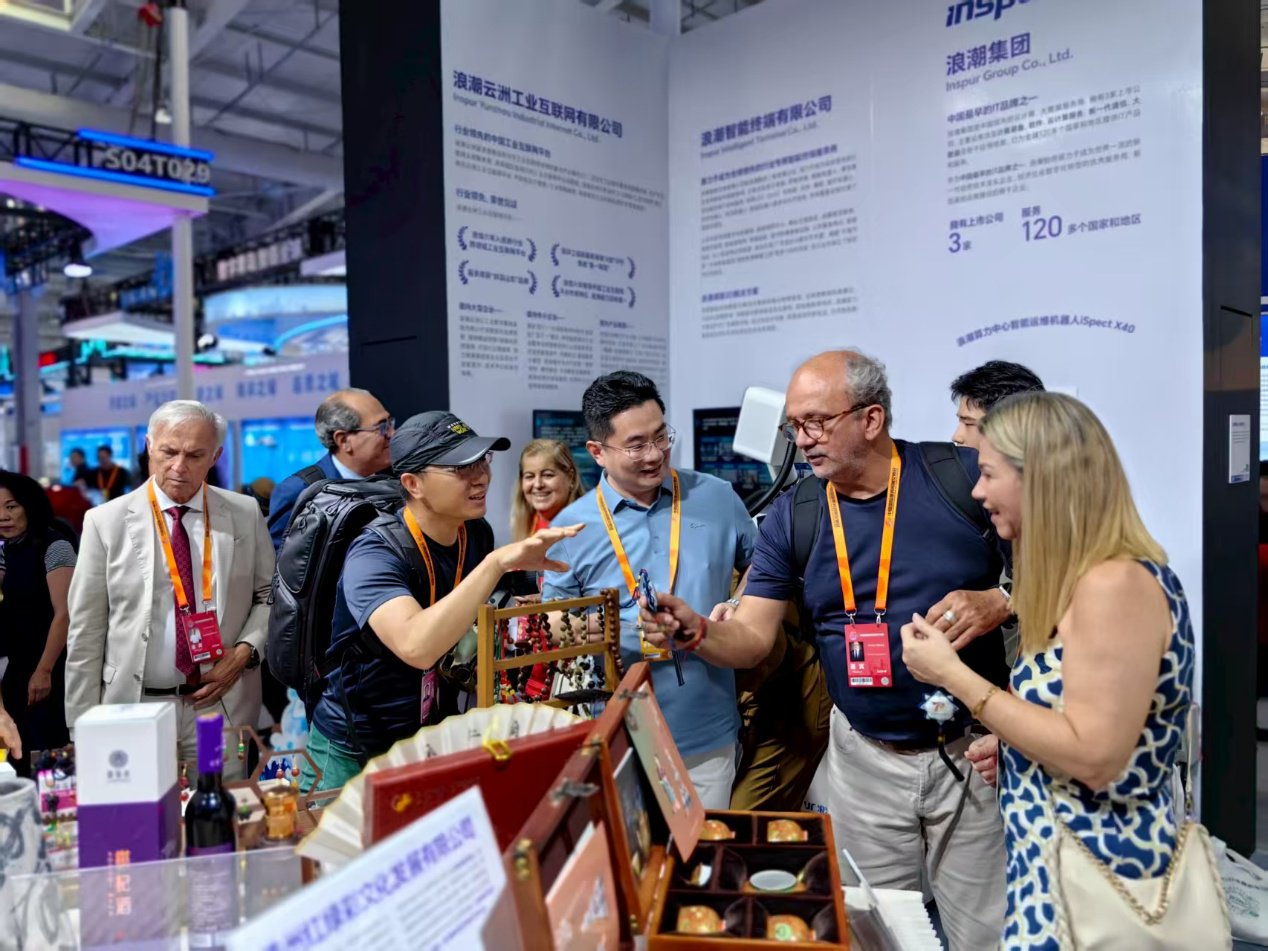
Core Viewpoint - The international recognition and acceptance of Traditional Chinese Medicine (TCM) are increasing, presenting significant opportunities for TCM service trade globally [1][3]. Group 1: International Expansion of TCM - TCM has spread to over 190 countries and regions and is included in 16 free trade agreements, with 30 high-quality overseas TCM centers established [1]. - The international cooperation forum during the 2025 China International Service Trade Fair highlighted the growing interest in TCM, particularly from foreign delegations such as Brazil [3][6]. Group 2: Cultural Promotion and Modernization - TCM is being modernized and integrated into daily life, with products like TCM tea, herbal bracelets, and wellness items gaining popularity among both locals and foreigners [3]. - The initiative "岐黄无疆" aims to promote TCM culture globally, enhancing the narrative of Chinese culture through modernized TCM practices [3]. Group 3: Practical Outcomes of TCM Service Trade - Several international cooperation agreements were signed at the trade fair, including a memorandum with the Brazilian Herbal Medicine Academy to promote TCM training and practices in South America [6]. - The China Academy of Chinese Medical Sciences has been actively involved in international training programs, having trained over 3,000 officials and professionals from nearly 100 countries [6]. Group 4: Product Registration and Global Reach - Renowned TCM company Tong Ren Tang has made significant strides in international cooperation, including the registration of its products in various countries and establishing over 160 retail outlets globally [9][10]. - The trend of registering TCM products in international markets, including Europe and Southeast Asia, is on the rise, with increasing recognition of both medicinal and dietary supplement products [10].
上半年长沙服务贸易总额24.51亿美元,同比增长20.56%
Chang Sha Wan Bao· 2025-09-12 02:22
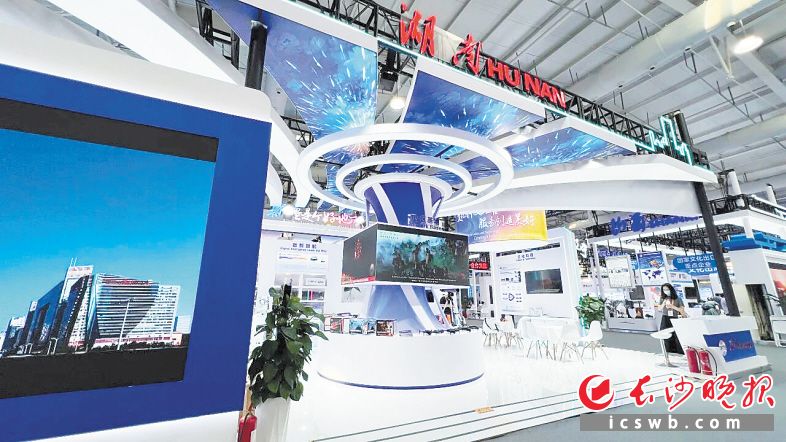
Group 1 - The 2025 China International Service Trade Fair is held in Beijing from September 10 to 14, showcasing nearly 40 enterprises from Changsha, highlighting the city's service trade capabilities [3] - The Hunan Pavilion, covering 100 square meters, features interactive multimedia, digital navigation, and innovative non-heritage displays, attracting attention [3] - Key exhibitors include Wanxing Technology and Caohua Interactive, demonstrating strengths in digital creativity and game development, while Hunan Provincial Malanshan Audio-Video Laboratory showcases comprehensive audio-video technology [3][6] Group 2 - The fair is focused on the theme "Digital Navigation, Service Trade Renewal," featuring six types of activities including global service trade summits, exhibitions, forums, and promotional events [3] - A total of 85 countries and international organizations participate, with nearly 2,000 enterprises exhibiting, including around 500 Fortune 500 and industry-leading companies [3] - During the 14th Five-Year Plan period, China's service trade scale surpassed $1 trillion for the first time, maintaining the second position globally, indicating the growing importance of service trade in international trade [5] Group 3 - Changsha has been recognized as a national service outsourcing demonstration city, with significant growth in service trade, becoming a key driver for stabilizing foreign trade, employment, and promoting industrial transformation [6] - In the first half of this year, Changsha's service trade totaled $2.451 billion, marking a year-on-year increase of 20.56%, with a per capita service trade amount of $230.87, both ranking first in the province [6][7]
高质量完成“十四五”规划|人均预期寿命79岁——“十四五”我国卫生健康工作交出亮眼答卷
Xin Hua She· 2025-09-12 00:47
Core Insights - The article highlights the achievements of China's health and wellness initiatives during the "14th Five-Year Plan" period, with a focus on improving healthcare access, quality, and public health systems, aiming for a per capita life expectancy of 79 years by 2024 [5][6][10]. Healthcare System Development - By the end of 2024, China aims to have 1.09 million healthcare institutions and 15.78 million healthcare personnel, with a gradual reduction in healthcare resource disparities per thousand population [6][10]. - The proportion of medical services provided at the grassroots level is on the rise, indicating improved accessibility [6]. Medical Service Quality Improvement - The government has set a goal for major illnesses to be treated within provinces, general illnesses in cities and counties, and routine health issues at the grassroots level [10]. - As of now, 87% of secondary and higher public hospitals offer appointment services, and over 5,500 hospitals have established "one-stop" service centers [10]. - The number of internet hospitals has reached 3,756, with an expected 130 million consultations by 2024 [10]. Public Health and Disease Control - A modernized disease control system has been established, enhancing the monitoring and early warning capabilities for infectious diseases across 84,000 medical institutions [12]. - The emergency response capacity has improved, with 29 provinces having established biosafety level 3 laboratories and over 90% of city-level disease control centers capable of nucleic acid testing [12]. Focus on Vulnerable Populations - The government has implemented policies to support the health of the elderly and children, including the establishment of national centers for geriatric medicine and clinical research [14][16]. - By 2024, over 90% of secondary public hospitals will have "green channels" for elderly patients, providing approximately 140 million health management services annually for those aged 65 and above [16]. Child Health and Support Policies - The number of childcare positions is projected to reach 5.737 million by 2024, a 126% increase from the end of the "13th Five-Year Plan" [17]. - A subsidy system for childcare has been implemented, with over 24 million applications submitted, covering about 80% of the target population [17]. Traditional Chinese Medicine (TCM) Development - By 2024, the total number of TCM consultations is expected to increase by 60% compared to the end of the "13th Five-Year Plan" [18]. - The TCM service system has been enhanced, with 96% of county-level TCM institutions established and around 90% of secondary public hospitals offering TCM services [18].
彰显科技融合服务新未来
Jing Ji Ri Bao· 2025-09-11 22:15
Group 1: Core Themes of the Event - The 2025 China International Service Trade Fair emphasizes the integration of technology and services, showcasing innovative solutions and promoting deep integration of service trade and investment [1][4] - The event serves as a high-end platform for international exchange and cooperation, reflecting China's commitment to an open and inclusive service trade environment [4][6] Group 2: Technological Innovations - The fair highlights the application of advanced technologies, such as humanoid robots that perform music and Tai Chi, demonstrating the potential of technology in cultural service trade [2][3] - Various robots and AI products showcased at the event illustrate the immersive experiences enabled by artificial intelligence, enhancing interaction and engagement [3][6] Group 3: Global Participation and Collaboration - The event features participation from 85 countries and international organizations, with nearly 2000 enterprises, including around 500 Fortune 500 companies, underscoring its global significance [4][5] - A memorandum of cooperation was signed between Chinese and Brazilian institutions to promote traditional Chinese medicine, indicating a focus on international collaboration in service trade [5] Group 4: Service Trade Development - The fair is positioned as a vital platform for observing new consumption trends in China, with service retail sales increasing by 5.2% year-on-year from January to July [7] - The event showcases high-quality service brands and innovative service supply, contributing to the expansion of service consumption and new business models [7][8] Group 5: Digital and Cultural Integration - The introduction of the ULive ultra-high-definition digital audiovisual solution allows for immersive viewing experiences, expanding the reach of cultural performances [8] - The venue, Shougang Park, hosts diverse activities that integrate culture, tourism, and sports, promoting new consumption scenarios and enhancing the service trade landscape [8]