职业教育

Search documents
“一带一路”——凝结中国智慧的国际公共产品(高质量发展故事汇·第11期)
Ren Min Wang· 2025-09-28 22:25
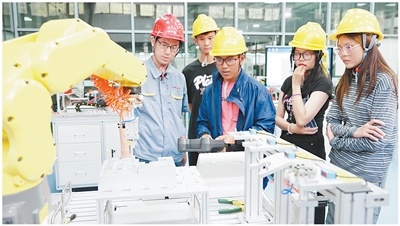
Core Viewpoint - The "Belt and Road Initiative" (BRI) has evolved into the largest and most influential international economic cooperation platform globally, addressing various global challenges and enhancing international collaboration [5][9][10]. Group 1: Infrastructure Development - The BRI focuses on "hard connectivity" through infrastructure projects, forming an integrated network of land, sea, and air transport, which enhances regional logistics efficiency and industrial collaboration [6]. - Significant projects, such as cross-border highways, railways, ports, and aviation hubs, have been accelerated, improving energy security and development foundations [6]. Group 2: Regulatory and Standards Cooperation - The BRI emphasizes "soft connectivity" by deepening regulatory and standards alignment among participating countries, establishing a framework for cooperation [6]. - Over 150 countries and 30 international organizations have signed cooperation documents related to the BRI, with trade volume projected to reach 22.1 trillion yuan in 2024, accounting for over 50% of China's total imports and exports [6]. Group 3: Cultural and People-to-People Exchanges - The initiative fosters cultural, tourism, and educational cooperation, enhancing mutual understanding and interaction among the peoples of participating countries [6][9]. Group 4: New Areas of Cooperation - The BRI is expanding into new areas such as green and innovative development, establishing international alliances for green development and implementing technology innovation action plans [7][9]. Group 5: Global Economic Impact - The BRI addresses developmental bottlenecks in participating countries through infrastructure projects, improving local living conditions and economic capabilities [9]. - It enhances global economic vitality by promoting international cooperation and investment, facilitating the flow of information, capital, technology, and goods [9]. Group 6: Global Governance and Civilizational Exchange - The BRI offers new solutions for global governance, advocating for genuine multilateralism and promoting a fairer global governance system [10]. - It emphasizes cultural exchange and mutual learning, fostering a new landscape of human interaction and cultural integration [10]. Group 7: Case Studies - A logistics company in Xi'an benefits from the BRI by facilitating efficient cross-border trade, connecting Central Asia and Europe [12]. - The Oasis Energy Storage Project in South Africa, supported by China Bank, showcases financial backing for green development initiatives [15]. - The Thailand Luban Workshop exemplifies successful vocational training collaboration, enhancing skills and economic conditions for Thai students [16].

共谋产教融合新路径,泰山职业技术学院考察组到访泰安高新区跨境电商产业园
Qi Lu Wan Bao Wang· 2025-09-28 06:52
Group 1 - The core focus of the recent visit by the Taishan Vocational and Technical College inspection team was to enhance the integration of industry and education, specifically in the field of cross-border e-commerce talent cultivation and aligning it with industry demands [1][2] - The inspection team toured the cross-border e-commerce industrial park, where they were introduced to the park's strategic planning and service system, which includes a comprehensive operational framework for the cross-border e-commerce industry [1] - Discussions included addressing the challenges faced by companies in attracting and nurturing cross-border e-commerce talent, highlighting the need for collaboration between government, schools, and enterprises [1][2] Group 2 - A meeting was held post-visit to discuss key topics such as "joint talent cultivation, shared projects, and resource sharing," with the college presenting its professional layout and achievements in industry-education integration [2] - The high-tech zone's international characteristic park office outlined plans to establish a business school model in October to support the retention and training of cross-border talent [2] - A consensus was reached on four collaborative initiatives: establishing a "cross-border e-commerce industry-education integration training base," developing "project-based courses in cross-border e-commerce," implementing a "dual mentor system," and creating "student internship and employment bases" [2]
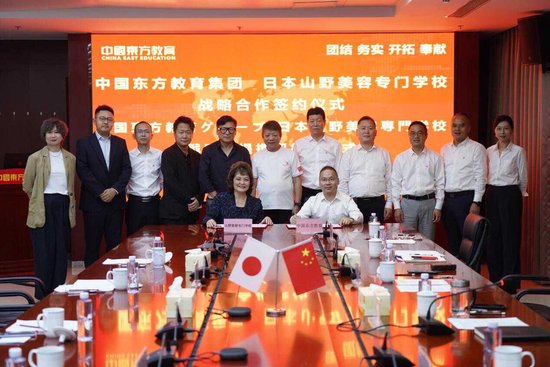
中日美业教育交流再深化:中国东方教育与日本山野美容专门学校签署战略合作协议
Xin Lang Zheng Quan· 2025-09-28 05:21
Core Viewpoint - The strategic cooperation agreement signed between Japan's Yamano Beauty College and China Oriental Education Group marks a significant advancement in their collaboration, focusing on beauty and vocational education [1][24]. Group 1: Strategic Cooperation - The signing of the strategic cooperation agreement signifies the transition from initial discussions to substantial collaboration between the two educational institutions [1][24]. - The cooperation aims to enhance educational standards and practices in the beauty industry, with a focus on curriculum development, faculty exchange, and joint training programs [14][15]. Group 2: Educational Exchange and Development - The visiting delegation from Yamano Beauty College praised China Oriental Education Group's investment and development scale in the beauty education sector during their visit to various campuses [7][11]. - Both parties recognized the importance of strengthening cooperation in beauty education to cultivate internationally competitive talent [11][18]. Group 3: Institutional Background - Yamano Beauty College, part of the Yamano Group, has a rich history dating back to 1934, emphasizing practical education and industry resources, making it a prestigious institution in Japan and internationally [24][25]. - China Oriental Education Group is a leading player in vocational education in China, with multiple well-known brands under its umbrella, including culinary and automotive education [25]. Group 4: Future Prospects - The collaboration is expected to inject new vitality into the global beauty industry, fostering innovation and development in beauty education [24][29]. - Both institutions aim to leverage their strengths and educational philosophies to enhance the quality of beauty education and meet market demands [18][21].
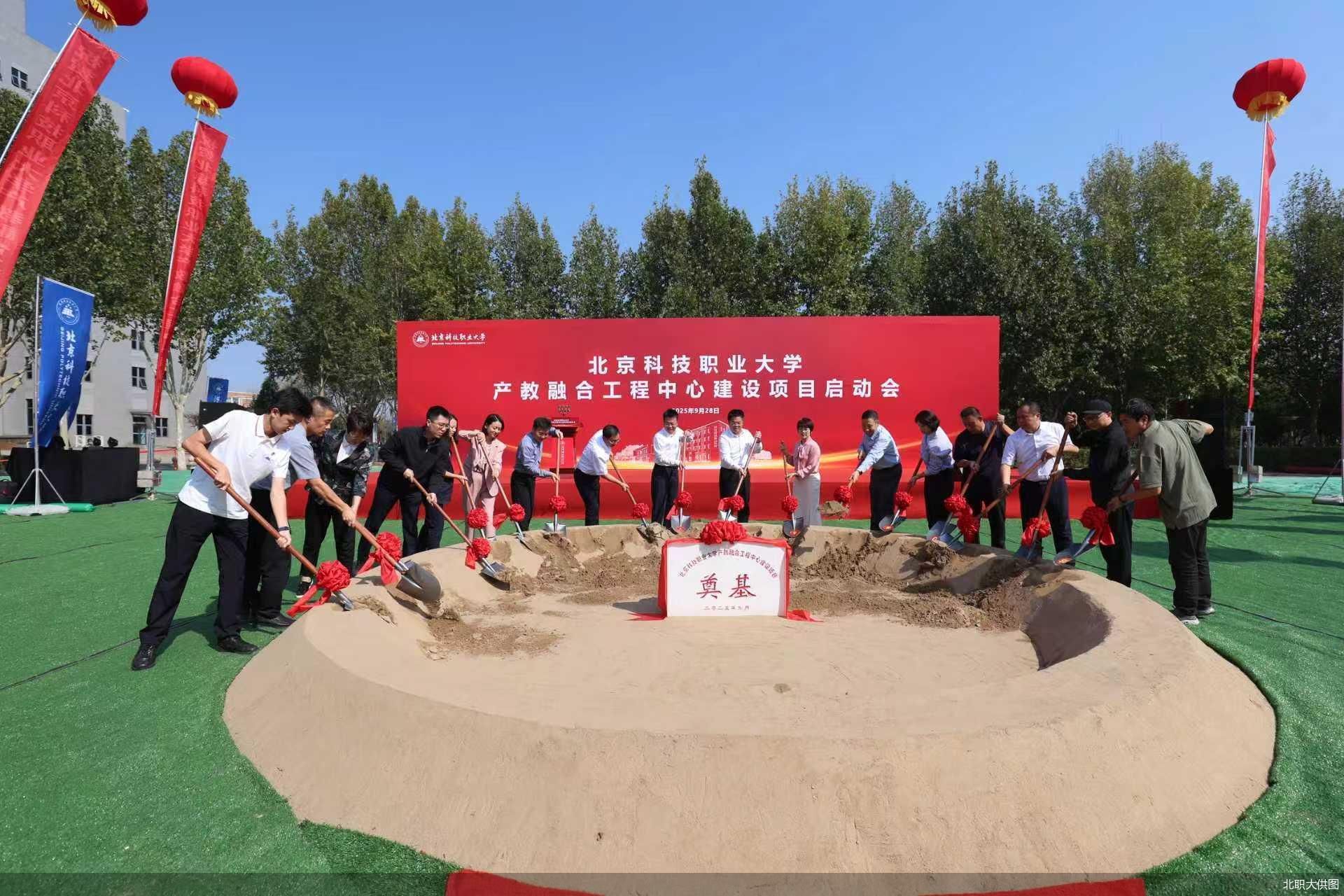
北京科技职业大学产教融合工程中心项目正式开工
Bei Jing Shang Bao· 2025-09-28 05:01
据悉,该项目总建筑面积为22391平方米,地上四层、地下一层,规划建设增减材复合制造教学实践中心、汽车学院重卡实训中心(军工)、汽车产教融合 实训中心、航空维修产教融合中心、集成电路应用创新实训中心、大数据应用创新实训中心、财经商贸专业群校企融合中心等七大平台。 项目建成后,既面向校内师生开展教学和科研,也面向企业开展生产服务和培训,在实现全面提升学校职业本科教学、可研基础设施保障能力的基础上,推 动促进实训教学"生产化",实训场景"真实化",实训管理"企业化",实训学生"员工化",真正实现校企互融互通、共建共管共享,进一步增强职业教育服务 区域产业发展的能力。 北京商报讯(记者 吴其芸)9月28日,北京科技职业大学产教融合工程中心项目正式开工建设。作为中央财政支持的"十四五"教育强国推进工程重点项目, 该中心将建设七大产教融合实训平台,致力于培养高素质技术技能人才,成为推动产教深度融合、服务国家重大战略和首都"四个中心"功能建设的重要载 体。 北京科技职业大学党委书记张启鸿表示,建设产教融合工程中心不仅是对国家战略部署的积极响应,更是落实首都职业教育改革任务的具体行动。产教融合 工程中心围绕产业学院、职业本 ...
北京出台3项技工院校管理办法 推动技工教育与产业需求深度融合
Zhong Guo Xin Wen Wang· 2025-09-28 04:12
北京出台3项技工院校管理办法 推动技工教育与产业需求深度融合 中新网北京9月28日电 (记者 吕少威)记者今天从北京市人力资源和社会保障局获悉,该局出台《北京市 技工院校学生学籍管理办法》《北京市技工院校教学管理办法》《北京市技工院校学生实习就业管理办 法》3项管理制度,实现从招生入学到毕业就业的全过程规范化管理,为技工院校提供清晰的操作指 引,有助于进一步激发办学活力,推动技工教育与产业需求深度融合,为首都高质量发展培养更多高素 质技术技能人才、能工巧匠、大国工匠。 在教学行政管理、运行管理、质量管理部分,首次提出由北京市人社局统一编发校历,规范了全市技工 院校的开学放假时间节点和教学安排;明确要求学校定期开展教学质量检查督导,确保教育教学质量, 突出强化对教学活动的全过程规范和监督管理。 在教师队伍建设、教研教改管理部分,着重加强师德师风建设,明确技工院校专兼职教师的任教条件, 系统规范专业设置、教学组织、质量监控、教研改革等环节,构建起科学严谨的教学管理体系,强化对 教学活动的全过程监管,确保教育教学质量。 近年来,北京市技工院校已建立特有的"中级工—高级工—技师"的技能人才学制化贯通培养体系,学制 从 ...
华南职业教育(06913):收入同比增长7.8% 政策红利+校企协同多维度夯实投资价值
智通财经网· 2025-09-26 11:24
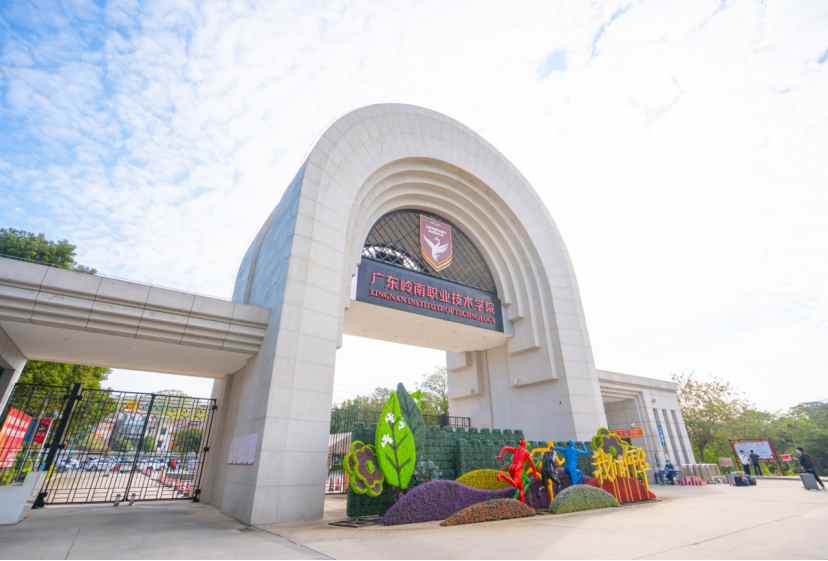
Core Viewpoint - The company, South China Vocational Education, reported strong mid-term performance with revenue reaching 362 million RMB, a year-on-year increase of 7.8%, reflecting robust growth in its core business and market influence [1] Financial Performance - The revenue growth is primarily driven by an increase in student enrollment and optimization of the program structure [2] - Other income and revenue increased by 21.6% to 33.85 million RMB, mainly due to additional income from school-enterprise cooperation [2] - Administrative expenses decreased by 4.7% to 41.83 million RMB, indicating improved operational efficiency [2] - Financing costs dropped from 6 million RMB to 4.88 million RMB, a reduction of 18.7%, reflecting optimized debt structure and effective cost control [2] Enrollment and Program Structure - The company’s institutions have seen significant enrollment growth, with Guangdong Lingnan Vocational Technical College admitting 11,978 students, an increase of 1,701 from the previous year [4] - The enrollment rate for various programs at Guangdong Lingnan Modern Technician College surged by 200%, showcasing a dual advantage in enrollment and employment [4] - The growth in student numbers translates directly into stable tuition income cash flow, with a focus on high-value programs in health, artificial intelligence, and new energy vehicles [4][12] Geographic Expansion and Brand Influence - The company’s colleges have expanded their enrollment coverage to 15 provinces nationwide, enhancing brand influence and attracting quality students [6] - The ongoing brand development is expected to amplify the valuation effects associated with the growth in student numbers [6] Industry Collaboration and Competitive Advantage - The company has established partnerships with over 3,000 enterprises, creating a robust ecosystem of industry-education integration [7] - Collaborations with major companies like JD.com and Huawei enhance the quality of education and employment outcomes, contributing to brand premium [9][11] - The high employment rate of over 98%, particularly in industry-specific training programs, significantly reduces marketing costs [9] Future Growth Path - The company has substantial internal growth potential through improved campus capacity utilization, gradual tuition increases, and continuous program optimization [12] - External expansion conditions are favorable due to enhanced brand recognition and operational model branding [12] - The company plans to diversify into vocational skill certification and adult continuing education, with existing partnerships with international institutions [12] Investment Value - The company's development model of "academic education + vocational training + technical services" is creating investment value across multiple dimensions [13] - The strong financial performance and strategic positioning through industry-education integration establish a long-term competitive advantage [13]
华南职业教育:收入同比增长7.8% 政策红利+校企协同多维度夯实投资价值
Zhi Tong Cai Jing· 2025-09-26 11:18
Core Viewpoint - The company, South China Vocational Education, reported a strong interim performance with revenue reaching 362 million RMB, a year-on-year increase of 7.8%, reflecting robust growth in its core business and market influence [1][2]. Financial Performance - The revenue growth is primarily driven by an increase in student enrollment and optimization of the program structure [2]. - Other income rose by 21.6% to 33.85 million RMB, mainly due to additional revenue from school-enterprise cooperation [2]. - Administrative expenses decreased by 4.7% to 41.83 million RMB, indicating improved operational efficiency [2]. - Financing costs fell by 18.7% from 6 million RMB to 4.88 million RMB, showcasing effective debt structure optimization [2]. - The enrollment data shows that the Guangdong Lingnan Vocational Technical College admitted 11,978 students, an increase of 1,701 from the previous year, with a 200% surge in enrollment for several programs [2]. Market Position and Expansion - The company's colleges have expanded their enrollment coverage to 15 provinces nationwide, enhancing brand influence and attracting quality students [3]. - The establishment of partnerships with over 3,000 enterprises has created a robust ecosystem for industry-education integration, which is a core competitive advantage [4][5]. - The company has received national-level qualifications, further solidifying its industry position [6]. Growth Strategy - The company has significant internal growth potential through improved campus capacity utilization, steady tuition fee increases, and continuous program optimization [7]. - External expansion conditions are favorable due to enhanced brand recognition and social influence, facilitating brand-based operational model output [7]. - The company plans to expand into vocational skill certification and adult continuing education, with existing partnerships with renowned international institutions [7]. Investment Value - The company's development model of "academic education + vocational training + technical services" is creating investment value across multiple dimensions [8]. - The strong financial performance and strategic positioning through industry-education integration establish a long-term competitive advantage [8].
技能大赛给职业教育带来了什么
Zhong Guo Xin Wen Wang· 2025-09-26 09:00
Core Insights - The third National Skills Competition concluded in Zhengzhou, with 348 participants winning medals across 106 events, highlighting the importance of skill competitions in talent development [1] - Beijing Industrial Technician College achieved notable results, emphasizing that winning is not the ultimate goal but rather understanding new requirements for skill talent cultivation [1][2] - The competition serves as a benchmark for educational reforms, pushing vocational schools to align their curricula with industry standards and competition requirements [2][5] Group 1: Educational Reforms - Beijing Industrial Technician College has implemented significant educational reforms, aligning its training facilities and curricula with national and world-class competition standards [2] - The college has established training bases for key projects, such as CNC machining and mechatronics, to enhance students' practical skills [2] - The introduction of new technologies, such as Industry 4.0, into competition assessments has prompted schools to update their teaching content [2][4] Group 2: Curriculum Integration - Henan Technician College has integrated competition standards into its course design, ensuring that all students can enhance their skills in line with competition requirements [3] - The college has added specialized training modules to its jewelry processing program, preparing students to meet high standards from the outset [3][5] Group 3: Talent Development Standards - The competition has prompted vocational schools to update their talent cultivation standards, focusing on quality awareness and comprehensive skills beyond technical proficiency [5][6] - Emphasis on teamwork, emergency response, and professional communication skills has led to a dual cultivation model of "skills + qualities" in teaching [5] Group 4: Industry Collaboration - Vocational schools are increasingly collaborating with leading companies like Huawei and DJI to incorporate real-world projects and standards into their curricula [6] - The competition has facilitated deeper industry involvement in event design and technical support, acting as a connector for education and industry needs [6] Group 5: Career Opportunities - Participation in competitions has enhanced the employability of skilled students, with many securing job offers before graduation [7] - The recognition gained from competition awards serves as a strong recruitment tool for vocational schools, leading to increased enrollment [7] - The competition has also contributed to the development of high-quality teaching staff, with many educators receiving promotions and recognition through their involvement [7] Group 6: Youth Engagement - The competition has significantly increased the recognition and aspiration for skills among youth, encouraging more young talents to pursue skill development [8]
教育领域各项目标任务高质量完成
Jing Ji Ri Bao· 2025-09-25 22:07
"十四五"期间,职业院校围绕国家战略调整专业结构,新增专业点1.2万个,其中50%为工程、技术类专 业。同时,围绕产业升级完善层次结构,新增63所职业本科学校,52所普通高校开设了职业本科专业。 9月23日,国新办举行"高质量完成'十四五'规划"系列主题新闻发布会,介绍"十四五"时期加快建设教育 强国进展成效。教育部部长怀进鹏介绍,"十四五"时期,学前教育毛入学率达到92%、高等教育累计向 社会输送5500万人才……规划所确立的各项目标任务已全面高质量完成。 "羲和号"升空探日、"地壳一号"挺进地球深处、全球首座第四代核电站商运投产……高校在一系列国家 重大工程中作出了重大贡献。据了解,"十四五"期间,75%以上的国家自然科学奖和技术发明奖、超过 50%的国家科技进步奖来自高校。 "'十四五'期间,高等教育累计向社会输送5500万人才,相当于许多发达国家的人口总量。"怀进鹏介 绍,其中,"双一流"建设高校培养了全国超50%的硕士、80%的博士,承担了90%以上的国家急需高层 次人才培养专项任务,涌现出一批"挑大梁"的优秀人才。 大国工匠、高技能人才是国家战略人才的重要组成部分。教育部副部长熊四皓指出,目前我国 ...
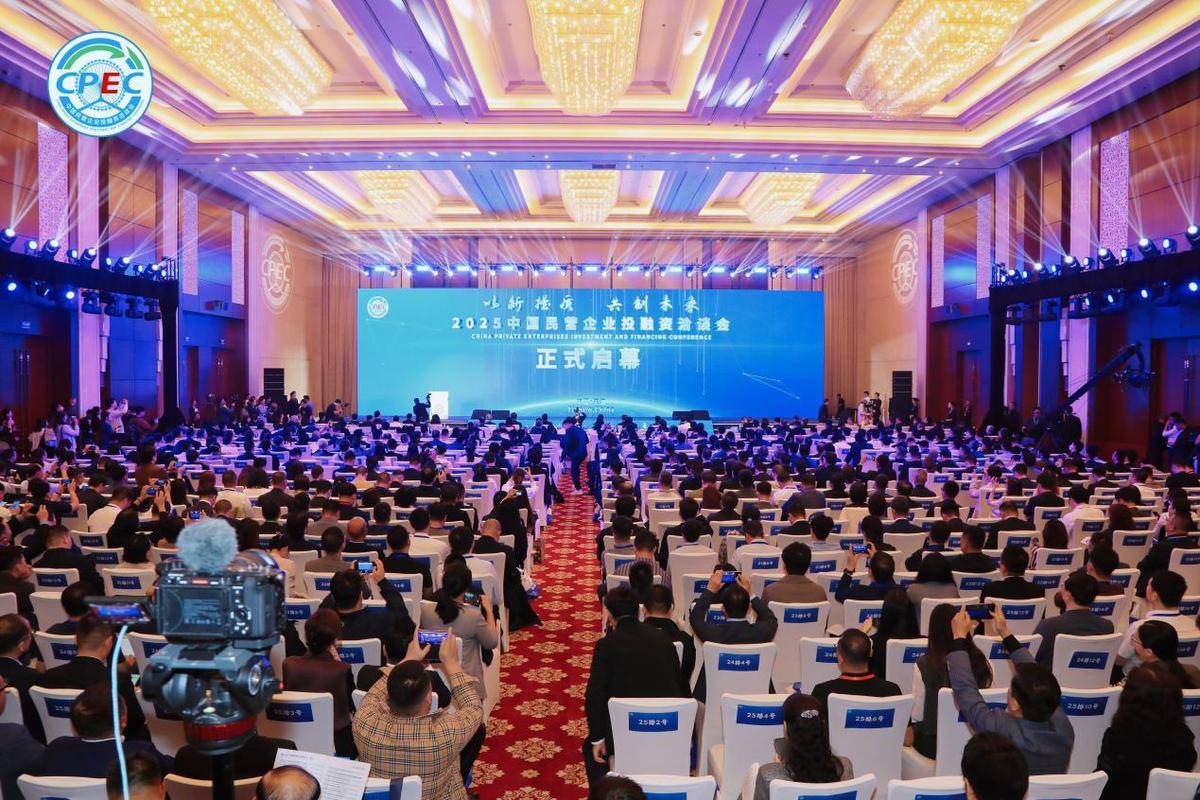
百世集团与天津市深化战略合作 共绘民营经济高质量发展新蓝图
Sou Hu Cai Jing· 2025-09-25 11:09
Group 1 - The core viewpoint of the collaboration is to align with the spirit of the 2025 Shanghai Cooperation Organization (SCO) summit, focusing on the construction of a digital economy platform and vocational education centers [1][2] - The agreement includes the establishment of a modern supply chain hub in Tianjin, integrating domestic warehousing, cross-border collection, and multimodal transport to provide end-to-end comprehensive supply chain services for Chinese brands going global [1][2] - The partnership aims to enhance cross-border trade efficiency and compliance capabilities, responding to the SCO's initiatives for digital economic cooperation [1] Group 2 - The strategic cooperation agreement was signed during the 2025 China Private Enterprises Investment and Financing Conference, marking the establishment of dual headquarters for the company in Tianjin [2] - The collaboration is seen as a significant step in implementing national strategies and enhancing regional industrial international competitiveness, contributing to the coordinated development of the Beijing-Tianjin-Hebei region and the Belt and Road Initiative [2][3] - Future cooperation will extend into areas such as digital services, less-than-truckload networks, and the integration of blockchain and artificial intelligence technologies [3]