
科技创新

Search documents
抓教育、促科技、重人才 深圳这样全面建设创新之城
Zheng Quan Shi Bao Wang· 2025-06-26 15:29
Core Viewpoint - Shenzhen is advancing its comprehensive reform pilot program to enhance innovation and development, focusing on education, technology, and talent integration as foundational elements for modernization [3][4]. Group 1: Reform Initiatives - Shenzhen has implemented several key documents to promote innovation, including plans to strengthen the role of enterprises in technological innovation and to enhance talent policies [3][5]. - The city aims to maintain enterprise R&D investment at around 95% and has set specific targets for scientific research and innovation projects [5]. - Shenzhen will adopt a "nail-driving spirit" to ensure the effective implementation of the reform initiatives outlined in the new policy [4]. Group 2: Education System Development - The education sector in Shenzhen is experiencing significant growth, with 17 universities and numerous collaborative projects between schools and enterprises [6]. - The city plans to build a first-class education system to better support technological innovation and talent development [6]. Group 3: Talent Attraction and Development - Shenzhen ranks among the top three cities in China for talent attraction and has been particularly successful in attracting young talent [7]. - The city is enhancing its support mechanisms for overseas talent and aims to create a favorable environment for talent development [7][8]. - Shenzhen is committed to establishing a comprehensive talent policy that encourages continuous growth and innovation among its workforce [8].

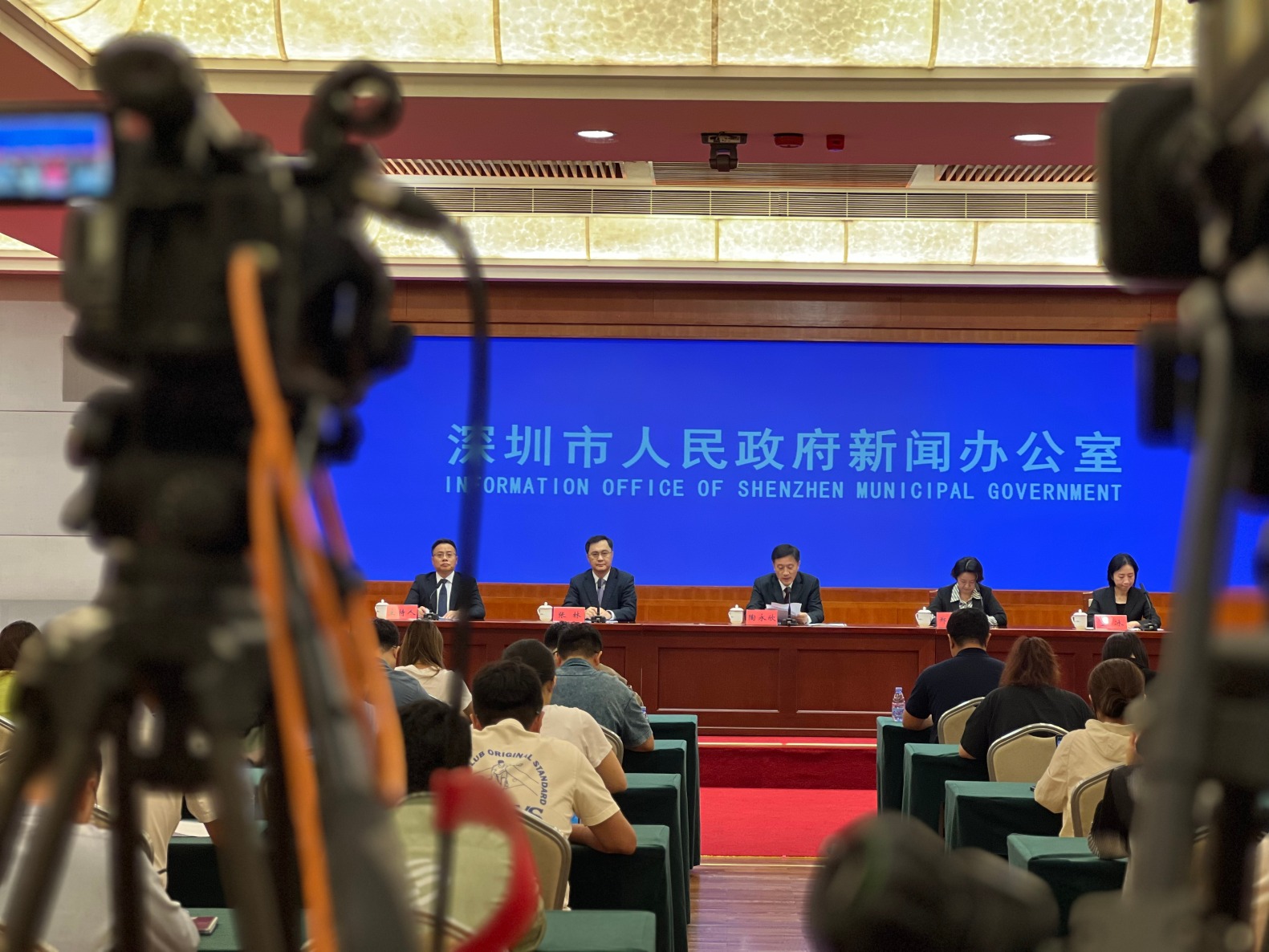
领受综改新任务,深圳官宣一批“科创新政”
Di Yi Cai Jing· 2025-06-26 14:33
Core Viewpoint - Shenzhen is accelerating the establishment of a corporate R&D reserve fund system and introducing support measures for high-growth innovative enterprises as part of a broader reform initiative to enhance its status as a technology innovation hub [1] Group 1: Strengthening Corporate R&D - In 2024, Shenzhen's corporate R&D investment is projected to reach 208.67 billion yuan, accounting for 93.3% of the total social R&D investment, the highest among Chinese cities [2] - The city aims to maintain corporate R&D investment at around 95% and will implement a support plan for high-growth innovative enterprises [2] - A funding mechanism for corporate R&D expenses will be established, providing post-funding support based on the previous year's R&D expense increase, with individual enterprise funding ranging from 100,000 yuan to 5 million yuan [2] Group 2: New R&D Institution Management - Shenzhen is exploring a flexible management system for new R&D institutions, which have been pivotal in driving technology transfer and industrial upgrades [3] - The city will implement a "full responsibility system" for top scientists, granting them autonomy to foster a conducive research environment [3] Group 3: Optimizing Innovation Organization Mechanisms - Shenzhen has implemented project manager and owner systems in various fields to address critical technological challenges [4] - The city plans to expand the use of a negative list for R&D funding and allow funds to flow across borders to attract global innovation resources [4] Group 4: Supporting Technology Transfer - Legislative changes will shift the incentive model for technology transfer from "post-conversion rewards" to "pre-empowerment" [6] - A new 2 billion yuan seed fund for technology innovation will be established to encourage long-term investments in hard technology [6] Group 5: Developing Major Innovation Platforms - Shenzhen is building significant technological infrastructures, including the second phase of the National Supercomputing Center and various research institutes [7] - The city aims to strengthen its national laboratories and key experimental facilities to support breakthroughs in artificial intelligence and other cutting-edge fields [7]
数码港第五期大楼将于今年内落成 可支持人工智能等尖端技术的研发创新
Zhi Tong Cai Jing· 2025-06-25 12:39
Core Insights - The Cyberport Phase 5 building is set to be completed by 2025, becoming a key landmark for innovation and technology in Hong Kong, equipped with next-generation digital infrastructure and advanced smart office facilities [1][2] - The expansion plan aims to support the development of cutting-edge technologies such as artificial intelligence, data science, blockchain, and cybersecurity, enhancing the growth of strategic emerging industries [1][2] Summary by Sections Infrastructure Development - The Cyberport Phase 5 will be a 10-story office building located on a 1.6-hectare site, providing approximately 66,000 square meters of total floor area, with 36,000 square meters designated for offices and shared workspaces, accounting for about 30% of the total area [1] - The building will feature advanced technological infrastructure, including a Tier-III+ level dedicated sustainable data center, close to the AI supercomputing center and the Hong Kong Internet Exchange (HKIX) core site, offering high power density, efficiency, and reliable data storage and computing support [1] Connectivity and Services - The infrastructure is designed to support high-speed submarine cable networks, accelerating global connectivity, international communication integration, and data transmission [1] - Additional features include dedicated fiber optics, multi-cloud platforms, and 10G broadband services, providing ultra-high-speed and low-latency data transmission [1] Strategic Goals - The expansion is seen as a significant milestone in Hong Kong's innovation and technology infrastructure development, providing a vibrant space for tech companies and enhancing the city's position as an international innovation hub [2] - The plan also includes optimizing the waterfront park, improving environmental greening, smart features, and pet-friendly elements, promoting a high-quality lifestyle for the public and fostering a harmonious, sustainable innovation community [2]
武汉两件法规8月1日同步施行:激活“青创族”创新动能,保障“银发族”安享晚年
Chang Jiang Ri Bao· 2025-06-25 10:01
Group 1: Legislative Overview - The "Wuhan Municipal Regulations on Promoting the Construction of a Science and Technology Innovation Center" and the "Wuhan Municipal Elderly Care Service Regulations" will officially take effect on August 1 this year, focusing on key areas of development and livelihood to stimulate innovation and address elderly care challenges [1][5] - The regulations aim to enhance urban capabilities and improve the well-being of citizens, responding to the core concerns of the aging population and youth innovation [1][5] Group 2: Science and Technology Innovation Center - The regulations consist of 57 articles across eight chapters, covering planning, innovation entities, talent, industrial innovation, financial support, and the innovation environment, providing a legal roadmap for building a nationally influential science and technology innovation center in Wuhan [2][3] - Key platforms for innovation include East Lake Science City, Wuhan New City, and the Optical Valley Innovation Corridor, encouraging collaboration among enterprises, universities, and research institutions [2][3] Group 3: Talent and Financial Support - The regulations emphasize empowering scientists and supporting young innovative talents, encouraging flexible recruitment of innovative personnel through various collaborative methods [3][4] - Financial institutions are encouraged to develop specialized financial products for technology enterprises, and the government may establish risk compensation mechanisms for technology credit and intellectual property financing [3] Group 4: Elderly Care Services - The "Wuhan Municipal Elderly Care Service Regulations" consist of 82 articles across eleven chapters, addressing home care, community care, institutional care, and the integration of medical and elderly care services [6] - The regulations propose a service supply structure that optimizes home-based care, community support, and professional institutional care, mandating the establishment of comprehensive elderly care centers in each district [6] Group 5: Community Engagement and Implementation - The regulations encourage community service providers to offer various services to elderly residents, ensuring respect for their preferences and traditional service methods [6][7] - The city plans to develop implementation work plans and conduct evaluations to ensure the effective execution of these regulations [8]
长三角G60科创走廊三大联盟在杭成立
Mei Ri Shang Bao· 2025-06-24 22:21
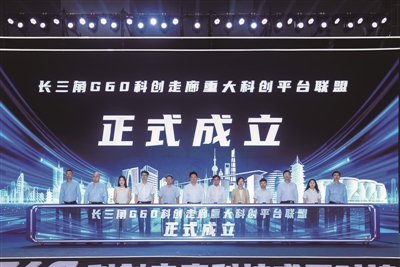
长三角G60科创走廊是长三角地区一体化发展国家战略的重要平台,联接着上海松江、嘉兴、杭州、金 华、苏州、湖州、宣城、芜湖、合肥。在九城市的共同努力下,长三角G60科创走廊这个具有国际竞争 力的协同创新生态圈正在加速形成。作为长三角G60科创走廊的重要一员,近年来,杭州一直坚持"向 新而行",在创新能级、创新成果、创新体系等方面均取得突出成效。 大会同步发布九城市科技创新重大成果,涉及高端装备、绿色能源、生物医药、新材料、智能物联等领 域,其中多项成果达到国际领先水平,据记者统计,这64项科技创新重大成果中,来自杭州的共有17 项,占总数的26%。 不久前,2025年杭州政府工作报告正式发布,提出杭州要着力打造区域性科技创新高地。数据显示,目 前,杭州已拥有全省八成的全国重点实验室,七成的省实验室和六成的国家科技进步奖;连续三年排名 全球百强科技集群第14位;连续四年获得了创新鼎,全市R&D强度已经达到3.92%,居全国第六位。可 以说,创新已经成为杭州最为鲜明的城市特色。 长三角G60科创走廊重大科创平台联盟成立 商报讯(记者黄诗睿通讯员胡珂)昨天,长三角G60科创走廊科技成果对接转化大会在杭州召开,现场成 ...
亦庄首推科创类中小企业贷款风险补偿
Sou Hu Cai Jing· 2025-06-24 20:21
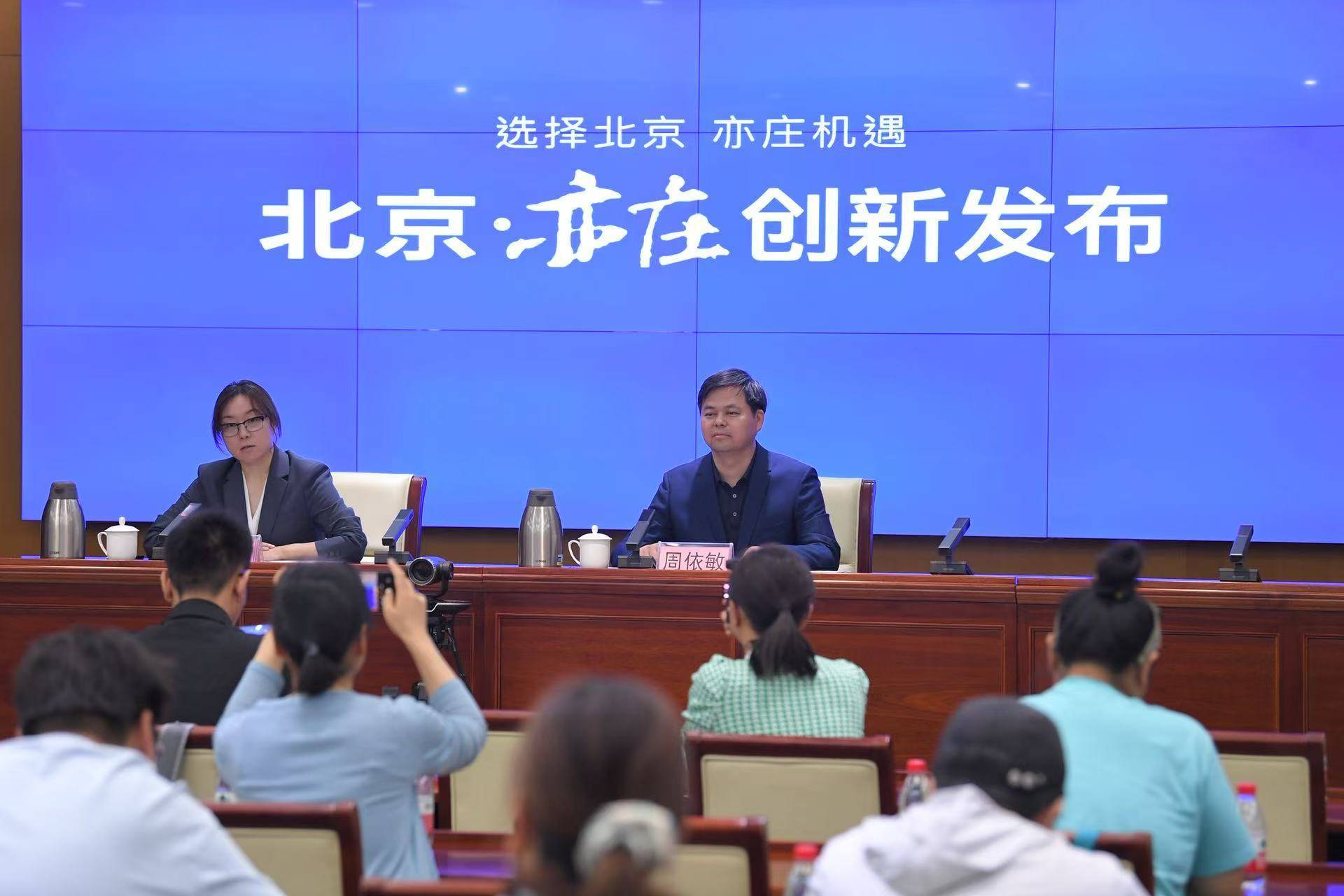
本报讯(记者 曹政)创新势头强劲的科创型中小企业,往往因为缺乏合格抵押品而面临融资难题。北 京经开区近日推出全市首个专门针对科技创新类中小企业的贷款风险补偿政策,对三类不良贷款项目本 金余额给予50%的风险补偿。换句话说,政府替银行扛了一半风险,鼓励银行敢贷、愿贷,支持企业科 技创新。 早在2023年12月,北京经开区就推出全市首个小微企业风险补偿政策,设立总规模1亿元的风险补偿资 金,对合作银行机构内存在的经开区内小微企业的信用贷款、知识产权质押贷款和应收账款质押贷款三 类不良贷款项目本金余额给予30%或40%的风险补偿,支持银行为没有合格抵押品、质押品或者无法引 入第三方担保的小微企业提供贷款服务。 政策执行一年多来,经开区小微企业风险补偿政策18家合作银行备案项目规模超20亿元,较2023年同期 同口径业务增长55.28%,北京市专精特新小型企业与国家高新技术企业等重点企业备案规模同比均保 持大幅增长。 为了引导更多金融"活水"精准"浇灌"科创类中小企业,北京经开区近日又出台《科技创新类中小企业贷 款风险补偿实施方案》,支持范围更精准、补偿力度更大。 《实施方案》在此前风险补偿政策基础上,结合科技创新类 ...
北京经开区推出全市首个科创类中小企业贷款风险补偿政策
Sou Hu Cai Jing· 2025-06-24 09:52
在政策支持方面,《实施方案》在经开区风险补偿政策基础上,将支持企业调整为科技创新型中小企业,进一步扩大政策惠及范围,贷款规模上限也由1000 万元提高至3000万元,对应科技创新专项担保计划,支持力度更大。 在补偿力度方面,该政策依托风险补偿形式,针对经开区科技创新型中小企业在合作银行备案的信用贷款、知识产权质押贷款和应收账款质押贷款项目,补 偿比例由该笔不良贷款本金余额的30%、40%提高至50%。 新京报讯(记者吴婷婷)近期,北京经开区将推出全市首个专门针对科技创新型中小企业的贷款风险补偿政策,最高贷款额度达3000万元,风险补偿比例提 高至50%。这一举措将破解科创企业融资难、融资贵的问题。 此外,《实施方案》还引入了银担分险业务下的风险补偿模式,实现风险责任政府资金兜底,有效解决了银行机构开展科技创新型企业授信的后顾之忧。具 体来说,政策将通过风险补偿机制对银担分险业务发放的信用贷款、知识产权质押贷款和应收账款质押贷款等多种贷款项目,由经开区补偿原本由银行自担 的20%。 据悉,2023年12月,北京经开区就已经推出了全市首个小微企业风险补偿政策,通过设立总规模1亿元的"风险补偿资金",对合作银行机构 ...
推动苏南国家自主创新示范区一体化集群式改革
Xin Hua Ri Bao· 2025-06-24 06:40
Group 1 - The core viewpoint emphasizes the need for Su Nan National Independent Innovation Demonstration Zone to enhance its original innovation capabilities and resource aggregation to compete with cities like Beijing, Shanghai, and Shenzhen [1] - Su Nan's R&D investment intensity is approximately 5.8%, which is lower than Beijing and Shenzhen by 1.0 and 0.7 percentage points respectively [1] - The region has 14,700 high-tech enterprises generating an industrial output value of 2.69 trillion yuan, with significant disparities compared to Shenzhen's 7,000 enterprises and 1.6 trillion yuan output [1] Group 2 - The article suggests promoting collaboration among government, industry, and academia to ensure seamless integration of the innovation chain and industrial chain [2] - It advocates for reforms in research evaluation systems to support the transformation of scientific achievements and encourages global scientists to engage in research within Su Nan [2] - The government is advised to focus on supporting advantageous and key future industries based on their contribution to output, employment, and technological advancement [2] Group 3 - The restructuring of Su Nan's innovation framework is proposed to enhance top-level planning and coordination of innovation platforms [3] - A new division of labor for independent innovation is suggested, including the creation of industrial technology roadmaps and industry chain maps to manage innovation tasks effectively [3] - The government is encouraged to leverage its management advantages to build infrastructure for technological innovation and new productive forces [3] Group 4 - The establishment of a funding platform led by patient capital is recommended to support the development of new productive forces and transition to new industries [4] - The article discusses the creation of industry policy funds and regional structural funds to attract investment in high-tech sectors with long-term growth potential [4] - It emphasizes the importance of a market-oriented operation for joint investment funds to enhance the investment and return mechanism [4] Group 5 - The article highlights the need to optimize the external business environment and establish internal collaboration and competition mechanisms [5] - It suggests utilizing AI and IT tools to improve government service efficiency and reduce operational costs [5] - The goal is to create a competitive ecosystem that attracts talent and enterprises to Su Nan, enhancing overall development quality and efficiency [5]
粤港澳媒体湾区行联合采访活动在港启动
Xin Hua Wang· 2025-06-24 00:23
据介绍,采访团将走进港澳的科创企业、能源集团、文旅地标等地进行实地探访、亲身体验、交流互 动。根据日程安排,采访团将与香港特区政府、澳门特区政府多位司局长面对面交流,并到中电集团启 德总部、太古集团、中国与葡语国家商贸合作服务平台展示馆等地参观,了解港澳最新经济、金融与贸 易发展情况。在香港科学园、澳门青年发展服务中心等地,采访团将对创科动能、青年发展等话题进行 采访。随着粤港澳三地首次联合承办的第十五届全运会进入倒计时,采访团还将了解赛事筹备进展。 中国记协联合广东省记协、香港新闻联和澳门记协,已分别在2024年6月、12月和2025年4月成功举办了 三场联合采访活动。本场活动是该系列活动的收官之作,将完成大湾区"9+2"城市全覆盖走访。 在首日的参访中,香港特区政府署理财政司司长黄伟纶等人士会见传媒,回应了香港应对外部挑战的举 措、稳定币对香港发展的意义等问题。黄伟纶认为,香港作为"超级联系人"和"超级增值人",发挥了引 进来、走出去的桥梁作用。"香港虽取得了一定成绩,但不会也不能自满,未来仍会继续努力。" 为庆祝香港交易所成立25周年,港交所举办了"金锣巡礼"活动。"金锣平时只在上市仪式上出现,今天 在 ...
共探上市公司创新生态:全球上市公司30人智库论坛在京举行
Di Yi Cai Jing· 2025-06-23 14:37
Group 1 - The core viewpoint of the forum emphasizes the effective synergy between capital and technology, which is seen as a necessary outcome of deepening capital market reforms [1][6] - Chinese listed companies are recognized as the core engine of China's technological innovation, necessitating the formation of an innovative ecosystem involving enterprises, capital, government, research, supply chains, and media to support this [1][2] - The global technology competition landscape is undergoing reconstruction, with listed companies being the main force in technological innovation, contributing significantly to national R&D efforts [2][3] Group 2 - The importance of governance in achieving environmental and social responsibility goals is highlighted, with a focus on integrating ESG principles into corporate governance [4] - The shift from traditional globalization to a more integrated and clustered industrial model is noted, with China positioned to accelerate manufacturing upgrades and create global industrial clusters [5] - The need for systemic innovation in listed companies is emphasized, requiring a shift from single technological breakthroughs to diversified, multi-factor collaborative innovation [6]