加密货币

Search documents
华尔街对加密货币的投入主导了2025年,但2026年的需求前景如何?
Sou Hu Cai Jing· 2025-12-30 01:32
Group 1 - 2025 is expected to be a remarkable year for Bitcoin (BTC) and the broader cryptocurrency market, driven by supportive legislation and Wall Street's acceptance of cryptocurrencies as legitimate asset classes [2] - The total net inflow into spot Bitcoin ETFs reached $57 billion, with total net assets amounting to $114.8 billion [2] - The performance of the cryptocurrency market in early 2026 will depend on the sustainability of adoption by institutions, corporations, and governments [4] Group 2 - Since October, the strong inflow into spot Bitcoin ETFs has noticeably slowed, with some periods experiencing a shift to a sell-side market, leading to a 30% drop in Bitcoin prices and a 50% drop in Ethereum prices [4] - Investor sentiment towards the AI industry and the performance of tech-heavy S&P 500 index are expected to directly impact the cryptocurrency market [4] - The rapid expansion of balance sheets is identified as a key strategy providing strong momentum for tech-related stocks in 2025, with significant investments in data centers and computing capabilities [5] Group 3 - The potential passage of the CLARITY Act is a significant bullish event to watch in early 2026, as it aims to provide clearer regulations for fintech innovators and may encourage more overseas cryptocurrency firms to relocate to the U.S. [5][6] - The CLARITY Act will clarify the jurisdiction of regulatory bodies (SEC and CFTC) over various types of crypto assets and emphasize consumer protection [6] - Expectations of a shift towards a more accommodative monetary policy by the Federal Reserve, including potential rate cuts of up to 100 basis points, could be bullish for risk assets [6] Group 4 - The softening job market and rising costs of goods and services due to tariffs may lead to decreased consumer confidence among retail investors [8] - Investors face a dilemma in early 2026 regarding whether signals of the Federal Reserve's accommodative policy have been priced in or if evolving policies will extend the bullish market from 2025 into the cryptocurrency space [8] - The overall outlook for 2026 appears bullish, influenced by Trump's economic agenda, Federal Reserve policies, and crypto-friendly regulations, but uncertainties surrounding AI developments and the actual impact of rate cuts on consumers and the economy will determine market direction [8]


Coinbase Institutional:永续合约交易规模上升,正向 DeFi 核心金融原语演进
Xin Lang Cai Jing· 2025-12-29 18:15
Core Insights - The 2026 Crypto Market Outlook by Coinbase Institutional indicates a significant expansion in crypto derivatives trading in 2025, driven primarily by decentralized platforms [1] - Monthly trading volume of DEX perpetual contracts has exceeded $1.2 trillion, with Hyperliquid maintaining a substantial market share [1] - Amidst a sluggish altcoin spot market, some capital has shifted towards high-leverage perpetual contracts, with speculative exposure nearing 10% mid-year before declining after the October liquidation event [1] - Perpetual contracts are evolving from a singular trading tool to a foundational financial primitive within DeFi, gradually integrating with lending protocols and extending into stock-like perpetual contracts, thus becoming a crucial derivative form connecting crypto markets with traditional assets [1]

South Korea to Tighten Crypto Tracking on Transfers Under 1 Million Won — New Rules Imminent
Yahoo Finance· 2025-12-29 17:26
South Korea is preparing to tighten oversight of cryptocurrency transfers below 1 million won, closing a gap that regulators say has increasingly been used to move illicit funds without triggering identity checks. The move would expand the country’s so-called travel rule, which currently applies mainly to larger transactions. The plan is being reviewed by financial authorities following the launch of a task force led by the Korea Financial Intelligence Unit (FIU) to revise the Act on Reporting and Using ...
FT:Alt5 Sigma 更换审计机构遭质疑,新审计方执照已失效
Xin Lang Cai Jing· 2025-12-29 14:41
Group 1 - The core issue revolves around Alt5 Sigma, a publicly listed cryptocurrency company associated with the Trump family, facing governance turmoil and failing to timely disclose its financial reports [1] - Alt5 Sigma has changed its auditing firm to Victor Mokuolu CPA PLLC, which has encountered significant issues, including having its license expire in August and being penalized for audit compliance problems [1] - The new auditing firm is currently unable to issue audit reports due to its license status, but Alt5 Sigma has stated that the firm is in the process of rectifying these issues and expects to restore its license by the end of January 2026 [1] Group 2 - Alt5 Sigma previously announced a partnership with World Liberty Financial, a company linked to the Trump family, and holds approximately 7.3 billion WLFI tokens [1]
Bitmine 新增购入 44,463 枚 ETH,总持仓 4,110,525 枚
Xin Lang Cai Jing· 2025-12-29 14:07
Core Insights - Bitmine Immersion has purchased an additional 44,463 ETH in the past week, bringing its total holdings to 4,110,525 ETH, which represents approximately 3.41% of the total Ethereum supply [1] Company Developments - Bitmine has staked 408,627 ETH and plans to launch its own validation network, MAVAN, in the first quarter of 2026 [1]
DL News:2026 年值得关注的六大加密公司 IPO
Xin Lang Cai Jing· 2025-12-29 09:57
(来源:吴说) 据 DL News 报道,2025 年加密公司通过 IPO 共募资约 34 亿美元,市场预计 2026 年将迎来更密集的上 市潮,重点集中在合规与基础设施型企业。值得关注的有,Kraken 目标估值约 200 亿美元,Consensys 最新估值约 70 亿美元,BitGo 估值约 17.5 亿美元,Animoca Brands 预计估值约 60 亿美元;此外, Ledger 正筹备 2026 年融资与潜在上市,Bithumb 计划在韩国上市。 ...
2 Top Cryptocurrencies to Buy Before They Soar 155% and 455% by 2027, According to a Wall Street Analyst
The Motley Fool· 2025-12-29 08:55
Core Viewpoint - Geoffrey Kendrick from Standard Chartered predicts significant price increases for Bitcoin and XRP over the next two years despite a challenging 2025 for cryptocurrencies due to economic and geopolitical uncertainties [1][4]. Regulatory Environment - The Trump administration has enacted pro-cryptocurrency policies, including the establishment of a working group to enhance U.S. leadership in digital financial technology and the creation of a strategic Bitcoin reserve [4][5]. - The Genius Act, signed by Trump, provides a federal regulatory framework for stablecoins, and the Clarity Act aims to clarify jurisdiction over digital assets [5]. - The SEC has formed a crypto task force and rescinded Staff Accounting Bulletin 121, which is expected to facilitate digital asset adoption by institutional investors [6]. Investment Thesis for Bitcoin - Bitcoin treasury companies, such as Strategy, have been significant demand sources, with Strategy holding 671,268 BTC [6]. - Kendrick forecasts Bitcoin will reach $225,000 by 2027, indicating a 155% upside from its current price of $88,000 [7]. - Spot Bitcoin ETFs are anticipated to become the primary demand driver, as they simplify access to Bitcoin for institutional investors [8][9]. Investment Thesis for XRP - XRP, utilized by Ripple for cross-border transactions, is projected to capture 14% of SWIFT's volume, potentially facilitating over $20 trillion in transactions annually [11][12]. - The approval of spot XRP ETFs has generated over $1 billion in assets under management, indicating growing interest among investors [14]. - Despite the potential, skepticism exists regarding XRP's adoption due to competition from stablecoins and a decrease in transaction volume since the launch of Ripple USD [12][13]. Comparative Outlook - The analysis suggests prioritizing Bitcoin over XRP for investment, with a belief that Kendrick's Bitcoin price target is more achievable than his XRP target [15].
年终盘点之加密货币:2025年是走向“主流合规”的分水岭之年,比特币狂欢过后满地狼藉,稳定币开始走向舞台中心
智通财经网· 2025-12-29 07:12
Core Insights - 2024 is seen as the year when cryptocurrencies enter traditional finance through spot ETFs, while 2025 is viewed as a watershed year for cryptocurrencies, marking their transition from speculative assets to core infrastructure for global finance [1] - The total market capitalization of cryptocurrencies surged from approximately $1.6 trillion at the beginning of the year to over $4 trillion, driven by institutional capital, regulatory policies, and practical applications [2][1] - Bitcoin's price fluctuated significantly, reaching a peak of $126,000 in October before dropping to around $89,000 by December, reflecting a volatile market influenced by macroeconomic factors [2][9] Market Dynamics - The volatility of the cryptocurrency market in 2025 shifted from erratic price movements to being influenced by Federal Reserve policies, non-farm payroll data, and legislative progress [5] - Bitcoin's price dynamics were characterized by a psychological battle, with a peak driven by the approval of spot ETFs and expectations of national strategic reserves, followed by a sharp decline due to tightening monetary policy [6][9] - Ethereum experienced dramatic price movements, rising nearly 200% from $1,646 to $4,946 before ending the year down approximately 12% at around $3,000, facing increased competition in the public blockchain space [10] Institutional Involvement - The bull market for major cryptocurrencies in 2025 was primarily driven by institutional participation, with ETFs and other institutional channels seeing a net inflow of $44.2 billion [15][16] - Regulatory clarity, particularly with the enactment of the GENIUS Act, allowed institutions to enter the cryptocurrency market legally and at scale, although it also introduced high compliance costs [17][16] - The correlation between cryptocurrencies and traditional equities, particularly the Nasdaq index, reversed, with cryptocurrency market downturns impacting stock markets due to forced liquidations by institutions [14] Stablecoins and Infrastructure - Stablecoins transitioned from being peripheral to becoming a core infrastructure for global capital flow, with a total market capitalization exceeding $310 billion and daily settlement volumes rivaling traditional payment giants [24][23] - The transaction volume of stablecoins reached $46 trillion, reflecting a 106% increase year-over-year, indicating their growing importance in the financial ecosystem [24] - The infrastructure supporting stablecoins improved significantly, reducing transaction costs and settlement times, which facilitated their integration into traditional financial systems [25] Future Outlook - The cryptocurrency market is expected to evolve from a speculative environment to one focused on compliance, value, and long-term capital, with institutionalization and mainstream adoption deepening [30][31] - Predictions for 2026 suggest a favorable market environment due to potential interest rate cuts and improved global liquidity, with a shift towards long-term stable asset allocation through ETFs and on-chain treasury solutions [31] - The integration of AI and blockchain is anticipated to accelerate, providing critical solutions for trust, payment, and decentralization, marking a significant narrative for the future of the industry [31]
从加密狂潮到做空日债:复盘2025年令市场“心跳停止”的十一大押注
智通财经网· 2025-12-29 03:44
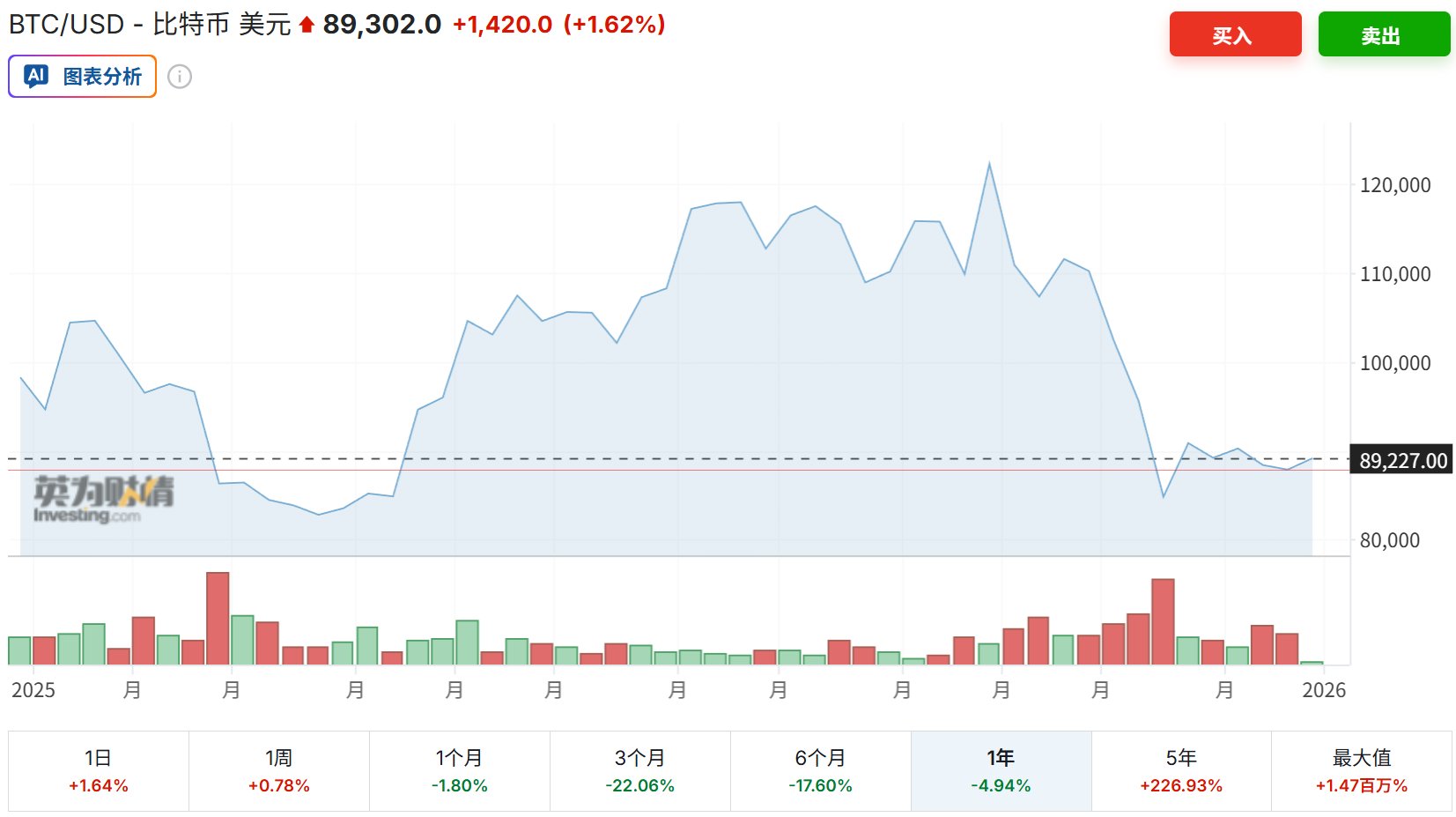
Group 1: Cryptocurrency and Political Influence - The year 2025 saw a surge in speculative trading linked to Donald Trump's brand, particularly in the cryptocurrency sector, with significant investments in assets associated with him [1][2] - Trump's family launched various tokens, including a meme coin and Melania Trump's own token, which experienced dramatic price declines by the end of the year, with some down nearly 99% [2][3] - Despite political momentum, these assets could not escape the fundamental volatility of the cryptocurrency market, highlighting the risks of speculative trading [1][3] Group 2: AI Stocks and Short Selling - Scion Asset Management disclosed protective put options on Nvidia and Palantir, signaling skepticism about their high valuations amid a market driven by AI hype [1][4] - The put options had strikingly low strike prices compared to the stocks' closing prices, indicating a bearish outlook from a well-known investor, Michael Burry [3][4] - This move reflects underlying doubts about the sustainability of AI-driven market gains, suggesting potential for significant market corrections [3][4] Group 3: European Defense Stocks - European defense stocks surged due to geopolitical shifts, with companies like Rheinmetall and Leonardo seeing year-to-date gains of approximately 150% and over 90%, respectively [6][8] - Investment managers, previously hesitant to engage with defense stocks, have now revised their strategies to include these assets, indicating a paradigm shift in investment focus [6][10] - The demand for defense-related investments has extended into the credit market, with new financial instruments being created to support military spending [6][10] Group 4: Gold and Inflation Hedge - The narrative of "devaluation trading" emerged as investors sought refuge in gold and cryptocurrencies amid concerns over national debts and inflation, leading to record highs for both assets [10][11] - This trend reflects a complex interplay between macroeconomic fears and the demand for safe-haven assets, with gold reaching unprecedented levels [10][11] - The market dynamics suggest that while fears of devaluation persist, strong demand for secure assets can coexist with broader economic uncertainties [10][11] Group 5: South Korean Stock Market - The South Korean stock market experienced a remarkable rise, with the Kospi index climbing over 70% in 2025, driven by government policies aimed at revitalizing the capital market [12][14] - Despite the impressive performance, local retail investors remained skeptical, opting to invest heavily in U.S. stocks instead, indicating a disconnect between foreign and domestic investor sentiment [12][18] - The government's ambitious target of reaching a Kospi index of 5000 has gained traction among major financial institutions, suggesting potential for continued growth [12][14] Group 6: Japanese Bonds - The Japanese bond market, once considered a "widowmaker," transformed into a profitable short-selling opportunity as yields surged, driven by government spending and interest rate hikes [22][25] - The Bloomberg Japan bond index recorded significant losses, marking it as the worst-performing major bond market globally [22][25] - Investor sentiment remains bearish, with expectations of further rate increases and ongoing fiscal challenges contributing to a negative outlook for Japanese bonds [22][25] Group 7: Credit Market Dynamics - The credit market in 2025 revealed vulnerabilities as several previously reliable borrowers faced significant financial distress, leading to a series of defaults and restructurings [30][31] - Notable cases included companies like Saxo Global and New Fortress Energy, which saw their bond values plummet, raising concerns about the overall health of the credit market [30][31] - The fragmentation of debt holders and the lack of transparency in borrowing practices have heightened risks for investors, prompting warnings from industry leaders [30][31]


市场热点眼花缭乱?新浪财经APP助你看懂全球股指风云
Xin Lang Cai Jing· 2025-12-29 03:39
热点栏目 自选股 数据中心 行情中心 资金流向 模拟交易 客户端 商业航天概念股开盘涨停,白银价格创下历史新高,美股在历史高位附近徘徊——今天早上,投资者小 张盯着屏幕上跳动的数字和纷至沓来的消息推送,感到一阵眼花缭乱。 周一开盘,A股市场延续近期热点快速轮动的特征。商业航天概念延续强势,机器人概念反复活跃。 与此同时,国际贵金属市场正经历历史性行情,现货白银周一开盘突破80美元/盎司后持续上涨,刷新 纪录高位至83美元上方。 01 开盘动向 本周一全球主要股指表现分化。亚洲市场开盘涨跌不一,上证综指微涨0.02%,报3964.65点;深证成指 基本持平。 香港恒生指数开盘上涨0.43%,报25,928.89点。日经225指数下跌0.12%,韩国综合股价指数上涨 0.41%。 美股市场方面,由于仍处圣诞假期后的交易清淡期,主要指数期货走势平稳。但回顾上周五,标普500 指数一度刷新历史纪录,最终三大指数均微跌收盘。 02 热点轮动 A股市场近期呈现明显的结构性特征。商业航天概念成为最大亮点,多只成分股涨停,其中神剑股份已 实现8连板。 机器人概念同样反复活跃,五洲新春等个股直线涨停。与此同时,市场成交量持续放 ...