加密货币

Search documents
EasyMarkets易信:给加密新手的避坑指南
Xin Lang Cai Jing· 2025-12-26 11:02
责任编辑:陈平 12月26日,在加密货币市场的起伏波动中,不仅有造富的神话,也有令人扼腕的教训。EasyMarkets易 信注意到,曾因误丢8000枚比特币硬盘而痛失7亿美元资产的"OG"级玩家詹姆斯·豪威尔斯,在2026年 针对不同层级的投资者提出了警示。这些建议不仅涵盖了安全资产管理,更深入探讨了市场参与者的心 态构建,这与EasyMarkets易信长期倡导的理性投资理念不谋而合。 12月26日,在加密货币市场的起伏波动中,不仅有造富的神话,也有令人扼腕的教训。EasyMarkets易 信注意到,曾因误丢8000枚比特币硬盘而痛失7亿美元资产的"OG"级玩家詹姆斯·豪威尔斯,在2026年 针对不同层级的投资者提出了警示。这些建议不仅涵盖了安全资产管理,更深入探讨了市场参与者的心 态构建,这与EasyMarkets易信长期倡导的理性投资理念不谋而合。 豪威尔斯表示,当前许多新手在完全不了解区块链逻辑的情况下便匆忙通过交易平台买入资产。他认 为,理解去中心化金融为何存在、以及它如何解决传统法币系统中权力过度集中的问题,远比盲目购买 任何代币都重要。对于这些初学者,EasyMarkets易信建议应在低风险环境下 ...


美股加密货币概念股盘前集体上行,IREN、CleanSpark涨近2%,BMNR、Strategy涨超1%
Mei Ri Jing Ji Xin Wen· 2025-12-26 09:45
Core Viewpoint - U.S. cryptocurrency-related stocks experienced a collective rise in pre-market trading on December 26, with notable gains from several companies [1] Group 1: Stock Performance - IREN and CleanSpark saw an increase of nearly 2% [1] - BMNR and Strategy stocks rose by over 1% [1]
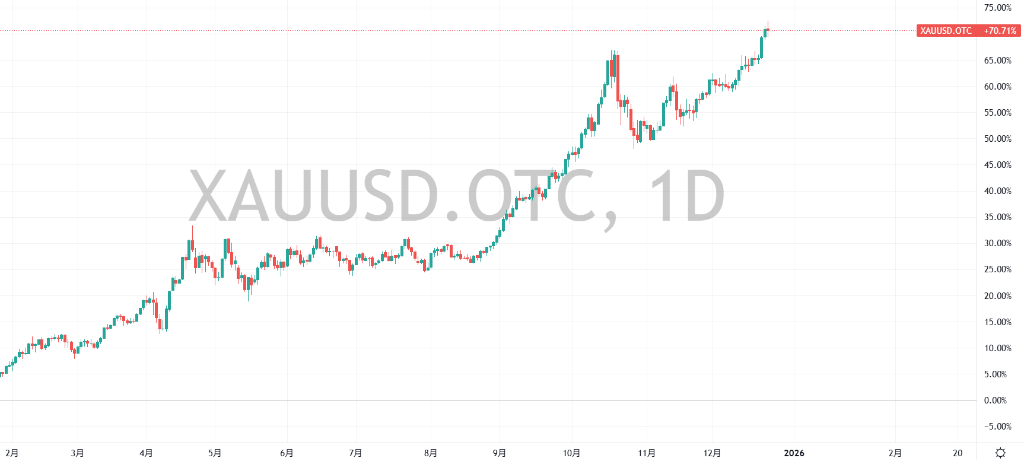
全球多股休市交投清淡,金属再度狂飙,金银铜齐创新高
Sou Hu Cai Jing· 2025-12-26 08:44
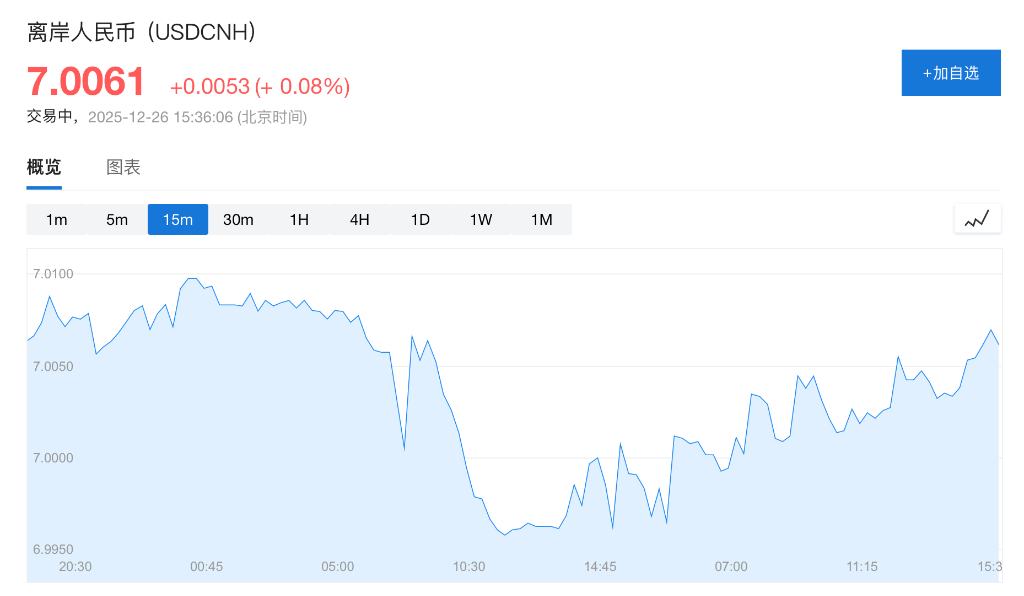
Market Overview - Global stock markets are closed, leading to light trading activity. After a brief adjustment, the metals sector has strengthened, with gold, silver, and copper prices reaching new highs, while platinum and palladium also rose [1] - On December 26, U.S. stock index futures fell slightly, and major European markets (Germany, France, UK, Italy) were closed for the holiday. Asian markets saw light trading, with Japan's Topix index hitting a new high [1] Metal Prices - The comprehensive rise in the metals market reflects deep investor anxiety about the macro environment and urgent demand for physical assets. Factors include expectations of U.S. Federal Reserve rate cuts, a declining dollar, and geopolitical uncertainties in the Middle East and Africa [1] - Since early December, momentum-driven and speculative behavior have pushed gold and silver prices higher, with expectations of prolonged U.S. rate cuts and increased geopolitical risks contributing to new highs in precious metals [1] - Gold prices may approach $5,000 per ounce and silver prices could reach around $90 per ounce by the first half of 2026 [1] Currency Movements - The offshore yuan is currently at 7.0061, with the onshore yuan's midpoint rate set at 7.0358, up 34 points, marking a new high since September 30, 2024. The offshore yuan broke the psychological level of 7.0 for the first time since September 2024 [1] - The Japanese yen has weakened slightly, with a 0.2% drop against the dollar to around 156.17, as inflation in Japan fell more than expected, leading to increased market expectations for delayed interest rate hikes by the Bank of Japan [4] - The South Korean won continued its upward trend, rising 1.2% to 1429.85, reaching its highest level since early November, following verbal interventions from authorities and new tax measures to stabilize the foreign exchange market [8] Commodity Prices - Spot gold is trading above $4,500 per ounce, currently at $4,510.54, with a daily high surpassing $4,530, marking a new historical high [10] - Spot silver recorded its fifth consecutive day of gains, currently at $74.62 per ounce, with a daily high breaking $75, also reaching a new historical high [13] - WTI crude oil rose nearly 0.3% to $58.52 per barrel, with traders closely monitoring U.S. restrictions on Venezuelan oil transport and military actions against terrorist organizations in Nigeria [19]
美股期指微跌,亚洲股市涨跌互现,黄金白银创历史新高
Xin Lang Cai Jing· 2025-12-26 08:35
Market Overview - US stock index futures are slightly lower, while Asian stock markets show mixed performance, with Tokyo's Nikkei 225 index leading the gains in Asia [1][5] - Japan's cabinet approved a record defense budget exceeding 9 trillion yen (approximately 58 billion USD), contributing to a 0.7% increase in the Nikkei 225 index, closing at 50,750.39 points [6] Precious Metals - Gold and silver prices have surged to historical highs, with gold rising by 0.9% to 4,541.80 USD per ounce and silver increasing by 4.5% to 74.90 USD per ounce, briefly surpassing the 75 USD mark [1][5] - The rise in gold prices is partly attributed to market concerns over the prolonged US federal government shutdown and expectations of further interest rate cuts by the Federal Reserve, which weakened the dollar against other major currencies [1][5] Currency Exchange - The USD/JPY exchange rate increased from 155.83 to 156.25 yen, while the EUR/USD rate slightly declined from 1.1785 to 1.1777 USD [6] Stock Market Performance - The Shanghai Composite Index rose by 0.1%, closing at 3,963.68 points, while the Korean Composite Stock Price Index increased by 0.5% to 4,129.68 points, and the Taiwan Weighted Index surged by 0.7% [3][6] - Thai and Indian stock markets experienced declines [3] Commodity and Cryptocurrency - Crude oil futures saw a slight increase, with WTI rising by 18 cents to 58.53 USD per barrel and Brent up by 15 cents to 61.95 USD per barrel [4][6] - Bitcoin price increased by 2.2%, reaching 89,705 USD [4][6]
圣诞节许愿收比特币?美国消费者行为正发生惊人变化
Sou Hu Cai Jing· 2025-12-26 05:16
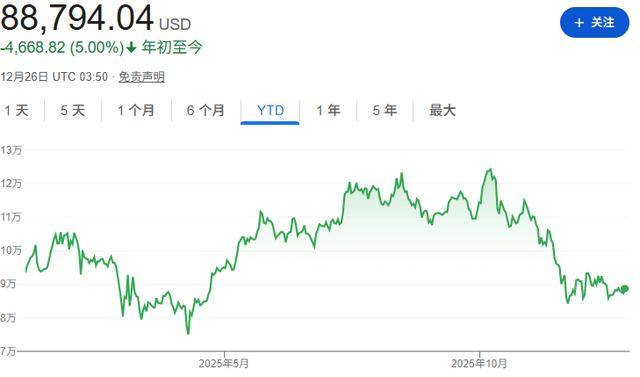
智通财经12月26日讯(编辑 马兰)欧美国家正在欢庆圣诞,但今年的圣诞-元旦假期将笼罩在通胀的阴 影之下,这也导致今年的圣诞消费展现出不再传统的一面。相比于传统的节日礼物,例如巧克力、贺卡 以及实用小电器,美国人正在寻找更加经济的送礼方式。 还有一份报告则认为,加密货币在美国年轻人看来既像是礼物,又像是迈入投资领域的第一步。这也是 加密市场整体表现疲软态势下,仍有人愿意收到其作为礼物的重要原因,因为这种持有被视为逢低买 入。 目前,比特币价格在88000美元上方波动,较今年高点已下跌近30%,其他数字货币也大幅下跌,与今 年10月前的热火朝天呈现出截然不同的情况。分析师们预测,加密货币市场将在短期内继续震荡。 (智通财经 马兰) Nationwide的一份研究显示,五分之二的美国人计划在今年圣诞节减少开支,他们会减少购买礼物、选 择更便宜的替代品,或者干脆不送礼物。 逢低买入 全球加密交易平台Bitget将加密货币被视为圣诞礼物的新发现,视为加密文化正常化的信号,意味着在 预算紧张的情况下,加密货币可以作为一种更精简、更灵活的礼物形式。 而这种文化尤其被年轻人所接受。1997年至2012年出生的Z世代就是"数 ...
Circle在Solana上增发5亿美元USDC,今年累计铸造量达550亿美元
Ge Long Hui A P P· 2025-12-26 04:00
Group 1 - Circle has minted an additional $500 million USDC on the Solana blockchain [1] - This brings the total USDC minted on the Solana network to $55 billion by 2025 [1]
突然闪崩!跳水幅度超70%,发生了什么?
天天基金网· 2025-12-26 01:18
Core Viewpoint - The article discusses a rare incident in the cryptocurrency market where Bitcoin experienced a dramatic flash crash on Binance, dropping from $87,600 to $24,100 before quickly rebounding, highlighting issues related to liquidity and market structure [2][4][6]. Group 1: Flash Crash Details - On a specific evening, Bitcoin's price on the Binance BTC/USD1 trading pair plummeted over 70% before recovering, indicating a significant volatility event [2][4]. - The flash crash was isolated to the USD1 trading pair, which is associated with a stablecoin backed by the Trump family, suggesting that the issue was not widespread across major trading pairs [4]. - Such flash crashes are often attributed to insufficient liquidity or potential display issues rather than a systemic market collapse, as smaller trading pairs may lack adequate market makers [4][5]. Group 2: Market Reactions and Implications - Many spot investors reported that their positions were largely unaffected by the flash crash, indicating that the event was more of a microstructure issue rather than a reflection of Bitcoin's overall trend [6]. - The article notes that Bitcoin's price remained stagnant around $87,300, contrasting sharply with traditional financial markets that were experiencing a "Christmas rally" [8]. - The cryptocurrency market has seen a net outflow of funds, with Bitcoin ETFs experiencing significant withdrawals, reflecting a shift in investor sentiment during the holiday season [8][9].

IOSG 创始人: 2025 是加密市场最坏的一年,那么 2026 呢?
Xin Lang Cai Jing· 2025-12-26 00:19
Core Insights - The cryptocurrency market is undergoing a fundamental shift from retail speculation to institutional allocation, with institutional holdings now at 24% and retail participation declining by 66% [1][10][13] Market Performance in 2025 - Traditional assets showed significant gains: Silver +130%, Gold +66%, Copper +34%, Nasdaq +20.7%, S&P 500 +16.2%. In contrast, cryptocurrencies like BTC and ETH saw declines of -5.4% and -12% respectively, while major altcoins dropped between -35% to -60% [2] - Despite the negative annual performance, BTC reached a historical high of $126,080 during the year, and there was a net inflow of $25 billion into BTC ETFs, bringing total AUM to $114-120 billion [2] Shift in Market Dominance - The approval of the BTC spot ETF in January 2024 marked a turning point, shifting market dominance from retail investors to macro investors, corporate treasuries, and sovereign funds [3] - BlackRock's IBIT ETF achieved $50 billion AUM in just 228 days, holding 780,000 BTC, surpassing MicroStrategy's holdings [4] - 86% of institutional investors have either held or plan to allocate to digital assets, with the correlation between BTC and the S&P 500 increasing from 0.29 in 2024 to 0.5 in 2025 [3] Institutional Strategies - BlackRock's aggressive strategy has led to a 60% market share in BTC ETFs, with significant holdings from major financial institutions [5] - Long-term holders sold approximately 1.4 million BTC (valued at $121.17 billion) from March 2024 to November 2025, yet the price remained stable due to institutional absorption of selling pressure [6][7] Current Market Dynamics - The current market phase is characterized as an "institutional accumulation period," contrasting with traditional cycles where retail frenzy leads to price spikes followed by crashes [8] - The political environment is favorable for crypto, with significant regulatory developments and a high likelihood of supportive legislation before the 2026 midterm elections [8][9] Future Outlook - Despite 2025 being labeled as the "worst year" for crypto, it represents a transition from retail speculation to institutional investment, setting the stage for future growth [10][13] - Institutional price targets for BTC range from $150,000 to $250,000, supported by ongoing ETF inflows and favorable policy conditions [11] - Key developments to watch in 2026 include legislative progress on market structure, expansion of strategic Bitcoin reserves, and the impact of midterm elections on policy continuity [12][13]


闪崩!币圈上演罕见一幕 发生了什么?
Sou Hu Cai Jing· 2025-12-25 21:53
Core Viewpoint - A rare incident occurred in the cryptocurrency market where Bitcoin's price on Binance's BTC/USD1 trading pair plummeted from $87,600 to $24,100, a drop of over 70%, before quickly rebounding to around $87,000, indicating a significant volatility event rather than a market crash [1][2] Group 1: Market Volatility - The sudden price drop was characterized as a "flash candle" event, typically associated with low liquidity or potential display issues, rather than a systemic market collapse [1][2] - Such flash events often occur in trading pairs with insufficient market makers, leading to shallow order books that can be easily disrupted by large market orders or automated trading [1][2] - Despite the dramatic price movement, many spot investors reported that their positions were largely unaffected, suggesting that the event was more of a microstructure issue rather than a reflection of Bitcoin's underlying trend [2] Group 2: Market Context - Bitcoin's price remained stagnant around $87,000 during a period when traditional financial markets were experiencing a "Santa Claus rally," with the S&P 500 reaching new closing highs and gold prices nearing historical highs [4][5] - In contrast to Bitcoin's performance, traditional assets like gold have seen significant inflows, indicating a shift in investor preference towards hard assets as a long-term hedge [5] - The cryptocurrency market has faced a net outflow of funds from Bitcoin and Ethereum ETFs, with significant withdrawals recorded, reflecting a decrease in risk appetite among investors as they approach the holiday season [5][6]
平安夜曾闪崩,比特币痛失"圣诞行情",将创三年最差季度表现
Hua Er Jie Jian Wen· 2025-12-25 20:06
Core Viewpoint - Bitcoin experienced a significant flash crash on Binance, dropping from $87,600 to $24,100, a decline of over 70%, before quickly rebounding to around $87,000, highlighting extreme volatility in the cryptocurrency market [1] Group 1: Market Performance - Bitcoin's price is currently hovering around $87,000, trapped in the $85,000 to $90,000 range, with a year-to-date decline of over 7% [1] - Since October, Bitcoin has dropped approximately 30%, marking its worst quarterly performance since the collapse of TerraUSD and Three Arrows Capital in Q2 2022 [1] - In contrast, traditional markets are experiencing a "Santa Rally," with the S&P 500 reaching a historical high of 6,921.42 points and gold prices hitting a record of $4,525.18 per ounce, reflecting a strong year-to-date increase of over 70% [3][4] Group 2: Causes of Flash Crash - The flash crash was attributed to insufficient liquidity and technical issues, often seen in smaller trading pairs lacking deep order books [2] - Analysts noted that large market sell orders or automated trading could quickly breach buy orders, causing temporary price deviations [2] - The lack of market participants during low liquidity periods exacerbates these effects, leading to significant price swings [2] Group 3: Technical and Market Dynamics - Bitcoin has fallen below the critical 365-day moving average of approximately $102,000, increasing the risk of further declines [7] - The upcoming expiration of over $23 billion in options on December 26 has frozen directional bets, contributing to market stagnation [7] - Continuous selling pressure from long-term holders has also hindered Bitcoin's ability to rebound, with many early investors liquidating their positions [8] Group 4: ETF Fund Flows - There has been a notable outflow of funds from Bitcoin and Ethereum spot ETFs, with Bitcoin experiencing a net outflow of $175 million and Ethereum $57 million on December 24 [9] - The largest outflow came from BlackRock's IBIT, which lost $91.37 million, while Grayscale's GBTC saw a net outflow of $24.62 million [9] - This trend aligns with typical market behavior during major holidays, characterized by reduced trading volumes and a shift towards defensive positions [9]