
乡村旅游

Search documents
湖州高质量发展建设生态文明典范城市
Xin Hua Wang· 2025-08-25 02:50
Core Insights - The article highlights the successful implementation of the "Green Mountains and Clear Waters are Gold and Silver Mountains" concept in Huzhou, showcasing its journey towards high-quality development through ecological initiatives and sustainable practices [1][4]. Group 1: Economic Development - Over the past 20 years, Huzhou's industrial output value has increased from 23.99 billion to 133.63 billion, with the number of high-tech enterprises rising from 30 to 2,048 [1]. - The city has rejected over 760 environmentally non-compliant projects, involving investments exceeding 100 billion, while fostering the growth of emerging industries such as new energy vehicles and semiconductors [3]. Group 2: Ecological Initiatives - Huzhou has established a comprehensive regulatory framework with 12 local ecological civilization laws and 13 national standards, leading to all districts being recognized as provincial-level beautiful rural demonstration counties [2]. - The city has maintained a water quality standard of Class III or above in Taihu Lake for 17 consecutive years, reflecting its commitment to environmental sustainability [2]. Group 3: Community Engagement - The introduction of the "Huzhou Ecological ID" encourages citizens to engage in low-carbon behaviors, rewarding them with benefits for actions like food waste reduction and green commuting [4]. - The latest green lifestyle index for Huzhou has reached 98.2, indicating a strong public commitment to sustainable living practices [4].
让碧海银滩成为金山银山
人民网-国际频道 原创稿· 2025-08-25 02:11
Core Viewpoint - The article emphasizes the transformation of Aojiao Village in Fujian Province into a thriving community through the development of marine industries while maintaining ecological balance, showcasing the principle that "green mountains and clear waters are also golden mountains and silver mountains" [3][6][11] Industry Overview - Aojiao Village has developed five main industries: marine fishing, aquaculture, seafood processing, e-commerce, and rural tourism, leveraging its coastal resources for economic growth [2][7] - The fishing industry has transitioned from wooden boats to steel vessels, with 640 fishing boats generating an annual output value of 330 million yuan [7] - Aquaculture in the village includes 138 high-end farms, with an annual output value of 3.7 billion yuan [7] - Seafood processing has evolved from primary to deep processing, with 38 processing plants, including Haiyuan Seafood, which generated 500 million yuan last year [7] - E-commerce has seen the establishment of 117 businesses, employing 532 skilled workers, with annual sales reaching 350 million yuan [7] - The village also features 41 seaside homestays with over 700 beds to cater to diverse tourist needs [7] Environmental Initiatives - Aojiao Village has implemented an integrated waste management system to address pollution, ensuring that waste from marine activities is properly collected and processed [4][5] - The local government conducts regular inspections of industrial enterprises to mitigate environmental hazards [4] - Efforts in pollution prevention and ecological protection have led to cleaner seawater and beaches, supporting marine biodiversity and local livelihoods [5][11] Economic Development - The village has embraced a model of harmonious coexistence with the sea, transforming marine resources into economic opportunities through sustainable practices [6][9] - The local economy is supported by a complete industrial chain from fishing to export, providing direct employment opportunities for residents [10] - Innovative practices such as live-streaming sales of seafood have modernized traditional fishing and selling methods, significantly increasing business scale and revenue [10][11]
奔赴山海之约 福建乡村旅游焕新生
Xin Hua She· 2025-08-24 00:33
Core Insights - The article highlights the increasing popularity of rural tourism in Fujian, with various villages successfully integrating cultural and tourism resources into rural revitalization efforts [1][2][4] Group 1: Tourist Attractions and Visitor Statistics - Dongbi Village in Xiapu County is experiencing a surge in tourism, expecting to receive approximately 2.4 million visitors in 2024, with local fishermen diversifying their income through homestays and dining services [1] - Monkey Shield Village in Nadou Town attracted over 80,000 visitors last year, generating tourism revenue exceeding 10 million yuan [2] - Wulin Traditional Village in Jinjiang is projected to attract nearly 2 million visitors in 2024, showcasing a variety of architectural styles and cultural experiences [2] - Xunpu Village, known for its unique customs, is expected to receive over 8.5 million visitors in 2024, with daily visitor numbers reaching around 20,000 [4] Group 2: Economic Impact and Community Development - Villagers in Dongbi Village have reported annual incomes exceeding 200,000 yuan from tourism-related activities [1] - The revitalization of Wulin Village has transformed it from a neglected area into a vibrant tourist destination, with 132 historical buildings attracting visitors [2] - The introduction of diverse cultural experiences in Xunpu Village has significantly increased local residents' incomes, with nearly 300 photography shops operating in the area [4] Group 3: Cultural Integration and Revitalization Efforts - The article emphasizes the importance of preserving cultural heritage while promoting tourism, as seen in the transformation of Wulin Village through protective development and cultural integration [2][3] - Xunpu Village's success is attributed to its unique cultural practices, such as the "Zan Hua Wei" tradition, which has become a significant draw for tourists [4]
浙江万千乡村铺展“共富共美”画卷
Ren Min Ri Bao· 2025-08-24 00:09
Core Insights - The articles highlight the transformation of rural areas in Zhejiang Province, China, focusing on ecological restoration and sustainable economic development through tourism and local industries [1][2][3][4][5][6][7][8] Group 1: Ecological Restoration and Tourism Development - The "Two Mountains" theory guides the development of beautiful villages, emphasizing the integration of ecological improvement with economic growth [1] - Villages like Luli Keng have shifted from traditional industries like lime production to tourism and local food production, resulting in significant job creation and income generation [2] - The restoration of natural environments has led to increased tourist visits, with some villages attracting over 200,000 visitors annually [3] Group 2: Economic Value of Ecological Resources - Villages are leveraging their natural resources to create new economic opportunities, such as tea cultivation and eco-tourism, which have high market value [4][5] - The development of carbon offset projects and biodiversity conservation initiatives has enhanced the ecological and economic profile of these villages [4] - The establishment of cooperative models, such as the "Common Prosperity Workshop," has improved product quality and market access for local farmers [7] Group 3: Community Engagement and Shared Prosperity - The articles emphasize the importance of community involvement in the development process, with local residents actively participating in new economic activities [6][8] - Collaborative efforts among neighboring villages have strengthened their competitive edge in tourism and local products, enhancing overall economic resilience [8] - The goal of achieving "common prosperity and beauty" is being pursued through integrated development strategies that benefit both the environment and local communities [8]
山西吕梁以文旅融合赋能传统村落
Ren Min Ri Bao· 2025-08-23 22:42
Group 1 - The core viewpoint emphasizes the potential of traditional villages in Shanxi Province, particularly in Luliang City, for rural industry development and income generation through tourism and cultural preservation [1][2][4] - Luliang City has initiated the construction of 100 key rural tourism villages as part of a broader strategy for rural revitalization, leveraging cultural and natural resources to enhance tourism [2][4] - Zhangjiata Village has become a popular filming location for anti-Japanese war films, contributing to local income through tourism-related activities and the establishment of various facilities such as a Hanfu museum and boutique homestays [2][3] Group 2 - The "Hundred Enterprises Supporting Hundred Villages" initiative in Xiaoyi City aims to stimulate private sector involvement in developing new tourism formats, including homestays and recreational activities [3] - Xiaoyi City has successfully integrated traditional culture with modern tourism experiences, attracting over 550,000 visitors since early 2025, which has significantly increased the village's visibility and economic activity [3] - Luliang City plans to encourage local counties to enhance agricultural and cultural tourism integration, fostering new tourism formats that highlight the unique cultural and natural attributes of traditional villages [4]
坚持保护与利用并重 山西吕梁以文旅融合赋能传统村落
Ren Min Ri Bao· 2025-08-23 22:20
Group 1: Core Insights - The traditional villages in Luliang City, Shanxi Province, hold significant historical and cultural value, presenting substantial development potential for rural industries and income generation [1][4] - Luliang City has initiated the construction of 100 key rural tourism villages as part of its comprehensive rural revitalization strategy, emphasizing the integration of cultural and tourism resources [2][4] - Zhangjiata Village has become a popular filming location for anti-Japanese war movies, contributing to local economic growth through tourism and film production [2][3] Group 2: Development Initiatives - The local government is implementing a "Hundred Enterprises Supporting Hundred Villages" initiative to stimulate private sector engagement in rural tourism and related industries [3] - Various traditional villages are encouraged to develop unique tourism offerings based on their specific resources and characteristics, promoting a differentiated development strategy [2][4] - The city aims to enhance the integration of agriculture, culture, and tourism, fostering new business models and experiences in rural areas [4]
江苏苏州:致富“靠山”就是“三棵树”
Xin Lang Cai Jing· 2025-08-23 21:07
Core Viewpoint - The development of Shushan Village, facilitated by the construction of a wooden plank road, exemplifies an "ecological economics" model that integrates agriculture, tourism, and environmental protection, leading to increased income for villagers and sustainable development [1][15]. Group 1: Economic Development - The wooden plank road, approximately 3.6 kilometers long, has transformed Shushan Village by enhancing agricultural management and improving the freshness of farm products [5][15]. - The village's annual income has exceeded 10 million yuan, with average household income surpassing 300,000 yuan, driven by agricultural sales and rental of residential properties [15]. Group 2: Ecological and Cultural Impact - The plank road promotes an immersive recreational experience while preserving the natural landscape, thus creating an "ecological path" for sustainable tourism [1][15]. - New businesses, such as homestays and cultural centers, have emerged along the plank road, enriching the local economy and attracting both tourists and returning residents [11][13]. Group 3: Community Engagement and Transformation - Initially met with skepticism, the plank road has become a symbol of community pride and economic opportunity, leading to a resurgence of local entrepreneurship [7][9]. - The integration of ecological protection with industrial development has created a "scene economy," moving away from traditional ticket-based revenue models [15].


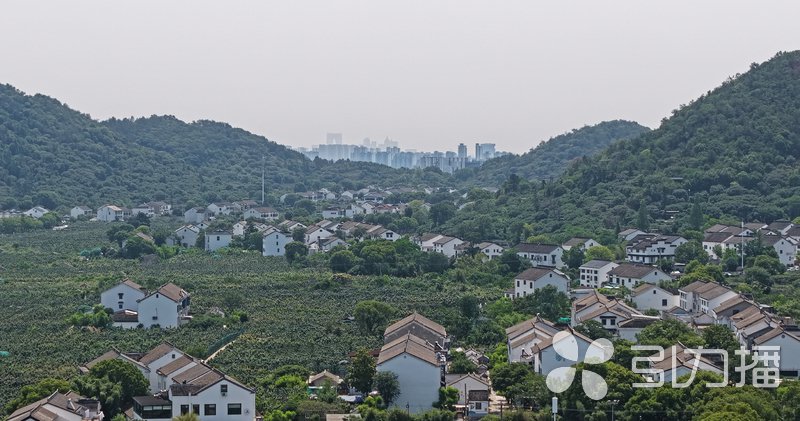
三亚雅亮村人水相依,唱响幸福和美之歌
Hai Nan Ri Bao· 2025-08-23 00:59
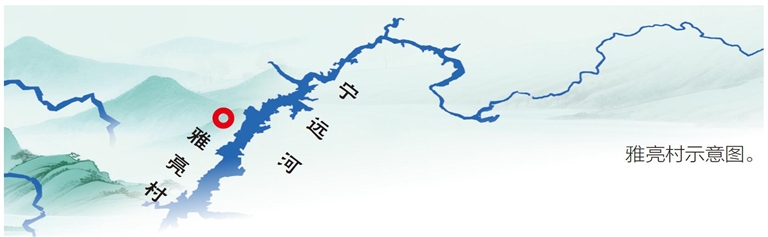
Core Viewpoint - The article highlights the transformation of Yaliang Village in Sanya, Hainan, showcasing its ecological development, cultural heritage, and economic growth driven by the construction of the Yaliang Bridge and the cultivation of mangoes, positioning it as a model for beautiful rural areas in China [4][6][9]. Infrastructure Development - The Yaliang Bridge, completed in December 2007, spans 1214 meters and significantly improved transportation and logistics for the village, reducing costs and enhancing the efficiency of mango and other agricultural product transportation [5][6]. - The bridge serves as a crucial transportation hub, connecting Sanya city and Ledu, facilitating regional exchanges and tourism [6]. Agricultural Development - Yaliang Village is renowned for its mango industry, with over 2000 acres dedicated to mango cultivation, supported by the irrigation from the Ningyuan River [8]. - The village is home to over 40 ancient mango trees, some over 300 years old, which are being preserved and utilized for breeding new mango saplings, enhancing the local agricultural resilience [7][8]. Ecological and Cultural Enhancement - The village has undergone significant beautification efforts, including the repair of roads and the beautification of homes with local cultural elements, attracting tourists and enhancing community pride [9][10]. - The construction of terraced fields has not only improved agricultural productivity but also contributed to the scenic beauty of the area, making it a tourist attraction [9]. Community and Heritage - The article emphasizes the strong connection of the villagers to their land and heritage, with many former residents returning to witness the village's transformation and express their pride in its development [10].
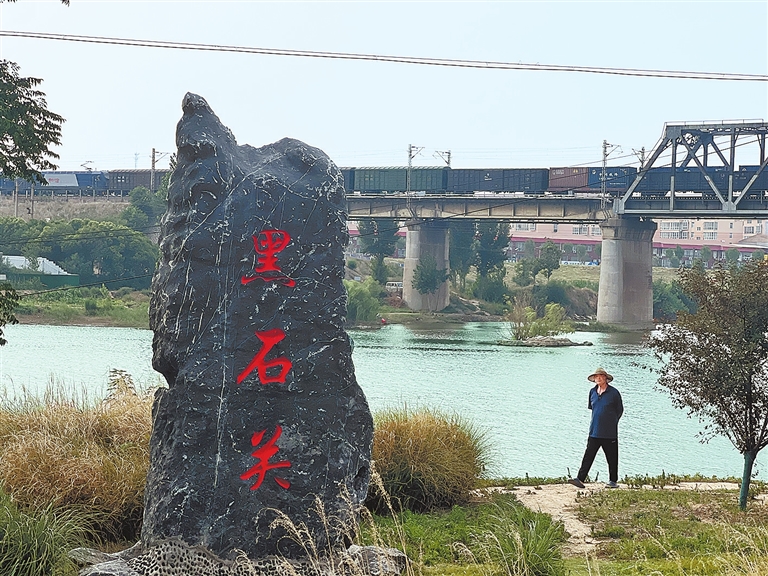
千年关隘黑石关: 从烽火硝烟到山河新语
He Nan Ri Bao· 2025-08-22 23:33
Core Viewpoint - The article highlights the historical significance of Heishi Pass during the Anti-Japanese War and its transformation into a red education site, showcasing the blend of history, culture, and modern development in the region [3][6]. Historical Significance - Heishi Pass was a strategic location in ancient times, known as a contested military site [3]. - The construction of the Heishi Pass Bridge in 1903 was a key development for the railway connecting Kaifeng and Luoyang [3]. - In 1944, the Japanese army occupied the area, leading to significant military actions, including the destruction of the bridge by the Nationalist forces to hinder Japanese advances [3][4]. Military Engagement - The night attack on Heishi Pass by the Eighth Route Army was a pivotal moment, resulting in the defeat of Japanese and puppet forces, the capture of 13 soldiers, and the rescue of over 2,000 forced laborers [4][5]. - This battle marked the first significant victory for the Eighth Route Army in the region, enhancing their influence among the local population [4][5]. Modern Development - The area has undergone significant transformation, with the establishment of new villages and infrastructure, including well-paved roads and flourishing orchards [5]. - East Heishi Pass village has developed a diverse agricultural sector, growing over 10 varieties of fruits across 400 acres, and has also embraced rural tourism [5]. - The city of Gongyi has emerged as a "trillion county" in Henan, with numerous green factories and sustainable production lines contributing to economic growth [5]. Cultural Integration - Heishi Pass has become a site for red education, attracting visitors interested in the history of the Anti-Japanese War [6]. - The integration of historical heritage, ecological beauty, and intangible cultural heritage is being promoted through innovative methods, enhancing the region's cultural appeal [6].
活力中国调研行|文旅焕新 产业富民——水乡古村落焕发新生机
Xin Hua She· 2025-08-22 22:04
Core Insights - The article highlights the revitalization of the ancient village of Beida in Fujian Province through the development of a unique cultural tourism industry, showcasing the transformation of rural areas into vibrant economic hubs [1][2][3] Group 1: Cultural Tourism Development - Beida village has created a "water bus" route that connects scenic spots and promotes new tourism consumption models, including camping and fishing [1] - The village integrates historical elements, such as the achievements of local scholars, into its tourism offerings, enhancing visitor engagement with traditional culture [2] - The introduction of immersive experiences, like traditional games and crafts, allows visitors, especially children, to learn about Chinese culture while enjoying leisure activities [2] Group 2: Economic Impact - The cultural tourism boom has enabled local residents to benefit economically, with a notable increase in village collective income projected to grow by approximately 30% in 2024 [3] - The village has adopted a comprehensive operational model that combines resource integration, brand development, and community prosperity, leading to job creation in various tourism-related services [3] - Future plans include collaboration with neighboring villages to create a cohesive tourism strategy that enhances the overall economic vitality of the region [3]