Biomedicine

Search documents
没有巨头的江南“小城”,靠什么人均GDP四超上海?
3 6 Ke· 2025-07-01 04:33
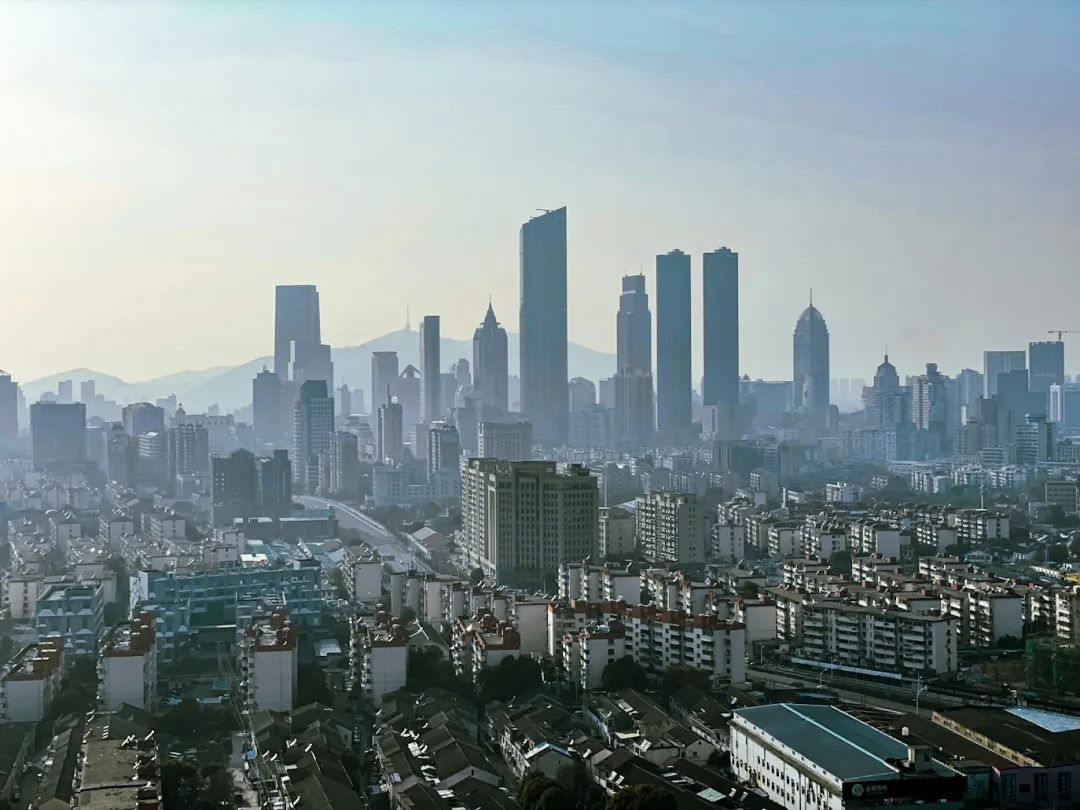
Core Viewpoint - Wuxi has successfully transformed its industrial landscape by shutting down thousands of polluting enterprises and focusing on high-value industries, particularly integrated circuits, positioning itself as a key player in the Yangtze River Delta region and surpassing Shanghai in per capita GDP for four consecutive years [1][5][7]. Group 1: Industrial Transformation - Wuxi's per capita GDP reached 216,900 RMB in 2024, ranking second nationally and surpassing Shanghai for the fourth consecutive year [7]. - The city has become a core node for high-value industries, particularly integrated circuits, with an output value of 240 billion RMB in 2023, ranking second among Chinese cities [5][19]. - Wuxi's industrial land output efficiency is approximately 300 billion RMB per square kilometer, significantly higher than that of Suzhou and Hangzhou [20]. Group 2: Strategic Positioning - Wuxi's industrial strategy aligns with national priorities, focusing on integrated circuits and supercomputing, which has allowed it to embed itself into the national industrial framework [19][40]. - The city has successfully transitioned from a traditional industrial base to a new type of industrial powerhouse, leveraging its historical strengths and adapting to ecological constraints [7][47]. Group 3: Key Industries and Companies - Wuxi hosts leading companies in various sectors, including: - Huahong Semiconductor, the largest power device foundry globally [6]. - SK Hynix, the largest DRAM production base worldwide [6]. - WuXi Biologics, among the top three global CDMO capacities in biopharmaceuticals [6]. - The integrated circuit industry in Wuxi is characterized by a balanced structure with local enterprises dominating, enhancing resilience against external risks [22]. Group 4: Historical Context and Development Model - Wuxi's industrial evolution is rooted in the "Su Nan Model," which emphasizes local government support and collective economic initiatives [23][27]. - The city has a historical foundation in manufacturing, with early developments in township enterprises that laid the groundwork for its current industrial landscape [27][30]. Group 5: Challenges and Future Outlook - Despite its successes, Wuxi faces potential risks related to over-diversification and the need for stronger focus in key industries to maintain competitive advantages [41][45]. - The city must balance its diverse industrial base while fostering leading enterprises that can penetrate technological barriers and attract top talent [46].


川大团队“解题式”科研:合成生物破局亚精胺量产|创新药观察
Hua Xia Shi Bao· 2025-06-26 08:52
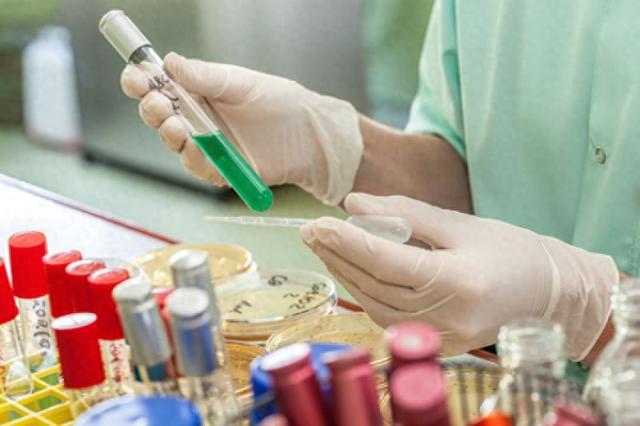
Core Viewpoint - The research team at Sichuan University is leveraging synthetic biology to develop a cost-effective production method for spermidine, a natural polyamine with significant applications in anti-aging and cardiovascular disease prevention, which is projected to become a billion-dollar bioactive molecule [2][3]. Group 1: Technology and Innovation - The production of spermidine has been hampered by high costs and technical bottlenecks, with traditional extraction methods yielding only 1% purity and chemical synthesis being prohibitively expensive [3][4]. - The team has utilized machine learning algorithms to simulate yeast metabolic networks, significantly enhancing spermidine synthesis efficiency [4]. - A breakthrough was achieved by discovering an extracellular secretion mechanism that allows spermidine to be actively expelled from cells, improving purity and reducing energy consumption during extraction [5]. Group 2: Market and Application - Spermidine is positioned to drive multiple billion-dollar industries, with products in the food sector entering trial production and clinical trials for cardiovascular disease prevention underway in the pharmaceutical sector [7]. - A report from McKinsey Global Institute indicates that 60% of industrial products could be manufactured using biotechnology, with synthetic biology expected to generate $2-4 trillion in direct economic benefits annually between 2030 and 2040 [7]. Group 3: Policy and Industry Collaboration - Chengdu has emerged as a hub for synthetic biology, with various local governments implementing supportive policies, facilitating the transition from technology to market applications [8]. - The collaboration between universities and enterprises is crucial for addressing real market needs, ensuring that research is aligned with practical applications [9].
发挥比较优势 作出更大贡献——访省人大常委会副主任、周口市委书记张建慧
He Nan Ri Bao· 2025-06-26 07:00
Group 1 - The core objective is to focus on the '1+2+4+N' target task system to promote high-quality development and efficient governance in Zhoukou, aiming to contribute significantly to the construction of a national regional central port city [1][2] - The city plans to accelerate the development of a strong advanced manufacturing industry by nurturing strategic emerging industries such as biodegradable materials, biomedicine, and intelligent components, while upgrading traditional industries like textiles and special steel [1] - Zhoukou aims to enhance the digital transformation of enterprises, focusing on increasing the intelligence, sustainability, and profitability of the manufacturing sector through a structured approach [1] Group 2 - The construction of a port-type national logistics hub is prioritized, with a focus on developing the Zhoukou Port small collection operation area and dedicated railway lines to enhance modern, professional, and intelligent inland shipping [2] - The city intends to promote cultural prosperity by leveraging its status as a national historical and cultural city, aiming to develop a cultural tourism industry as a pillar of the local economy [2]
2025上财商学院MBA/EMBA“商链共生”校企合作及培养方向升级发布会在沪举行
Zhong Zheng Wang· 2025-06-24 08:40
Group 1 - The event focused on the integration of education and industry, highlighting the launch of a new school-enterprise cooperation plan and upgraded training direction for the MBA/EMBA programs at Shanghai University of Finance and Economics [1][2] - The "Business Chain Symbiosis" initiative aims to enhance collaboration between academia and industry, addressing the challenges of the evolving business ecosystem and fostering a new educational paradigm [2] - The new training direction includes seven modules designed to promote industry-education integration, such as expert-led forums, industry park visits, and practical projects that solve real business problems [2] Group 2 - A cooperation awarding ceremony took place, with nine organizations recognized as "MBA Talent Training Practice Bases," covering cutting-edge fields like artificial intelligence, biomedicine, and industrial internet [3] - This recognition signifies a significant step forward for the "Business Chain Symbiosis" plan, expanding the network of collaboration between schools and enterprises [3]
活力中国调研行丨广东:推动企业在科技创新中“唱主角”
Ke Ji Ri Bao· 2025-06-23 14:33
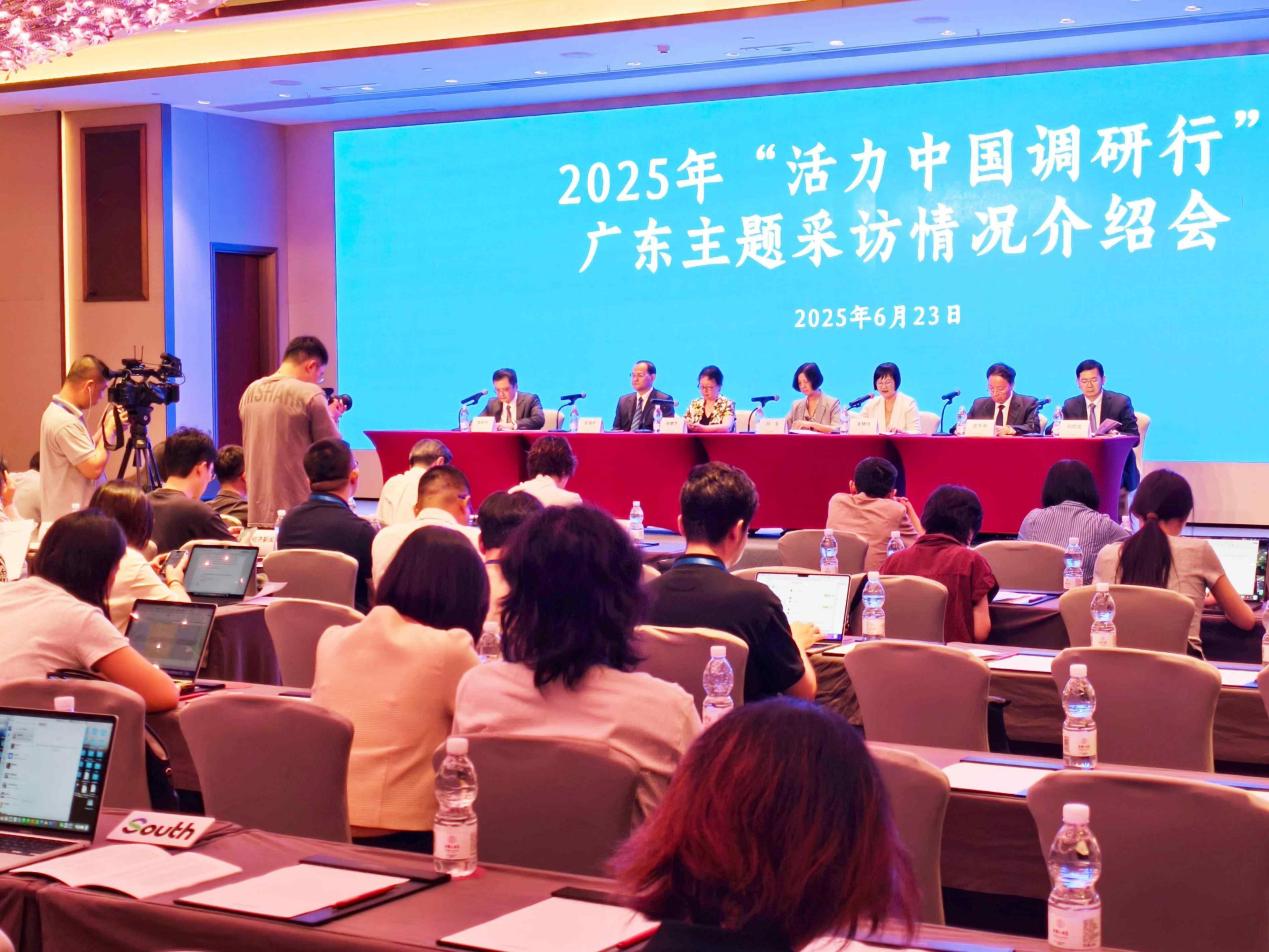
Group 1 - Guangdong is promoting enterprises to take the lead in technological innovation, with over 50% of key R&D projects in 2024 being led by enterprises and 90% participation from them [1][3] - The province has established a gradient cultivation system for technology enterprises, enhancing the international competitiveness of leading companies like Huawei, Tencent, BYD, and Midea, with 17 companies listed in the 2024 Fortune Global 500 [3] - Guangdong's R&D expenditure has surpassed 510 billion yuan, maintaining the highest level in the country, with an R&D intensity of 3.6% [4] Group 2 - In 2024, the amount of R&D expenses eligible for tax deductions for enterprises in Guangdong is expected to exceed 690 billion yuan [3] - The province is focusing on emerging industries such as artificial intelligence, robotics, new energy vehicles, and biomedicine, with the smart robotics industry cluster projected to generate over 90 billion yuan in revenue [3] - Guangdong's regional innovation capability has ranked first in the country for eight consecutive years, with the "Shenzhen-Hong Kong-Guangzhou" tech cluster ranked second globally in innovation index for five years [4]
科创板正式开板6周年!科创综指ETF华夏(589000)近1周日均成交额排名可比基金首位!
Mei Ri Jing Ji Xin Wen· 2025-06-13 03:13
Group 1 - The Shanghai Stock Exchange's Sci-Tech Innovation Board (STAR Market) has officially celebrated its 6th anniversary, emphasizing its focus on "hard technology" with over 588 listed companies, predominantly in integrated circuits, biomedicine, and high-end manufacturing, which account for over 60% of the total [2] - The integrated circuit sector on the STAR Market has 119 companies, representing a significant portion of A-share listed companies in the same category, covering the entire supply chain from chip design to packaging and testing [2] - The biomedicine sector includes 113 listed companies focusing on treatments for cancer, hepatitis B, hepatitis C, and AIDS, establishing itself as a major listing venue globally outside the US and Hong Kong [2] Group 2 - The top ten weighted stocks in the STAR Market index account for 22.3% of the index, with notable companies including Haiguang Information, Cambricon, and SMIC [4] - The Huaxia STAR Market ETF closely tracks the STAR Market Composite Index, which reflects the overall performance of eligible STAR Market listed companies, including dividend income [3][4] Group 3 - Investment sentiment in the technology sector remains cautious due to trade uncertainties, but there is a consensus that trade policies will not revert to earlier unfavorable conditions [3] - Artificial intelligence is identified as a key technological change, with expectations for market focus to shift back to infrastructure development and application realization in the latter half of the year [3] - There is an ongoing emphasis on domestic substitution processes within the technology supply chain, particularly in semiconductor design, equipment, and manufacturing [3]
“光PPT就做了上百页”!上海三大产业先导基金再出手17只子基金,五倍乘数效应将撬动近800亿元社会资本
Hua Xia Shi Bao· 2025-06-12 03:23
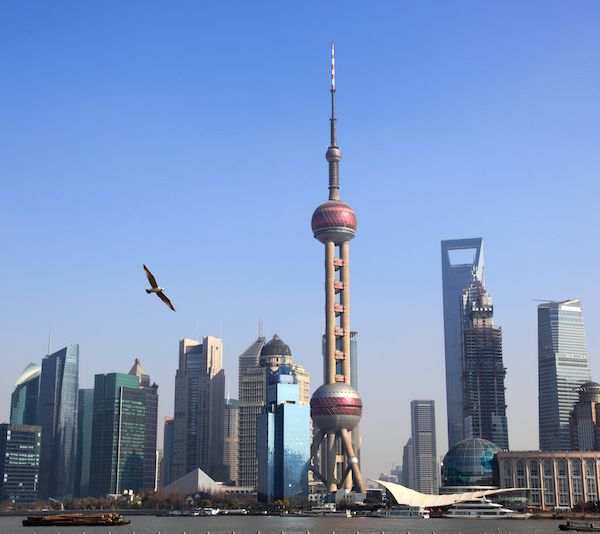
Core Viewpoint - The establishment of private equity funds by insurance giants coincides with a competitive investment race initiated by local industry guiding funds, particularly in Shanghai, which has seen significant activity in this area [1][5]. Group 1: Investment Overview - Shanghai's three major guiding industry mother funds announced the selection results for their second batch of sub-funds, with 17 sub-funds chosen, including two integrated circuit funds, ten biomedicine funds, and five artificial intelligence funds, with a total intended investment of 4.15 billion yuan and a total fund size of 24.15 billion yuan, achieving a leverage ratio of 5.82 times [1][2]. - The total scale of the three guiding industry mother funds established last July reached 89 billion yuan, with the first batch of 12 ecological cooperation funds committing 6.7 billion yuan, resulting in a total fund size of 25 billion yuan and a leverage ratio of 3.73 times [1][5]. Group 2: Sub-Fund Details - The two integrated circuit sub-funds focus on the local integrated circuit industry chain, aiming to build an "industry capital + state-owned capital collaborative" ecosystem to strengthen Shanghai's competitive advantage in the global integrated circuit industry [3][4]. - The ten biomedicine sub-funds are managed by various investment firms, aiming to incubate industry leaders and address key technological bottlenecks within the biomedicine sector [3][4]. - The five artificial intelligence sub-funds include managers with diverse strategies, from regional development enablers to global innovation connectors, all contributing to a comprehensive ecosystem for AI development [4][5]. Group 3: Strategic Focus - The selection of the second batch of sub-funds emphasizes policy guidance and industry needs, focusing on three main criteria: depth of industry chain binding, alignment with policy direction, and resource integration and strategic collaboration capabilities [5]. - Shanghai is accelerating the development of three leading industries: integrated circuits, biomedicine, and artificial intelligence, with a combined industry scale reaching 1.8 trillion yuan [5].
科创板产业整合按下“加速键” 优质案例渐次落地
Xin Hua Cai Jing· 2025-06-06 12:50
Group 1 - The core viewpoint of the articles highlights the increasing activity in the Sci-Tech Innovation Board's M&A market, driven by supportive policies, which is facilitating industrial integration and upgrading [1][2] - Recent M&A transactions include the acquisition of Aoyikex Automotive Electronics by Lingdian Electric Control, the acquisition of Sigma Microelectronics by Narui Radar, and the acquisition of Pengli Biological by Aopumai, with respective shareholder meetings scheduled for June 13, 16, and 23 [1] - According to the Shanghai Stock Exchange, after the release of the "Eight Measures for the Sci-Tech Innovation Board," there have been 105 newly disclosed M&A transactions, totaling over 33.3 billion yuan, with significant deals including Hu Silicon Industry's acquisition of minority stakes for 7.04 billion yuan and Chiplink Integration's acquisition of Chiplink Yuezhou for 5.897 billion yuan [1] Group 2 - Companies like Haiguang Information and Zhongke Shuguang are planning a share swap merger, which will enhance Haiguang's industrial layout from chips to software and systems, consolidating quality resources across the information industry chain [2] - Several companies that previously disclosed specific transaction plans are making significant progress towards achieving industrial integration, with various M&A transactions undergoing review and approval processes [2] - Notable transactions that have received approval include Chiplink Integration's acquisition of Chiplink Yuezhou and other companies like Slinjie and Huahai Chengke, which are advancing their respective M&A processes [2]


部省政策“组合拳”激活新型工业化华东样板
Xin Hua Wang· 2025-05-27 07:12
Core Insights - The article highlights the collaborative efforts of various policies in the East China region to promote new industrialization, particularly through the integration of artificial intelligence and high-tech development [1][20]. Group 1: Artificial Intelligence and Industrial Development - Artificial intelligence has become the "intelligent core" of new industrialization in East China, with Shanghai having 60 generative AI service models registered, ranking second nationally [6][20]. - The AI industry in Shanghai is projected to exceed 450 billion yuan by 2024, establishing it as a significant technology innovation center [6]. - Jiangsu province has over 400 specialized "little giant" enterprises in the AI sector, leading the nation in computing power and application of large models [6]. Group 2: Economic Performance and Growth Metrics - In 2024, Shanghai's industrial added value is expected to grow by 2.2% to reach 1.09 trillion yuan, with industrial investment surpassing 200 billion yuan, marking a historical high [11]. - The strategic emerging industries in Shanghai account for 43.6% of the total industrial output, with new generation information technology and high-end equipment industries growing by 7.1% and 5.1%, respectively [11][12]. - Jiangsu's industrial added value increased by 8.1% in the first four months of 2024, indicating robust industrial vitality driven by AI [7]. Group 3: National High-Tech Zones and Innovation - The 178 national high-tech zones have become core drivers of China's technological innovation, contributing 19.3 trillion yuan to GDP in 2024, with a nominal growth of 7.6% [15]. - High-tech industries within these zones account for 24.1% of the national industrial added value, showcasing their significant role in the economy [15]. - Suzhou Industrial Park, recognized as the "fourth pole" of national high-tech zones, achieved a 10.3% increase in industrial added value in 2024, with high-tech industries making up 74% of its output [16]. Group 4: Policy Synergy and Collaborative Framework - The article outlines three main collaborative logics in the new industrialization practices of East China: policy synergy, integration of innovation and industry, and open empowerment [20]. - The Ministry of Industry and Information Technology's top-level design aligns with local policies, such as Shanghai's implementation plan supported by 24 incremental policies [20]. - The establishment of innovation platforms and industrial clusters is crucial, with 70% of national manufacturing innovation centers located in high-tech zones [20].

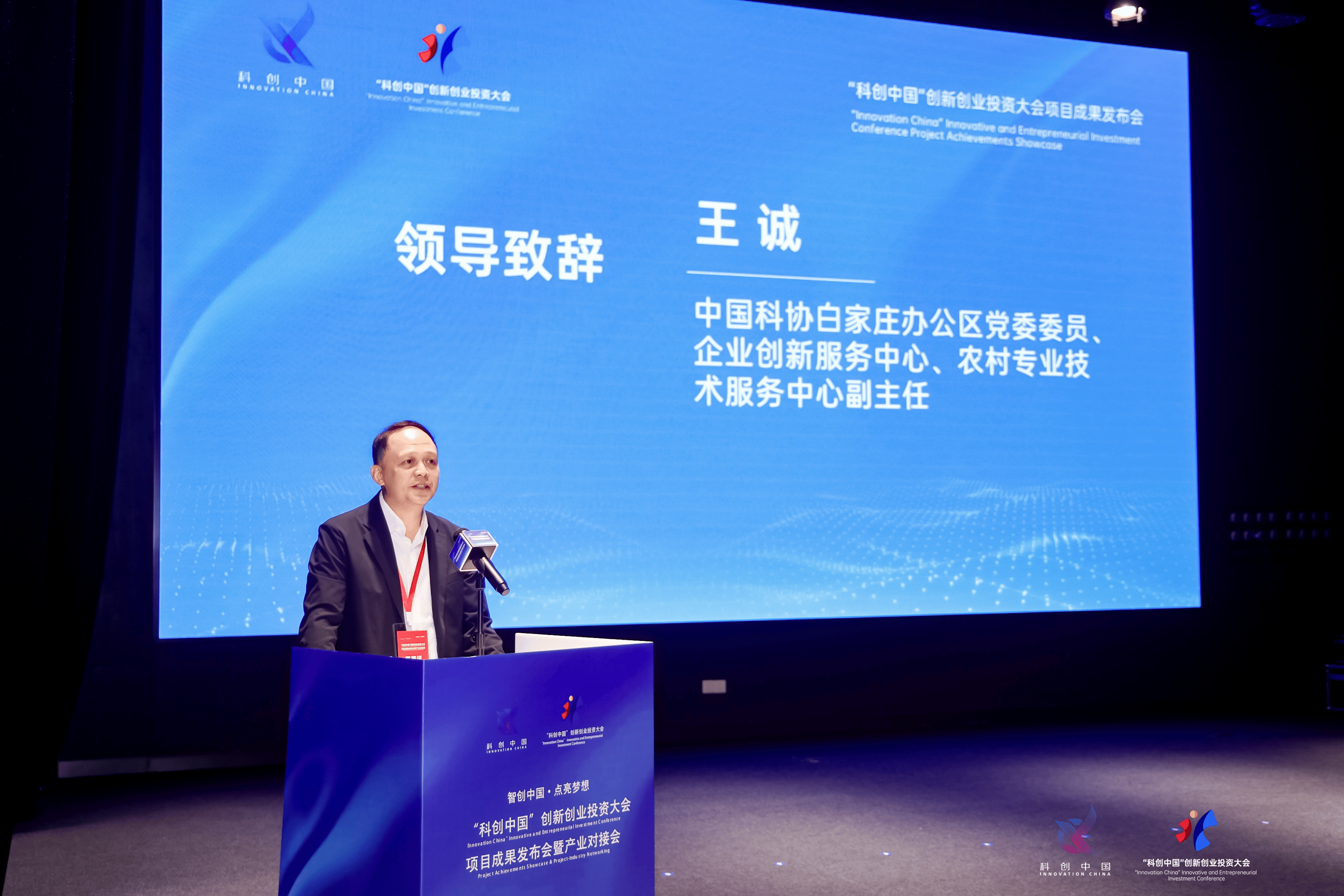
超50项前沿成果亮相! “科创中国”创新创业投资大会项目成果发布会收官
Sou Hu Cai Jing· 2025-05-23 14:17
Core Insights - The "Innovation and Entrepreneurship Investment Conference" in Shenzhen showcased the integration of technology innovation and capital, emphasizing the importance of collaboration among various stakeholders [1][4][6] - Since its inception in 2020, the conference has collected 24,864 quality projects across strategic emerging industries such as AI, biomedicine, and new energy vehicles [1] - The current conference focused on five cutting-edge sectors: new generation information technology, high-end equipment manufacturing, green low-carbon & new materials, biomedicine, and digital economy, featuring over 50 innovative results [1][4] Event Highlights - The conference featured immersive roadshows for benchmark projects in the five sectors, allowing for a comprehensive display of advanced technologies [4] - Representatives from various districts in Shenzhen promoted their regional industrial positioning and policy advantages, enhancing local collaboration [4] - The event also recognized the top 10 industry projects and outstanding organizations for their contributions to technological innovation [4] Future Plans - The conference announced a work plan for 2025, aiming to collect 500 quality projects with at least 70% from outside the city, focusing on grassroots empowerment and city-district collaboration [8] - The plan includes a customized "one district, one industry map" to better align technical demands with project resources [8] Support Mechanisms - The conference facilitated one-on-one discussions between outstanding project teams and quality investment institutions, addressing financing challenges for technology workers [6] - The Shenzhen Association for Science and Technology and other local organizations are committed to providing comprehensive support throughout the project lifecycle [10]