
宠物

Search documents
宠物板块景气度上升 新华出海成份股中宠股份海外营收占比超六成
Xin Hua Cai Jing· 2025-08-22 09:49
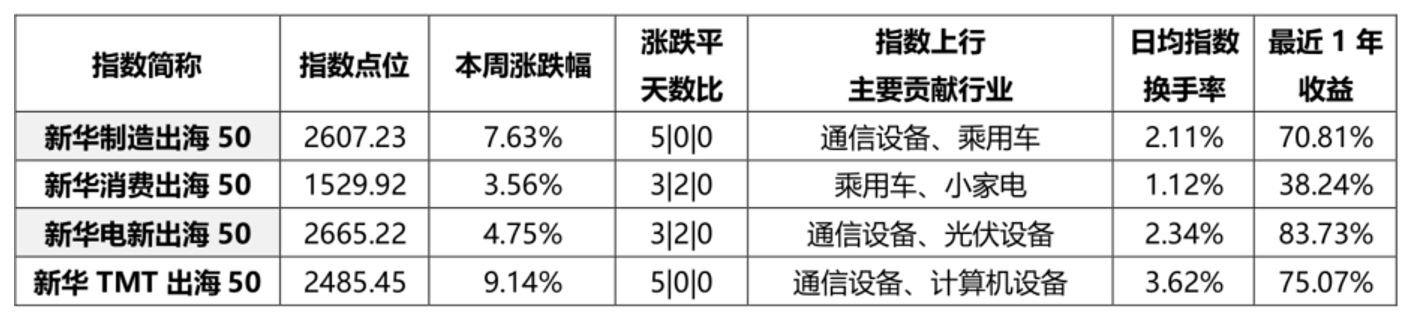
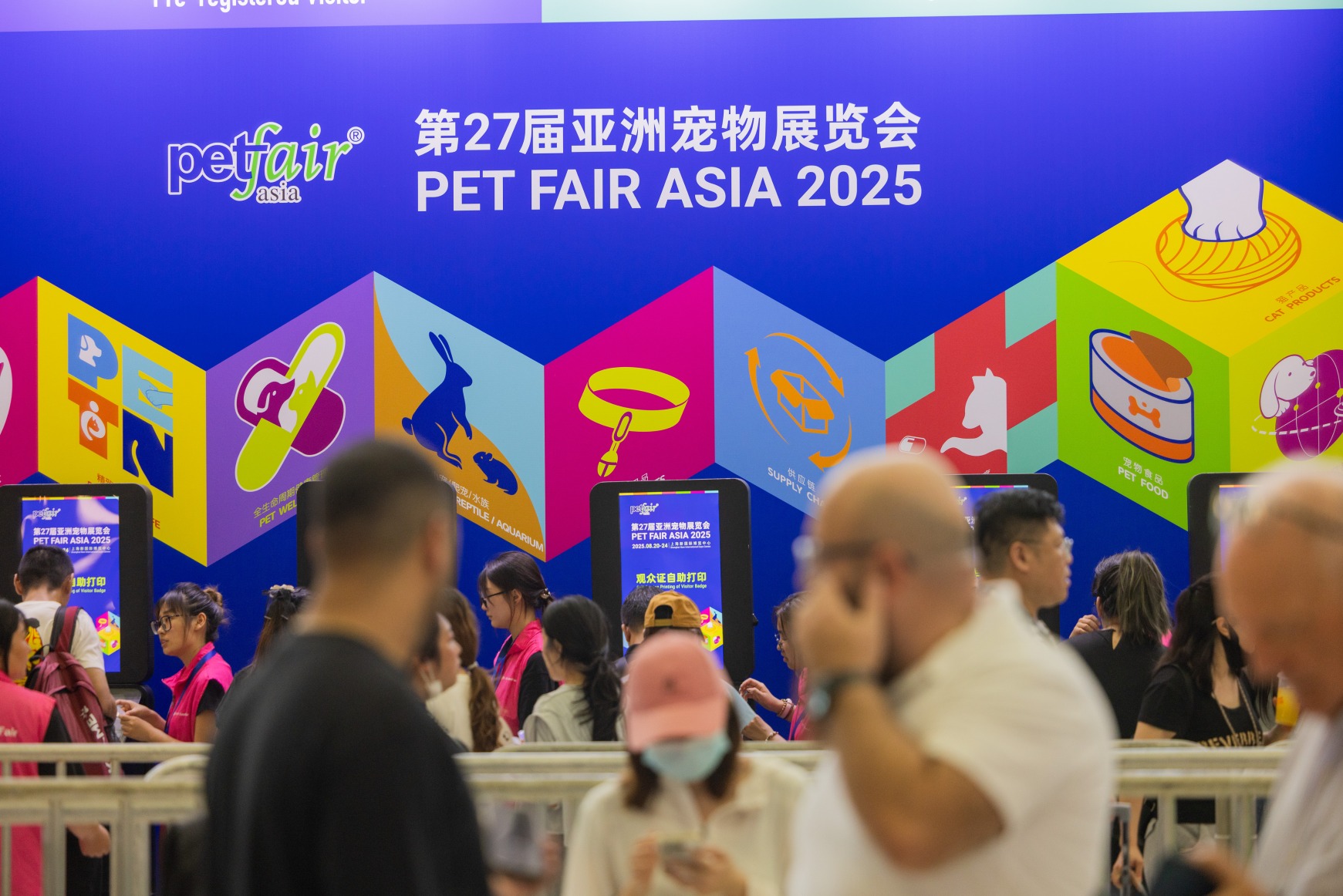
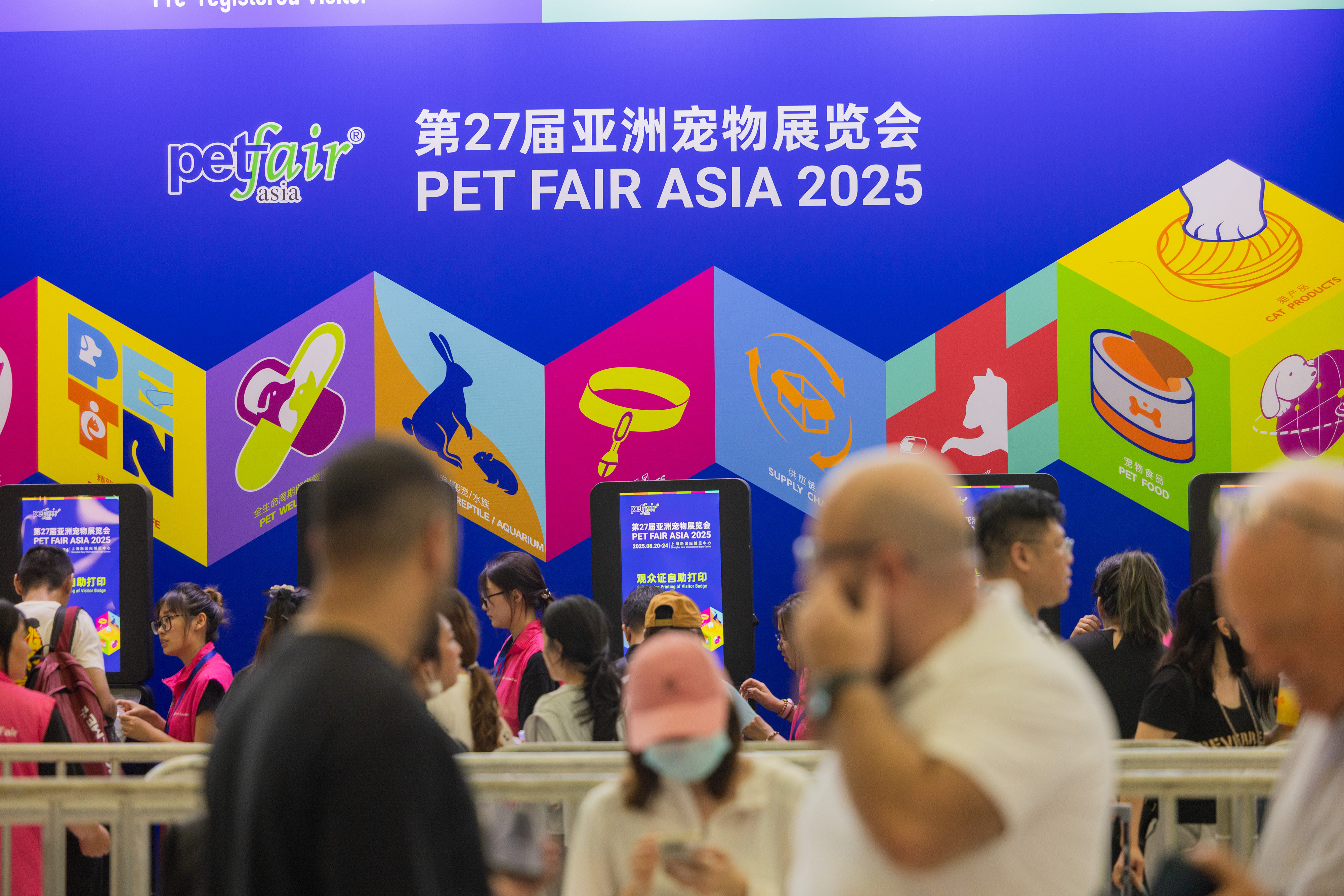
Core Insights - The 27th Asia Pet Expo is being held from August 20 to 24, showcasing over 2,600 exhibitors and more than 20,000 brands, marking a record scale of 310,000 square meters [1] - Chinese pet companies are increasingly expanding their global market presence, with the expo serving as a significant platform for innovation and competition [1][2] - Companies like Zhongchong Co., Guibao Pet, and Petty Co. are transitioning from "OEM export" to "brand export," enhancing their international competitiveness [2][3] Company Developments - Zhongchong Co. reported a revenue of 2.432 billion yuan for the first half of 2025, a year-on-year increase of 24.32%, with net profit rising by 42.56% to 203 million yuan [2] - The company’s overseas revenue reached 1.575 billion yuan, growing by 17.61%, with over 60% of its income now coming from international markets [2][3] - Guibao Pet is expanding its overseas operations, including establishing a production and R&D center in Thailand and acquiring the U.S. brand WagginTrain to enhance market access [3] - Petty Co. is investing in a pet food factory in New Zealand and has acquired local brands to strengthen its market position [3] Market Trends - Chinese pet companies are actively collaborating with international retailers to expand their global reach, with products entering major retailers like PetSmart and Costco [4] - The Xinhua Outbound Consumption Index has shown significant growth, with Zhongchong Co. and Petty Co. being key components, experiencing stock price increases of 7.38% and 8.69% respectively [4] - The overall market is witnessing a surge, with the TMT outbound index rising nearly 10% this week, indicating strong investor interest in the sector [4][5]


第27届亚宠展上海开幕,网易严选联动好利来宠物蛋糕推出鲜蒸惊喜
Xiao Fei Ri Bao Wang· 2025-08-22 06:57
Core Insights - The 27th Asia Pet Expo opened in Shanghai, attracting thousands of global brands and hundreds of thousands of visitors, highlighting the booming pet industry [1] - NetEase Yanxuan announced Jin Jing as its quality life ambassador, drawing significant attention at the event [1] - The company showcased its steamed pet food products and collaborated with Haolilai Pet Cake to offer unique experiences and promotions [4] Company Highlights - NetEase Yanxuan's booth was a major attraction, featuring the "Steamed Big Steamer" and live streaming sessions with influencers, enhancing engagement with both on-site and online audiences [4] - The introduction of the "Steamed Pet Food" product, utilizing 3D Nutrilock™ emulsification technology, addresses pet nutrition and digestion issues, making it a popular item at the expo [5] - The company has established a comprehensive pet product line since its pet business launch in 2017, achieving recognition as one of the top three online pet brands in China by 2025 [6] Industry Trends - The pet economy is experiencing rapid growth, with increasing consumer focus on pet health and nutrition, driven by the rising trend of "scientific pet care" [5] - NetEase Yanxuan is committed to building a 4S assurance matrix for its pet products, emphasizing scientific nutrition, supply chain transparency, strict monitoring, and service support [8] - The company collaborates with China Agricultural University for pet nutrition research, enhancing its product quality and brand reputation [8]


亚宠展上的科技革命: “智能化”之笔点睛“它经济”
Zhong Guo Zheng Quan Bao· 2025-08-21 22:28
Core Insights - The "pet economy" is rapidly growing, driven by technological advancements and increasing consumer demand for smart pet products [1][2][8] - The 27th Asia Pet Exhibition showcased innovative pet technology, highlighting the shift towards emotional and intelligent pet care [1][2][10] Industry Trends - The demand for high-tech, smart pet products is rising, with a focus on scientific and refined pet care [1][2] - The emergence of products like AI-enabled pet phones and mobile monitoring systems indicates a trend towards emotional interaction between pets and owners [2][3] Supply Chain Developments - Supply chain upgrades are crucial for the pet economy, with companies like Bühler showcasing innovations in pet food processing equipment [4][5][6] - Intelligent logistics solutions are being developed to address challenges in the pet industry, enhancing efficiency and reducing costs [5][6][7] Company Performance - Listed companies in the pet sector are reporting strong financial results, with significant year-on-year growth in revenue and profits [8][9] - Companies are diversifying into the pet market, with investments in smart pet technology and related sectors [9][10] Market Dynamics - The number of pet-related businesses in China has surged, reflecting a growing interest in the pet economy [9] - Investment in the pet medical sector is particularly strong, indicating a shift towards health and wellness in pet care [9]


亚宠展上的科技革命:“智能化”之笔点睛“它经济”
Zhong Guo Zheng Quan Bao· 2025-08-21 20:12
Core Insights - The pet economy is rapidly evolving, driven by technological advancements and a shift towards more sophisticated pet care practices [1][2][8] - The demand for smart pet products is increasing, with innovations such as AI-enabled devices and health monitoring systems gaining traction [2][3][8] - The supply chain for pet products is undergoing significant upgrades, enhancing efficiency and product quality [3][4][5][6] Industry Trends - The "it economy" is characterized by a growing emphasis on emotional consumption and refined pet care, moving beyond basic needs [2][8] - The integration of AI in pet products is becoming a key trend, with companies developing smart devices that enhance interaction between pets and owners [8] - The number of pet-related enterprises in China has surged, indicating a robust growth trajectory in the pet industry [7][8] Company Performance - Companies like Zhongchong Co. reported a 24.32% increase in revenue for the first half of 2025, reflecting the booming pet market [6] - Ruipubio expects a profit increase of 50% to 70% for the same period, driven by a focus on pet healthcare and supply chain integration [7] - New entrants, such as Yongli Co., are diversifying into the pet sector, highlighting the industry's attractiveness to various businesses [7] Technological Innovations - The Asia Pet Expo showcased cutting-edge products, including the world's first pet smartphone and automated pet care devices [1][2][3] - Companies are leveraging AI and big data to enhance production processes and product offerings in the pet food sector [3][4] - Innovations in packaging and logistics are crucial for meeting the seasonal demands and shelf-life challenges of pet food products [5][6]
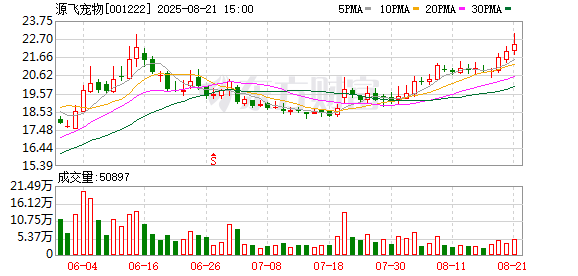
源飞宠物:约1.12亿股限售股8月27日解禁
Mei Ri Jing Ji Xin Wen· 2025-08-21 16:13
Group 1 - The company Yuanfei Pet announced that approximately 112 million restricted shares will be unlocked and listed for trading on August 27, 2025, accounting for about 58.8% of the total share capital [2] - The actual number of shares available for trading is approximately 30.91 million, which represents 16.19% of the total share capital [2] - For the year 2024, the company's revenue composition is entirely from the pet segment, with a 100.0% contribution [2]
宠物经济逆势增长,撑起3000亿消费市场
Di Yi Cai Jing Zi Xun· 2025-08-21 15:46
Core Insights - The pet economy is experiencing robust growth despite the global economic downturn, indicating a strong demand for pet-related products and services [2] - The Asia Pet Expo has reached a new scale with over 2,600 exhibitors and an expected attendance of over 510,000, showcasing the industry's expanding boundaries [2] New Entrants Targeting Demand Diversification - New entrants in the pet industry are focusing on differentiated consumer needs, with companies like PILTON reporting a 35% increase in sales year-over-year for their smart pet products [4][5] - The rise of small pets is notable, with over 17 million people in China owning exotic pets as of 2020, representing 25% of the overall pet ownership [5] - Wagoo, a new mobile pet grooming service, plans to triple its fleet of mobile grooming vehicles by the end of the year, addressing consumer pain points related to traditional grooming services [6] Traditional Manufacturers Maintaining Professionalism and Scale - Established manufacturers are facing increased competition but are leveraging their expertise and scale to maintain market presence, with companies like Qingdao Maierchi focusing solely on cat litter for over a decade [10] - The export market remains strong for companies like Pairfu, which has 70% of its business in exports, with the U.S. accounting for about 40% of export revenue [11] - The pet industry is projected to grow, with the urban pet consumption market expected to exceed 300 billion yuan in 2024, reflecting a 7.5% year-over-year increase [12]
宠物撑起3000亿消费市场 新老入局者目标有何不同?
Di Yi Cai Jing· 2025-08-21 15:00
Core Insights - The pet economy is experiencing robust growth despite the global economic downturn, indicating a strong demand for pet-related products and services [1] - The Asia Pet Expo has reached a record scale with over 2,600 exhibitors and an expected attendance of over 510,000, showcasing the industry's expanding boundaries [1] - New entrants in the pet industry are focusing on differentiated consumer needs, particularly in the smart pet product segment, which is seeing significant sales growth [3][4] Industry Trends - The market for small pets is growing due to urban living constraints and safety concerns, with over 17 million people owning exotic pets in China, representing 25% of the total pet ownership [4] - Young consumers now make up over 70% of the pet ownership demographic, shifting the focus from basic care to more refined pet nurturing practices [7] - A report indicates that 61.5% of pet owners are willing to pay for their pets' emotional well-being, accelerating the adoption of smart pet products [7] New Entrants and Innovations - New companies like Wagoo are entering the market with mobile pet grooming services, aiming to address consumer pain points related to time and convenience [5] - The introduction of innovative products such as smart pet phones and cooking machines for pet food reflects the trend towards technology integration in pet care [7][8] - The demand for smart pet products is evident, with companies reporting significant pre-orders and high repurchase rates for new offerings [3][8] Traditional Manufacturers - Established manufacturers are facing increased competition but are leveraging their expertise and scale to maintain market presence [10] - Companies like Qingdao Maierchi focus on specific product categories, such as cat litter, to build a competitive edge through specialization [10] - Traditional players are adapting to market changes by exploring new sales channels and enhancing product offerings to meet evolving consumer preferences [11][12] Market Outlook - The pet consumption market in urban areas is projected to exceed 300 billion yuan by 2024, with a year-on-year growth of 7.5% [13] - The dog and cat consumption markets are expected to grow by 4.6% and 10.7%, respectively, indicating a strong consumer willingness to invest in high-quality pet products [13] - The pet product market remains fragmented, with no dominant brands, suggesting significant opportunities for growth and consolidation [13]
宠物撑起3000亿消费市场,新老入局者目标有何不同?
Di Yi Cai Jing· 2025-08-21 12:57
Industry Overview - The pet economy is experiencing robust growth despite the global economic downturn, indicating a strong demand for pet-related products and services [1] - The Asia Pet Expo has reached a new scale with over 2,600 exhibitors and an expected attendance of over 510,000, showcasing the industry's expanding boundaries [1] Market Trends - New entrants in the pet industry are focusing on differentiated consumer demands, with a notable increase in the market share of smart pet products, such as the smart pet cabin, which saw a 35% increase in sales year-over-year [3] - The trend of urban living space constraints and heightened safety concerns is driving the popularity of small pets, with over 17 million people in China owning exotic pets as of 2020, accounting for 25% of the total pet ownership [4] Consumer Behavior - Young consumers now represent over 70% of the pet ownership demographic, shifting the focus from merely feeding pets to enhancing their emotional well-being, with 61.5% willing to pay for their pets' emotional health [10] - The emergence of mobile pet grooming services reflects a shift in consumer preferences towards convenience and tailored services [7] Traditional Manufacturers - Established manufacturers are facing increased competition but are leveraging their expertise and scale to maintain market presence, focusing on cost-effectiveness and quality [12] - Companies like Qingdao Maierchi, which specializes in cat litter, have maintained stable revenue and profit through diversified market strategies despite challenges [12] - The pet care tools supplier, Pairif, is adapting to market changes by exploring new markets and adjusting product designs based on local demands [13] Market Projections - The urban pet consumption market is projected to exceed 300 billion yuan in 2024, with a year-on-year growth of 7.5%, indicating strong consumer purchasing power and a preference for high-quality products [15]
“小狗也有智能手机”!智能化重塑“它经济”,实探亚宠展上的“科技革命”
Zhong Guo Zheng Quan Bao· 2025-08-21 12:50
Core Insights - The 27th Asia Pet Expo showcases a rapidly growing "pet economy" market, with over 2,600 exhibitors and an expected attendance of over 510,000 visitors, highlighting the importance of smart technology in driving high-quality expansion [1] Group 1: Smart Pet Technology - The expo features cutting-edge pet technology, including the world's first pet smartphone, PetPhone, which supports AI real-time communication and health monitoring, utilizing advanced positioning technology for global accuracy [2] - The emotional interaction-focused smart hardware model is expected to redefine the value of pet technology, moving beyond traditional functionalities to create a new dimension of human-pet communication [2] Group 2: Evolving Pet Economy - The pet economy is transitioning from basic needs to emotional consumption, accelerating the arrival of a smart pet-keeping era, as evidenced by innovative products like the mobile monitoring system and a multifunctional pet food processor [3] - The introduction of various intelligent products, such as automatic cat litter boxes and smart pet living pods, showcases the technological transformation within the pet economy [3] Group 3: Supply Chain Innovations - The pet economy's supply chain is increasingly adopting smart technologies, with companies like Bühler showcasing innovations in pet food processing equipment to enhance hygiene and efficiency [4] - The integration of AI and big data in traditional production models is driving digital transformation in the pet food processing sector, enabling smarter and more efficient production processes [4] - Logistics solutions tailored for the pet industry, such as those from SF Express, are addressing supply chain challenges and enhancing operational efficiency through smart warehousing and logistics [5]
佩蒂股份:公司始终对宠物行业抱有坚定的信心
Zheng Quan Ri Bao Wang· 2025-08-21 09:20
证券日报网讯佩蒂股份(300673)8月21日在互动平台回答投资者提问时表示,公司始终对宠物行业抱 有坚定的信心,将持续聚焦主业,以既定发展战略为牵引,围绕"六个全球化"推进运营协同,以产品力 为核心,把结构更优、现金流更稳的经营质量转化为可持续的股东回报。 ...