宠物蛋糕

Search documents
从“将就”到“讲究”!广货行天下,带您洞见宠粮行业新趋势
Nan Fang Nong Cun Bao· 2026-01-22 03:33
Core Insights - The pet food industry in China is undergoing a significant transformation, shifting from basic sustenance to a focus on quality and specialized nutrition, reflecting a broader trend of consumer upgrading and the booming pet economy [4][5]. Group 1: Industry Evolution - The pet food market has evolved from using leftover human food to offering customized, scientifically formulated diets for pets, indicating a shift in consumer attitudes towards pet care [3][4]. - The concept of "scientific pet care" has gained traction, with foreign brands initially leading the market, followed by domestic companies that began to innovate and diversify their product offerings [15][18]. - The current trend of "humanizing pets" has led to increased consumer expectations for pet food, which now demands not only balanced nutrition but also taste, safety, and specific health benefits [20][21]. Group 2: Market Growth and Potential - The Chinese pet market is projected to grow significantly, with annual growth rates of 20.1% and 18.3% for 2023 and 2024 respectively, and an expected market size exceeding 811.4 billion yuan by 2025 [30][31]. - The pet food segment is particularly promising, with domestic brands gaining market share and showing strong growth potential due to increased consumer spending on pet products [32][43]. - Innovations in product types, such as freeze-dried and low-temperature baked goods, are gaining popularity, reflecting a shift from traditional puffed food to more diverse offerings [34][40]. Group 3: Challenges and Industry Standards - The rapid growth of the pet food market has led to increased competition and challenges, including a lack of industry standards and quality control, which can result in consumer confusion and safety concerns [51][54]. - The industry is at a critical juncture where establishing standardized practices is essential for navigating heightened competition and ensuring product safety and efficacy [55][60]. - There is a growing concern over exaggerated marketing claims by some brands, which can mislead consumers and undermine industry credibility, highlighting the need for transparency and scientific backing in product promotion [68][70]. Group 4: Future Directions - The upcoming "First Greater Bay Area Pet Industry Annual Ceremony" aims to address these challenges by promoting standardization, brand development, and new market opportunities, positioning itself as a key platform for industry collaboration [71][73]. - The event is expected to facilitate the elevation of domestic brands on a global scale, contributing to the overall growth of the pet economy in China [73].


打工人梦想中的生活,宠物已经提前过上了
3 6 Ke· 2025-12-10 07:01
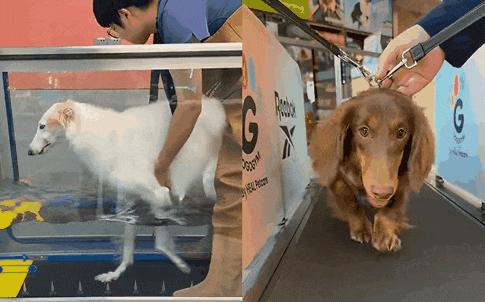
Core Insights - The article highlights the rising trend of luxury pet services in Shanghai, showcasing a shift in consumer behavior where pet owners are willing to spend extravagantly on their pets' well-being and lifestyle [1][3][21]. Group 1: Luxury Pet Services - A new high-end dog fitness center in Shanghai offers services such as personal training, swimming pools, and spa treatments, with prices ranging from 200 to 350 RMB per half hour and annual memberships priced at 19,800 RMB [3]. - The demand for premium pet products is evident, with customized pet cakes priced at 478 RMB and gourmet meals tailored for pets [4]. - Pet wellness services have evolved to include acupuncture and other alternative therapies, indicating a significant upgrade in pet healthcare [10][12][14]. Group 2: Changing Consumer Behavior - Young pet owners are increasingly prioritizing their pets' needs over their own, often spending substantial portions of their income on pet care, with some spending up to 3,000 RMB on their pets from a monthly salary of 5,000 RMB [3][21]. - The trend reflects a broader societal change where pets are viewed as family members, leading to extravagant spending on pet-related experiences and products [41][42]. - The article notes that pet owners are willing to invest in high-quality services and products, indicating a shift from basic care to a more luxurious lifestyle for pets [21][42].
关闭全部门店,盒马创始人又失败了
Sou Hu Cai Jing· 2025-11-26 03:15
Core Insights - The pet retail project "Paiteshengsheng," founded by Hou Yi, is facing significant operational challenges, leading to the closure of most of its physical stores within just nine months of launch [2][9][11] - Despite the setbacks, the overall pet economy in China continues to grow, with projections indicating a market size exceeding 300 billion yuan by 2024 [12][13] Company Overview - "Paiteshengsheng" was launched in February 2023, with ambitious plans to open 100 stores in Shanghai, combining online and offline sales strategies [3][5] - The brand secured $25 million in angel funding in May 2023, aiming to innovate product offerings and enhance supply chain operations [5][7] - The business model included a diverse range of pet products, emphasizing fresh food and personalized offerings to meet consumer demands [5][11] Operational Challenges - By December 2023, the company plans to close all physical stores, with seven out of ten locations already shut down due to high rental and labor costs [2][9] - The shift in consumer behavior towards online shopping has further strained the viability of physical retail locations [9][11] - The pet food market in China is still developing, with a low penetration rate for fresh pet food compared to markets like the U.S. [12][13] Market Potential - The pet economy is projected to grow, with a 7.5% increase in urban pet consumption expected in 2024 [12] - The global pet fresh food market is anticipated to reach $4.5 billion by 2025, with a compound annual growth rate of 21.3% [12] - There is a recognized need for strong branding in the pet fresh food sector, indicating potential opportunities for future ventures [14]

派特鲜生关店近 半宠物鲜食的风口迷局
Bei Jing Shang Bao· 2025-11-18 16:01
Core Insights - The recent closure of all physical stores by Pet Fresh, a pet fresh food brand founded by former Hema founder Hou Yi, has raised questions about the viability of the pet fresh food market [1][2] - Pet Fresh aimed to create a new retail model similar to Hema but faced significant operational challenges leading to its decision to focus solely on online sales [1][3] Company Overview - Pet Fresh offered a variety of products including fresh pet food, refrigerated food, and over 300 types of snacks, utilizing an integrated online and offline retail model [2] - The company initially opened its first store in Shanghai in February and completed a $25 million angel round of financing in May, aiming to expand to 100 stores by the end of the year [1][2] Market Challenges - The closure of Pet Fresh's stores is attributed to high operational costs, including rent and labor, as well as the need for specialized kitchen equipment and cold chain logistics [2][3] - The pet fresh food market has a lower purchase frequency compared to traditional grocery shopping, making it difficult for physical stores to maintain consistent customer traffic [3][4] Competitive Landscape - Other players in the pet fresh food market, such as "Duke is Here," have also faced challenges but have managed to survive by building a loyal customer base and integrating online sales [4][5] - New entrants like "Pure Paw Pet Bakery" are attempting to navigate the market by focusing on high-quality ingredients and local customer bases [5][6] Cost Structure - The operational costs for pet fresh food businesses are high, with significant expenses related to rent, utilities, and quality ingredients, making profitability challenging [6][8] - The price sensitivity of consumers often leads them to choose cheaper options like traditional pet food, limiting the market for premium fresh food products [9][10] Regulatory Environment - There is currently no unified safety standard for pet fresh food in China, leading to consumer concerns about product quality and safety [11][12] - Existing regulations primarily cover pet feed but do not extend to fresh food, creating a regulatory gap that could impact market growth and consumer trust [12][13] Future Outlook - The pet economy in China is projected to reach a market size of 1.15 trillion yuan by 2028, indicating potential growth opportunities despite current challenges [14] - Experts suggest the need for a multi-tiered standard system to ensure product safety and quality in the pet fresh food sector [15][16]

派特鲜生关店近半 宠物鲜食的风口迷局
Bei Jing Shang Bao· 2025-11-18 12:31
Core Viewpoint - The recent closure of all physical stores by Pet Fresh, a pet fresh food brand, has raised concerns about the viability of the pet fresh food market, highlighting the challenges faced by companies in this segment [1][3]. Company Overview - Pet Fresh, founded by former Hema founder Hou Yi, aimed to create a pet food retail brand similar to Hema, launching its first store in Shanghai in February and raising $25 million in angel funding by May [3][4]. - The company planned to open 100 stores by the end of the year but has now decided to close all physical locations due to operational pressures, retaining only its online business [3][4]. Market Dynamics - The pet fresh food market has attracted numerous entrants as the pet economy expands, but Pet Fresh's rapid expansion and subsequent closure raise questions about the sustainability of such business models [3][5]. - The operational model of Pet Fresh, which included high overhead costs associated with physical stores and specialized kitchen equipment, proved incompatible with the market's characteristics [4][5]. Financial Challenges - The high costs of rent, labor, and cold chain logistics, which account for about one-third of total costs, have made profitability difficult for Pet Fresh, especially given the lower margins of fresh pet food compared to traditional dry food [4][10]. - The average monthly costs for a pet fresh food store can reach approximately 40,000 yuan for rent and utilities, with additional costs for equipment and ingredients [7]. Consumer Behavior - Pet owners typically purchase pet food infrequently, averaging only 1-2 times per month, which limits the effectiveness of physical store models that rely on high foot traffic and immediate delivery [5][9]. - The price sensitivity of consumers also plays a significant role, as many opt for cheaper dry food options over more expensive fresh food, which can cost significantly more per meal [9][10]. Regulatory Environment - The lack of established safety standards for pet fresh food in China has led to consumer concerns regarding product quality and safety, with many brands operating under unclear guidelines [11][12]. - Current regulations primarily cover pet feed but do not extend to fresh food, creating a regulatory gap that could impact market growth and consumer trust [12][14]. Recommendations for the Industry - Experts suggest the need for a multi-tiered standard system to establish clear guidelines for pet fresh food, including ingredient quality, microbial standards, and cold chain requirements [14][15]. - There is a call for industry associations to develop group standards that can eventually evolve into national standards, ensuring better regulation and consumer protection [14][15].

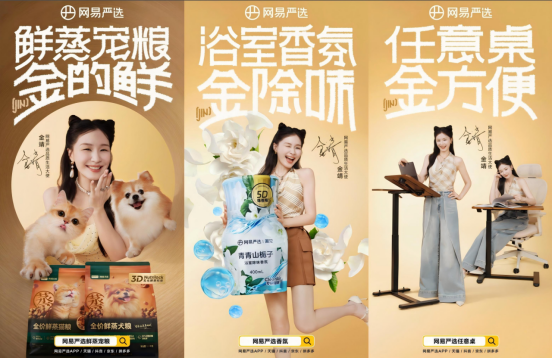
第27届亚宠展上海开幕,网易严选联动好利来宠物蛋糕推出鲜蒸惊喜
Xiao Fei Ri Bao Wang· 2025-08-22 06:57
Core Insights - The 27th Asia Pet Expo opened in Shanghai, attracting thousands of global brands and hundreds of thousands of visitors, highlighting the booming pet industry [1] - NetEase Yanxuan announced Jin Jing as its quality life ambassador, drawing significant attention at the event [1] - The company showcased its steamed pet food products and collaborated with Haolilai Pet Cake to offer unique experiences and promotions [4] Company Highlights - NetEase Yanxuan's booth was a major attraction, featuring the "Steamed Big Steamer" and live streaming sessions with influencers, enhancing engagement with both on-site and online audiences [4] - The introduction of the "Steamed Pet Food" product, utilizing 3D Nutrilock™ emulsification technology, addresses pet nutrition and digestion issues, making it a popular item at the expo [5] - The company has established a comprehensive pet product line since its pet business launch in 2017, achieving recognition as one of the top three online pet brands in China by 2025 [6] Industry Trends - The pet economy is experiencing rapid growth, with increasing consumer focus on pet health and nutrition, driven by the rising trend of "scientific pet care" [5] - NetEase Yanxuan is committed to building a 4S assurance matrix for its pet products, emphasizing scientific nutrition, supply chain transparency, strict monitoring, and service support [8] - The company collaborates with China Agricultural University for pet nutrition research, enhancing its product quality and brand reputation [8]