
光伏

Search documents
出口退税利好难抵银价飙涨?二月光伏组件排产环比下滑
Di Yi Cai Jing· 2026-02-12 11:37
Group 1 - The core viewpoint of the articles indicates a decline in solar module production in February, with estimates ranging from 34GW to 35GW, representing a month-on-month decrease of 12% to 13% [1] - The domestic production is expected to be around 25GW to 26GW, while overseas production remains stable at approximately 10GW [1] - The primary reason for the decline in solar module production is the rising cost of silver, which has significantly increased the price of silver paste used in solar cells [3] Group 2 - The price of silver paste has surged from 5,000 CNY/kg to 7,000 CNY/kg, reaching approximately 20,000 CNY/kg to 21,000 CNY/kg, leading to an increase in non-silicon costs for standard TOPCon modules by about 0.11 CNY/W to 0.15 CNY/W [3] - The rapid increase in silver prices has pressured battery cell prices, causing specialized module manufacturers to struggle with rising costs, resulting in some companies reducing or halting production [3] - As the year-end approaches, the willingness of end projects to accept high-priced modules has decreased, leading to a reduction in domestic distributed project installations and purchasing volumes [4] Group 3 - The Chinese photovoltaic market may face a downturn in new installations in 2026, with estimates suggesting a potential decrease from 315.07GW in 2025 to between 180GW and 240GW in 2026 [4] - The market is currently experiencing a wait-and-see attitude due to recent policy changes regarding distributed photovoltaic management and market-based pricing reforms [4] - Some leading module companies have begun accepting a small number of low-priced orders, indicating a slight price adjustment in the market [3]

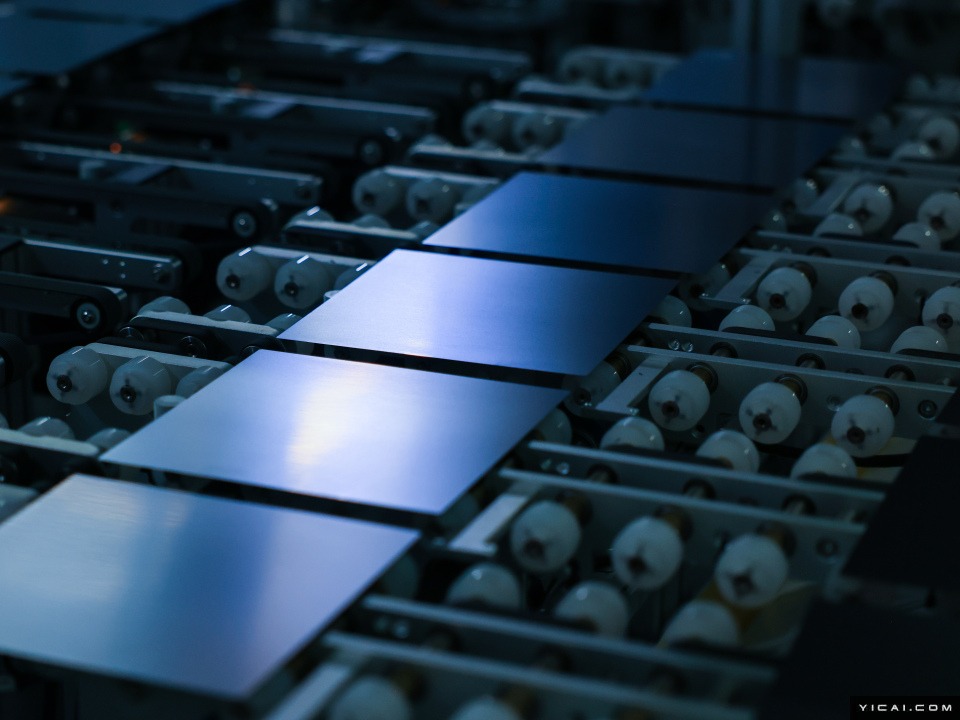
通威股份2025年业绩预亏扩大,股价震荡走弱
Jing Ji Guan Cha Wang· 2026-02-12 11:29
Group 1 - The core viewpoint of the news is that Tongwei Co., Ltd. (600438) is forecasting a significant increase in net losses for 2025, estimating losses between 9 billion to 10 billion yuan, primarily due to industry supply-demand imbalance and asset impairment provisions [1] - In contrast, institutional forecasts predict a net loss of 5.86 billion yuan for 2025, indicating a discrepancy with the company's projections, which will need to be confirmed by formal announcements [1] - The Q3 report for 2025 showed signs of improvement, with a single-quarter loss narrowing to 315 million yuan, a year-on-year reduction of 62.69%, attributed to a rebound in photovoltaic industry chain prices [1] Group 2 - Over the past week, Tongwei's stock price has experienced a volatile decline, with a cumulative drop of 5.83%, closing at 18.42 yuan on February 12, down 1.34% for the day [2] - The financial outlook appears weak, with a net outflow of 24.52 million yuan in principal funds on February 12, while the financing balance remains high at 2.697 billion yuan [2] - Trading volume saw a spike on February 9 due to movements in the photovoltaic sector, but subsequent corrections led to overall performance lagging behind industry indices [2] Group 3 - On February 11, the State Council released a document on the construction of a unified national electricity market system, aiming to establish a unified market by 2030, which is expected to benefit energy storage and renewable energy demand in the long term [3] - On February 9, the photovoltaic sector experienced fluctuations due to news of Elon Musk's inspection of the industry chain, with Tongwei being mentioned as a leading company, although the overall industry still faces significant loss pressures [3] Group 4 - Huatai Securities reported on February 12 that the construction of a unified electricity market will empower investments in energy storage and the grid, highlighting structural growth opportunities in the renewable energy sector [4] - The comprehensive target price for Tongwei Co., Ltd. is set at 28.00 yuan, indicating a potential upside of 47.21% from the current stock price, although the sentiment remains neutral with a predominant hold rating [4]

下一个光伏大风口:不是地面,而是太空
3 6 Ke· 2026-02-12 11:19
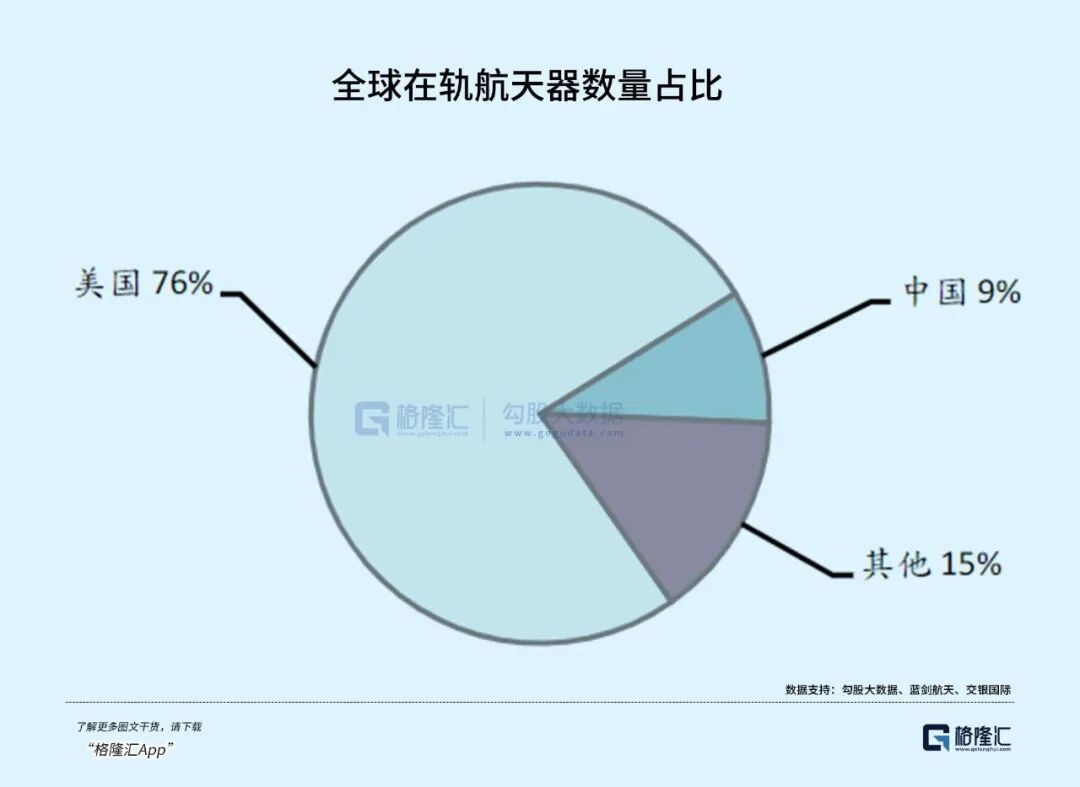
Core Viewpoint - The global commercial space industry is experiencing rapid growth, driven by the explosive demand for AI computing power, which has highlighted the potential of space photovoltaic technology as a cost-effective energy solution for space activities [1][2][4]. Group 1: Commercial Space Industry Growth - The global commercial space sector has entered a high-growth phase, with the US and China as the leading countries. By the end of 2024, the number of operational spacecraft is expected to exceed 11,605, with the US holding a 76% market share and China around 9% [2][4]. - In the first half of 2025, China's satellite launches are projected to increase by 92% year-on-year, significantly surpassing the global average. The Chinese government continues to support commercial space initiatives, integrating them into national production strategies and emphasizing space energy technology as a core focus [4][7]. Group 2: Advantages of Space Photovoltaics - Space photovoltaics offer significant advantages over terrestrial solar power, including better light conditions, with sunlight intensity being 36% higher in space. A 1W solar cell on Earth can achieve 1.3W in space, and space photovoltaics can generate 5-12 times more energy annually compared to ground systems [8][11]. - Space photovoltaic systems do not occupy land resources and can directly supply power to space data centers, eliminating transmission losses. Theoretically, capturing just 1% of sunlight could meet hundreds of times the global energy demand [10][11]. Group 3: Market Potential and Future Growth - The current market for space photovoltaics is limited due to high launch costs, but it is expected to grow steadily. From 2026 to 2030, the annual market space for global space silicon and perovskite photovoltaic batteries is estimated at approximately 3 billion yuan, increasing to 12 billion yuan from 2030 to 2035, and further to 25 billion yuan from 2035 to 2040 [13][16]. - The future market potential for space photovoltaics is heavily dependent on the reduction of launch costs. Currently, SpaceX charges $3,600 per kilogram for launching low Earth orbit satellites. If costs drop to $200-300 per kilogram, the demand for space photovoltaics could surge, potentially reaching a market size of 500 billion yuan annually, comparable to the current global photovoltaic market [16][17]. Group 4: Industry Opportunities - The high demand in the commercial space sector will benefit photovoltaic equipment manufacturers, particularly those specializing in HJT and perovskite battery technologies, as well as ultra-thin silicon wafer cutting companies. SpaceX plans to establish 100GW of photovoltaic manufacturing capacity within three years, with domestic companies leading in HJT production [18]. - Key areas of focus include HJT and perovskite battery equipment, ultra-thin silicon wafer cutting, and the development of ultra-thin HJT batteries, which are expected to see significant growth as industry demand increases [18].
银价波动推高光伏产业成本 高功率组件涨价明显
Mei Ri Jing Ji Xin Wen· 2026-02-12 10:49
Core Viewpoint - The Chinese photovoltaic industry is facing a significant cost increase due to soaring silver prices, which have become a critical material for battery metallization, impacting profit margins and pricing strategies across the supply chain [1][2]. Group 1: Silver Price Impact - Silver prices have shown a sharp increase, with futures reaching 32,400 yuan/kg and spot prices hitting $121.64/oz by the end of January 2026, leading to a substantial rise in costs for photovoltaic components [2]. - The demand for silver in the photovoltaic sector has surged, consuming over 6,000 tons annually since 2020, accounting for nearly 20% of total silver demand [2]. - The cost of silver paste has increased, raising the complete cost of battery cells to over 0.5 yuan/W, with module costs exceeding 0.9 yuan/W [2][3]. Group 2: Cost Structure and Profit Margins - The proportion of silver in photovoltaic raw material costs has risen from approximately 9% in 2024 to over 30%, becoming the largest cost component outside of silicon [3]. - The rising raw material costs combined with low terminal product prices have created a "scissors gap," severely squeezing profit margins, contributing to widespread industry losses in 2025 [4]. - As of early February 2026, silver prices experienced volatility, with futures dropping to 20,600 yuan/kg, leading to a decrease in battery and module prices [4]. Group 3: Market Dynamics and Order Visibility - Domestic market orders are declining, with limited visibility on new contracts, while overseas markets are expected to dominate shipments in Q1 2026 due to export tax influences [5]. - The procurement attitude is cautious amid weak seasonal demand and recent price increases in components, resulting in insufficient order visibility for Q1 2026 [5]. Group 4: Cost Reduction Strategies - Companies are pursuing technological upgrades to reduce costs, with Longi Green Energy focusing on "cheap metalization" technology for mass production by Q2 2026 [6][8]. - Aiko Solar has implemented silver-free technology, significantly reducing costs and avoiding the impact of silver price fluctuations [8]. - The industry is exploring pathways for cost reduction through the substitution of cheaper metals and process optimizations, aiming for a silver consumption reduction of 10% to 20% [9]. Group 5: Future Outlook - The silver price is expected to remain high with fluctuations, driven by an expanding supply-demand gap and increased industrial demand, particularly from the photovoltaic sector [9]. - The impact of the "space photovoltaic" concept on silver demand is currently limited, with expectations for a 10% decrease in global silver usage in photovoltaics in 2026 compared to 2025 [9].


储能板块走强,指数涨近3%,储能电池ETF易方达(159566)成交大幅放量
Sou Hu Cai Jing· 2026-02-12 10:30
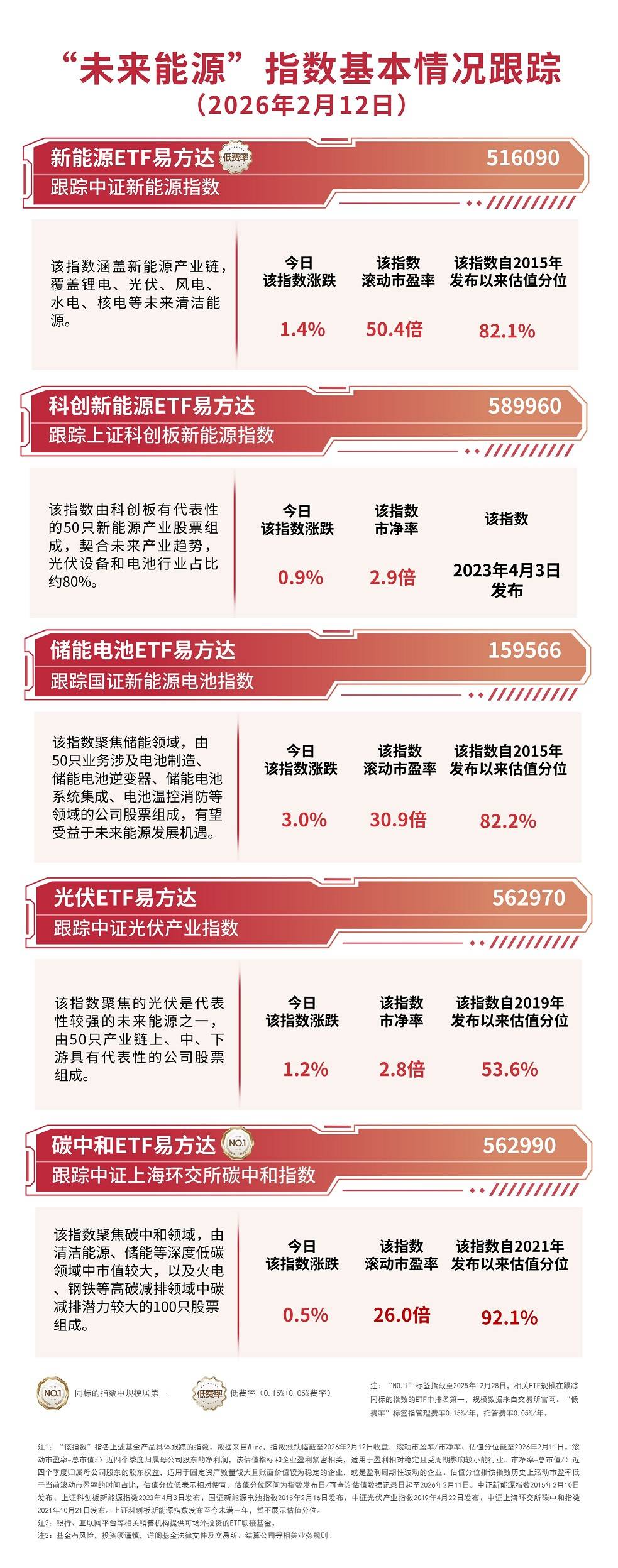
Group 1 - The core viewpoint of the news highlights a significant increase in various renewable energy indices, indicating a positive market sentiment towards the renewable energy sector, particularly in energy storage and photovoltaic industries [1] - The National Energy Administration has recently issued a notice to improve the capacity pricing mechanism for power generation, which provides substantial compensation for energy storage capacity, enhancing the revenue certainty for storage projects and potentially leading to a nationwide demand surge [1] - Huatai Securities emphasizes the importance of accelerating the construction of a new energy system during the 14th Five-Year Plan, focusing on the development of new energy storage and smart grid construction, which is expected to benefit companies in the energy storage, wind power, and grid sectors [1] Group 2 - The Energy Storage Battery ETF managed by E Fund (159566) recorded a trading volume of 360 million yuan, showing a significant increase compared to the previous day, reflecting heightened investor interest in the sector [1] - The China Securities Index for photovoltaic industries rose by 1.2%, indicating a strong performance in this sector, which is considered one of the most promising future energy sources [4] - The Carbon Neutrality ETF managed by E Fund (562990) increased by 0.5%, focusing on companies with significant potential for carbon reduction in high-emission sectors, further underscoring the market's shift towards low-carbon solutions [4]
青海油田凯驰光伏电站2026年发电量突破1亿千瓦时
Xin Lang Cai Jing· 2026-02-12 10:19
青海油田坚守"度电必争"原则,构建"日跟踪、周评估、月对标"运行管控机制,全面提升系统运行透明 度与问题响应处置效率,充分释放发电潜能。同时,精准优化电力交易策略,建立"日复盘、周分析、 月总结"交易管控机制,精准研判市场走势,努力让每一度绿电高效上网、全额消纳,实现了生态效 益、经济效益与社会效益的有机统一。 中新网青海新闻2月11日电(张文娟 李孟洮)2月11日,记者从青海油田获悉,截至2月6日,青海油田凯驰 光伏电站2026年发电量突破1亿千瓦时,实现了高效开局。 今年以来,青海油田深入贯彻落实集团公司2026年工作会议精神,紧扣实现"购电降低一分钱、售电提 高一分钱"的"两个一分钱"目标,以"降亏损、保效益"为核心,通过科学谋划运营策略、精耕细作运维 管理、从严从实管控成本、健全电力交易体系,奋力推动绿色能源高质量发展,积极践行国家"双碳"战 略。截至目前,青海油田清洁电力累计发电量已达1.9亿千瓦时,相当于节约标准煤约5.7万吨,减少二 氧化碳排放约15.16万吨。 面对高海拔复杂气候对光伏电站稳定运行带来的挑战,青海油田立足高原实际,借鉴油气生产精细化管 理经验,将精细化理念全面贯穿电站运维全过程 ...
云南沾益工业园区分布式光伏项目通过并网验收
Xin Lang Cai Jing· 2026-02-12 10:18
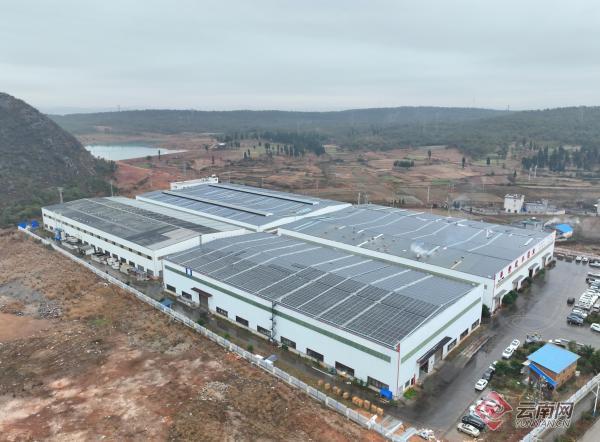
Core Viewpoint - The distributed photovoltaic project in Zhanyi Industrial Park, constructed by China Communications Second Navigation Bureau, has successfully passed grid connection acceptance and entered the power generation phase [2][4]. Group 1: Project Overview - The project is located in the Baishui Industrial Park of Qujing City, Zhanyi District, and is a key initiative in the new energy layout of the Zhanyi Industrial Park, with construction starting in November 2025 [2]. - The total construction area of the project is 20,590 square meters, focusing on the installation of distributed photovoltaic systems on the rooftops of factory functional buildings and auxiliary facilities [2]. - The project operates under a "self-generated, self-used, surplus electricity online" model, with a designed operational period of 25 years [2]. Group 2: Safety and Construction - During the construction period, the project team strictly adhered to safety production requirements, focusing on preventing risks such as falls from heights and falling objects [4]. - Safety measures included the use of safety poles, horizontal lifelines, and safety nets to ensure zero accidents during construction [4]. - The project took three months to meet grid connection conditions and successfully passed acceptance [4]. Group 3: Environmental and Economic Impact - Once fully operational, the project will leverage clean energy advantages to significantly reduce electricity costs for enterprises and decrease carbon emissions [6]. - The project aims to provide green electricity for the industrial park, contributing to the high-quality development of the local economy and society [6].
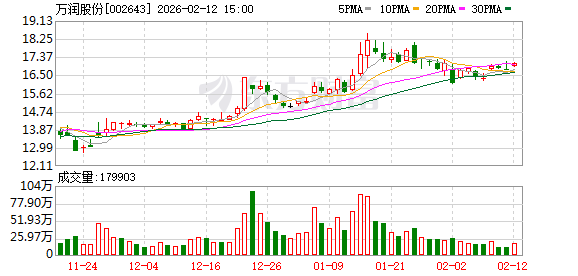
万润股份:公司在钙钛矿光伏材料领域已开发了超100种化合物
Zheng Quan Ri Bao· 2026-02-12 10:11
Core Viewpoint - The company has developed over 100 compounds in the perovskite photovoltaic materials sector, indicating a strong commitment to innovation and product development in this emerging field [2]. Company Summary - The company offers a range of perovskite photovoltaic materials, including hole transport layer materials, electron transport layer materials, perovskite layer materials, and SAMs materials, all of which are currently being sold [2]. - The company aims to support downstream enterprises in their development by providing high-quality perovskite photovoltaic materials, despite the industry not yet reaching large-scale commercialization by 2025 [2]. Industry Summary - The perovskite photovoltaic component technology is continuously improving and moving towards industrialization, with efficiency levels on the rise [2].

首航新能:在北美市场尚未形成规模化收入
Jin Rong Jie· 2026-02-12 09:49
Group 1 - The company has a global business layout covering over 100 countries and regions, with a focus on various markets including Europe, Asia-Pacific, Latin America, Australia, the Middle East, and Africa [1] - In the North American market, the company has not yet formed significant revenue on a large scale [1] - The company has accumulated numerous high-quality customer resources in its operational regions [1]
大全能源股份回购进展及2025年业绩预告发布
Jing Ji Guan Cha Wang· 2026-02-12 09:47
Stock Performance - The company's stock price dropped by 8.30% on February 5, 2026, with a trading volume of 717 million yuan, indicating short-term market sentiment fluctuations [2] - Over the past five days, there has been a net outflow of 51.80 million yuan from major funds [2] Recent Events - As of January 31, 2026, the company has repurchased a total of 1.1357 million shares, accounting for 0.0529% of the total share capital, with a total repurchase amount of approximately 28.99 million yuan. The repurchase price ranged from 18.79 yuan to 27.18 yuan per share [3] Financial Performance - On January 17, 2026, the company announced an expected net loss attributable to shareholders for 2025 in the range of 1 billion to 1.3 billion yuan, representing a reduction in loss margin of 52.17% to 63.21% compared to 2024. The final figures will be confirmed in the audited annual report [4] Institutional Insights - During an institutional survey on February 3, 2026, the company indicated that it will continue to monitor technological advancements in the space photovoltaic sector, and may evaluate opportunities for product applications if the technological path becomes clearer [5] Industry Policy and Environment - Starting from April 1, 2026, the export tax rebate policy for photovoltaic products will be canceled, which may compel the industry to accelerate market-oriented clearing, thereby affecting the company's operating environment [6]
