天然气

Search documents
寒潮来袭,欧盟天然气或面临短缺
中国能源报· 2026-01-08 01:16
Group 1 - The core viewpoint of the article highlights the risk of natural gas shortages in the EU due to low storage levels, which are currently at 59.9%, significantly below the five-year average by approximately 13% [1][3] - The rapid consumption of underground natural gas reserves in Europe is attributed to a cold snap in late December, leading to increased heating demand and higher gas consumption [3] - Since the outbreak of the Russia-Ukraine conflict in February 2022, the EU has drastically reduced energy imports from Russia, which previously accounted for about 40% of its natural gas needs [3][4] Group 2 - The EU aims to completely stop importing energy from Russia by 2027 as part of the "RePowerEU" plan, indicating a significant shift in energy policy [3][4] - Russia has criticized the EU's sanctions as self-destructive, suggesting that Europe is sacrificing cheaper energy for political reasons [4]

阀门行业正处于市场稳健扩容与技术升级的关键阶段 | 券商晨会
Sou Hu Cai Jing· 2026-01-08 00:33
Group 1: Valve Industry Insights - The valve industry is currently in a critical phase of market expansion and technological upgrades, driven by high-demand sectors such as energy, electricity, petrochemicals, and new energy [1] - While overseas giants dominate the high-end market due to their technological expertise, China is making significant technological breakthroughs in nuclear power, deepwater oil and gas, and special working conditions, leveraging its strong infrastructure capabilities [1] - The combination of demand growth, technological upgrades, and accelerated localization is reshaping the competitive landscape and driving long-term upward momentum in the industry [1] Group 2: Oil and Gas Market Projections - By 2026, the global crude oil market is expected to enter a supply surplus phase, with the IEA forecasting a surplus of 3.84 million barrels per day, leading to a systemic decline in oil price levels [2] - Geopolitical conflicts, sanctions, and inventory fluctuations will create short-term trading opportunities, while structural opportunities are shifting from "oil prices" to "companies" [2] - Key beneficiaries in a low oil price environment will include high refining margins, resilient production from U.S. shale oil around $60 per barrel, and increased mergers and acquisitions in the natural gas sector driven by LNG expansion and electricity demand [2] Group 3: Commercial Aerospace Industry Developments - The commercial aerospace industry is poised to enter a new era, supported by national policy and technological breakthroughs [3] - Key segments of the commercial aerospace industry include remote sensing applications, satellite control systems, CAE simulation/testing, and space data processing platforms, with a focus on new scenarios like space computing [3] - Successful development in the commercial aerospace sector relies on the synergy of policy, technology, and business models, with cost-reducing technologies such as reusable rockets and modular satellite manufacturing being central to scaling the industry [3]
中信建投:2026年炼油、页岩油、天然气领域凸显红利
Zheng Quan Shi Bao Wang· 2026-01-08 00:01
Core Viewpoint - The global oil market is expected to enter a supply surplus cycle by 2026, with the IEA predicting a surplus of 3.84 million barrels per day, leading to a systematic decline in oil price levels [1] Group 1: Oil Market Outlook - By 2026, the global oil market will officially transition into a supply surplus phase [1] - The anticipated surplus is projected to reach 3.84 million barrels per day according to IEA estimates [1] - A systematic downward adjustment in oil price levels is expected to be the main trend [1] Group 2: Sector Opportunities - Geopolitical conflicts, sanctions, and inventory fluctuations will still create short-term trading opportunities [1] - Structural opportunities are shifting focus from "oil prices" to "companies" [1] - High refining margins are expected to persist, benefiting the refining sector [1] Group 3: Specific Industry Insights - U.S. shale oil production is showing resilience around the $60 per barrel mark [1] - The expansion of LNG and rising electricity demand are driving increased mergers and acquisitions in the natural gas sector [1] - These factors represent key beneficiary directions in a low oil price environment [1]

寒潮来袭 欧盟可能面临天然气短缺风险
Yang Shi Xin Wen Ke Hu Duan· 2026-01-07 23:20
Core Viewpoint - European natural gas inventories have reached their lowest level since the outbreak of the Russia-Ukraine conflict, posing a risk of gas shortages in the EU as current storage is significantly below the five-year average [1] Group 1: Current Gas Inventory Status - As of January 4, European underground gas storage facilities are at 59.9% capacity, a level typically seen at the end of January in previous years [1] - This current level is approximately 13% lower than the average for early January over the past five years [1] Group 2: Factors Contributing to Gas Shortages - The rapid depletion of underground gas reserves is attributed to a surge in heating demand due to a cold snap that hit Europe in late December [1] - Forecasts indicate that temperatures in early January may drop to the lowest levels seen in 15 years, which will exert additional pressure on the energy system [1] Group 3: Impact of the Russia-Ukraine Conflict - Since the onset of the Russia-Ukraine conflict in February 2022, the EU has significantly reduced its energy imports from Russia, which previously accounted for about 40% of the EU's gas demand [1] - The "RePowerEU" plan aims for Brussels to completely halt energy imports from Russia by 2027 [1] - Russia has criticized the EU's sanctions as self-destructive and has claimed that Europe is sacrificing cheap energy for political reasons [1]
外媒:日本警惕阿拉斯加天然气项目“陷阱”
Huan Qiu Shi Bao· 2026-01-07 22:31
Group 1 - The core viewpoint of the articles highlights that the U.S. is set to become the world's largest exporter of liquefied natural gas (LNG) by 2025, with exports exceeding 100 million tons annually, driven by new production facilities [1] - The U.S. is targeting Japan for investment in the Alaska gas project, with Japan previously committing to a $550 billion investment in exchange for reduced tariffs [1] - The Alaska gas project, which involves a 1,300-kilometer pipeline, is projected to be the largest energy investment in U.S. history, with construction costs estimated between $10.8 billion and $14.9 billion [1] Group 2 - Japan is seeking to reduce its reliance on Russian energy imports, but there is skepticism within the industry regarding the economic viability of importing LNG from the U.S. due to high initial infrastructure costs [2] - Concerns have been raised that if the project is not completed before the end of Trump's second term, it may face cancellation by a new administration, leading to financial losses for investors [2] - Japan plans to increase its LNG imports from the U.S. by an additional $7 billion annually, with expectations that imports from North America will double by 2030, accounting for over 20% of Japan's long-term LNG contracts [2] Group 3 - A Japanese editorial expressed concerns that the high construction costs of the Alaska project could lead to financial losses for government-affiliated financial institutions, potentially burdening the Japanese public [3] - The editorial concluded that the risks of participating in the Alaska energy project may outweigh the benefits, necessitating careful examination to protect Japan's national interests [3]
“老大难”项目重生记
Xin Lang Cai Jing· 2026-01-07 22:24
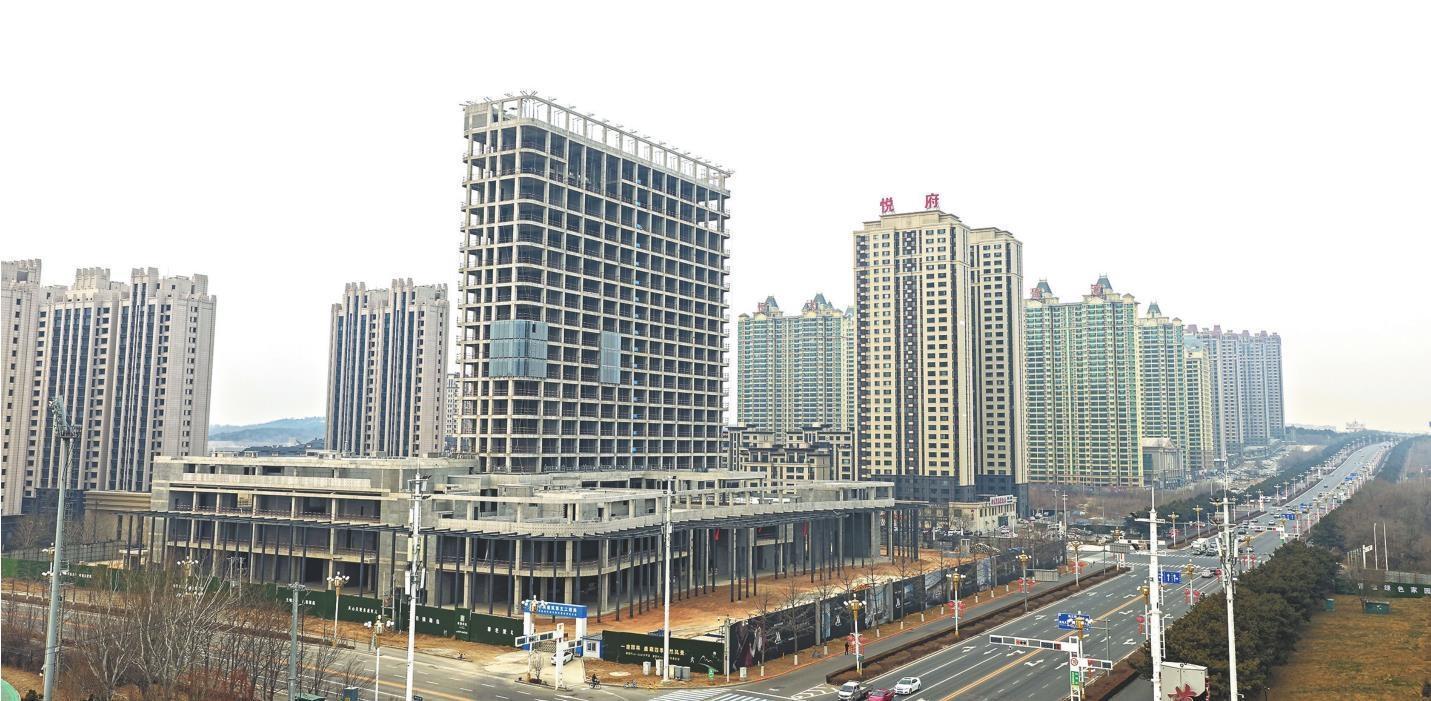
Core Insights - The article highlights the successful resolution of long-stalled projects in Huludao, specifically the relocation of the CNOOC 20-2 natural gas separation plant and the construction of the Longdong Marriott Hotel, showcasing the local government's commitment to overcoming historical issues and facilitating development [1][2]. Group 1: Project Developments - The CNOOC 20-2 natural gas separation plant, previously hindered by safety and operational issues due to urban encroachment, is set to relocate with a total investment of 12 billion yuan, marking a significant breakthrough in project advancement [2][4]. - The Longdong Marriott Hotel project, which had been dormant for nearly a decade due to safety distance regulations, is now poised to resume following the resolution of the gas plant's relocation [2][4]. Group 2: Government Initiatives - The Huludao municipal government has actively engaged with CNOOC to address project challenges, demonstrating a proactive approach through multiple meetings and tailored solutions to facilitate the relocation and subsequent hotel project [2][3]. - A "one-stop service" model has been implemented to streamline project approvals and enhance communication between government and enterprises, significantly improving the efficiency of project execution [2][3]. Group 3: Expected Outcomes - The relocation of the gas plant is expected to eliminate potential safety risks for surrounding residential areas and free up over 800 acres of valuable land for development [4]. - The Longdong Marriott Hotel is anticipated to commence operations by October 2027, contributing to the local economy and enhancing the region's service industry [4].

2026年GTA项目液化天然气装船量预计翻倍
Shang Wu Bu Wang Zhan· 2026-01-07 16:19
该公司表示,2025年共装载了18.5船液化天然气和1船凝析油。由于GTA气田性能持续提升,预计 2026年的装船量将接近翻倍。 2015年,随着毛里塔尼亚的Tortue-1(Ahmeyin-1)井和塞内加尔的Guembeul-1井的钻探,GTA天然 气田被发现。该气田蕴藏约20万亿立方英尺天然气,相当于5300亿立方米。 从长远来看,该项目的目标是实现每年1000万吨液化天然气的稳定产量。 (原标题:2026年GTA项目液化天然气装船量预计翻倍) 塞内网1月6日报道,塞内加尔和毛里塔尼亚天然气田运营商科斯莫斯(Kosmos)发布最新消息, Grand Tortue Ahmeyim (GTA)气田的液化天然气项目正在持续推进中。该公司称,浮式液化天然气船已 于2025年12月实现满负荷运行,名义产能为每年270万吨天然气。因此,项目达到了约每年300万吨的产 量峰值。 ...
欧盟电价暴涨,福利大砍,街头乱成一锅粥,1月2日真相揭晓
Sou Hu Cai Jing· 2026-01-07 15:09
Group 1: Energy Crisis - The energy crisis in Europe has intensified since the outbreak of the Russia-Ukraine conflict, leading to significant shortages in natural gas, particularly affecting Germany and France, with electricity prices in Germany rising nearly 40% within a year [5] - Many households are resorting to unconventional heating methods, such as burning coal, due to soaring energy costs [5] - Experts warn that unless Europe completely reduces its dependency on Russian energy, similar crises will continue to recur [5] Group 2: Economic Challenges Post-Brexit - The Brexit process, finalized in 2020, was expected to bring freedom but has instead resulted in economic slowdown and cuts to public spending, particularly affecting healthcare and unemployment benefits [7] - The poverty rate in the UK increased by two percentage points compared to pre-Brexit levels in 2022 [7] - Strikes and protests have become commonplace as the welfare system faces increasing strain [8] Group 3: Pension Reforms and Social Unrest - France's government proposed raising the retirement age from 62 to 64 in 2023 due to fiscal pressures, leading to widespread strikes and disruptions in public services [9][11] - Over one million people participated in the strikes, highlighting the growing anxiety among citizens regarding their financial security in retirement [11][12] - Experts indicate that structural reforms in high-welfare countries like France will inevitably cause short-term pain but are necessary for long-term sustainability [12] Group 4: Manufacturing Sector Pressures - European traditional manufacturing industries, particularly automotive and home appliances, are facing unprecedented challenges due to the rise of Chinese manufacturing since 2010 [13] - In 2023, exports of Chinese electric vehicles to Europe surged by 60%, prompting the EU to implement anti-dumping measures, which have had limited effectiveness [15] - European companies are under pressure to transform while maintaining employment, creating a challenging environment for traditional industries [15] Group 5: Increased Defense Spending - Since 2018, the U.S. has increased demands for European allies to raise military spending, resulting in a nearly 20% increase in Germany's defense budget in 2023 [16][17] - This increase in military expenditure is squeezing budgets for education and healthcare, leading to dissatisfaction across various sectors [17] - The trend of rising military spending is expected to continue, impacting the quality of life for ordinary citizens [17] Group 6: Broader Economic and Social Trends - Europe has historically benefited from external advantages, such as Russian energy, U.S. security, and cheap Chinese goods, but these conditions are changing [19] - The current situation presents a critical moment for Europe to undergo self-reform and reduce reliance on external support [20] - Various countries are taking proactive measures, such as Spain's investment in renewable energy and Italy's pension reforms, to address these challenges [21][22][24] - A 2023 EU survey indicated that over 60% of respondents expect increased living pressures in the next five years, particularly concerning welfare and employment [24]

国新能源:预计2025年度净亏损
Xin Lang Cai Jing· 2026-01-07 12:15
国新能源公告,经财务部门初步测算,预计2025年度归属于上市公司股东的净利润为负值,公司2025年 度经营业绩将出现亏损。 ...

清洁取暖莫成“民生痛点”
中国能源报· 2026-01-07 09:39
Core Viewpoint - The transition from coal-based heating to clean heating in Hebei is a complex system project that requires balancing environmental protection with the livelihood of residents, highlighting the need for effective governance and policy implementation [1][4]. Group 1: Clean Heating Progress - Hebei has made significant strides in clean heating, with 93% of 13 million rural households now using natural gas or electric heating, achieving near full coverage [2]. - The average PM2.5 concentration in the Beijing-Tianjin-Hebei region has decreased by 63.7% since 2013, indicating positive environmental impacts from clean heating initiatives [1]. Group 2: Economic Impact on Residents - The cost of heating has increased significantly, with expenses rising from 2,000-3,000 yuan for coal to 7,560-11,340 yuan for gas, consuming 30%-50% of the average disposable income of rural residents in 2024 [2]. - The price of heating gas in many areas reaches 3.15 yuan per cubic meter, with some regions like Chengde exceeding 3.4 yuan, creating a financial burden for households [2]. Group 3: Challenges in Implementation - The quality of heating equipment varies, leading to high failure rates and increased maintenance costs after the warranty period, which is only 3-5 years [3]. - Rural housing often lacks adequate insulation, resulting in indoor temperatures that are 10-15°C lower than urban areas, necessitating higher energy consumption for heating [3]. Group 4: Policy Recommendations - A long-term subsidy and cost-sharing mechanism should be established to ensure heating costs remain manageable for residents, particularly for low-income groups and vulnerable populations [5]. - The development of a comprehensive equipment and infrastructure support system is essential, including strict quality standards and extended warranty periods for heating devices [6]. Group 5: Tailored Solutions - Clean heating strategies should be customized based on local resources, economic conditions, and building characteristics, avoiding a one-size-fits-all approach [7]. - Energy-efficient building renovations and the promotion of renewable energy sources like solar and wind should be prioritized to reduce costs and improve energy self-sufficiency [8].