潮玩

Search documents
泡泡玛特:海外基地落地 供应链布局深化促全球化
Sou Hu Cai Jing· 2025-12-30 08:48
Core Insights - The article highlights that Pop Mart has deepened its overseas supply chain layout, which is expected to drive the company's global business expansion [1] Group 1: Global Expansion - Pop Mart's partners in Indonesia, Cambodia, and Mexico have recently commenced shipments, indicating a significant step in its international operations [1] - The establishment of six major production bases globally covers Southeast Asia and Mexico, enhancing the company's ability to serve international markets [1]

2025的消费账:增长来自哪里,冷感来自哪里
3 6 Ke· 2025-12-30 08:38
Group 1 - The core viewpoint of the article highlights that while China's consumption market shows growth in data, the actual consumer sentiment remains weak, with a significant increase in household savings indicating a preference for saving over spending [1] - In the first eleven months of 2025, the total retail sales of consumer goods increased by approximately 4.0% year-on-year, while per capita disposable income and consumption also rose [1] - Consumer confidence has remained low, with the consumer confidence index fluctuating around 89 points, significantly below the long-term average of 108.77 [1] Group 2 - The home appliance and automotive markets experienced a cumulative growth of nearly 14.8% and 6.1% respectively in the first eleven months of 2025, driven by policies like "trade-in for new" [4] - However, in November, retail sales for these categories dropped by 19.4% and 8.1% year-on-year, indicating a typical consequence of policy stimulus [5][6] - The increase in automotive trade-in applications exceeded 11.2 million vehicles, accounting for over one-third of total sales, suggesting that much of the growth was due to preemptive demand rather than new demand [7] Group 3 - The dining sector has seen a significant shift, with approximately 75% of new takeaway orders priced below 15 yuan, indicating a trend towards cost-saving [9] - The number of high-end restaurants has halved over the past three years, with major cities like Shenzhen and Beijing experiencing reductions of 57% and 47% respectively [9] - Consumers are increasingly skeptical about the value of higher-priced dining options, leading to a preference for more affordable choices [9] Group 4 - The travel market in 2025 saw a 20.6% year-on-year increase in domestic travel, but spending growth was only 15.2%, indicating a trend of more travelers spending less [11][12] - During peak travel periods, such as the National Day holiday, the number of travelers increased by 1.23 million, yet overall spending only grew by 3% [12] - Consumers are becoming more price-sensitive, with airlines and hotels hesitant to raise prices during peak seasons [12] Group 5 - The micro-short drama market is projected to exceed 68 billion yuan in 2025, significantly outpacing the film industry's total box office of 50 billion yuan [16] - The average daily usage time for micro-short dramas reached 120.5 minutes, while movie attendance frequency has declined, with 60% of viewers attending only once a year [17] - The concentration of box office revenue is increasing, with 55% of total box office revenue captured by the top five films in 2025, the highest in a decade [17] Group 6 - In the fast-moving consumer goods sector, prices have been declining, with an average price growth rate of -2.4% in the first three quarters of 2025 [20] - The focus of consumers has shifted from brand loyalty to channel trust, with discount stores and private labels rapidly expanding [21] - Consumers are prioritizing functional utility over brand prestige, leading to a shift in purchasing behavior towards more stable and reliable products [21] Group 7 - Instant retail is experiencing rapid growth, with platforms like Meituan and JD.com emphasizing delivery speed, aiming for delivery within 30 minutes [24] - The instant retail market is projected to reach 1.5 trillion yuan by 2030, with a compound annual growth rate of 18% [24] Group 8 - Gold prices surged by 70% in 2025, significantly outpacing income growth, leading to a decline in gold jewelry consumption by 25% in 2024 and 26% in the first half of 2025 [33] - The demand for gold bars and coins has increased, reflecting a shift towards gold as a safe-haven asset amid geopolitical uncertainties [33] Group 9 - The white wine market is showing signs of fatigue, with inventory turnover days reaching 900 days, indicating a significant slowdown in consumption [36] - Younger consumers are distancing themselves from traditional drinking cultures, preferring craft and low-alcohol beverages that emphasize casual social interactions [37] - In contrast, new consumer products like Labubu are thriving, with a turnover rate of only 83 days, appealing to younger demographics seeking cultural identity [39] Group 10 - The overall consumption landscape in 2025 reflects a shift towards defensive consumption, where consumers prioritize certainty and stability over aspirational spending [40] - The willingness to spend is being weighed against the need for risk management, leading to a more cautious approach to consumption [41]


泡泡玛特海外供应链再落子
Ge Long Hui A P P· 2025-12-30 08:32
Core Viewpoint - Pop Mart's overseas supply chain is deepening with recent shipments from partners in Indonesia, Cambodia, and Mexico, indicating a significant step in the company's global expansion strategy [1] Group 1 - Pop Mart has established six major production bases globally, covering Southeast Asia and Mexico, which is expected to further enhance the company's international business development [1]
泡泡玛特全球六大生产基地全面落地,印尼、柬埔寨、墨西哥合作伙伴开始出货
Xin Lang Cai Jing· 2025-12-30 07:43
Group 1 - The core viewpoint of the article highlights that Pop Mart's partners in Indonesia, Cambodia, and Mexico have recently begun shipping, indicating a deepening of the overseas supply chain layout [1][2] - Pop Mart has established six major production bases globally, covering Southeast Asia and Mexico, which is expected to further promote the company's global business expansion [1][2]
价格暴跌、5折甩卖!曾一度炒到天价
Xin Lang Cai Jing· 2025-12-30 07:36
Core Viewpoint - The collectible toy market, particularly the Labubu blind boxes from Pop Mart, is experiencing a significant price drop, with reports of prices halving in various channels and second-hand markets [1][8]. Price Changes - The average price of the Labubu Sit Party vinyl plush series, originally priced at 594 yuan, has decreased from 1478 yuan to approximately 632 yuan on second-hand platforms; some single items originally priced at 99 yuan are now selling for as low as 82 yuan during flash sales [2][9]. - There is a noticeable increase in the number of Labubu listings on multiple second-hand trading platforms, while transaction prices are simultaneously declining [2][9]. Market Impact - Pop Mart's stock price has fallen over 40% since reaching a peak of 339.8 HKD in late August, dropping to around 189 HKD by mid-December, resulting in a market capitalization loss of over 200 billion HKD [5][12]. - The price changes have altered consumer expectations, with some resellers postponing purchases of the Labubu series and consumers expressing a preference to buy directly at lower prices rather than engaging in blind box purchases [5][12]. Future Growth Projections - Morgan Stanley's report indicates that Pop Mart is transitioning from a phase of explosive growth to one of sustainable growth, predicting a significant slowdown in revenue growth for Labubu by 2026, with diversification beyond the Labubu IP becoming the new growth driver [5][12]. - In 2023, Labubu achieved over 100 million in sales, marking a growth rate of nearly 40%, making it the fastest-growing IP for Pop Mart [6][13].

热梗“爱你老己”背后的别样温度
Xin Lang Cai Jing· 2025-12-30 06:40
Core Viewpoint - The phrase "I love you, old self, see you tomorrow" has gained popularity online, reflecting a trend of self-care and emotional expression among the younger generation in the context of modern societal changes [1][4]. Group 1: Emotional Needs and Social Changes - As society transitions towards modern urban environments, individuals are increasingly detached from traditional community structures, leading to a heightened demand for emotional communication and expression [2]. - The rapid development of the internet and social media has facilitated online communication but has not fully satisfied the emotional needs of individuals, often resulting in increased feelings of loneliness [2]. Group 2: Rise of Emotional Consumption - The fast-paced modern lifestyle has intensified the demand for emotional communication and psychological comfort, leading to the emergence of new consumption patterns centered around emotional satisfaction, particularly among younger demographics [3]. - Since 2013, the annual compound growth rate of the emotional consumption industry in China has reached 12%, with projections indicating the market size will exceed 2 trillion yuan by 2025, highlighting its role in driving consumption upgrades [3]. Group 3: Self-Care and Emotional Resonance - The popularity of the phrase "I love you, old self" signifies a mature and rational shift in the emotional landscape of the younger generation, reflecting a deeper understanding of self-care and emotional resonance [4]. - This trend indicates a move away from self-deprecation towards a more compassionate self-dialogue, emphasizing the importance of self-love and resilience in the face of challenges [4][5]. Group 4: Lasting Impact of Emotional Trends - While the popularity of the phrase may fade, the underlying emotional resonance and the desire for emotional communication and self-care will continue to manifest in new forms in the internet age [5].
热搜第一!黄牛暂缓收购,Labubu二手市场价格大跳水
中国基金报· 2025-12-30 06:08
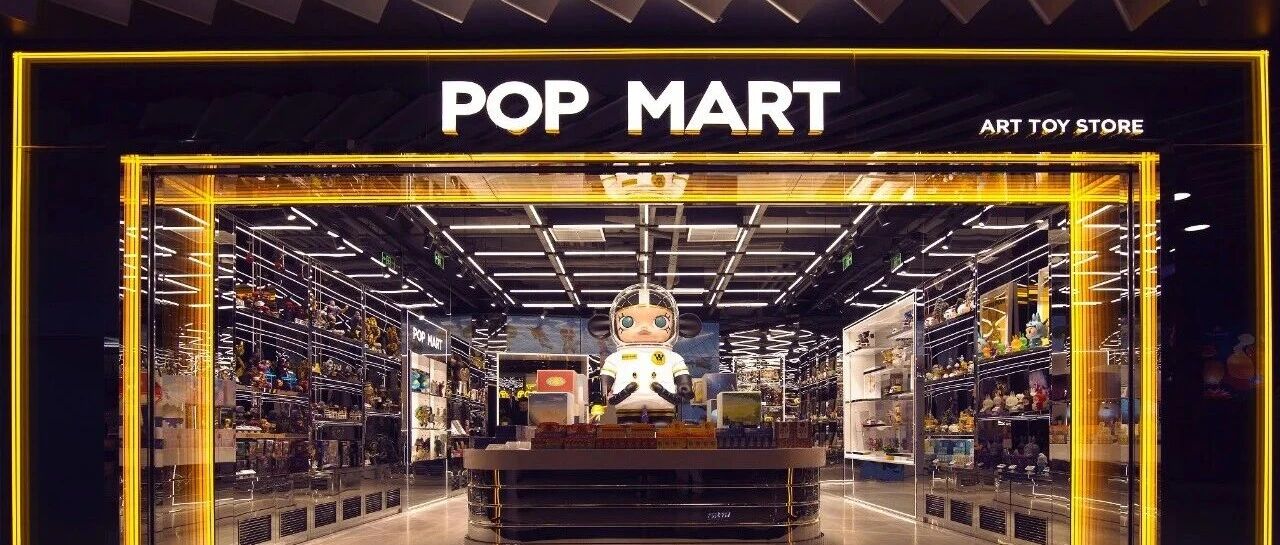
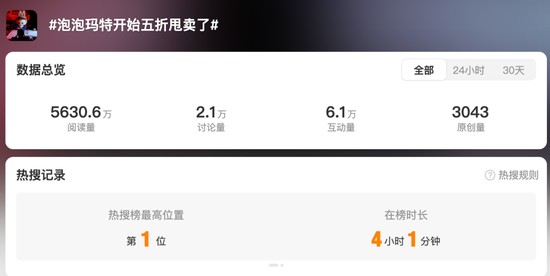
Core Viewpoint - The second-hand market prices for Labubu blind boxes under Pop Mart have significantly dropped, leading to widespread discussion and concern about the brand's future and pricing strategy [2][11]. Price Decline - The price of the Labubu Sit Sit Party vinyl plush series, originally priced at 594 yuan, peaked at over 1400 yuan in July but has now fallen to around 630 yuan [3]. - The minimum transaction price for a single blind box, originally 99 yuan, has decreased to 60 yuan, falling below the original price [3]. - The hidden variant "Ben Wo" from the Front High Energy series, once valued at 46,000 yuan, has plummeted to approximately 480 yuan, a drop of over 98% [6]. Market Dynamics - The number of Labubu listings on platforms like Xianyu has increased, but transaction prices have decreased. The average transaction price on Xianyu has dropped to 83.5 yuan since June [6]. - 68% of users on these platforms expect further price declines [6]. - Older Labubu products are being sold at significant discounts, with some priced as low as 29 yuan [8]. Inventory and Financial Impact - Some resellers have reported losses exceeding 100,000 yuan in a single day, with some holding over 1 million yuan in unsold inventory [9]. - The company's stock price has fallen over 40%, reflecting investor concerns about the brand's pricing strategy and market position [10]. Production and Future Outlook - Labubu achieved over 100 million units sold in 2023, becoming Pop Mart's fastest-growing IP. However, the monthly production capacity has increased from 10 million to 50 million units, which is believed to be a key factor in the price collapse [11]. - Analysts from Morgan Stanley suggest that Pop Mart is transitioning from explosive growth to sustainable growth, with revenue growth for Labubu expected to slow significantly by 2026 [14].
热搜第一!黄牛暂缓收购,Labubu二手市场价格大跳水
Xin Lang Cai Jing· 2025-12-30 05:58
Group 1 - The second-hand market prices for Labubu products have significantly dropped, with some items falling below their original prices [1][14] - The Labubu "sitting party" plush series, originally priced at 594 yuan, had an average second-hand price exceeding 1400 yuan in July, but has now decreased to around 630 yuan [14] - The price of a single blind box, originally 99 yuan, has dropped to a minimum transaction price of 60 yuan, below the original price [14] Group 2 - Hidden variant prices have also seen drastic reductions, with the "Ben Wo" variant previously selling for 46,000 yuan now plummeting to around 480 yuan, a drop of over 98% [5][18] - The average transaction price for Labubu on platforms like Xianyu has been declining since June, currently at 83.5 yuan, with 68% of users predicting further declines [5][18] Group 3 - The company has increased its monthly production capacity from 10 million to 50 million units to meet market demand, which is believed to be a primary factor in the price collapse [10][22] - Deutsche Bank has indicated that the company is engaging in a risky strategy by trading scarcity for short-term revenue growth, which may signal a decline in popularity for trend-driven toys [10][22] Group 4 - The stock price of the company has dropped over 40%, with shares trading at 189.8 HKD, down from a high of 339.8 HKD in August, resulting in a market capitalization loss of over 200 billion HKD [10][23] - Morgan Stanley's report suggests that the company is transitioning from explosive growth to a phase of sustainable growth, with revenue growth expected to slow significantly by 2026 [11][23]
从1478元暴跌至632元!黄牛公开声明:暂缓收购!几个月前爆火
Sou Hu Cai Jing· 2025-12-30 04:35
Group 1 - The average resale price of Labubu's products on second-hand platforms has significantly decreased, with the price of a box that originally cost 594 yuan dropping from 1478 yuan to around 632 yuan, and some single items originally priced at 99 yuan even falling below their original price to as low as 82 yuan during flash sales [1][3] - The number of Labubu listings on platforms like Xianyu, Qiantao, and Dewu has increased, but the transaction prices are simultaneously declining, indicating a shift in market dynamics [1][3] - The stock price of Pop Mart, the parent company of Labubu, has also seen a significant decline, dropping over 40% from a peak of 339.8 HKD in late August to approximately 189 HKD by mid-December, resulting in a market capitalization loss of over 200 billion HKD [3][5] Group 2 - The changes in pricing and market behavior cannot be attributed to a single product release or event, but rather reflect a broader decline in consumer confidence and interest in trendy toys, suggesting that the market's cooling is primarily driven by shifts in sentiment rather than sales volume [5] - The once high demand for new releases has diminished, with consumers now expressing a willingness to purchase items at lower prices without the urgency to buy blind boxes, indicating a fundamental change in consumer behavior [3][5]
2025年的爆款潮玩盲盒,有这些特征
3 6 Ke· 2025-12-30 02:56
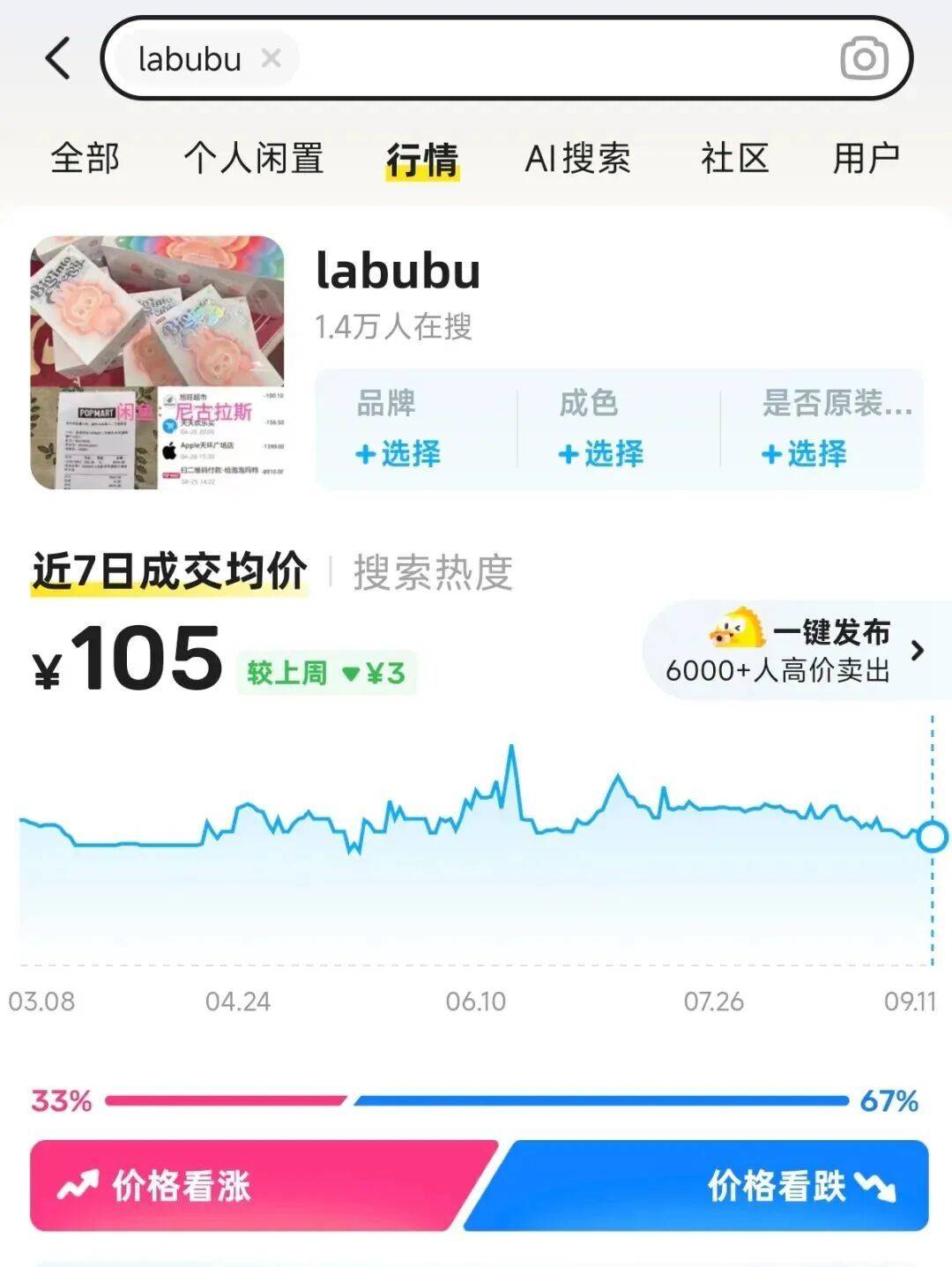
Core Insights - The article highlights the significant performance of IP-related products in 2025, particularly in the blind box market, with a notable increase in sales across various platforms like Tmall and Douyin [1][2] Group 1: Sales Performance - Over 10,000 units sold for many products, indicating a substantial market expansion compared to previous years [2] - The top-selling products include the "Nezha: The Devil's Child" series with over 720,000 units sold on Douyin and various other popular items from brands like Pop Mart and AYOR TOYS [1][4] - The list of products with sales exceeding 100,000 units includes diverse categories such as plush toys, cards, and figures, showcasing a rich variety of IP types [1][2] Group 2: Market Trends - The success of blockbuster animated films like "Nezha: The Devil's Child" and "The Little Monsters" has significantly boosted sales for related merchandise [2] - The influence of celebrity endorsements has become more pronounced, with many brands leveraging star power to drive sales [2][6] - The product categories have diversified beyond traditional plush toys to include various materials and types, such as food-themed toys and collectible figures [2][6] Group 3: Platform Dynamics - Douyin is recognized for its strong traffic potential, making it suitable for promoting popular IP-related products [3] - However, brands must integrate content strategies on Douyin to effectively build a fan base [3] Group 4: Brand Strategies - Brands like Sannisen and AYOR TOYS are adopting innovative supply chain and IP licensing models, which are expected to disrupt traditional market dynamics [6] - The collaboration between game IPs and product companies is deepening, as seen with the "DearNikki" brand and others [11]