
无人机

Search documents
挑战"受管制清单",大疆起诉FCC
Guan Cha Zhe Wang· 2026-02-24 12:35
Core Viewpoint - DJI is challenging the FCC's decision to include the company and its products on the "Covered List," which restricts the sale of new drone models in the U.S. without FCC approval, aiming to protect consumer rights and market competition [1] Group 1: Legal Actions and Responses - DJI filed a lawsuit against the FCC, arguing that the decision lacks substantial evidence proving that its products pose a national security threat, thus violating due process and constitutional rights [1] - The company previously expressed disappointment over the FCC's decision, stating it limits consumer choice and undermines fair market principles [1] - DJI has attempted to communicate with the U.S. Department of Defense to understand the reasons for being placed on the list but received no substantial response [4] Group 2: Market Impact and Consumer Reaction - Following the FCC's ban announcement, there was a significant market reaction, with a 200% price increase for related equipment on second-hand platforms and an 8-fold increase in DJI product sales in a single week [2] - Consumers, including filmmakers and agricultural tech personnel, have voiced their frustration over the ban, emphasizing that there are no comparable alternatives to DJI products [2] - DJI holds over 70% market share in the global civilian drone market and approximately 70% to 90% in the U.S. market across various sectors, with over 80% of law enforcement agencies using DJI products [2] Group 3: Regulatory Context - The FCC's ban is part of a broader strategy to mitigate security threats during major international events, such as the 2026 World Cup and the 2028 Los Angeles Olympics [3] - The ban stems from a defense authorization act passed by Congress, which mandates a security review of companies like DJI, with a deadline for the review set for December 23, 2025 [3] - The FCC clarified that the ban does not prohibit the import, sale, or use of existing approved drone models, nor does it affect drones already purchased by consumers [3] Group 4: Judicial Outcomes - A previous court ruling found insufficient evidence for many of the Department of Defense's core allegations against DJI, but the court ruled based on the dual-use nature of the technology, which was deemed inappropriate by some experts [4][5] - The Chinese government has expressed strong opposition to the U.S. actions, criticizing the broad interpretation of national security and the discriminatory nature of the list against Chinese companies [5]


大疆:起诉美国联邦通信委员会 维护全球用户合法权益
Xin Jing Bao· 2026-02-24 12:02
Core Viewpoint - DJI has filed a lawsuit against the FCC's decision to include its products on the "Covered List," arguing that the decision lacks substantial evidence and violates procedural and constitutional principles [1] Group 1: Legal Action - DJI submitted a lawsuit to the Ninth Circuit Court on February 20, 2024, challenging the FCC's decision made on December 23, 2025 [1] - The lawsuit aims to protect the rights of the company and the interests of American consumers and agricultural users who rely on DJI products [1] Group 2: Allegations Against FCC - DJI claims that the FCC's decision has serious procedural flaws and substantive defects, as it was made without any evidence proving that DJI products pose a national security threat [1] - The company argues that this decision violates due process principles and potentially breaches U.S. constitutional and federal laws [1] Group 3: Market Impact - Following the FCC's ban announcement, there was a strong reaction from the U.S. consumer market and agricultural users, leading to a "stockpiling" trend and a 200% price increase for related equipment on second-hand trading platforms [1] - DJI holds over 70% market share in the global civil drone market and approximately 70% to 90% market share in the U.S. consumer, commercial, and government drone markets [1]
大疆起诉美国FCC 指控禁令程序违法
Yang Zi Wan Bao Wang· 2026-02-24 12:02
Group 1 - DJI has filed a lawsuit against the FCC's decision to include the company and its products on the "Covered List," aiming to protect its legal rights and the interests of American consumers and agricultural users affected by the ban [1] - The FCC's decision is criticized for lacking substantial evidence to prove that DJI products pose a national security threat, which allegedly violates due process and constitutional rights [1] - Following the FCC's ban announcement, there was a significant market reaction, with a 200% price increase for related equipment on second-hand trading platforms and an 8-fold year-on-year increase in DJI product sales for a major U.S. drone dealer [2] Group 2 - DJI holds over 70% market share in the global civil drone market and approximately 70% to 90% market share in the U.S. consumer, commercial, and government drone markets [2] - Over 80% of more than 1,800 law enforcement agencies in the U.S. utilize DJI products [2] - DJI's action camera series surpassed GoPro with a 66% global market share, becoming the leading brand in the action camera market, while its panoramic camera captured 43% of the global market share shortly after its release [2]
大疆:起诉美国联邦通信委员会,维护全球用户合法权益
Bei Ke Cai Jing· 2026-02-24 12:00
Group 1 - DJI has filed a lawsuit with the U.S. Ninth Circuit Court of Appeals challenging the FCC's decision to include DJI and its products on the "Covered List" effective December 23, 2025, aiming to protect its legal rights and the interests of U.S. consumers and the agricultural sector affected by the ban [1] - The lawsuit claims that the FCC's decision lacks substantial evidence proving that DJI products pose a national security threat, violating due process and potentially breaching U.S. constitutional and federal laws [1] - Following the FCC's ban announcement, there was a strong reaction from the U.S. consumer market and agricultural users, leading to a "stockpiling" trend and a 200% price surge for related equipment on second-hand trading platforms [1] Group 2 - DJI maintains over 70% market share in the global civil drone market and holds approximately 70% to 90% of the market share in the U.S. consumer, commercial, and government drone markets [1] - Previously, DJI had filed appeals against being listed on the U.S. Department of Defense's "Chinese Military Companies List" on October 18, 2024, and October 14, 2025 [2]
大疆向美国政府“亮剑”!
Guan Cha Zhe Wang· 2026-02-24 11:58
Core Viewpoint - DJI, a leading domestic drone manufacturer, has filed a lawsuit against the FCC to challenge its decision to place DJI and its products on the "Covered List" by December 23, 2025, citing procedural flaws and lack of evidence regarding national security threats [1][3]. Group 1: Legal Action and Implications - DJI aims to protect its legal rights and the interests of American consumers and agricultural users affected by the FCC's ban [1]. - The lawsuit argues that the FCC's decision violates due process and relevant U.S. laws, as no substantial evidence was provided to support claims of national security threats from DJI products [1][3]. Group 2: Market Position and Impact - DJI holds over 70% of the global civil drone market and approximately 70% to 90% of the U.S. consumer, commercial, and government drone markets [3]. - Over 80% of the 1,800 law enforcement agencies in the U.S. utilize DJI products, with significant usage reported in major cities like New York and Kansas City [3]. Group 3: Consumer Reaction and Market Dynamics - Following the FCC's announcement, there was a strong consumer reaction, leading to a surge in demand and a 200% price increase for related equipment on second-hand platforms [3][4]. - A large U.S. drone dealer reported an over 800% year-on-year increase in DJI product sales in a single week, indicating strong consumer demand despite the ban [4]. Group 4: Previous Challenges - This is not the first time DJI has challenged the U.S. government, as it previously filed appeals against being listed on the U.S. Department of Defense's "Chinese Military Companies List" [5].
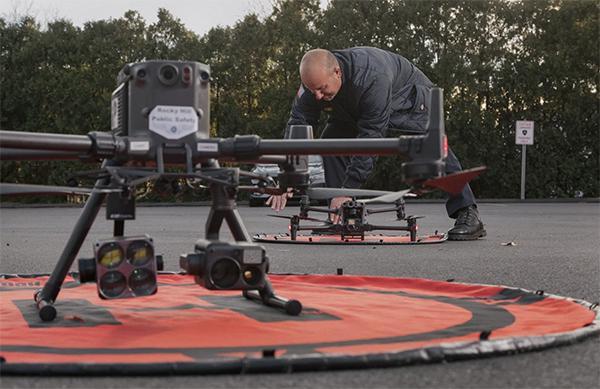
突发!大疆起诉美国FCC
Shen Zhen Shang Bao· 2026-02-24 11:58
Group 1 - DJI has filed a lawsuit against the FCC's decision to include its products on the "Covered List," claiming procedural flaws and lack of evidence regarding national security threats [1] - The FCC's ban has led to a significant market reaction, with a 200% increase in prices for related equipment on second-hand platforms and an 8-fold increase in DJI product sales in a single week [1] - Over 80% of more than 1,800 law enforcement agencies in the U.S. use DJI products, highlighting the company's dominance in the market [2] Group 2 - DJI holds over 70% market share in the global civilian drone market and approximately 70% to 90% in the U.S. consumer, commercial, and government drone markets [2] - DJI's action camera series has surpassed GoPro with a 66% global market share, becoming the leading brand in the action camera market [2] - The company has also achieved a 43% market share in the panoramic camera sector with a single product released 25 years ago [2]
大疆“亮剑”:正式起诉美国联邦通信委员会
Guan Cha Zhe Wang· 2026-02-24 11:54
Core Viewpoint - DJI, a leading domestic drone manufacturer, has filed a lawsuit against the FCC to challenge its decision to place DJI and its products on the "Covered List" by December 23, 2025, citing procedural flaws and lack of evidence regarding national security threats [1][3]. Group 1: Legal Action and Implications - DJI aims to protect its legal rights and the interests of American consumers and agricultural users affected by the FCC's ban [1]. - The lawsuit argues that the FCC's decision violates due process and relevant U.S. laws, as no substantial evidence was provided to justify the national security concerns [1][3]. Group 2: Market Position and Impact - DJI holds over 70% of the global civil drone market and approximately 70% to 90% of the U.S. consumer, commercial, and government drone markets [3]. - Over 80% of the 1,800 law enforcement agencies in the U.S. utilize DJI products, indicating a significant reliance on its technology [3]. - Following the FCC's announcement, there was a strong market reaction, with a 200% price increase for related equipment on second-hand platforms, reflecting consumer panic and demand [3][4]. Group 3: Consumer Sentiment and Response - Consumers, including filmmakers and agricultural professionals, have expressed outrage over the government's actions, emphasizing the lack of alternatives to DJI's products [4][5]. - Many consumers have reached out to their state representatives and the White House, advocating for the continuation of DJI's product availability due to its unmatched price and performance [5]. Group 4: Previous Challenges - This is not DJI's first legal challenge against the U.S. government; the company has previously appealed against being listed on the U.S. Department of Defense's "Chinese Military Companies List" [5].

美媒:特朗普政府正酝酿征收新关税
Xin Lang Cai Jing· 2026-02-24 11:51
Core Viewpoint - The U.S. Supreme Court ruled that the large-scale tariffs imposed by the Trump administration under the International Emergency Economic Powers Act were illegal, leading to plans for new tariffs based on national security laws, which may increase economic uncertainty [1][6]. Group 1: New Tariff Investigations - The U.S. Department of Commerce is initiating new investigations under Section 232 of the Trade Expansion Act of 1962 for products in industries such as large batteries, cast iron and iron fittings, plastic pipes, industrial chemicals, and telecommunications equipment [1][6]. - The U.S. Trade Representative's office is also starting new trade investigations under Section 301 of the Trade Act of 1974, which may lead to tariffs on issues like drug pricing and discrimination against U.S. technology companies [2][6]. Group 2: Existing Tariffs and Changes - The Trump administration previously invoked Section 232 to investigate nine categories of products, including semiconductors and solar panels, with many investigations ongoing for nearly a year [2][7]. - There is an intention to modify the algorithm for steel and aluminum tariffs, potentially lowering nominal rates but taxing based on the total value of products rather than just their steel and aluminum content [7]. Group 3: Economic Uncertainty - Following the Supreme Court ruling, the Department of Homeland Security confirmed that tariffs under the International Emergency Economic Powers Act would cease, but tariffs under Sections 232 and 301 remain effective [9]. - The new tariffs announced under Section 122 of the Trade Act of 1974 will impose a 15% tariff on goods from all countries for a maximum of 150 days, requiring Congressional approval for extension [9]. - Experts predict that the complexity and unpredictability of trade policies will increase, leading to greater uncertainty regarding future tariffs [10].
大疆起诉美国联邦通信委员会
Huan Qiu Shi Bao· 2026-02-24 10:19
Core Viewpoint - DJI Innovation has filed an appeal with the U.S. Ninth Circuit Court of Appeals against the FCC's decision to place DJI and its products on a "regulated list," arguing that the decision lacks substantial evidence and violates due process principles [1] Group 1: Legal Action - DJI filed the appeal on February 20, 2026, challenging the FCC's decision made on December 23, 2025 [1] - The company aims to protect its legal rights and the interests of American consumers and agricultural users affected by the ban [1] Group 2: Allegations Against FCC - DJI claims that the FCC's decision contains serious procedural flaws and substantive defects [1] - The FCC failed to provide any substantial evidence proving that DJI products pose a threat to U.S. national security [1] - The company argues that the decision not only violates due process principles but also potentially breaches the U.S. Constitution and federal laws [1]
独家!大疆起诉美国联邦通信委员会(FCC)
Huan Qiu Wang· 2026-02-24 10:04
Core Viewpoint - DJI Innovation has filed an appeal against the FCC's decision to list the company and its products on a "regulated list," claiming the decision lacks substantial evidence and violates procedural fairness and constitutional rights [1][3]. Group 1: Legal Actions and Responses - DJI filed an appeal on February 20, 2026, challenging the FCC's decision made on December 23, 2025, which categorized DJI as a company posing unacceptable risks to U.S. national security [1][4]. - The company expressed disappointment over the FCC's decision, stating it restricts consumer choice and undermines fair market competition [2][4]. Group 2: Market Impact and Consumer Reactions - The FCC's ban led to a strong reaction from U.S. consumers and agricultural users, resulting in a "stockpiling" trend of DJI drones and parts [5]. - Many drone operators voiced concerns about the lack of alternatives to DJI products, emphasizing that their choice is based on affordability and performance rather than the origin of manufacture [5]. Group 3: Market Position - DJI holds over 70% of the global civil drone market and approximately 70% to 90% of the U.S. consumer, commercial, and government drone markets [2][5]. - Over 80% of more than 1,800 law enforcement agencies in the U.S. utilize DJI products [5]. - As of Q3 2025, DJI's action camera series surpassed GoPro with a 66% global market share, and its panoramic camera captured 43% of the global market share shortly after its release [5].