
粮食产业

Search documents
国家粮食和储备局:“十四五”期间粮食产业规模、效益齐头并进
Xin Hua Cai Jing· 2025-10-14 05:26
Core Insights - The high-quality development of the grain industry during the 14th Five-Year Plan period is characterized by simultaneous growth in scale and efficiency, with innovative policy support and implementation mechanisms [1][2] Group 1: Financial Support and Investment - The Ministry of Finance and the National Grain and Material Reserve Bureau have initiated projects to enhance grain circulation quality and efficiency, focusing on major grain-producing counties [2] - As of September 2023, local governments have allocated 46.2 billion yuan in fiscal funds, attracting over 84 billion yuan in social investment, leading to the implementation of more than 8,400 projects [1] - The first batch of support for 40 major grain-producing counties includes over 270 projects, driving total investment close to 10 billion yuan [2] Group 2: Policy Implementation and Equipment Upgrades - The use of ultra-long-term special government bond funds is aimed at promoting new equipment for processed grain oil, staple foods, feed processing, and comprehensive utilization of grain deep processing and by-products [1][2] - Significant progress has been made in updating grain and oil processing equipment, with specific machinery like grain dryers and color sorters included in agricultural machinery subsidy programs [2] Group 3: Future Planning and Strategic Goals - The planning for the 15th Five-Year Plan for grain circulation is underway, with a focus on optimizing industrial structure, extending the industrial chain, and enhancing the value chain [3] - The goal is to strengthen policy implementation and project execution to assist enterprises in overcoming challenges and promote high-quality development in the grain industry [3]
中国针对不利天气影响优化粮食产后烘干等服务
Zhong Guo Xin Wen Wang· 2025-10-14 05:22
中国针对不利天气影响优化粮食产后烘干等服务 中新社北京10月14日电 (记者 陈溯)近日,连阴雨对中国多地粮食秋收造成影响。在国务院新闻办公室 14日举行的发布会上,国家粮食和物资储备局局长刘焕鑫表示,针对不利天气等影响,优化粮食产后烘 干等服务,加强储粮技术指导,把粮食损失降到最低程度。 刘焕鑫表示,秋粮占全年粮食产量的近四分之三,涉及品种多、数量大、范围广。今年的秋粮收购工作 正在陆续展开,重点将抓好以下工作。 首先,着力推进市场化收购,强化人员、仓容、资金、运力等要素保障,深化产销合作,加强农企对 接,多措并举引导各类企业积极入市,活跃市场购销。同时,精心组织政策性收储,为保护种粮农民利 益,及时在符合条件的地区启动中晚稻最低收购价执行预案,指导相关企业根据农民售粮需求,合理布 设库点,优化收购流程,提高作业效率。合理把握各级各类储备收储轮换时机节奏,精准落实调控措 施,推动粮食价格保持在合理水平。 "针对不利天气等影响,优化粮食产后烘干等服务,加强储粮技术指导,把粮食损失降到最低程度。"刘 焕鑫说。 中新经纬版权所有,未经书面授权,任何单位及个人不得转载、摘编或以其它方式使用。 关注中新经纬微信公众号 ...
国家粮食和储备局局长:把握收储节奏,保持粮价合理
Di Yi Cai Jing· 2025-10-14 03:55
Core Insights - Since the "14th Five-Year Plan," China's annual grain purchase volume has exceeded 400 million tons, with grain production stabilizing above 1.3 trillion jin, and expected to surpass 1.4 trillion jin in 2024 [1] - The total industrial output value of grain enterprises is projected to exceed 4 trillion yuan in 2024 [1] - China contributes significantly to global food security, supporting nearly one-fifth of the world's population with only 9% of the world's arable land and 6% of freshwater resources [1] Group 1 - The reform of grain purchase and storage management systems has made solid progress, with improved institutional guarantees and optimized central and local government reserve structures [2] - Various policies, including minimum purchase prices for grain, have increased the available regulatory resources for governments at all levels [2] Group 2 - The grain industry is experiencing high-quality development, characterized by simultaneous growth in scale and efficiency, supported by innovative policies and initiatives [4] - Since 2021, the Ministry of Finance and the National Grain and Material Reserve Bureau have advanced the quality grain project, implementing six major enhancement actions [5] - By September 2023, local governments have allocated 46.2 billion yuan, attracting over 84 billion yuan in social investment, and initiated more than 8,400 projects [5] Group 3 - The autumn grain purchase work is underway, with measures in place to protect the interests of grain farmers, including the implementation of minimum purchase price policies for late rice [6] - Efforts are being made to optimize the grain purchase process and improve operational efficiency, ensuring that policies are effectively implemented [6]

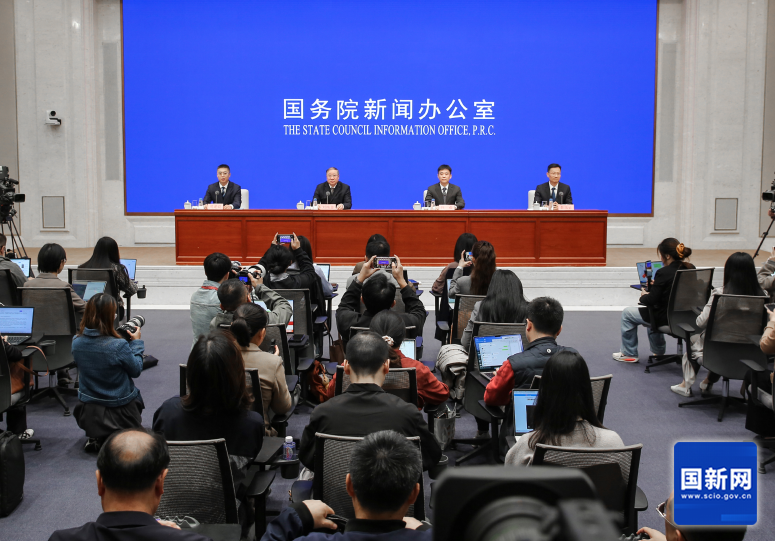
国家粮储局:全国粮食年产量稳定在1.3万亿斤以上
2 1 Shi Ji Jing Ji Bao Dao· 2025-10-14 03:49
10月14日,国家发展改革委党组成员、国家粮食和储备局局长刘焕鑫在国新办新闻发布会上介绍,5年 来,全国粮食年产量稳定在1.3万亿斤以上,2024年首次迈上1.4万亿斤新台阶,人均粮食占有量比"十三 五"期末增加25公斤,达到500公斤,高于国际公认的人均400公斤粮食安全线,做到了谷物基本自给、 口粮绝对安全。把粮食收购摆在突出位置,多措并举畅通农民售粮渠道,持续优化为农为企服务,年均 粮食收购量在4亿吨以上。粮食库存充裕、市场平稳,中国人的饭碗端得更牢、更有成色。 (原标题:国家粮储局:全国粮食年产量稳定在1.3万亿斤以上) ...
国家粮食和储备局:全国粮食标准仓房完好仓容超7.3亿吨
Zhong Guo Xin Wen Wang· 2025-10-14 02:53
中新网10月14日电 国务院新闻办公室14日举行"高质量完成'十四五'规划"系列主题新闻发布会,介 绍"十四五"时期粮食流通改革发展成效。国家发展改革委党组成员、国家粮食和储备局局长刘焕鑫在会 上表示,全国粮食标准仓房完好仓容超过7.3亿吨,比"十三五"期末增加5800万吨。 从产业发展看,深入实施优质粮食工程,产业强、供给优,2024年全国粮食企业工业总产值超过4万亿 元。以中国粮食交易大会和区域性粮食经贸洽谈活动为载体,粮食产销衔接更加顺畅。粮食产业技术创 新加快推进,特色产业集群、知名品牌、优质产品竞相涌现,粮食这个传统产业焕发出了新的生机和活 力。 从应急保障看,由粮食应急储运、加工企业和应急配送中心、供应网点构成的粮食应急保障体系进一步 健全,在应对重大突发事件中发挥了重要作用、经受住了现实考验。 [ 责编:袁晴 ] 刘焕鑫介绍,粮食流通保障能力大幅提升。从设施条件看,深入推进粮食仓储物流项目建设,全国粮食 标准仓房完好仓容超过7.3亿吨,比"十三五"期末增加5800万吨。高标准粮仓仓容逐年增加,具备低温 准低温储藏能力仓容达到2.2亿吨,比"十三五"期末增加7000万吨。粮食物流核心枢纽和关键节点 ...
农业大省的乡村振兴探索:以片区建设打造齐鲁样板
Jing Ji Guan Cha Wang· 2025-10-13 10:34
Core Insights - The "Rural Revitalization Qilu Forum 2025" focuses on Shandong's exploration of a reform model led by regional construction to promote comprehensive rural revitalization [1][2] - Shandong, as China's largest agricultural province, is tasked with creating a Qilu model for rural revitalization, with significant expectations from President Xi Jinping [1][5] - The region has established 2,070 construction areas covering over 18,000 administrative villages, reflecting a practical exploration of the directives from the central government [5][6] Group 1: Regional Development and Agricultural Output - In 2024, Binzhou City achieved a grain planting area of 8.911 million acres, with a total grain output of 3.881 billion kilograms, making it the first city in China to surpass 200 billion yuan in grain industry economy [2] - Binzhou's strategy involves grouping adjacent villages with similar industries and cultures for collective development, emphasizing the integration of primary, secondary, and tertiary industries [2][3] - The "5210N" industrial cluster in Binzhou includes five trillion-yuan advantage industries, two national-level characteristic industry clusters, and ten provincial-level characteristic industry clusters [2] Group 2: Case Studies of Successful Implementation - The Xixiaowang provincial rural revitalization area in Wudi County covers 13 villages and 29 square kilometers, involving 12,000 people, focusing on cotton production and industrial capacity [3] - The Lijiang city-level rural revitalization area in Huimin County spans 7.5 square kilometers, covering 15 natural villages and 7,943 people, leveraging the rope net industry with significant e-commerce growth [3] - Binzhou has constructed 83 tiered areas at the provincial, municipal, and county levels, covering over 1,000 villages, showcasing multiple small-scale models of rural revitalization [3] Group 3: Broader Context and Challenges - The aging population in rural areas is significantly higher than in urban areas, with rural aging rates rising from 5.82% in 1989 to 19.3% in 2022, indicating a trend of youth migration to cities [7] - The phenomenon of "hollow villages" is prevalent, with 91% of surveyed villages experiencing net population outflow, highlighting the need for integrated rural development strategies [6][7] - Experts suggest that rural revitalization should focus on equitable resource allocation and community involvement, ensuring that rural development meets the needs of local populations [8]
徐州:“粮”“邮”携手聚合力 金融活水润三农
Yang Zi Wan Bao Wang· 2025-10-11 08:39
Core Insights - The meeting focused on the collaboration between financial institutions and agricultural enterprises to enhance food security and support rural revitalization through financial policies and market analysis [1][5]. Group 1: Market Dynamics - The meeting highlighted the importance of food security and collaboration between banks and enterprises, with discussions on the expected production, quality, costs, and planting area changes for the autumn 2025 rice crop [2]. - Representatives from the grain industry shared firsthand experiences and challenges, providing valuable insights for market analysis and decision-making across the supply chain [2]. Group 2: Financial Support - The Postal Savings Bank of China introduced various credit products tailored for the entire grain industry chain, including "Grain Purchase Loans" and "Grain-Post Loans," addressing financing needs from planting to processing [3]. - The bank emphasized its commitment to serving the agricultural sector by exploring innovative service models and enhancing business integration to support new operational entities [4]. Group 3: Collaborative Efforts - The meeting established a communication bridge among banks, enterprises, and farmers, facilitating information exchange and resource integration to address challenges collaboratively [5]. - The Postal Savings Bank plans to deepen cooperation with the China Grain Reserves Corporation to foster high-quality development in the grain industry and implement rural revitalization strategies [5].

“粮食安全看山东”之东阿:推动粮食事业发展再上新台阶
Zhong Guo Fa Zhan Wang· 2025-09-26 09:06
Core Viewpoint - Dong'a County is actively enhancing grain management through legal frameworks, storage reforms, and project development to ensure food security and promote high-quality development in the grain industry [1][8]. Group 1: Legal Management of Grain - Dong'a County has implemented strict regulations following the cancellation of grain purchase qualification licenses, with 11 grain purchasing enterprises currently registered [2]. - The county has adopted innovative regulatory methods, utilizing a government service platform for transparent inspections, including a "double random, one public" approach [2]. - Enforcement efforts have been intensified, with 12 personnel deployed for comprehensive checks during the summer grain purchase period, ensuring compliance with grain purchase policies [2]. Group 2: Storage Reform - The county has improved the local grain and oil reserve management system, ensuring accurate inventory and quality standards for stored grains [4]. - A rotation mechanism for reserves has been optimized to reduce costs and enhance efficiency based on market conditions [4]. - The establishment of a post-harvest service system aims to minimize losses for farmers and increase their income through comprehensive support services [4]. Group 3: Industry Integration and Development - Dong'a County is enhancing comprehensive service levels in the grain sector by supporting the creation of integrated service models for storage, drying, and processing [5]. - The county encourages technological innovation in enterprises to improve product quality and expand the supply of high-quality grain and oil products [5]. - The "Rongshi Kang" brand has achieved national green food quality certification, significantly enhancing market competitiveness [5]. Group 4: Project Development - The county is strategically planning grain industry projects, focusing on the "Good Noodle" food industry park to drive deep processing and industry upgrades [7]. - A project advancement mechanism has been established to ensure timely implementation of key grain industry projects, with leadership accountability and resource support [7]. - The construction of the grain trade and storage logistics center is being actively coordinated to address land and funding challenges [7]. Group 5: Achievements and Future Directions - Dong'a County has made significant progress in food security through innovative practices and reforms, with ongoing efforts to explore new avenues for the development of the grain sector [8].
中经评论:粮食“卷价格”不如“卷品质”
Jing Ji Ri Bao· 2025-09-25 00:07
Core Viewpoint - The grain industry is expected to face challenges despite anticipated high yields, with a pressing need to shift from price competition to quality enhancement to ensure sustainable development and food security [1][4]. Group 1: Current Industry Situation - The grain industry is experiencing low price competition, which threatens the overall health of the sector and farmers' incomes, potentially leading to land abandonment and food security risks [1][4]. - Continuous low-price competition may result in overuse of pesticides and fertilizers, degrading soil quality and compromising grain quality [1][3]. Group 2: Consumer Trends - Consumers are increasingly prioritizing quality over quantity, focusing on nutrition, health, safety, taste, and functionality, and are willing to pay a premium for traceable and transparent products [2][4]. Group 3: Quality Enhancement Strategies - Quality enhancement should occur across the entire supply chain, including improved seed quality, sustainable farming practices, and reduced chemical usage [3][4]. - Storage and transportation must maintain grain freshness and nutritional value through specialized facilities and equipment [3]. - Processing should involve increased R&D investment and the use of advanced techniques to retain nutrients and create functional foods [3]. Group 4: Collaborative Efforts Required - A collaborative effort among government, enterprises, research institutions, and consumers is essential to create a market environment that values quality and recognizes premium pricing [4]. - Policies should support green agriculture, establish quality grading standards, and combat fraudulent practices [4]. - Producers need to shift focus from yield to quality, while consumers should adopt a health-conscious mindset and be willing to pay fair prices for high-quality grain [4].
粮食“卷价格”不如“卷品质”
Jing Ji Ri Bao· 2025-09-24 22:46
Core Viewpoint - The grain industry is shifting from a focus on quantity to quality, emphasizing health and value creation rather than price competition [1][4] Group 1: Current Challenges - The grain industry faces severe challenges due to low-price competition, which harms farmers' income and threatens national food security [2] - Continuous low-price competition may lead to overuse of pesticides and fertilizers, degrading soil quality and compromising grain quality [2] - Grain processing companies are struggling with low profit margins, often caught in a dilemma of operating at a loss or losing market share [2] Group 2: Consumer Trends - Consumer awareness regarding food quality is increasing, with a shift from merely satisfying hunger to seeking nutritious and healthy options [2] - Consumers are willing to pay a premium for products that are branded, traceable, and transparent in their production processes [2] Group 3: Quality Improvement Strategies - Quality improvement should focus on various stages of the grain supply chain, including seed quality, storage, transportation, processing, and branding [3] - Farmers should adopt high-quality seed varieties and eco-friendly farming practices to ensure grain quality from the source [3] - Processing companies need to invest in research and development to enhance nutritional retention and create functional foods [3] Group 4: Collaborative Efforts - Achieving quality improvement in the grain industry requires collaboration among government, enterprises, research institutions, and consumers [4] - Policies should support a quality-based pricing mechanism and promote green agriculture while combating substandard practices [4] - All stakeholders must shift their focus from quantity to a balanced approach of quality and quantity, ensuring that the benefits of quality improvements are shared across the supply chain [4]