
跨境电商

Search documents
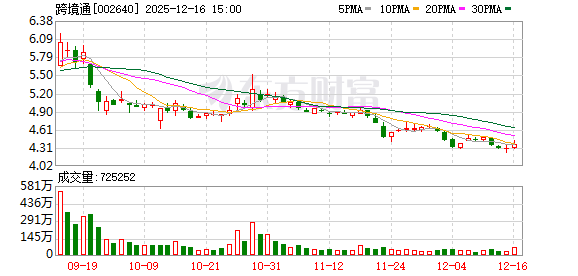
跨境通:公司将聚焦核心业务,出口、进口业务齐头并进
Zheng Quan Ri Bao· 2025-12-16 14:15
Core Viewpoint - The company aims to focus on its core business by advancing both export and import operations while enhancing its own brand development and supporting brand establishment on third-party platforms [2] Group 1 - The company will continue to adhere to a prudent business strategy and optimize its services [2] - The company is committed to exploring new marketing channels and models [2]


高难度一“跨”,苏州怎么破?
Sou Hu Cai Jing· 2025-12-16 14:10
Core Insights - The rapid growth of cross-border e-commerce in China is highlighted, with the number of cross-border e-commerce companies expected to exceed 120,000 by 2024, particularly in economically developed cities like Shenzhen, Guangzhou, Shanghai, and Hangzhou [1][3] - Suzhou is also experiencing significant growth in cross-border e-commerce, with a focus on enhancing its development through strategic initiatives and policies [1][8] Industry Overview - Cross-border e-commerce is likened to a "cross-national online trading assembly line," creating a closed loop from transaction to delivery [3] - Global e-commerce sales are projected to rise from $4.4 trillion in 2023 to $6.8 trillion by 2028, accounting for 24% of global retail sales [3] - In 2024, China's cross-border e-commerce imports and exports are expected to reach approximately 2.71 trillion yuan, a 14% increase year-on-year, with exports alone projected at 2.15 trillion yuan, up 16.9% [3][4] Suzhou's Cross-Border E-Commerce Development - Suzhou has identified 2024 as the "Year of Leap for Cross-Border E-Commerce," launching various initiatives to support this growth [8][10] - The city has established a dedicated cross-border e-commerce development company to facilitate the expansion of local businesses into international markets [13] - In 2024, Suzhou's cross-border e-commerce import and export value is projected to be 232.3 billion yuan, an 86.3% increase, although still smaller compared to leading cities [7][10] Challenges and Solutions - Suzhou faces challenges in transitioning businesses to cross-border e-commerce, including slow adaptation, lack of core products, and insufficient professional capabilities [11][16] - The city is actively addressing these issues by forming specialized teams to educate local businesses about cross-border e-commerce policies and operational models [13][16] Infrastructure and Logistics - Suzhou is enhancing its logistics capabilities to support cross-border e-commerce, including the establishment of a multi-dimensional logistics network [17][19] - The city has launched initiatives to improve logistics efficiency, such as the first cross-province air freight station, which reduces logistics time by 12 to 24 hours [17] - Suzhou is also exploring new transportation models, such as integrating cross-border e-commerce with the China-Europe Railway Express [19] Future Prospects - The ongoing development of cross-border e-commerce is seen as a key strategy for Suzhou's manufacturing sector to access global markets [17] - The city aims to continue leveraging its industrial advantages and strengthen partnerships with leading platforms to facilitate the growth of local enterprises [19]

「史上最长」黑五和跨境电商这一年:野蛮生长的日子过去了
Sou Hu Cai Jing· 2025-12-16 14:09
Core Insights - The Black Friday shopping event has evolved significantly, with online sales reaching $11.8 billion in the U.S., a 9.1% increase from 2024, marking a historical high [2] - The promotional period has extended beyond the traditional 24 hours, now spanning several weeks, leading to consumer fatigue and a dilution of the event's significance [2][3] - Intense competition among e-commerce platforms, particularly from Chinese sellers, is reshaping consumer behavior and decision-making [2] Group 1: Promotional Strategies - Major platforms like Temu and TikTok Shop began their Black Friday promotions as early as October, extending the sales period to over a month [3][4] - Amazon announced its longest Black Friday event, lasting 12 days, to counteract the competition from Chinese platforms [4] - The extended promotional periods have resulted in record sales for platforms, with TikTok Shop achieving over $500 million in GMV within four days [4] Group 2: Seller Experiences - Many sellers reported disappointing sales during Black Friday, with some describing it as the "worst peak season ever" despite the overall increase in consumer spending [5][6] - Sellers are facing declining profit margins, as increased promotional activities lead to higher discount rates, with some discounts reaching between 40% to 99% [6][8] - The rising costs of advertising and compliance are squeezing smaller sellers, making it difficult for them to compete effectively [10][12] Group 3: Market Dynamics - The cross-border e-commerce industry is undergoing a significant reshuffle due to changes in tariffs, compliance requirements, and platform policies, leading to a more challenging environment for small and medium-sized sellers [10][21] - The disparity between large and small sellers is becoming more pronounced, with larger sellers benefiting from economies of scale while smaller sellers struggle to keep up [8][9] - The overall trend indicates a shift from rapid growth to a more mature market, where compliance and brand quality are becoming increasingly important [22][24]

(走进中国乡村)陇南珍品“链”全球:深山货郎变“全球卖手”
Zhong Guo Xin Wen Wang· 2025-12-16 12:53
Core Insights - The article highlights the transformation of rural commerce in Longnan, Gansu, where local products, particularly walnuts, are being marketed globally through e-commerce platforms, significantly boosting local economies and employment [1][3]. Group 1: E-commerce Development - Longnan's e-commerce sector has evolved from individual attempts to a comprehensive system covering production, processing, packaging, logistics, and marketing, becoming a model for e-commerce poverty alleviation in China [3][4]. - As of October 2023, Longnan's e-commerce has generated a total sales revenue of 564 billion RMB, creating over 340,000 jobs in the industry [1][3]. Group 2: Product Diversification and Innovation - Local entrepreneurs are innovating traditional walnut products, introducing items like walnut milk, walnut snacks, and skincare products, with projected sales of over 40 million RMB in 2024 for one brand [5]. - The e-commerce sector is expanding its product range to include various local specialties such as apples, garlic, and wild vegetables, with annual sales reaching 120 million RMB [4]. Group 3: Global Market Reach - Longnan's products are exported to over 30 countries and regions, including Russia, Kyrgyzstan, and the United States, facilitated by 76 registered cross-border e-commerce companies [4]. - The local government is supporting businesses in establishing overseas warehouses and stores, enhancing their international presence [4].

2025年江西省服务贸易(数字贸易)政策与统计工作培训班在南昌召开
Zhong Guo Jin Rong Xin Xi Wang· 2025-12-16 12:49
转自:新华财经 12月12日,2025年全省服务贸易(数字贸易)政策与统计工作培训班在江西南昌召开。来自全省各设区市、赣江新区商务主管部门、部分县市区商务主管部 门、省服务外包示范园区、服务贸易企业等代表参加此次培训。 培训中,服务贸易行业领域专家、业内人士针对服务贸易、数字贸易以及全球发展动态趋势等进行政策宣讲和解读,分享了跨境互联网广告、跨境电商、跨 境物流运输服务、跨境文化产业等领域解决方案及案例。围绕跨境服务贸易,相关企业代表进行了经验交流。 江西省商务厅党组成员、副厅长黄小燕在开班仪式上作动员讲话时指出,抓好服务贸易工作,要狠抓政策落地,释放政策红利,认真落实好《江西省加快服 务贸易高质量发展行动方案》;要推进创新转型,激发数字活力,紧抓数字经济发展浪潮,推动服务贸易向数字化、智能化、融合化方向转型;要强化整体 培育,夯实产业根基,做好企业服务工作,打造具有国际影响力的文化企业品牌,推动江西服务向江西品牌升级;要筑牢数据监测基础,提升科学决策水 平,加强统计数据分析能力,确保数据真实有效,准确研判产业发展态势,为政策制定工作评估和企业决策提供坚实的数据支撑。 中国出口信用保险公司江西分公司总经理蒋韶 ...

共话中国经济新机遇丨海南有望成为自由贸易港的典范——访埃及中国事务专家艾哈迈德·侯赛尼
Xin Hua Wang· 2025-12-16 12:30
"从踏上海南的第一刻起,这里就给我留下了难忘的印象。"侯赛尼回忆,自己首次到访海南就参观 了海口港,对当地现代化基础设施印象深刻。他表示,凭借税收、海关优惠政策,海南已成为重要国际 旅游目的地,其自贸港建设发展前景广阔。 新华社开罗12月16日电 海南有望成为自由贸易港的典范——访埃及中国事务专家艾哈迈德·侯赛 尼 新华社记者张健 姚兵 埃及中国事务专家、开罗大学非洲研究学院研究员艾哈迈德·侯赛尼近日接受新华社记者专访时表 示,海南自由贸易港全面封关运作将进一步推动货物和服务自由流动,巩固海南贸易和物流枢纽地位, 助力其成为"自由贸易港的典范"。 海南自贸港将于18日启动全岛封关。这是中国坚定不移扩大高水平对外开放、推动建设开放型世界 经济的标志性举措。 侯赛尼表示,封关运作后,海南凭借区位和政策优势,将吸引更多仓储和物流企业把这里作为通往 亚洲乃至非洲市场的仓储枢纽。海南自贸港的制度框架将吸引更多金融科技机构和跨境电商企业入驻, 推动产业向服务贸易和数字经济转型。 谈及中东国家同中国的贸易前景,侯赛尼认为,海南自贸港将给埃及等中东地区国家带来切实发展 机遇。一方面,海南自贸港能够有效推进海空物流互联互通,让 ...
跨境通:公司高度关注自身市值表现
Zheng Quan Ri Bao Zhi Sheng· 2025-12-16 11:09
(编辑 王雪儿) 证券日报网讯 12月16日,跨境通在互动平台回答投资者提问时表示,公司股价受宏观经济形势、行业 发展趋势、投资者偏好和预期等多重因素影响,公司高度关注自身市值表现,并充分理解每一位投资者 对股价走势的关切,公司将努力提升经营质量,及时披露重要信息,积极与投资者沟通,维护资本市场 对公司的认知。 ...
“史上最长”黑五和跨境电商这一年:野蛮生长的日子过去了
3 6 Ke· 2025-12-16 10:28
Core Insights - The Black Friday shopping event has evolved significantly, with online sales reaching $11.8 billion in the U.S., marking a 9.1% increase from 2024 and setting a new record [1] - The promotional period has extended beyond a single day, lasting several weeks, leading to consumer fatigue and a dilution of the event's traditional significance [1] - Intense competition among e-commerce platforms, particularly from Chinese sellers, is reshaping consumer behavior and decision-making [1] Group 1: Promotional Strategies - The promotional period for Black Friday has been extended, with platforms like Temu and TikTok Shop starting their sales as early as October, resulting in a total promotional duration of up to 51 days [2] - Amazon has also adjusted its Black Friday schedule to compete, announcing a 12-day promotional period from November 20 to December 1, which is its longest ever [2] - The extended promotional periods have led to record sales for platforms, with TikTok Shop achieving over $500 million in GMV in just four days [2] Group 2: Seller Experiences - Despite the platforms' success, many sellers report disappointing sales, with some describing this season as the "worst ever" [3] - Sellers are experiencing fatigue due to the increased frequency and duration of promotions, leading to a decline in consumer engagement [3] - The profitability of sales is declining, with sellers having to offer deeper discounts, sometimes between 40% to 99%, to remain competitive [5] Group 3: Market Dynamics - The competitive landscape is shifting, with larger sellers benefiting from economies of scale while smaller sellers struggle to keep up [5][6] - The rising costs of advertising and compliance are squeezing profit margins, making it difficult for smaller sellers to sustain operations [8][9] - The overall investment-to-return ratio is deteriorating, with many sellers finding that their sales do not cover the increased costs associated with promotions and compliance [8][14] Group 4: Regulatory Environment - The cross-border e-commerce industry is facing increased regulatory scrutiny, with changes in tax compliance and customs regulations impacting operations [11][13] - Sellers are required to adapt to new compliance standards, which can significantly increase operational costs [12][13] - The evolving regulatory landscape is expected to lead to a consolidation in the industry, favoring compliant and well-capitalized sellers [14][16]
东莞市汐濠跨境电商有限责任公司成立 注册资本10万人民币
Sou Hu Cai Jing· 2025-12-16 09:18
Core Viewpoint - Dongguan Xihai Cross-border E-commerce Co., Ltd. has been established with a registered capital of 100,000 RMB, indicating a new player in the cross-border e-commerce sector [1] Group 1: Company Overview - The legal representative of the newly established company is Huang Jiahao [1] - The registered capital of the company is 100,000 RMB [1] Group 2: Business Scope - The company’s business scope includes general projects such as internet sales (excluding goods that require permits) and information consulting services (excluding licensed information consulting services) [1] - The company is involved in investment activities using its own funds, as well as providing information technology consulting and environmental consulting services [1] - The company also engages in manufacturing and sales of environmental emergency technical equipment, as well as environmental emergency governance services and sales of related instruments [1] - Additional activities include specialized equipment repair, packaging equipment manufacturing, engineering management services, personal business services, marketing planning, and social economic consulting [1] - The company is involved in the sale and rental of daily necessities, plastic products, clothing, and also engages in import and export activities [1]
三态股份跌0.25%,成交额5943.48万元,今日主力净流入336.40万
Xin Lang Cai Jing· 2025-12-16 07:45
Core Viewpoint - The company, Shenzhen SanTai E-commerce Co., Ltd., is focused on cross-border e-commerce retail and logistics, benefiting from the depreciation of the RMB and leveraging AI technologies for operational efficiency and risk management [2][3][7]. Group 1: Company Overview - Shenzhen SanTai E-commerce Co., Ltd. was established on January 7, 2008, and listed on September 28, 2023, with its main business involving cross-border e-commerce retail (76.14% of revenue) and logistics (23.80% of revenue) [7]. - The company has a total market capitalization of 6.342 billion yuan and a trading volume of 59.4348 million yuan on December 16, with a share price decline of 0.25% [1]. Group 2: Business Developments - The company is developing an AIGC project that utilizes Stable Diffusion for generating high-quality images, enhancing brand IP and operational efficiency [2]. - The company launched a proprietary intellectual property risk detection tool named "RuiGuan·ERiC" on September 28, 2023, aimed at providing low-cost and accurate risk monitoring solutions for enterprises [3]. Group 3: Financial Performance - For the period from January to September 2025, the company reported a revenue of 1.252 billion yuan, reflecting a year-on-year growth of 0.15%, while the net profit attributable to shareholders decreased by 25.94% to 31.8471 million yuan [8]. - The company's overseas revenue accounted for 99.98% of its total revenue, benefiting from the depreciation of the RMB [3]. Group 4: Market Position and Shareholder Information - As of December 10, 2023, the company had 28,500 shareholders, with an average of 7,708 circulating shares per person, showing a slight increase of 0.22% [8]. - The company has distributed a total of 110 million yuan in dividends since its A-share listing [9].