低空经济

Search documents
贵州又一城市加快“电动贵州”步伐
Xin Lang Cai Jing· 2026-02-11 08:24
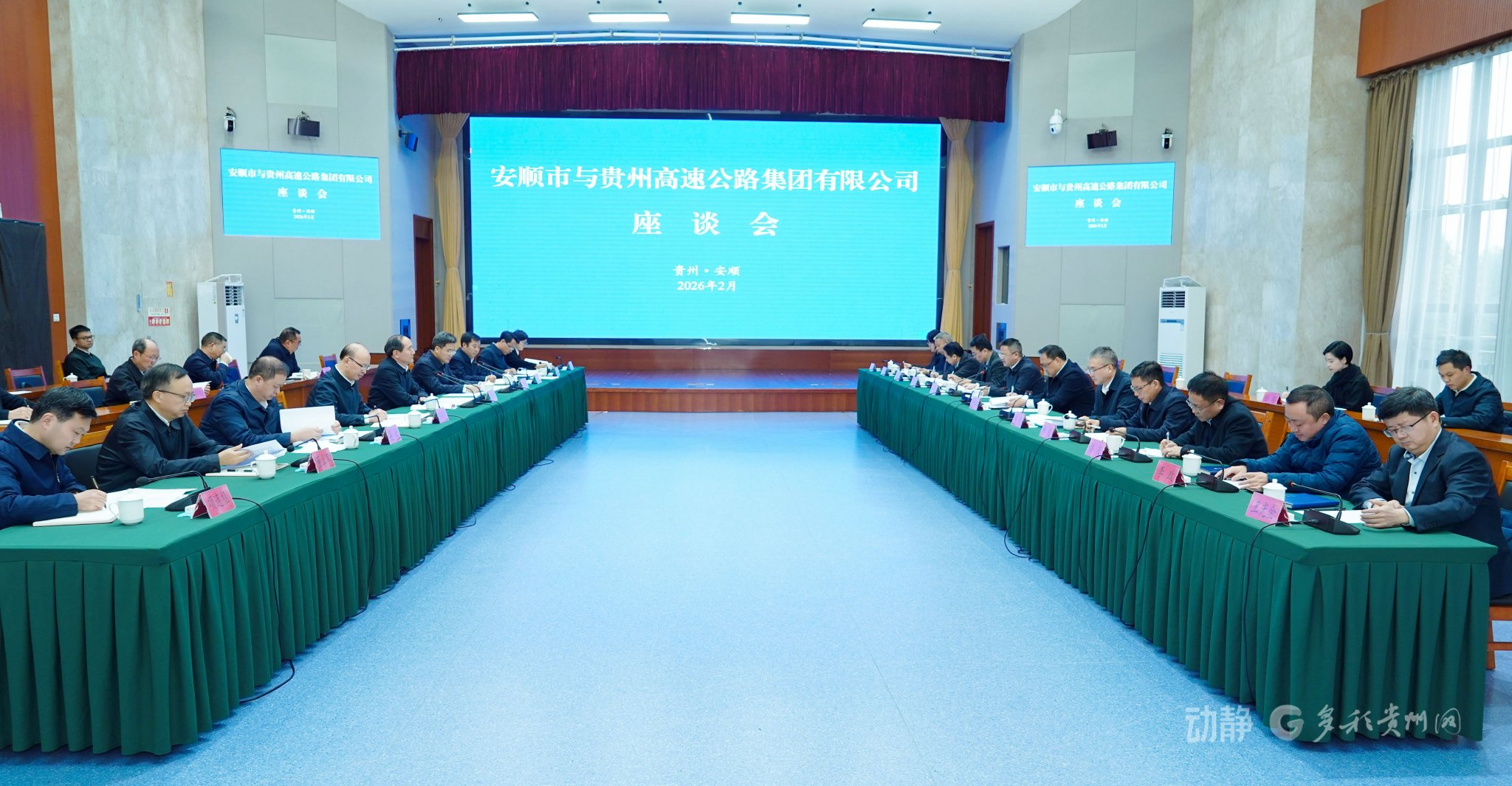
Group 1 - The core viewpoint of the article is the strategic cooperation agreement signed between Guizhou Expressway Group and Anshun Municipal Government, focusing on collaboration in 18 areas including road network planning, bridge and travel integration, low-altitude economy development, and smart transportation [1][3] Group 2 - The agreement aims to create "zero-carbon expressways" and "zero-carbon service areas" as demonstration projects, promoting the development of charging infrastructure, LNG clean energy refueling stations, and hydrogen energy industries in Anshun [3] - The collaboration will explore the integration of expressways with low-altitude economy, focusing on developing new scenarios and business models for low-altitude applications along expressways [3] - A modern smart warehousing and logistics park will be established in Anshun, specializing in cold chain logistics and e-commerce logistics, utilizing idle land along expressways for storage and distribution services for local agricultural and industrial products [3]

天眼查报告:我国AI相关企业近230万家,去年新增超55万家,同比增长32.6%
Xin Lang Cai Jing· 2026-02-11 05:02
Group 1 - As of 2025, the total number of small and micro enterprises in China with registered capital of less than 5 million yuan has exceeded 130 million, accounting for 66% of all operating entities, with an annual increase of 7.68 million enterprises, averaging over 20,000 new enterprises daily [1][3] - The artificial intelligence sector is showing robust innovation capabilities, with nearly 2.3 million AI-related enterprises by 2025, including over 550,000 newly established enterprises in 2025, representing a 32.6% increase compared to the same period in 2024, covering over 20 fields such as smart manufacturing, smart transportation, and smart healthcare [1][3] - The low-altitude economy is emerging as a new industrial blue ocean, with a 135.6% increase in registered low-altitude economy enterprises in 2025, reaching a total of 157,000 enterprises, and financing for smart unmanned aerial vehicle manufacturing companies exceeding 17.4 billion yuan, a 45.9% increase from 2024 [1][3] Group 2 - The new energy vehicle industry has achieved a "qualitative leap," with the number of related enterprises reaching 1.079 million by 2025, and an increase of 381,000 enterprises in 2025, representing a year-on-year growth of 5.5% [2][4] - In the modern service industry, there are over 2.599 million existing tourism-related enterprises nationwide, with the cultural and tourism industry becoming a new growth engine for regional economic growth. In 2025, only in the four sectors of cultural and entertainment, leasing and business services, accommodation, and catering, Heilongjiang added 361,000 enterprises, accounting for 25% of all new enterprises in the province, meaning that for every four new enterprises, one is related to the cultural tourism industry [2][4]
低空经济2025年注册量激增135%
Zhong Guo Neng Yuan Wang· 2026-02-11 02:16
Core Insights - The core viewpoint of the article highlights a significant growth in the low-altitude economy sector in China, with a projected 135.6% year-on-year increase in the number of registered related enterprises by 2025, reaching a total of 157,000 companies [1] Industry Overview - By 2025, the number of existing low-altitude economy-related enterprises in Sichuan province is expected to exceed 7,000, including upstream and downstream supporting companies [1] - Major cities like Chengdu have established themselves as key research, manufacturing, and application demonstration zones for the low-altitude economy, leveraging their strong industrial foundation in aerospace and electronic information [1] Company Dynamics - More than 30% of the low-altitude economy-related enterprises were established within the last year, indicating a rapid influx of new companies into the sector [1]
五部门发文提出加强信息通信建设,支撑低空基础设施发展
Huan Qiu Wang· 2026-02-11 00:59
Group 1 - The Chinese government, along with ten agencies including the China Meteorological Administration, has issued a policy document outlining a timeline for the introduction of new standards in the emerging low-altitude economy by 2027 [1][3] - By 2027, the coverage rate of ground mobile communication networks for low-altitude public air routes is expected to reach no less than 90%, with typical low-altitude application scenarios developed for urban governance, logistics, and cultural tourism [1] - The Greater Bay Area, including cities like Guangzhou, Shenzhen, and Hong Kong, is identified as a key testing ground for the low-altitude economy [3] Group 2 - In April 2025, the Shenzhen Meteorological Bureau will establish a center to provide specific weather forecasts for operators of drones and other aircraft [3] - The State Administration for Market Regulation has noted that meteorological services for low-altitude flights have not kept pace with the development of the drone industry, leading to inconsistent and potentially inaccurate weather services, which severely restricts the industry's potential [3] - Urban environments may create unstable weather conditions that affect drone flights, such as the canyon effect caused by dense streets and high-rise buildings, sudden changes in wind direction and speed, and extreme temperatures due to urban heat island effects [3]
从课堂到航线,低空人才培养打开新空间
Xin Lang Cai Jing· 2026-02-10 23:14
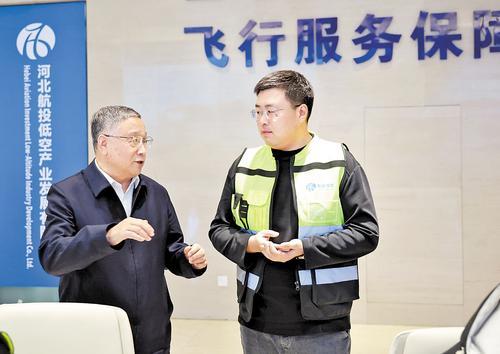
(来源:河北日报) 转自:河北日报 "飞手"教育怎能适应低空经济?两位企业家的心声触动张运凯委员 从课堂到航线,低空人才培养打开新空间 "这些低空航线主要服务哪些应用场景?对技能人才的需求有什么变化?"2月9日,在河北航投低空产业 发展有限公司指挥调度大厅,全国政协委员、河北交通职业技术学院教授张运凯紧盯屏幕上的航线数据 仔细询问。 对低空人才培养的关注来自去年一次调研。2025年8月,就在这个大厅,河北航投低空产业发展有限公 司负责人在展示完先进的无人机集群控制系统后,道出了心中的烦恼:"能让这套系统高效、安全运行 的技术人才太稀缺了,新招的毕业生几乎没有能直接上手的。" 一家主营无人机巡检业务的企业负责人说得更直接:"我们需要的是能独立制定飞行方案、处理突发故 障的技术能手,而不是只会操作无人机的'飞手'。" "低空经济已经振翅起飞,而我们的课程还停留在原理讲解、模拟飞行阶段。"这次调研让张运凯委员强 烈意识到,人才培养必须从面向行业转向融入产业,只有把企业的真需求转化为教学的真任务,把生产 的真环境打造成学习的真场景,才能让学生在校期间就经历完整的实战淬炼,做到上岗即上手。 于是,在张运凯委员的积极推动 ...
深入实施放宽市场准入特别措施,深圳加快构建更高水平开放型经济新体制
Sou Hu Cai Jing· 2026-02-10 22:05
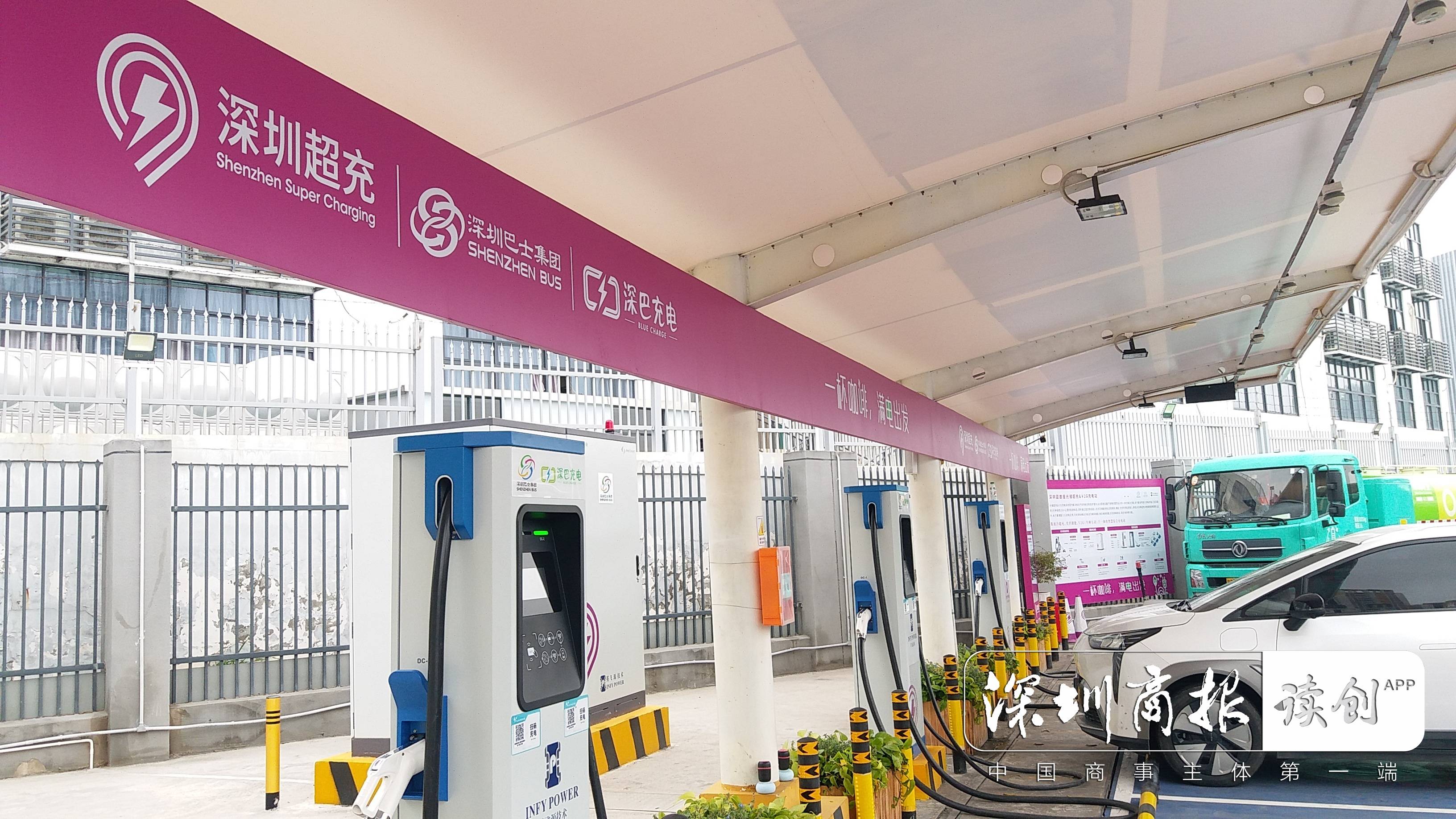
Group 1 - Shenzhen is focusing on relaxing market access and exploring a more flexible and scientific policy system to accelerate the construction of a socialist demonstration zone with Chinese characteristics [1] - The city aims to stimulate the vitality and creativity of various market entities by breaking down entry barriers and optimizing the market access environment [1] - Economic reforms in Shenzhen are designed to liberate and develop productive forces, continuously enhancing the internal motivation of various business entities [2] Group 2 - Shenzhen is building a robust international trading platform for electronic components and integrated circuits, establishing a data exchange center and an advanced technology application promotion center [2] - The city has introduced "Pengnong Loan" to support agricultural enterprises, providing a cumulative financial support of 42.7 billion yuan to enhance the agricultural supply chain [2] - Shenzhen has developed a low-altitude economy action plan, establishing 1,284 low-altitude takeoff and landing points to support logistics, manned flight, and emergency rescue operations [2] Group 3 - Shenzhen has been a pioneer in the pilot demonstration of infrastructure Real Estate Investment Trusts (REITs), leading the nation in the number and scale of issued products [3] - The city has achieved significant breakthroughs in the REITs sector, including the first pilot projects in clean energy and affordable rental housing [3] - Shenzhen's REITs projects have been recognized as typical cases for promoting effective investment through asset revitalization [3] Group 4 - Shenzhen has initiated the "Super Charging City 2.0" project, establishing over 1,098 supercharging stations and 536,000 charging facilities to create a comprehensive charging service network [6] - The city has been selected as a pilot city for large-scale vehicle-network interaction applications, contributing to the development of a virtual power plant with the highest adjustable capacity ratio in the country [6] Group 5 - Shenzhen has released the "Qianhai Green Building Assessment Standard," integrating national and Hong Kong standards to promote green building certification in the Greater Bay Area [7] - The standard aims to enhance the efficiency of green building practices across the entire lifecycle of new and existing buildings [7] Group 6 - Shenzhen is enhancing its open economic system by facilitating the "Hong Kong-Macao Drug and Medical Device Access" pilot program, with 17 medical institutions now covered [8] - The city has implemented high-level cross-border trade facilitation measures, including the inclusion of 166 quality enterprises in the pilot program and processing over 27 billion USD in facilitation payments [8] - Shenzhen has established the first and only international industry and standards organization cluster in the He Tao area, promoting the first international hospital accreditation standard in China [8]
蕾奥规划(300989.SZ):与深圳博领鹏城之翼通用航空有限公司签署了战略合作协议
Ge Long Hui· 2026-02-10 15:42
Core Viewpoint - The company is actively developing its low-altitude economy business and has made significant progress in this area [1] Group 1: Project Developments - The company has successfully won bids for several projects, including the Shenzhen Port Low-altitude Application Scenario and Take-off and Landing Point Planning Study, and the Daya Bay Low-altitude Economic Industrial Base Project [1] - The company is involved in the planning research for the Apollo Area Low-altitude Economic Industrial Park in Longgang District, Shenzhen [1] Group 2: Industry Collaboration - The company has become a member of the Guangdong-Hong Kong-Macao Greater Bay Area Low-altitude Economic Industry Alliance and the Low-altitude Economic Industry-Academia-Research Collaborative Innovation Community [1] - The company has established cooperation intentions with relevant enterprises for its newly developed scenario-based business in the low-altitude economy [1] Group 3: Strategic Partnerships - The company has signed a strategic cooperation agreement with Shenzhen Boling Pengcheng Wings General Aviation Co., Ltd. [1] - A joint venture, Anhui Tianji Aotu Intelligent Technology Development Co., Ltd., has been established with partners to explore the low-altitude economic operation service chain [1]
【公告全知道】光模块+商业航天+卫星互联网+算力+存储芯片!公司图像AI智能芯片可应用于商业航天
财联社· 2026-02-10 14:47
Group 1 - The article highlights the importance of weekly announcements from Sunday to Thursday at 22:00, which include significant stock market updates such as suspensions, increases or decreases in holdings, investment wins, acquisitions, earnings reports, unlocks, and high transfers [1] - It emphasizes the identification of investment hotspots and the prevention of potential black swan events, providing investors ample time to analyze and find suitable listed companies [1] - The article mentions specific companies involved in various sectors: one company focuses on AI smart chips applicable in commercial aerospace, while another is engaging with clients on new photovoltaic heterojunction battery applications [1][1] Group 2 - A company is planning to implement a new project for producing 30 million PCB drilling needles per year, indicating growth in the PCB sector [1] - The article discusses the intersection of multiple industries, including low-altitude economy, commercial aerospace, photovoltaic, domestic chips, and robotics, showcasing the diverse applications and collaborations within these sectors [1] - The mention of DeepSeek and controllable nuclear fusion indicates a focus on advanced technologies and their potential integration into existing business models [1]

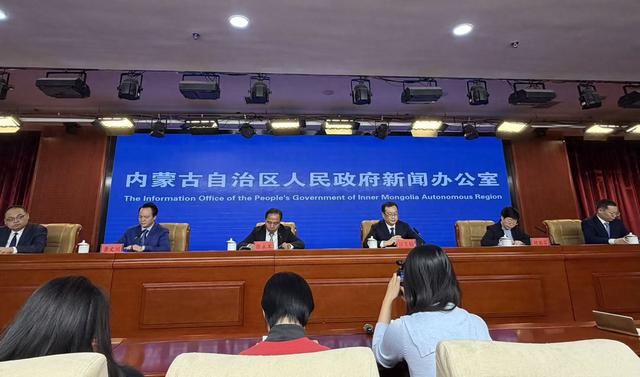
内蒙古将实施科技创新攻坚攀峰计划
Xin Lang Cai Jing· 2026-02-10 13:52
Group 1 - The Inner Mongolia Autonomous Region government is implementing a "1571" work deployment to promote high-quality development [1] - In 2026, Inner Mongolia will launch a technology innovation plan aimed at addressing key common technical issues in various industries [3] - The plan includes major projects in rare earth materials, seed engineering, and focuses on upgrading and strengthening advantageous industries [3] Group 2 - There will be an emphasis on cultivating emerging and future industries, particularly in low-altitude economy, "AI+", and biomanufacturing [3] - Increased support for basic research will be provided, with a focus on application-oriented approaches to solidify the foundation of technological innovation [3] - Research will also address public concerns, including ecological protection and pollen allergy prevention [3]
我国低空经济发展形势展望报告
Sou Hu Cai Jing· 2026-02-10 13:28
Core Insights - In 2025, China's low-altitude economy is transitioning from conceptual blueprints to systematic implementation, showing growth in scale, technological breakthroughs, application deepening, and ecological construction [1] - The low-altitude economy is expected to continue steady growth in 2026, although challenges remain in scene implementation, ecosystem construction, and safety management [2] Industry Growth and Market Dynamics - China's low-altitude economy is projected to achieve a market size of 127.79 billion yuan in 2025, with a year-on-year growth of 15% [2] - The industrial-grade drone market is expected to dominate, reaching 77.57 billion yuan, accounting for over 60% of the market [2] - The eVTOL market is entering the early stages of commercialization, with total annual orders exceeding 30 billion yuan as of November 2025 [2] Technological Advancements - Key technological breakthroughs are anticipated in low-altitude technology and equipment, transitioning from pilot verification to commercialization [7] - The construction of a low-altitude intelligent network is underway, integrating new information technologies like 5G-A and satellite systems [7] Infrastructure Development - Low-altitude infrastructure construction is entering a phase of systematic layout acceleration, with a focus on creating a unified framework for development [8] - By the end of 2026, cities like Chongqing, Shenzhen, and Wuhan are expected to lead in establishing low-altitude infrastructure, including numerous takeoff and landing points [8] Regional Development Patterns - Pilot cities are developing differentiated strategies based on their regional characteristics, forming a multi-layered regional development system [10] - Shanghai is focusing on eVTOL cluster development, while Shenzhen is enhancing its full industrial chain advantage in drones [11] Challenges and Recommendations - New application scenarios are facing difficulties in implementation, which may hinder industry growth [12] - The low-altitude industry ecosystem requires improvement in talent, capital, and service support [13] - A balanced approach to safety and development is essential, necessitating a shift from traditional regulatory models to more dynamic safety management systems [15] Strategic Recommendations - Establish a low-altitude technology innovation and support system, focusing on core technology breakthroughs and collaborative efforts among enterprises, universities, and research institutions [16] - Promote the coordinated development of the low-altitude industry ecosystem, including talent cultivation and financial support mechanisms [17] - Create a prudent and inclusive industry governance system that ensures safety while allowing for innovation and market vitality [18]