
城市建设

Search documents
看!河南如何为城市发展探出新路
He Nan Ri Bao· 2025-10-17 23:16
Core Insights - The article discusses the transformation of urbanization in China over the past 40 years, highlighting the shift from rural to urban living and the implications for economic development and social change in regions like Henan [1][3]. Urban Development and Economic Growth - Approximately two-thirds of China's population now resides in urban areas, reflecting significant changes in living conditions and economic dynamics [1]. - Since the start of the 14th Five-Year Plan, Henan has added 2.87 million urban residents, bringing the total number of cities in the province to 38, with Zhengzhou emerging as a major urban center [3][5]. - The economic output of the Zhengzhou metropolitan area is projected to reach 2.53 trillion yuan in 2024, accounting for 39.7% of the province's total economic output [3]. Challenges and Strategic Shifts - Rapid urban growth has led to challenges such as environmental pollution, traffic congestion, and diverse public demands, necessitating a shift in urban development focus from quantity to quality [4]. - The Central Urban Work Conference has emphasized a strategic pivot in urban development, urging local governments to adapt their approaches to align with evolving circumstances [4]. Development Framework and Regional Strategy - Henan aims to establish a differentiated urban development strategy, avoiding a "one-size-fits-all" approach by leveraging its unique geographical and resource characteristics [5]. - The proposed development framework includes a primary city (Zhengzhou), two secondary cities (Luoyang and Nanyang), and a coordinated urban system that supports both large and small cities [5][6]. Innovation and Infrastructure - Nanyang is enhancing its economic landscape by fostering innovation among various business entities and improving its logistics network, which has seen a significant increase in A-level logistics companies [6]. - The region's GDP reached 238.98 billion yuan in the first half of the year, reflecting a year-on-year growth of 6.3% [6]. Sustainable Urban Development - The article emphasizes the need for urban development to be more sustainable and people-centered, focusing on improving public services, infrastructure, and community engagement [8]. - Initiatives include promoting smart living environments, enhancing urban safety, and creating world-class tourist destinations in cities like Zhengzhou, Kaifeng, Luoyang, and Anyang [8].


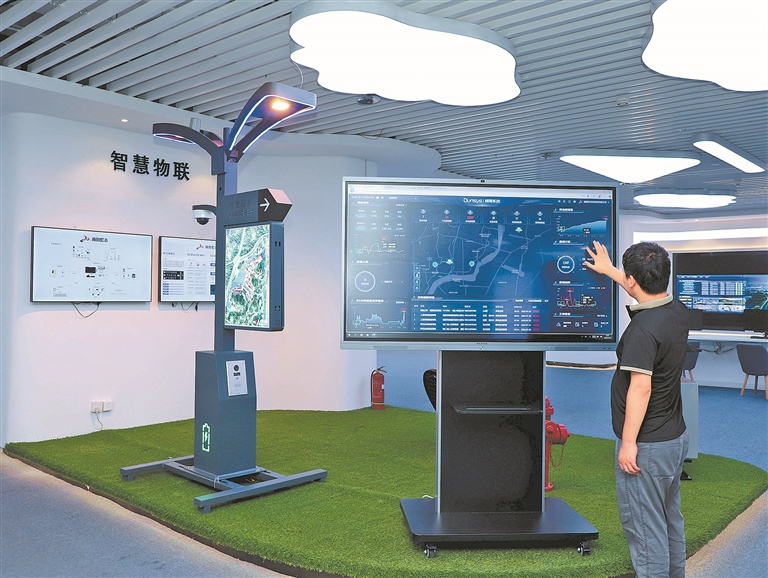
推进新型城市基础设施建设,九部门部署
Zhong Guo Zheng Quan Bao· 2025-10-16 04:23
Core Viewpoint - The Ministry of Housing and Urban-Rural Development, along with nine other departments, has issued an action plan to implement the opinions on promoting new urban infrastructure construction and building resilient cities, aiming for significant progress by the end of 2027 [1] Group 1: Smart Infrastructure Development - The action plan emphasizes the construction of intelligent sensing systems for road infrastructure and urban cloud platforms, focusing on the integration of smart city infrastructure with intelligent connected vehicles [2] - It aims to enhance logistics distribution and emergency material support capabilities by improving smart logistics facilities and emergency logistics systems [2] - The plan promotes the intelligent transformation of urban parking facilities, encouraging the development of smart parking management platforms to improve resource utilization [2] Group 2: Community and Service Facilities - The action plan supports the smart construction of residential areas, advocating for the digital, networked, and intelligent transformation of public facilities [3] - It highlights the need for embedded service facilities in urban communities, focusing on services for the elderly and children, and enhancing community service accessibility [3] - The plan encourages the smart transformation of urban commercial areas, promoting diverse and integrated business development within residential neighborhoods [3] Group 3: Smart Construction Technologies - The action plan aims to cultivate smart construction industry clusters and encourages cities to establish smart construction industrial bases [4] - It promotes the application of Building Information Modeling (BIM) technology across major infrastructure projects, enhancing collaboration in design, construction, and maintenance [4] - The plan seeks to establish an internet platform for the construction industry to optimize resource allocation and reduce costs [4]
城区面貌焕新提质 北京西城以城市更新提升综合承载力
Zhong Guo Xin Wen Wang· 2025-10-14 06:49
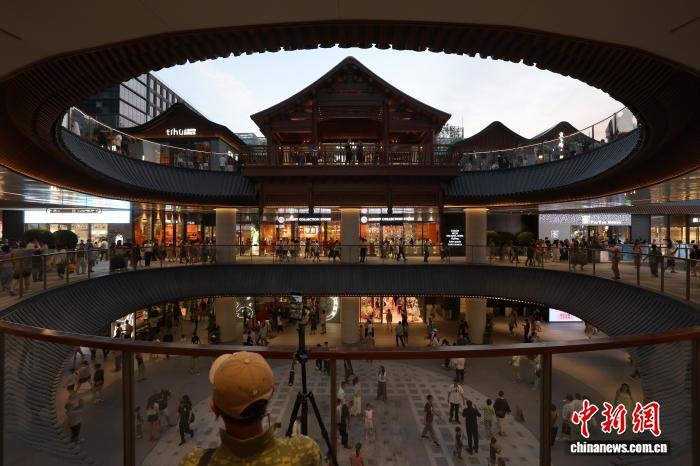
Core Points - Beijing's Xicheng District is undergoing systematic and large-scale urban renewal to enhance its overall carrying capacity [1][2] - The district has completed significant infrastructure improvements, including the renovation of 84 roads and the removal of 153 kilometers of guardrails [2] - Xicheng has transformed 148 old residential communities, covering an area of 2.68 million square meters, and has implemented various renewal models [2][3] Urban Environment Enhancement - The district features 238 boutique streets, 878 beautiful streets, and 150 tree-lined slow-moving roads, contributing to a refined urban environment [3] - PM2.5 average concentration has improved by 33.8% compared to the end of the 13th Five-Year Plan, with water quality compliance rates at 100% [3] Economic Development - Xicheng is upgrading traditional commercial areas like Xidan and Dashilar while fostering new business districts such as Financial Street [6] - The district has introduced 328 "first stores" and established 53 "ten-minute convenient living circles" covering 263 communities [6] Cultural Heritage Promotion - The district has completed 21 tasks related to the application for World Heritage status for the central axis and has released 20 projects for the revitalization of cultural relics [7] - Cultural events such as the "Haitang Poetry Festival" have attracted international participation, showcasing the district's rich cultural heritage [7]
住房城乡建设部部长倪虹:着力稳增长、惠民生、防风险、促转型
Xin Hua Cai Jing· 2025-10-11 05:23
Core Insights - The Ministry of Housing and Urban-Rural Development emphasizes the significant achievements in housing and urban development during the 14th Five-Year Plan period, focusing on improving living conditions, urban environment, construction industry transformation, and deepening reforms [1][2][5]. Group 1: Housing Conditions Improvement - The government has focused on ensuring housing security, adapting real estate policies to market changes, and increasing the supply of affordable housing, resulting in approximately 50 billion square meters of new residential sales and over 11 million units of various types of housing constructed [2]. Group 2: Urban Living Environment Enhancement - Significant improvements in urban living conditions have been achieved, including the renovation of over 240,000 old urban communities benefiting more than 110 million people, installation of 129,000 elevators, and the creation of 18,000 pocket parks and 2,500 kilometers of urban greenways [3]. Group 3: Construction Industry Transformation - The construction industry has accelerated its transformation towards smart, green, and aesthetic building practices, with a total output value reaching 32.7 trillion yuan and an added value of 9 trillion yuan in 2024, showcasing major projects that have gained international recognition [4]. Group 4: Deepening Reforms in Housing and Urban Development - The government has deepened reforms in housing and real estate, establishing a new mechanism for the interaction of key factors such as people, housing, land, and finance, while also enhancing urban governance and promoting the integration of advanced technologies in the construction sector [5].
三季度城市建设亮点纷呈 南京城建新建项目开工率已达95.2%
Nan Jing Ri Bao· 2025-10-11 02:35
Core Insights - Nanjing's urban construction has made significant progress in the third quarter, with 118 new projects initiated and a completion rate of 95.2% for the annual construction plan [1][3] Group 1: Transportation Infrastructure - The Xinshekou Yangtze River Bridge, a key transportation hub, is nearing completion, with the southern approach road officially opened, significantly easing traffic pressure in the surrounding areas [1][2] - The bridge spans 13.17 kilometers and features a main span of 1,760 meters, making it the largest single-span suspension bridge in China and the third largest in the world [2] - The completion of the bridge will reduce travel time between Qixia District and Jiangbei New District from 1 hour to 10 minutes, enhancing the regional road network and supporting the "embracing the Yangtze" development strategy [2] Group 2: Railway and Metro Developments - Construction at Nanjing North Station is progressing rapidly, with the station expected to facilitate seamless transfers among high-speed, intercity, regular trains, and subways, enhancing connectivity within the Yangtze River Delta [2] - The Nanjing Metro Line 5 has achieved full operational status, spanning 37.4 kilometers and featuring 30 stations, significantly improving public transport accessibility [2][3] - The third phase of Metro Line 3 has passed inspection and entered trial operation, while the second phase of Metro Line 10 has also begun trial runs, further expanding the metro network [3] Group 3: Urban Renewal Projects - Urban renewal initiatives are crucial for Nanjing's transformation, with projects like the revitalization of Zhenxiang and Li Cultural Street attracting significant public interest [3] - The "Nanhukeyiji" project, which recently opened, has successfully blended traditional and modern elements, enhancing the cultural and economic vitality of the old city [4] - The city aims to maintain focus on key construction projects to ensure high-quality outcomes as it approaches the end of the "14th Five-Year Plan" [4]
携手共建更具韧性的坦桑尼亚
Shi Jie Yin Hang· 2025-10-10 14:41
Group 1: Resilience Initiatives - Tanzania has integrated resilience as a core pillar of its growth strategy over the past decade, supported by the government, local communities, and international partners like the World Bank and GFDRR[4] - GFDRR has facilitated a shift from fragmented interventions to a coherent resilience agenda, focusing on ecosystem restoration, risk reduction, and urban livability[5] - The resilience investments mobilized by GFDRR include $1.7 billion, with $27 million in grants playing a crucial role in this mobilization[16] Group 2: Urban Development and Risk Management - Flooding has increased tenfold since the 1970s, with seasonal floods affecting approximately 70,000 people annually in Dar es Salaam, resulting in average losses of $80 million[15] - The Msimbazi Basin Development Project, a $260 million initiative, aims to enhance flood risk management while restoring biodiversity and creating public green spaces[40] - The Dodoma Integrated and Sustainable Transport Project (DIST), funded by a $200 million IDA credit, is expected to benefit over 430,000 people and create more than 10,000 jobs[59] Group 3: Capacity Building and Community Engagement - The Resilience Academy has trained 1,400 Tanzanian youth in risk data collection and analysis, enhancing local capacity for disaster risk management[23] - Community engagement has been central to project design, with over 150 representatives from various institutions participating in flood risk mapping and prioritization workshops[41] - The establishment of the Emergency Operations and Communication Center (EOCC) in Dodoma marks a significant step in enhancing disaster preparedness and response capabilities[69]
青岛两大国企合并
Sou Hu Cai Jing· 2025-10-08 15:55
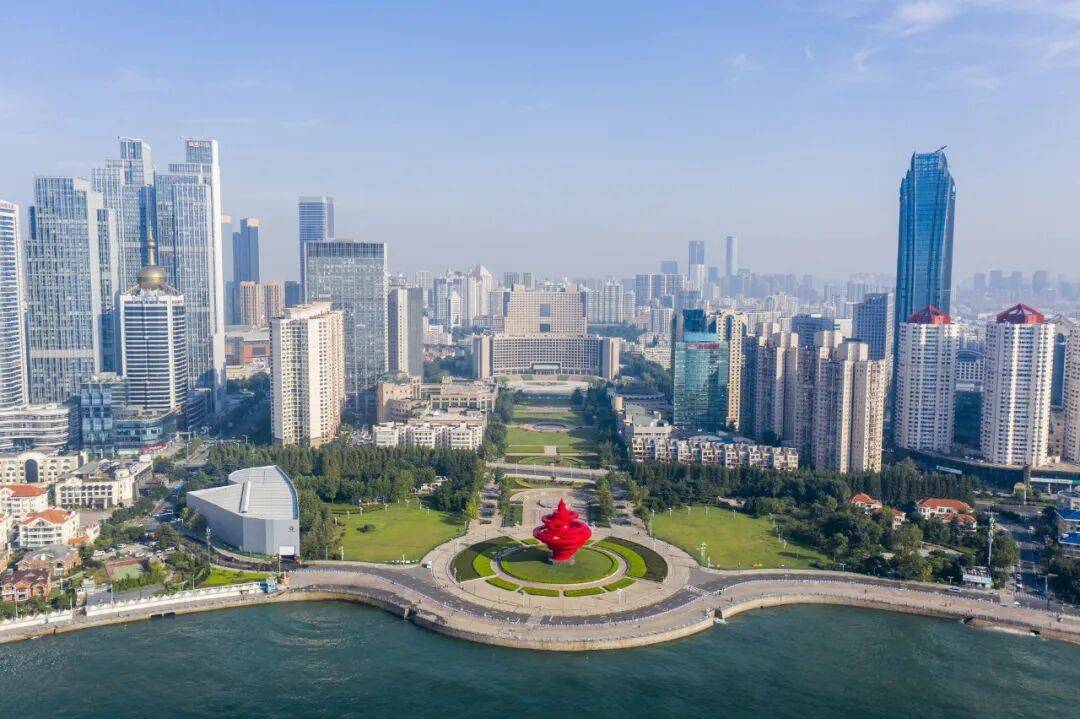
Core Viewpoint - The merger of Qingdao Urban Development Group and Qingdao Municipal Space Development Group aims to enhance resource allocation efficiency and address homogenized competition in the state-owned enterprise sector [5][10]. Group 1: Merger Details - Qingdao Urban Development Group, established in August 2001, operates in various sectors including urban housing, municipal infrastructure, and property management [2]. - Qingdao Municipal Space Development Group, founded in June 2002, focuses on municipal engineering construction and steel trading [3]. - The newly formed entity, Qingdao Municipal Development Group, will be under the Qingdao State-owned Assets Supervision and Administration Commission [2]. Group 2: Strategic Context - The merger is part of a broader strategy to address overlapping business areas and improve operational efficiency amid financial pressures faced by both companies [5]. - The Qingdao municipal government's regulations encourage state-owned enterprises to focus on a single core business to avoid disordered competition [7]. - The 2025 Shandong provincial government work report emphasizes deepening state-owned enterprise reforms, making this merger a significant step in that direction [7]. Group 3: Future Outlook - The new group aims to integrate resources in urban construction, operations, and capital management, creating a synergistic effect that exceeds the sum of its parts [10]. - The merger is expected to facilitate the development of a new type of smart city construction and operation group, expanding beyond traditional engineering roles [10]. - Recent trends in Qingdao's state-owned enterprise restructuring indicate a focus on industry classification and resource consolidation, aiming for larger and more efficient entities [12].
山东2大国企合并!
Sou Hu Cai Jing· 2025-10-08 12:33
近日,上海市市场监管局网站公布《青岛城市发展集团有限公司与青岛市政空间开发集团有限责任公司合并案》,将这一广受关注的国企重组合并案,再 度带入大众视野。 青岛城市发展集团有限公司(简称"青岛城发")与青岛市政空间开发集团有限责任公司(简称"青岛市政")拟进行新设合并, 设立青岛市政开发建设集 团有限公司(简称"青岛市政开发集团")。交易后,新成立的青岛市政开发集团将为青岛市国资委下属企业。 公开资料显示,青岛城发于2001年8月30日在青岛成立,作为青岛市国资委下属企业,其业务范围涵盖城市住房、市政基础设施、房产资源管理与运营、 工程施工、物业管理以及钢材贸易等多个领域。青岛市政则于2002年6月13日扎根青岛,作为市政府下属企业,其主要业务集中在市政公用工程施工和钢 材贸易等领域。 2024年,青岛城发实现营业收入9.3亿元,利润总额1.49亿元,公司年末资产总额166.19亿元。青岛市政官网显示,公司资产总额187亿元,净资产35亿 元,下辖全资子、分公司8家,控股公司2家。 作为青岛市城市建设领域的骨干力量,青岛城发和青岛市政这两家国企囊括的项目堪称青岛城市建设"标配"。可以说,两大国企早已是青岛城市建 ...
2025中小城市高质量发展交流会在邹平开幕
Qi Lu Wan Bao Wang· 2025-09-22 15:31
Core Insights - The 2025 Small and Medium-Sized Cities High-Quality Development Exchange Conference was held in Zouping City, focusing on exploring new paths for modernization and building a new pattern for the development of small and medium-sized cities [1][2] Group 1: Conference Overview - The conference was attended by over 400 participants, including leaders from national ministries, experts, scholars, and representatives from outstanding enterprises [1] - The conference featured the release of the "2025 China Small and Medium-Sized Cities Development Report," which has been published for 16 consecutive years and serves as a comprehensive and authoritative think tank report in the field of small and medium-sized cities [2] Group 2: Development Strategies - The report emphasizes that small and medium-sized cities should build differentiated competitive advantages based on their characteristics, with specific strategies for different types of cities [2][3] - Development-oriented cities should engage in regional industrial chain collaboration, while resource-based cities need to promote deep processing and high-value manufacturing [2] - Central cities should enhance their regional influence and strengthen the aggregation of characteristic industries, while shrinking cities should focus on resource efficiency [2] Group 3: Performance Metrics - The report established a high-quality development index system covering counties, districts, and towns, highlighting the top 100 counties, top 100 districts, and top 1,000 towns in China [3] - In 2024, the top 100 counties and districts accounted for 2.77% of the national land area, generating 20.79% of GDP and 8.05% of general public budget revenue [3] Group 4: Case Studies and Innovations - The report includes case studies from various cities and towns, showcasing successful practices in modernization and providing valuable insights for other small and medium-sized cities [3] - The conference also launched an AI data platform for small and medium-sized cities, offering comprehensive services for urban management, planning, and policy applications [4] Group 5: Recognition and Contributions - The conference revealed the list of enterprises contributing to the high-quality development of small and medium-sized cities and recognized several cities for their achievements [5] - Zouping City was ranked 44th among the top 100 counties in terms of comprehensive strength, highlighting its ongoing recognition in this category [4] Group 6: Local Development Focus - Zouping City is noted for its historical and cultural significance, as well as its prominence in the aluminum industry, which has become a key driver for local economic development [5][6] - The city aims to build a leading aluminum industry ecosystem through technological innovation and green transformation, serving as a model for high-quality county-level economic development [6]
巴彦淖尔市城市更新项目“极简办、并联办、一网办”
Zhong Guo Fa Zhan Wang· 2025-09-22 08:01
Core Viewpoint - The Baotou Municipal Housing and Urban-Rural Development Bureau has implemented a streamlined approval process for urban renewal projects, focusing on efficiency and reducing bureaucratic hurdles [1][2] Group 1: Approval Process Reform - The new implementation measures include merging the construction permit phase with the construction license phase into a single construction permit phase [1] - The planning and construction permits can now be applied for using a single form and processed concurrently [1] - The review of municipal pipeline upgrade and renovation design plans is now included in the overall planning permit approval timeline, which has been compressed [1] Group 2: Exemptions and Simplifications - The exemption list has been expanded; projects under 300 meters in length and certain urban road upgrades do not require a construction planning permit [1] - This allows companies to commence construction with "zero run" to the approval office [1] Group 3: Joint Acceptance and Online Processing - Upon project completion, urban renewal projects can initiate a joint acceptance application through an online platform if they meet the criteria [1] - A special acceptance team will conduct on-site inspections and issue a unified acceptance conclusion, eliminating the need for multiple submissions [1] Group 4: Future Steps and Training - The bureau will continue to monitor the implementation effects and address new issues and demands as they arise [2] - Specialized training for approval departments will be conducted to clarify responsibilities, material lists, and completion timelines [2] - The bureau plans to enhance policy interpretation through various channels to ensure the benefits of the reform reach enterprises and the public [2]