
传统医药

Search documents
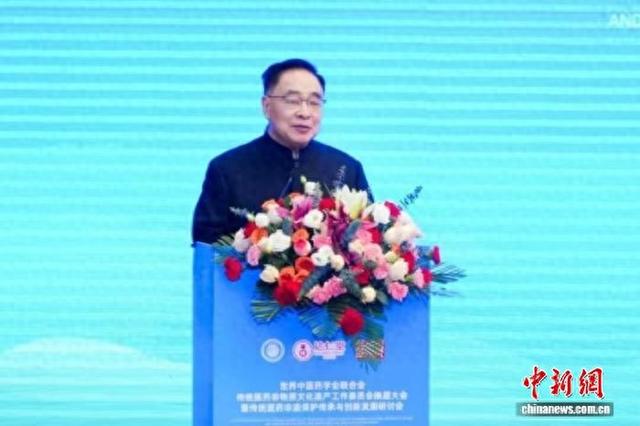
张伯礼:传统医药非遗的保护与焕新是我们的时代课题
Zhong Guo Xin Wen Wang· 2026-02-01 06:35
Core Viewpoint - The conference on the protection, inheritance, and innovative development of traditional medicine intangible cultural heritage aims to gather academic and industry wisdom to discuss contemporary inheritance mechanisms, scientific interpretation, and industrial transformation paths for traditional medicine [1][3]. Group 1: Conference Objectives and Themes - The conference emphasizes the importance of protecting and developing traditional medicine intangible cultural heritage in the current historical context, highlighting the need to safeguard these fragile cultural elements while revitalizing them [3]. - Key themes discussed include the dual focus on "rescue protection" and "systematic preservation," the integration of "inheritance" into education, and the exploration of "innovation" alongside "scientific development" [3]. Group 2: Expert Insights and Recommendations - Experts provided insights on cultural inheritance, classic studies, and literature research, suggesting pathways for the investigation, consultation, training, standard construction, productive protection, and international promotion of traditional knowledge and intangible heritage [3]. - The modernization of traditional medicine intangible heritage should go beyond mere skill demonstration or storytelling, aiming to embed it into mainstream communication, digital social life of youth, and high-frequency modern consumption scenarios [3]. Group 3: Organizational Goals and Leadership - The newly elected president of the World Federation of Chinese Medicine Societies' Traditional Medicine Intangible Cultural Heritage Working Committee aims to create a broader platform for collaboration to promote systematic protection and innovative development of traditional medicine [4]. - The new secretary-general from a well-established traditional medicine company emphasizes the commitment to work together to advance the systematic protection and creative transformation of traditional medicine intangible heritage [4].

非遗匠心融入医者仁心
Ren Min Ri Bao Hai Wai Ban· 2026-01-19 22:45
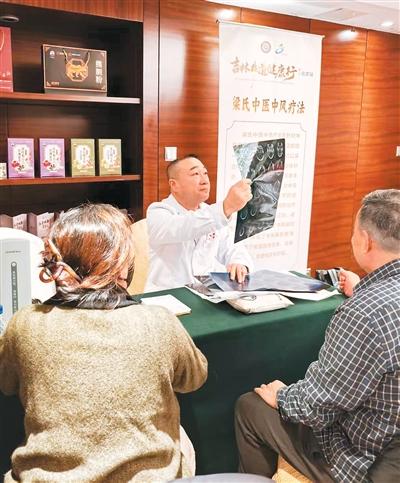
Core Viewpoint - The "Jilin Intangible Cultural Heritage Health Tour" event in Beijing showcased traditional Chinese medicine practices from Jilin province, emphasizing their unique charm and practical value in public health [2][9]. Group 1: Event Overview - The event was organized by the Jilin Provincial Department of Culture and Tourism and the Cultural Communication Committee of the China Cultural Management Association, themed "Northern Treasure, Healthy Inheritance" [2]. - Various traditional medicine intangible cultural heritage projects from Jilin were presented through live experiences, skill demonstrations, and product displays, allowing the public to engage closely with these practices [2]. Group 2: Traditional Medicine Techniques - The "Renxin Heritage" experience area featured practitioners demonstrating traditional techniques such as the Ping family extraction method, the Tang family muscle manipulation, and the Yue family stomach disease treatment, among others [3][5]. - Notably, the fifth-generation inheritor of the Dan family diagnosis method, Dan Xiaochun, shared insights on the "Three Jiao" theory and its application in treating liver diseases, highlighting the method's adaptability to seasonal changes and patient constitution [3][4]. Group 3: Innovations in Traditional Practices - The event highlighted innovations such as "liquid moxibustion," developed by Han Shiming, which offers a modern alternative to traditional moxibustion, making it more convenient and suitable for contemporary lifestyles [7]. - The use of traditional techniques is being adapted to meet modern health needs, ensuring that these practices remain relevant and accessible to the public [6]. Group 4: Cultural and Economic Impact - The event also featured traditional crafts like the Manchu qipao and oil tea production, showcasing the cultural richness of Jilin's intangible heritage [8]. - The introduction of products like ginseng-flavored pear and ginseng incense reflects the integration of traditional knowledge with modern consumer preferences, enhancing the economic viability of these heritage practices [8]. Group 5: Future Directions - An industry matchmaking event was held concurrently, aimed at building a resource integration platform for Jilin's intangible heritage projects, with plans for ongoing exhibitions and services to better serve the community [9].
ESG+20|“行动者”正安康健:守正创新 推动传统医药可持续发展
第一财经· 2026-01-08 03:32
Core Viewpoint - The article discusses the significance of ESG (Environmental, Social, and Governance) principles as they enter a new era with the 20th anniversary in 2024, highlighting the commitment of Chinese enterprises to sustainable development through a series of interviews with business leaders [1]. Group 1: ESG Commitment and Leadership - Liang Dong, Chairman of Zheng'an Health, emphasizes the importance of joining the UN Global Compact, stating that the commitment to sustainable development is essential for both the UN and enterprises [4]. - Zheng'an Health aims to modernize traditional Chinese medicine by integrating it with modern technology and science, promoting a holistic approach to health that aligns with sustainable development goals [5]. Group 2: Integration of Traditional and Modern Practices - The company advocates for the modernization of traditional Chinese medicine by combining it with various modern disciplines such as psychology, physics, chemistry, biology, computer science, and artificial intelligence [5]. - Zheng'an Health is positioned not only as a clinic but also as an educational and lifestyle institution, focusing on the integration of traditional practices with contemporary living [5]. Group 3: International Collaboration in Traditional Medicine - Liang Dong expresses hopes for international cooperation in traditional medicine, emphasizing the need for openness and mutual learning among practitioners [6]. - The importance of maintaining contact and sharing knowledge between traditional medicine practitioners and modern technology is highlighted as a pathway to innovation [6].

广西以传统医药为桥 打造国际合作高地
Xin Lang Cai Jing· 2025-12-26 14:59
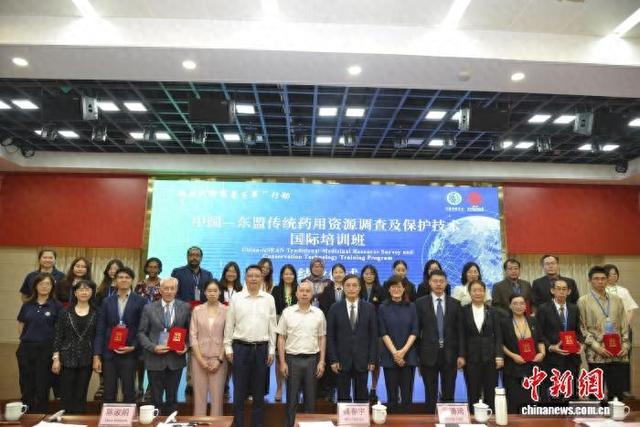
Core Viewpoint - The Guangxi Medicinal Plant Garden has been enhancing international cooperation and training in traditional medicine since 2015, leveraging its geographical advantages and rich medicinal resources to train over 600 participants from more than ten countries, including Malaysia, Thailand, and Vietnam [1][2]. Group 1: International Training and Cooperation - The center has organized 22 international training sessions focused on traditional medicine development and protection, employing a "theory + practice" model to provide hands-on experience in traditional Chinese medicine techniques [1][2]. - Participants have expressed appreciation for the unique charm of traditional Chinese medicine and gained insights into the status and development of traditional medicine in other countries [2]. Group 2: Collaborative Initiatives - The Guangxi Medicinal Plant Garden has established a multi-layered cooperation network, actively engaging in discussions with ASEAN countries on topics such as joint surveys of medicinal plant resources and cross-border talent cultivation [5]. - A joint laboratory for traditional medicine has been established with ASEAN countries, facilitating collaborative research and the compilation of a "China-ASEAN Traditional Medicine Chronicle" to support cross-border cooperation in the traditional medicine industry [5]. Group 3: Cultural Exchange and Promotion - The garden has organized various activities to promote traditional Chinese medicine culture among ASEAN students, including workshops and knowledge-sharing sessions [7]. - The ongoing initiatives aim to deepen exchanges and cooperation with ASEAN countries, enhancing the international influence of traditional medicine and contributing to the health and well-being of local populations [7]. Group 4: Future Directions - The Guangxi Medicinal Plant Garden plans to build a comprehensive cooperation system focusing on cultural exchange, talent training, academic interaction, and standard mutual recognition to further promote diversified exchanges in traditional medicine between China and ASEAN countries [7].
第二十一届国际络病学大会海外论坛越南启幕,加速中医药“出海”
Bei Ke Cai Jing· 2025-11-23 11:25
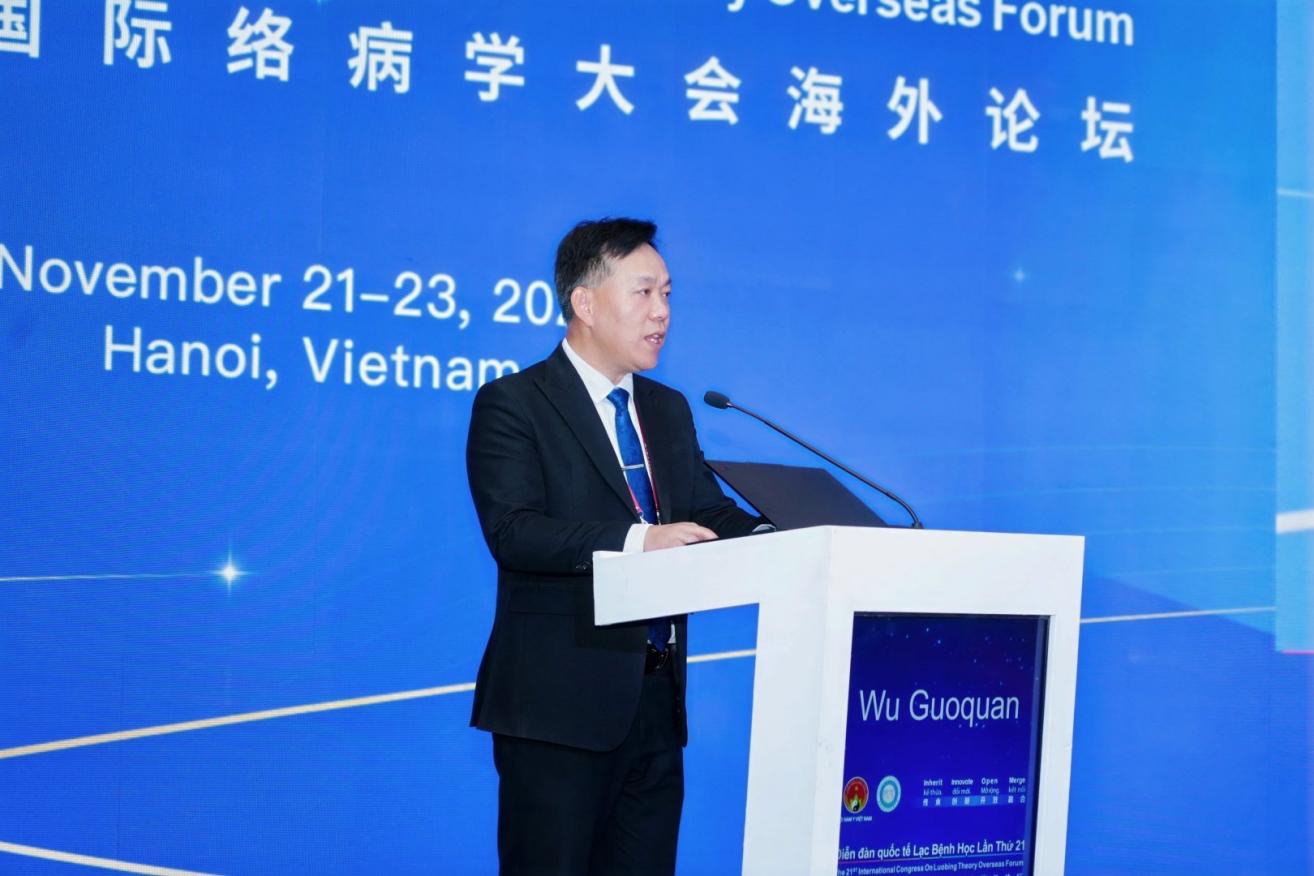
Core Insights - The 21st International Forum on Lattice Disease was held in Hanoi, Vietnam, focusing on the academic progress and significant research achievements in the prevention and treatment of diseases such as cardiovascular, endocrine, respiratory, anti-aging, and tumors through the lens of lattice disease theory [1][3][5] Group 1: Event Overview - The forum was co-hosted by the World Federation of Chinese Medicine Societies Lattice Disease Professional Committee and the Vietnam Southern Medicine Association, emphasizing "cooperation, inheritance, innovation, and integration" [1] - The event gathered administrators, industry leaders, experts, scholars, and researchers from various countries to discuss advancements in lattice disease theory [1][3] Group 2: Key Contributions and Achievements - The lattice disease theory has been recognized internationally for its value in the prevention and treatment of cardiovascular diseases and chronic diseases, showcasing traditional medicine's potential [1][3] - Significant achievements in the innovation, transformation, standardization, and internationalization of lattice disease theory have been made, including the establishment of a national key laboratory and the inclusion of lattice disease studies in high-level academic disciplines [3][5] - High-quality evidence-based research results have been published in top international journals such as JAMA, Nature Medicine, and European Heart Journal [3] Group 3: Academic Collaboration and Future Directions - The forum serves as an important platform for academic exchange and international cooperation, calling for further collaboration to advance the standardization and internationalization of traditional medicine [3][5] - The Vice President of Vietnam Traditional Medicine University highlighted the continuous improvement of the lattice disease theory system and its significant breakthroughs in chronic disease prevention and treatment [7] - A new guideline for diagnosing "Heart and Lung Qi Deficiency Syndrome" in stable chronic obstructive pulmonary disease (COPD) was released, providing theoretical support for "simultaneous treatment of heart and lung" [10][12] Group 4: Expert Contributions - Chinese Academy of Engineering Academician Wu Yiling presented an academic report on the construction and innovative transformation of the lattice disease theory, sharing breakthroughs in various medical fields [15] - Experts from multiple countries discussed significant research advancements in the use of channel-opening drugs for cardiovascular diseases, respiratory diseases, tumors, and anti-aging [15]
携手共进 向“新”而行(环球热点)
Ren Min Ri Bao Hai Wai Ban· 2025-06-17 21:51
Core Points - The fourth Shanghai Cooperation Organization (SCO) Youth Innovation and Entrepreneurship Competition was held in Qingdao, Shandong, showcasing 12 outstanding projects from 8 countries out of over 200 entries, highlighting the organization's commitment to promoting technological innovation cooperation [1][2] - The competition emphasized youth-led projects with both technological advancement and market potential, with over 35% of the projects being international collaborations [2] - The establishment of two overseas collaborative centers in Malaysia and Mongolia, along with two domestic centers in Xi'an and Yan'an, expanded the SCO's global innovation cooperation network to 10 members, covering major innovation regions of SCO countries [2][3] Group 1: Event Highlights - The competition served as a platform for participants to gain funding and connect with China's industrial resources, accelerating product commercialization [1][2] - Projects included AI-based decision support systems from Russia, a probiotic research project from China, and a nano-calcium technology from Mongolia aimed at osteoporosis prevention [1] - The event also resulted in the signing of 6 cross-border cooperation agreements, fostering collaboration among domestic and international enterprises, universities, and research institutions [2] Group 2: Technological Cooperation - The SCO has been actively promoting technological innovation cooperation, characterized by mechanisms that are institutionalized, platform-based, diverse, and sustainable [3][6] - The establishment of the China-SCO Ecological and Environmental Innovation Base in Qingdao aims to enhance ecological technology innovation and industry cooperation among SCO and Belt and Road Initiative countries [3][4] - The SCO's agricultural technology exchange training base has conducted over 120 training sessions, benefiting more than 2,400 agricultural officials and technicians from SCO countries [3] Group 3: Future Directions - The SCO plans to deepen cooperation in digital economy and artificial intelligence, with a focus on expanding the "SCO+" model [7][8] - The organization aims to facilitate original innovation in countries with strong research foundations while promoting integrated innovation and secondary innovation in countries with weaker foundations [7] - The ongoing commitment to the "Shanghai Spirit" emphasizes mutual trust, mutual benefit, equality, consultation, respect for diverse civilizations, and common development [8]