农业教育

Search documents
培育“知农、爱农、事农”新型农业人才
Xin Lang Cai Jing· 2026-01-27 18:56
Core Viewpoint - The article emphasizes the need for agricultural universities in China to cultivate new types of agricultural talents who are knowledgeable, passionate, and engaged in agriculture, aligning with the country's modernization goals [1] Current Situation - There is a significant mismatch between the knowledge system of agricultural universities and the actual industry demands, with modern agriculture requiring diverse skills in areas such as biotechnology and smart agriculture, while many curricula remain outdated [2] - The cultivation of values and emotional recognition among students is weak, leading to low employment stability in agricultural fields for graduates [2] - Practical skills and entrepreneurial capabilities are insufficiently supported due to a lack of resources and real-world training opportunities in agricultural education [2] Pathways - A talent cultivation system should be established based on industry needs, focusing on integrating ideological education with practical training and professional development [3] - A dynamic curriculum that adapts to industry demands should be developed, involving regular collaboration with agricultural departments and leading enterprises to ensure course content aligns with current agricultural practices [3][4] - Innovative ideological education methods should be implemented, such as the "dual-teacher" model and extending learning to real agricultural settings, enhancing the connection between theory and practice [4] - Strengthening practical and entrepreneurial training by creating regional agricultural practice bases and providing comprehensive support for student entrepreneurship, including financial assistance and technical guidance [4][5] - Improving the collaborative education support system by enhancing faculty training, optimizing evaluation metrics, and fostering a supportive social environment for agricultural professionals [5]
青海首所“全国共享农民田间学校”落成
Xin Lang Cai Jing· 2026-01-13 13:36
Core Viewpoint - The establishment of the first "National Shared Farmers' Field School" in Qinghai Province aims to cultivate skilled and business-savvy new farmers, thereby injecting talent into the local "unified planting and common prosperity" industry, significantly promoting the development of cold-resistant vegetable workshops and industrial bases [1] Group 1: School Establishment and Objectives - The school is located in Ganshuwan Village, Datong County, Xining City, and utilizes vast farmland as its classroom, focusing on practical production as its teaching material [1] - The initiative is part of a broader strategy to achieve common prosperity, with the brand "Ganshuwan Vegetable Rhythm, Neighborly Common Prosperity" being developed [1] Group 2: Training and Collaboration - The school has conducted a total of 800 training sessions to date, collaborating with Qinghai University and other research institutions to teach and promote advanced agricultural techniques such as crop selection and breeding, pest control, and water-saving irrigation [1] - The establishment of the school has led to the growth of a robust "unified planting and common prosperity" team, with many local experts emerging to address the "last mile" issue in agricultural technology promotion [1] Group 3: Future Plans - Datong County plans to deepen the educational model of the "National Shared Farmers' Field School," aiming to create a strong platform that fosters ethnic unity and stimulates internal motivation for development [1]
东西问丨翁芳芳:中法农业合作缘何亮点频现潜力巨大?
Zhong Guo Xin Wen Wang· 2025-12-23 08:41
Core Insights - The core viewpoint of the article emphasizes the strong potential and various highlights of Sino-French agricultural cooperation, as articulated by Fengfang Weng, President of the Chinese Association of Agricultural Professionals in France [3][11]. Group 1: Agricultural Cooperation Highlights - The complementarity of Sino-French agricultural cooperation is significant, with France leading in agricultural technology within the EU and China possessing a vast agricultural product consumption market [5][6]. - A notable collaboration includes the establishment of the Sino-French International Joint Laboratory for Plant Phenotyping, aimed at rapid identification and precise analysis of crop traits using advanced technology [6]. - Agricultural education cooperation has been fruitful, exemplified by the "9+9" master's degree program, which has been ongoing for over 20 years and includes major Chinese agricultural universities [6][11]. Group 2: Potential for Future Cooperation - Agriculture, as a primary industry, encompasses a wide range of sectors, including digital farming and livestock, providing substantial momentum for Sino-French collaboration [8]. - There is a pressing need for cooperation in agricultural research, with both countries having diverse climatic conditions that align well for joint studies [8]. - France has historically contributed quality livestock to China, enhancing breeding programs, which reflects the long-standing agricultural ties between the two nations [8]. Group 3: Strategic Initiatives and Consumer Engagement - The joint statement from both countries indicates a commitment to exploring new models of cooperation, including cooperative exchanges to enhance agricultural and food sector collaboration [10]. - Increasing awareness of French agricultural brands among Chinese consumers is crucial for implementing the "from French farms to Chinese tables" initiative proposed by President Xi Jinping [10]. - The recognition of geographical indications for products from the Burgundy region in China is expected to boost exports, highlighting the importance of branding in agricultural trade [10].


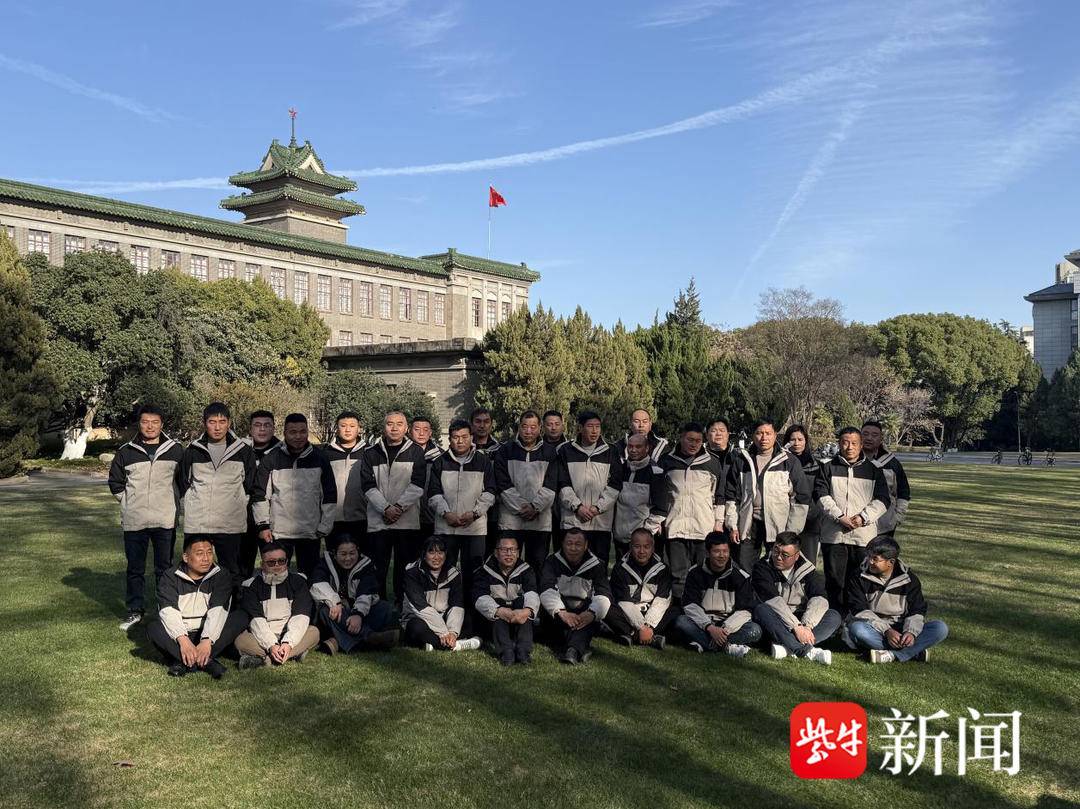
培育“新农人”,赋能“新农技”,南农“新农人”培育项目开班
Yang Zi Wan Bao Wang· 2025-12-22 12:18
Core Insights - The "New Farmers" training program initiated by Nanjing Agricultural University aligns with the agricultural technology promotion system reform and the Jiangsu Province's three-year action plan for "New Farmers" [3][4] Group 1: Program Overview - The training program aims to enhance the knowledge structure, technical skills, and innovative thinking of "New Farmers" to meet higher standards and stricter requirements in the current agricultural development context [3] - The curriculum includes advanced and practical courses such as smart planting, agricultural product e-commerce, and agricultural brand building, tailored to the actual needs of grassroots agricultural technology promotion [3][4] Group 2: Teaching Methodology - The program employs diverse and interactive teaching methods, including expert lectures, on-site teaching, and student interactions, to ensure rapid growth for each participant [3] - The goal is to effectively bridge the gap in the transformation of agricultural technology achievements, ensuring that scientific results take root and flourish [3] Group 3: Collaboration and Future Plans - Local agricultural and rural bureau officials believe the program's well-structured courses and expert involvement will significantly enhance participants' professional capabilities and foster communication and collaboration among "New Farmers" [4] - Nanjing Agricultural University plans to deepen cooperation with local governments and enterprises, expanding the breadth and depth of the industrial chain to cultivate more high-quality, specialized "New Farmers" [4]
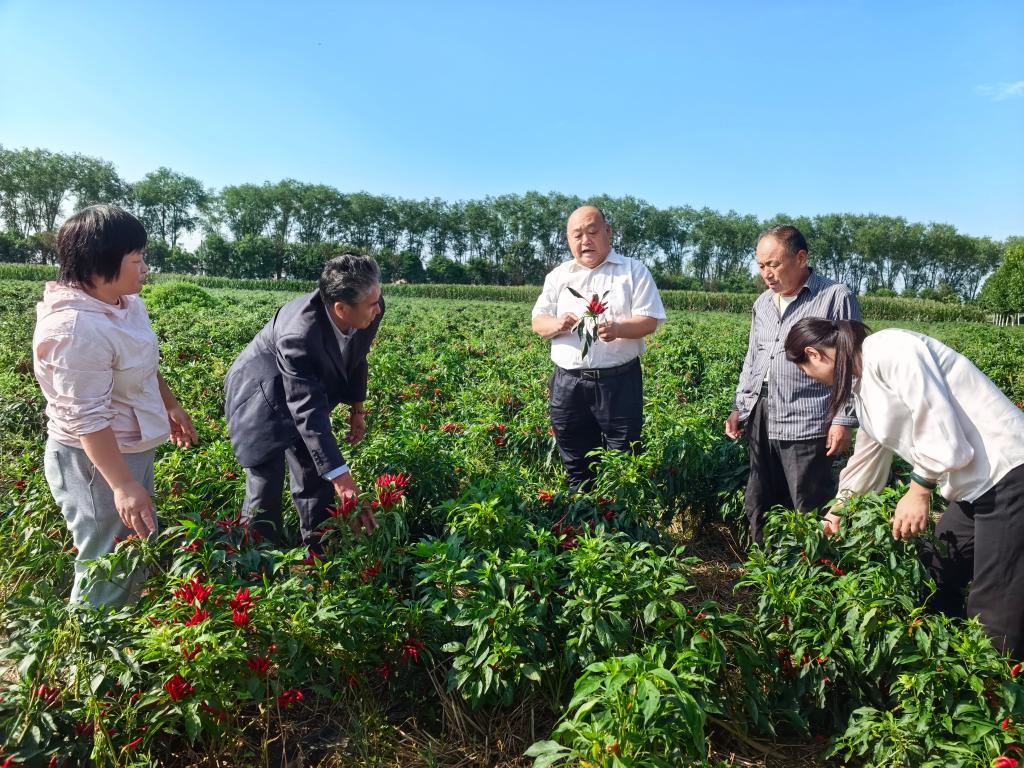
激活乡村“人才引擎”——农广校45年扎根乡土服务“三农”
Xin Hua She· 2025-12-13 20:25
Core Insights - The story of Hu Yanping exemplifies the success of the national agricultural broadcasting and television school system in improving rural livelihoods through training and education [2][3] - The Central Agricultural Broadcasting School recently celebrated its 45th anniversary, highlighting its extensive network and contributions to agricultural education [2][3] Group 1: Training and Development - The agricultural broadcasting school system has established a comprehensive training framework, with over 530 million enrollments in various agricultural vocational education programs over the past 45 years [3] - The system has trained approximately 30 million farmers through various initiatives, including practical agricultural technology training for 469 million participants [3] - Since 2021, the school has trained 1.855 million high-quality farmers as part of national and local cultivation plans [3] Group 2: New Agricultural Professions - The agricultural broadcasting schools are adapting to new agricultural trends by focusing on emerging professions such as rural anchors and homestay managers, training 11,000 farmers in these areas [6] - A pilot program for cultivating "ten thousand rural professional managers" has been initiated, establishing a three-tier talent training system across 10 provinces and 76 villages [6] Group 3: Quality Improvement in Education - The agricultural broadcasting school system prioritizes the enhancement of educational quality, implementing measures to ensure effective learning outcomes for students [7] - A shared teacher resource pool and training workshops have been established to improve the professional skills of educators [7] - The development of over 1,000 educational materials and the launch of an online learning platform with over 9.6 million registered users demonstrate the commitment to meeting farmers' educational needs [7]
第七届全国农民教育培训发展论坛举办
Zhong Guo Jing Ji Wang· 2025-10-27 04:06
Core Insights - The forum highlighted the significant achievements in farmer education and training during the "14th Five-Year Plan" period, with a total of 1.26 million grain and oil producers trained, 800,000 leaders and impoverished individuals from poverty-stricken areas cultivated, and 1.44 million new agricultural business entities developed [1][2] - The "15th Five-Year Plan" is identified as a critical period for promoting comprehensive rural revitalization and accelerating the construction of a strong agricultural nation, emphasizing the need for innovative training methods and a robust support system for talent development [1] Group 1 - The forum was attended by key officials, including Jiang Wensheng, a member of the Party Leadership Group and Vice Minister of the Ministry of Agriculture and Rural Affairs, and Li Jun, Vice Governor of Shaanxi Province [1] - A total of 110,000 high-quality farmers have been trained through the implementation of comprehensive pilot programs since 2024, aimed at linking talent cultivation with employment and entrepreneurship [1] - The forum released the "National High-Quality Farmer Development Research Report" for 2025, showcasing exemplary cases and individuals in farmer education and training [1] Group 2 - Two sub-forums were organized, focusing on themes such as "Following the Party and Advancing on a New Journey" and "Activating New Engines of Rural Talent to Empower the Development of Rural Collective Economy" [2] - Additional activities included specialized discussions on farmer education training, the establishment of a professional committee for rural managers, and live interviews related to farmer education training [2]
习近平总书记给中国农业大学全体师生的回信激励广大学子和教育、农业工作者矢志强农报国
Xin Hua She· 2025-10-16 12:36
Core Points - Xi Jinping's letter to China Agricultural University (CAU) encourages students and educators to commit to strengthening agriculture and serving the nation [1][2][3] - The letter highlights the importance of agricultural education and innovation in achieving national food security and rural prosperity [1][4] Group 1: Educational Commitment - CAU emphasizes the need to cultivate a strong sense of agricultural responsibility among students, aligning with the school motto of nurturing talent for the benefit of society [2][3] - Faculty members express their dedication to integrating research with practical applications to address food security challenges, particularly in extreme climate conditions [2][4] Group 2: Agricultural Innovation - The letter calls for enhanced agricultural technology innovation and the application of research outcomes to improve productivity and sustainability in agriculture [3][4] - Agricultural experts and students are motivated to focus on breeding high-quality crop varieties and applying scientific knowledge to real-world agricultural issues [4]
三项标志性改革破题 打造城乡融合发展“青神样本”
Zhong Guo Fa Zhan Wang· 2025-10-15 09:04
Core Insights - Qing Shen County is advancing urban-rural integration reforms, aiming to break down the urban-rural dual structure and benefit 167,000 residents [1] - The county has achieved significant milestones in agricultural financing, education access, and rural housing management, creating a replicable model for urban-rural integration [1] Agricultural Financing - Qing Shen County has issued 28 million yuan in property mortgage loans, with total credit expected to exceed 1 billion yuan [2] - The county has developed a comprehensive service system for agricultural financing, including tailored loan products and a white-black list management system for agricultural entities [2][3] - A risk compensation fund of 20 million yuan has been established to alleviate banks' concerns about lending, fostering a positive cycle of financing and income growth [3] Education Access - The county has implemented a "zero-threshold" enrollment policy, allowing rural and migrant children to attend schools without residency or housing restrictions [4] - By 2025, the enrollment rate for rural primary school students in urban areas is projected to rise from 81.2% to 97.2% [4] - Significant investments have been made in educational infrastructure, including the construction of new schools and the addition of 1,780 new educational slots [4][5] Rural Housing Management - The "three-full management" model has been introduced to enhance the quality and functionality of rural housing, leading to over 150 idle houses being revitalized [6][7] - The county has issued the first agricultural facility property rights certificate in the province, facilitating loans for agricultural operations [3][7] - The integration of financial products for rural housing has resulted in increased income for local residents, with an average annual increase of 1,500 yuan per person [7] Overall Impact - Qing Shen County's reforms are characterized by a problem-oriented approach, institutional innovation, and tangible benefits for residents, setting a sustainable path for future development [7]
万名乡村职业经理人培养计划正式实施
Xin Hua She· 2025-08-23 00:01
Core Viewpoint - The "Ten Thousand Rural Managers Training Program" has transitioned from a pilot phase to a nationwide standardized implementation, focusing on cultivating rural operational management talent to support rural collective economy growth and comprehensive rural revitalization [1] Group 1: Program Overview - The program aims to train rural managers who understand rural industry management and service, responsible for planning villagers' income increase and rural development [1] - The initiative is a collaboration between the Central Agricultural Broadcasting and Television School, China Agricultural University, and Tencent [1] Group 2: Implementation and Progress - In 2024, the program will explore innovative talent cultivation models, having previously conducted pilot work in Shandong, Hunan, Shaanxi, and Enshi Prefecture of Hubei Province [1] - As of now, the program has completed training for 200 individuals through four stages: theoretical learning, village observation, practical experience, and presentation defense [1] - A three-tier talent cultivation system has been established, including one national training center, ten sub-centers, and 76 practice villages [1]

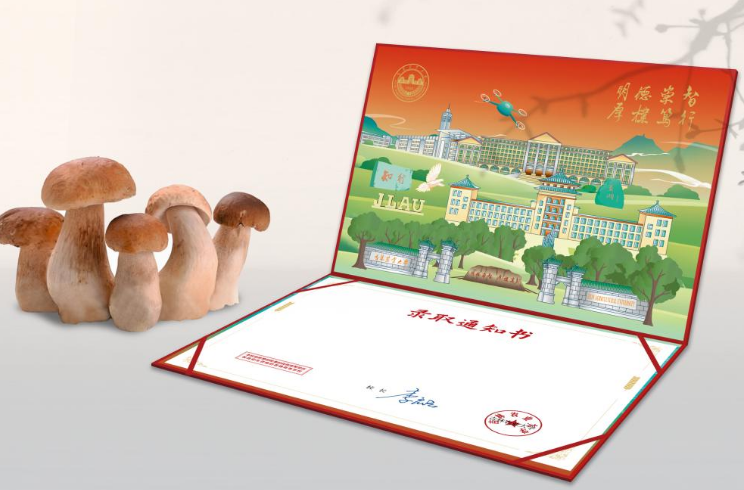
咖啡培育、宠物养护……农学专业越来越火了!
Jing Ji Ri Bao· 2025-08-12 12:11
Core Insights - Agricultural universities are increasingly innovative in their admission processes, showcasing their research capabilities and aligning with modern agricultural trends [1][2][3] Group 1: Innovative Admission Practices - Jilin Agricultural University introduced edible admission letters made from a new type of fungal paper developed by their research team [1] - Nanjing Agricultural University included a seed of "Ningxiang Jing 9" rice in their admission letters, selected from thousands of varieties [2] - China Agricultural University provided admission letters with seeds of wheat, corn, and rice, with the corn variety "Nongda 778" having been promoted on approximately 12 million acres [3] Group 2: Industry-Relevant Programs - Yunnan Agricultural University offers a Coffee Science and Engineering program, the first in China to systematically train talent across the entire coffee industry chain [7] - China Agricultural University launched an Animal Science program focused on companion animals, targeting the pet industry [8] - The increasing demand for professionals in coffee and pet industries reflects the growing significance of these sectors in modern agriculture [9][10] Group 3: Changing Perceptions of Agricultural Studies - Agricultural programs are becoming more appealing, with increased enrollment and a higher proportion of urban and female students [12] - The perception of agriculture as a "cold bench" is shifting, as modern agriculture integrates advanced technologies and interdisciplinary approaches [11][13] - The rise of new agricultural sectors and career opportunities is attracting more students to agricultural studies, reflecting a broader interest in the field [12][13] Group 4: Future Career Prospects - Graduates from agricultural programs are recognized for their diverse skill sets, including technical knowledge and management capabilities, making them valuable in various industries [13][14] - The flexibility in career choices allows agricultural graduates to enter different fields, highlighting the cross-disciplinary appeal of agricultural education [13]