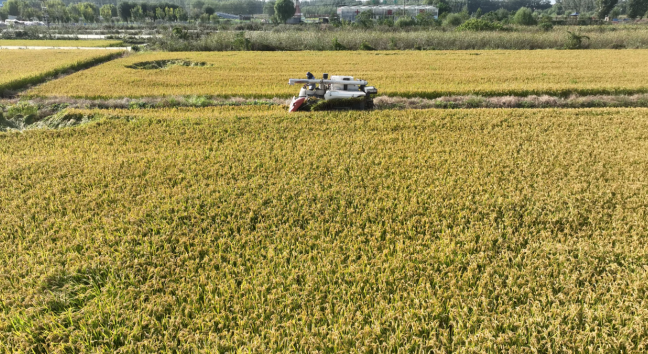
现代农业

Search documents
如何激活农林牧渔生态价值?
Jing Ji Ri Bao· 2026-02-25 09:14
Core Viewpoint - The development of agriculture, forestry, animal husbandry, and fishery as an integrated system is essential for building a modern agricultural industry, production, and management system, responding to consumer demand for diverse food supply, and addressing structural contradictions in China's agriculture [1][2]. Demand Side Analysis - There is a growing demand for diverse, balanced, and nutritious food among consumers, leading to an upgrade in food consumption structure from merely filling to quality and health [1]. - The production side faces issues such as oversupply of ordinary products and insufficient supply of high-quality, functional agricultural products and key feed varieties [1]. - The processing conversion rate of major agricultural products in China is projected to reach 75% by 2025, which is still below the level of developed countries, indicating a gap in modern industrial requirements [1]. Supply Side Analysis - The agricultural sectors have historically operated in silos, leading to inadequate consideration of resource and material cycles, resulting in issues like land degradation and soil pollution [2]. - The spatial layout of grain production is under pressure due to initiatives like North-South grain transfer and South-North water diversion, indicating a need for optimization in regional grain production and resource allocation [2]. - Smallholders account for over 98% of agricultural operators, and while new agricultural entities are growing, the mechanisms for benefit linkage remain unstable [2]. Resource Utilization Strategy - It is necessary to clarify the boundaries for resource development and utilization, ensuring that agricultural production aligns with ecological safety and sustainability [2]. - The strategy includes promoting the coordinated development of agriculture, forestry, animal husbandry, and fishery within the limits of environmental capacity [2]. Value Realization of Ecological Resources - There is a need to explore the multiple functions of agriculture and the diverse values of rural areas, promoting ecological agriculture and rural tourism [3]. - Establishing horizontal ecological compensation mechanisms and vertical transfer payment systems can help ensure that resource-exporting regions receive fair compensation for ecological protection [3]. Efficiency in Resource Allocation - The synergy between ecological protection and economic development requires effective government policy design and market resource allocation [4]. - Government should enhance policy coordination across regions and sectors, integrating land use planning, project layout, and ecological compensation with industrial development [4]. - Market mechanisms should stimulate the internal motivation of operators and attract social capital to develop sustainable agricultural practices [4]. Organizational Improvement - Increasing the level of organization through cooperatives and agricultural industrialization unions can enhance market bargaining power for smallholders [5]. - Improving social service levels can address challenges faced by smallholders, such as high technical barriers and low production efficiency [5]. - Digital technology can be leveraged to enhance production efficiency, market connectivity, and service assurance, thereby integrating smallholders into the modern agricultural development system [5].
梅州蕉岭丝苗米:“世界长寿乡”的种稻密码
Xin Lang Cai Jing· 2026-02-13 23:52
Core Insights - The article highlights the unique qualities of Silmiao rice, referred to as the "jade of rice," cultivated in Meizhou's Jiaoling County, which benefits from a favorable ecological environment [1] Group 1: Agricultural Practices - Farmers in Jiaoling County, like Zhong Guang, are adopting green manure crops during the off-season to prepare for the next planting cycle, enhancing soil fertility [1] - The implementation of "three control technologies" promoted by agricultural departments has led to increased yields and improved quality, with farmers reporting a 10% increase in income per mu [1] Group 2: Industry Development - The Jiaoling County Silmiao Rice Provincial Modern Agricultural Industrial Park covers an area of 105,000 mu, focusing on high-quality rice varieties [2] - The industrial park has established various cooperative models, including "company + cooperative + farmer" and "company + base + farmer," to enhance collaboration and efficiency [2] Group 3: Technological Integration - The integration of big data platforms allows for real-time monitoring of planting bases and quality control, ensuring traceability for every grain of rice produced [2] - The production line is connected to a laboratory that provides immediate feedback on quality, showcasing the smart agricultural practices in place [2]
2026年第26期:晨会纪要-20260213
Guohai Securities· 2026-02-13 01:09
Group 1: Company Overview - The report focuses on Dengkang Oral Care (001328.SZ), a state-owned enterprise established in 2001, primarily producing oral hygiene products such as toothpaste, toothbrushes, and mouthwash [4] - The company aims to double its revenue and profit during the "14th Five-Year Plan" period, with a compound annual growth rate (CAGR) of 10.6% for revenue and 20.6% for net profit from 2019 to 2024 [4] - Adult toothpaste constitutes approximately 80% of the company's revenue, which is the main driver of recent growth [4] Group 2: Industry Analysis - The toothpaste market in China is the largest segment of the oral care industry, with a market size of approximately 30 billion yuan in 2023 [5] - The market is characterized by intense competition, with established brands dominating offline channels, while new brands are emerging in the e-commerce space [5] - Price sensitivity among consumers is low, and there has been a gradual increase in toothpaste prices since 2013, with a shift towards higher-priced functional products [5] Group 3: Competitive Advantages - Dengkang Oral Care has established competitive barriers through brand strength, research and development capabilities, and distribution channels [6] - The brand "Ling Suan Ling" has maintained vitality and is undergoing a transformation towards professionalization and modernization [6] - The company has a strong offline distribution network and is rapidly expanding its online presence, with e-commerce revenue expected to grow by 52% year-on-year in 2024 [6] Group 4: Growth Potential - There is significant room for product structure optimization, with the company introducing high-end products that enhance its product range [7] - The average factory price of products has increased from 2.63 yuan/100g to 3.30 yuan/100g from 2019 to 2024, reflecting a CAGR of 4.6% [7] - The company has successfully implemented a mature strategy for its flagship products on platforms like Douyin, indicating strong consumer demand and brand recognition [7] Group 5: Market Expansion Opportunities - The company is expanding into the whitening and gum care segments, which have larger market sizes compared to sensitivity products, with potential revenue increases of 3.9 billion yuan and 4.76 billion yuan, respectively [8] - The market for gum care and whitening toothpaste is estimated at 8.523 billion yuan and 7.061 billion yuan, respectively, indicating substantial growth opportunities [8] Group 6: Financial Forecast and Valuation - Revenue projections for Dengkang Oral Care are estimated to reach 1.747 billion yuan, 2.105 billion yuan, and 2.506 billion yuan for 2025-2027, with net profits expected to be 177 million yuan, 221 million yuan, and 271 million yuan for the same period [9] - The price-to-earnings (PE) ratios are projected to be 42X, 33X, and 27X for 2025-2027, reflecting the company's growing brand influence and successful product optimization [9]
广东“三农”这五年:以高质量答卷,赴“十五五”新程
Nan Fang Nong Cun Bao· 2026-02-09 04:35
Core Viewpoint - Guangdong has achieved significant progress in rural revitalization and agricultural modernization during the "14th Five-Year Plan" period, setting a strong foundation for the "15th Five-Year Plan" with a focus on high-quality development in agriculture and rural areas [3][15]. Group 1: Agricultural Development - The total output value of agriculture, forestry, animal husbandry, and fishery in Guangdong is projected to reach 979.87 billion yuan by 2025, with a year-on-year growth of 4.9% [7]. - The grain production capacity in Guangdong has increased from 12.38 million tons in 2021 to 12.98 million tons in 2025, achieving a "three consecutive increases" in grain output [38]. - Guangdong has established 12 national advantageous characteristic industrial clusters and 24 national modern agricultural parks, contributing to the rise of the first industry added value from fourth to second in the country [108]. Group 2: Rural Revitalization - Over the "14th Five-Year Plan" period, Guangdong has cultivated 5,806 typical villages and 818 typical towns, forming 25 typical village clusters and 194 rural revitalization demonstration belts [9][144]. - The average disposable income of rural residents in Guangdong is expected to reach 28,170 yuan by 2025, with a year-on-year growth of 5.4% [11]. - The employment rate of the poverty alleviation labor force has consistently maintained above 97%, benefiting over 779,000 low-income rural residents [66]. Group 3: Technological Innovation - Guangdong has implemented advanced agricultural technologies, including unmanned aerial vehicles for sowing and digital methods throughout the agricultural production chain, enhancing food security [32][34]. - The province has developed 30 super rice varieties, accounting for 23.4% of the national total, showcasing its leading position in breeding quality rice [34]. Group 4: Marine Economy - Guangdong has accelerated the construction of modern marine ranches, with over 7,498 deep-water gravity cages built, leading the nation [49]. - The total output of aquatic products in Guangdong is projected to reach 9.66 million tons by 2024, with a year-on-year growth of 10.34% [56]. Group 5: Collaborative Support - Guangdong has actively engaged in paired assistance with Guangxi and Guizhou, investing 1.08 billion yuan in the tea industry in Tongren, Guizhou, and establishing a new materials manufacturing park in Guangxi [86][88]. - The province has established partnerships between 170 schools in Guangzhou and 220 schools in Bijie, enhancing educational resources in rural areas [89]. Group 6: Cultural and Tourism Integration - Guangdong has initiated 19 pilot projects for the integration of agriculture, culture, and tourism, enhancing rural tourism and local economies [131]. - The "most beautiful tourism road" in Huizhou connects nine towns and over 200 scenic spots, promoting regional tourism development [179].


新农人的年终盘点
Xin Lang Cai Jing· 2026-02-08 19:33
Group 1: Livestock Farming - The intelligent livestock farming base in Linhe District, Bayannur City, showcases healthy and well-fed sheep, benefiting from advanced feeding systems that reduce labor costs and ensure scientific feeding practices [1] - The price of meat sheep has risen to 29 yuan per kilogram, with an additional government subsidy of 60 yuan per sheep sold, highlighting the significant benefits of large-scale farming [1] - The farmer, with 23 years of experience, has established a complete industrial chain of breeding, raising, and selling sheep, with a stable annual production of 700 lambs from 500 breeding ewes [1] Group 2: Agricultural Policies and Practices - The government has increased support for agriculture, providing various subsidies that have encouraged new farmers to adopt innovative practices and expand their operations [2] - A local farmer has successfully cultivated a diverse range of crops on 5,000 acres, including glutinous corn, feed corn, and sunflowers, which enhances land utilization and mitigates market risks [2] - The focus is shifting towards high-quality and high-value crop production, with plans to expand the planting area of staple crops and develop vegetable production for Hong Kong [2]
金观平:提升农业产能和质量效益
Xin Lang Cai Jing· 2026-02-04 22:38
Core Viewpoint - The central government prioritizes enhancing agricultural comprehensive production capacity and quality efficiency, aiming to ensure food security while transitioning agricultural production from a quantity-focused approach to a quality-focused one [1] Group 1: Food Security and Production Goals - Food security is a critical national priority, with a target of achieving a grain output of 1.43 trillion jin by 2025, setting historical highs in total output and yield per unit area, while maintaining a per capita grain availability of 1000 jin [1] - The long-term balance between grain supply and demand remains tight, with structural shortages still prominent, necessitating continuous vigilance in food security [1] Group 2: Agricultural Production Strategies - The strategy emphasizes stabilizing grain and oil production through area maintenance and yield improvement, ensuring grain output remains above 1.4 trillion jin [2] - There is a focus on optimizing planting structures and regional layouts, enhancing soybean production, and expanding the cultivation of oilseeds like rapeseed and peanuts [2] - The approach advocates for a diversified food supply system, integrating agriculture, forestry, animal husbandry, and fishery [2] Group 3: Enhancing Agricultural Capacity - Significant improvements in agricultural infrastructure, machinery, and technology have been achieved, with a new initiative to enhance grain production capacity by 100 billion jin [2] - The strategy includes strict land use regulations, promoting high-standard farmland construction, and leveraging technology, including AI, to boost agricultural productivity [2] Group 4: Quality and Efficiency Improvement - The focus is on transitioning from quantity to quality in agricultural production, ensuring products are of high quality, well-marketed, and yield high returns [3] - There is an emphasis on enhancing the quality and safety of agricultural products through improved traceability and regulatory systems [3] - The development of rural industries and agricultural processing is encouraged to maximize the value chain from production to consumption [3] Group 5: Trade and Global Positioning - As a major agricultural product importer, the coordination between trade and production is crucial, with efforts to boost domestic production while promoting exports of competitive agricultural products [3] - The strategy includes managing imports of essential agricultural products to stabilize domestic markets and enhance the global competitiveness of agricultural enterprises [3]
今年四川“三农”工作划重点→→
Sou Hu Cai Jing· 2026-01-30 01:03
Core Viewpoint - Sichuan aims to strengthen its agricultural sector as a cornerstone for economic stability and growth, focusing on modernizing agriculture and improving rural living conditions as it enters the new "15th Five-Year Plan" period [1]. Group 1: Food Security - The meeting emphasized the importance of ensuring the supply of key agricultural products, particularly grain, as Sichuan is one of the 13 major grain-producing provinces in China [3]. - By 2025, Sichuan's total grain production is projected to reach 732.5 billion jin, marking a historical high and maintaining a stable output above 700 billion jin for six consecutive years since 2020 [4]. - Sichuan will implement a new round of grain production capacity enhancement actions, focusing on stabilizing supply and improving yield through better agricultural practices and technology [4]. Group 2: Rural Prosperity - The meeting highlighted the need to develop and expand industries that increase farmers' incomes, integrating technology, green practices, quality, and branding in agriculture [7]. - Strategies to ensure farmers benefit from agricultural value chains include enhancing modern agricultural park construction and promoting deep processing of agricultural products [8]. - Innovative business models are being adopted, such as the one in Guangyuan City, which has established 52 agricultural industrialization unions and 3,823 farmer cooperatives, directly benefiting over 400,000 households [8]. Group 3: Reform and Development - The meeting discussed leveraging reforms to enhance agricultural and rural development, including pilot programs for urban-rural integration and revitalizing idle rural assets [12]. - Successful examples of asset management and resource utilization were shared, such as the revitalization of 132 idle assets in Fushun County, generating 130 million yuan in revenue [14]. - There is a strong emphasis on attracting and retaining talent in rural areas to support agricultural modernization and rural revitalization efforts [14].
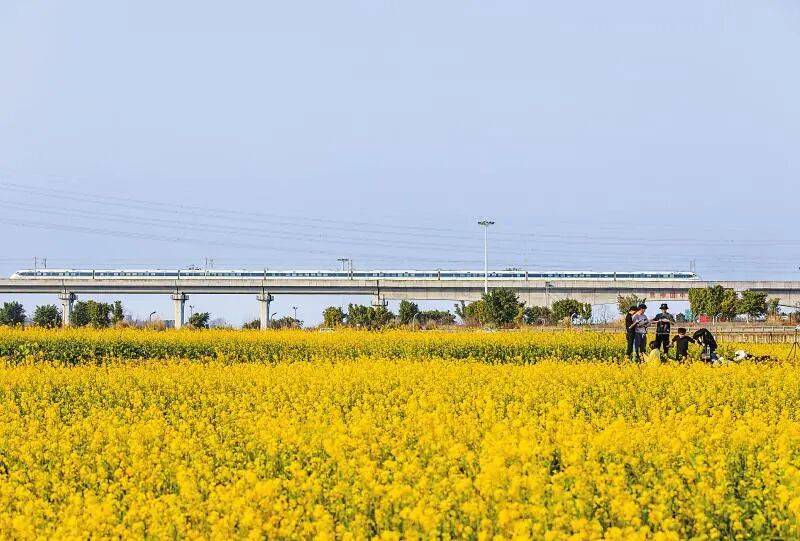
涉及乡村振兴、现代农业…… 辽宁发布一批重要地方标准
Xin Lang Cai Jing· 2026-01-22 04:45
Core Viewpoint - The Liaoning Provincial Market Supervision Administration has released a total of 101 local standards aimed at promoting industrial transformation and high-quality development by the fourth quarter of 2025, covering various sectors including rural revitalization and modern agriculture [1][2][3][4][5]. Rural Revitalization - Seven local standards have been issued, including the "Rural Passenger and Cargo Postal Integration Development Service Specification," which aims to enhance the integration of rural passenger transport, cargo delivery, and postal services, addressing the "last mile" issues for farmers [1]. Modern Agriculture - Twenty-five local standards have been introduced, such as the "Technical Regulations for the Selection of Insect-Proof Nets for Facility Vegetables," which targets significant reductions in pesticide use, improved vegetable quality, and increased yields, achieving five notable goals [1]. Forestry and Grass Industry - Eleven local standards have been published, including the "Production and Cultivation Technical Regulations for Epimedium under Forest," which is expected to increase income per unit area by over 20% through standardized cultivation practices [1]. Artificial Intelligence - One local standard, "Safety Requirements for Generative Artificial Intelligence," has been established to enhance the safety of generative AI services, addressing issues like the spread of harmful information and network attacks [2]. Digital Development - One local standard, "Data Interface for Social Emergency Response Information System," has been defined to support the establishment and management of data interfaces, facilitating connectivity between social emergency information systems and government platforms [2]. Green Development - Two local standards have been released, including the "Technical Specifications for Low-Carbon Development Evaluation in Chemical Parks," which supports the high-quality development of the petrochemical industry and the achievement of carbon neutrality goals [2]. Environmental Protection - Three local standards have been introduced, such as the "Technical Specifications for Environmental Risk Assessment of Hazardous Waste Disposal," which aims to enhance the management of hazardous waste and ensure ecological safety [2]. Transportation - Four local standards have been published, including the "Operational Service Specifications for Electronic Licenses in Road Transport," which standardizes the application of electronic licenses in the transportation sector [3]. Urban Renewal - Eleven local standards have been issued, including the "Technical Regulations for the Evaluation of Green Building Construction Drawings," which align with national energy-saving initiatives and aim to reduce environmental burdens [3]. Trade and Commerce - Two local standards have been established, such as the "Management Specifications for Instant Retail Services," which enhance the capabilities of instant retail services based on e-commerce [3]. Cultural and Tourism Industry - Five local standards have been released, including the "Construction Specifications for Intangible Cultural Heritage Workshops," which provide guidelines for the protection and utilization of intangible cultural heritage [3]. Elderly Care Services - Three local standards have been published, including the "Special Dietary Service Specifications for Elderly Care Institutions," which aim to improve dietary services for the elderly [4]. Market Regulation - Four local standards have been introduced, such as the "Safety and Environmental Technical Specifications for Mobile Laboratories for Rapid Detection of Finished Oil," which enhance the consistency of detection results [4]. Emergency Management - Ten local standards have been established, including the "Safety Specifications for Gas Monitoring and Alarm in Metallurgical Enterprises," which are crucial for preventing safety incidents [5]. Intellectual Property Protection - Three local standards have been published, including the "Consultation Service Specifications for Patent Infringement Determination," which aim to create a fair and efficient environment for intellectual property protection [5]. Health and Safety - Three local standards have been released, such as the "Blood Collection and Supply Service Specifications Part 1: General Principles," which ensure the quality and safety of blood services [5]. Disaster Prevention and Mitigation - Six local standards have been introduced, including the "Snow Disaster Investigation and Risk Assessment," which provide authoritative information for snow disaster management [5].
溧水晶桥镇: 2025年现代农业产业发展与乡村振兴同频共振
Xin Lang Cai Jing· 2026-01-19 17:08
Core Viewpoint - The article highlights the development and modernization of Jingqiao Town in Lishui District, Nanjing, focusing on its agricultural transformation and rural revitalization efforts by 2025, leveraging its unique resources and integrating tourism with agriculture [1][2][3] Agricultural Development - Jingqiao Town aims to transform traditional agriculture into modern agriculture through the establishment of four distinctive agricultural parks by 2025 [1] - The aquatic farming sector has seen an investment of over 10 million yuan in ecological management and modernization, with sales expected to exceed 100 million yuan in 2025, benefiting over 300 farming households [1] - The organic vegetable base in Taicun has expanded to 600 acres, utilizing advanced technology to supply major cities and Hong Kong, with a projected output value nearing 100 million yuan by 2025 [2] Tea Industry Growth - The tea industry in Jingqiao is supported by an 800-acre tea garden that integrates cultural heritage with tourism, attracting over 30,000 visitors annually and achieving an output value of 100 million yuan [2] Ecological Agriculture Innovation - The establishment of the first "zero-carbon" agricultural pilot in the province is underway, producing selenium-rich rice with a market price of 8 yuan per jin, significantly increasing yield [2] Infrastructure and Project Development - The town has implemented 9 key agricultural projects with a total investment of 254 million yuan, enhancing the quality of agricultural products and establishing a provincial-level green vegetable base [3] Tourism Integration - Jingqiao Town promotes a "red cultural tourism + ecological sports" theme, hosting various events and attracting 1.7 million tourists, thereby enhancing its rural tourism brand [3] Future Outlook - By 2026, Jingqiao Town plans to further expand its agricultural scale and extend its industrial chain, aiming to become a benchmark for urban-rural integration and rural revitalization [3]
今年济南将确保粮食总产量稳定在306.5万吨水平
Qi Lu Wan Bao· 2026-01-19 02:46
Group 1 - The government report emphasizes the importance of modern agriculture development, with a commitment to protect arable land and ensure food security [1] - Plans include the construction and upgrading of high-standard farmland covering 362,000 acres, maintaining a stable grain sowing area of over 7.256 million acres, and ensuring a total grain output of 3.065 million tons [1] Group 2 - The establishment of modern seed industry parks and the introduction of over 10 leading seed enterprises are highlighted, along with the cultivation of more than 10 breakthrough superior varieties [3] - The report outlines the implementation of 10 key industrial chain projects and the recognition of 20 municipal agricultural leading enterprises, aiming to cultivate 80 backbone enterprises and create over 5 provincial leading enterprises [3] - The construction of the Jiyang National Modern Agricultural Industrial Park is prioritized, along with the promotion of agricultural product quality and brand development [3]