名表

Search documents
年轻人讨厌老登品牌,但它们不在乎
Sou Hu Cai Jing· 2025-12-16 06:49
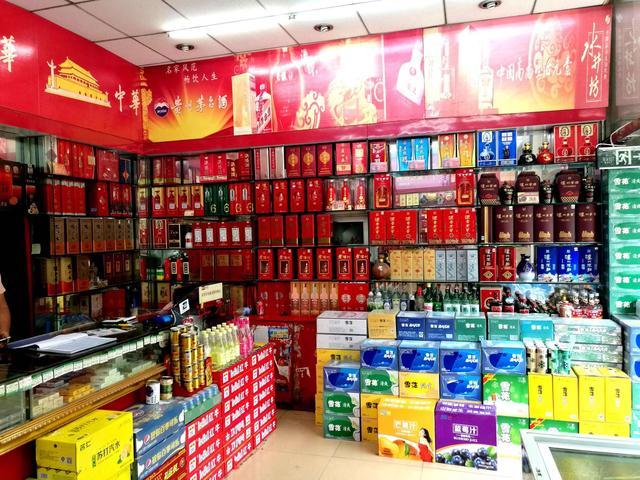
Core Viewpoint - The narrative surrounding the decline of traditional consumption, particularly in sectors like liquor, luxury watches, and fuel vehicles, has gained traction online, with the term "老登" (Old Deng) becoming a symbol of generational conflict and a critique of older consumer habits [1][12][18] Group 1: Understanding "老登" Brands - "老登" brands, such as liquor and cigarettes, are characterized by their exclusivity and emotional resonance, which creates a strong identity among their consumers [10][11] - The term "老登" carries a negative connotation, reflecting a rejection of older consumer values, while "老钱" (Old Money) is viewed more neutrally, indicating wealth accumulation over generations [5][7] - The success of "老登" brands lies in their ability to clearly define their target audience, allowing them to thrive despite negative perceptions from non-consumers [9][18] Group 2: Market Dynamics and Consumer Behavior - "老登" brands operate on a business model that does not rely on mass appeal or constant advertising, instead thriving on relationship networks and long-term trust [14][18] - The emotional backlash against "老登" consumption does not necessarily indicate a loss of market; rather, it may reflect external influences affecting sales [15] - The current discourse around "老登" consumption serves as a means for younger generations to express their identity and attitudes, transforming consumption into a form of social commentary [18]

老登经济有了新欢
投资界· 2025-12-03 09:38
Core Viewpoint - The article discusses the changing consumption patterns and values of the "old generation" (老登), particularly in relation to luxury goods such as fine liquor, watches, and cars, highlighting a shift towards health and practicality over status symbols [2][4][9]. Group 1: Changing Consumption Patterns - The traditional consumption triangle of fine liquor, luxury watches, and fuel vehicles is losing its appeal among the older generation, who are now more concerned with health and practical expenses [2][4]. - The demand for high-end liquor, particularly Moutai, is declining, with prices dropping significantly; for instance, the price of a 53-degree Moutai has fallen to around 3,150 yuan for a double bottle [8]. - The secondary market for luxury watches has seen drastic price reductions, with models like the "Green Gold Daytona" dropping from over 1 million yuan to around 400,000 yuan [7]. Group 2: Health and Lifestyle Changes - There is a growing emphasis on health among the older generation, leading to reduced alcohol consumption; for example, one individual noted that drinking two bottles of Moutai in a meal is no longer common [9][10]. - The younger generation's aversion to traditional drinking culture is influencing older consumers, as they seek alternatives like light wines that are more affordable and less harmful [10]. - The shift in values is evident as older consumers prioritize health-related expenses, such as medical insurance and wellness products, over luxury items [13][14]. Group 3: New Consumption Trends - The article notes a transition in leisure activities, with older consumers increasingly spending on experiences like travel and entertainment rather than luxury goods; for instance, there has been a significant increase in outbound travel orders among those aged 55 and above [12]. - The entertainment industry is seeing a rise in older audiences, with a notable percentage of concert-goers now being over 45 years old, indicating a shift in how this demographic chooses to spend their leisure time [13]. - Businesses in the liquor industry are adapting to these changes by exploring new product lines and marketing strategies, although results have been mixed [13].


撑不住的老登经济,有了新欢
3 6 Ke· 2025-12-01 04:15
Core Insights - The traditional luxury consumption patterns among the "old generation" (老登) are rapidly changing, with a noticeable decline in the demand for high-end liquor, luxury watches, and fuel vehicles [1][10][17] - Health consciousness is becoming a significant factor influencing the spending habits of this demographic, leading to a shift towards more practical and health-oriented expenditures [12][20][24] Group 1: Changing Consumption Patterns - The once-stable consumption triangle of high-end liquor, luxury watches, and fuel vehicles is deteriorating, as evidenced by the decline in sales and value of these items [1][10][17] - The price of luxury watches, such as the Rolex "Green Gold Daytona," has dropped significantly from over 1 million yuan to around 400,000 yuan, indicating a collapse in asset value perception [9] - The white liquor market is experiencing a downturn, with the price of Moutai dropping to around 1,499 yuan per bottle on platforms like Pinduoduo, reflecting a broader trend of reduced demand [10][12] Group 2: Health and Lifestyle Changes - The older generation is increasingly prioritizing health over traditional drinking culture, with many reducing their alcohol consumption significantly [12][20] - There is a generational shift in drinking preferences, with younger individuals opting for lighter alcoholic beverages instead of high-priced liquor, indicating a cultural change in social drinking norms [14][15] - The focus on health has led to increased spending on medical services and wellness products, such as health check-ups and medical insurance, rather than luxury goods [20][24] Group 3: New Interests and Activities - The older generation is now investing in experiences, such as travel and leisure activities, rather than material possessions, with a notable increase in travel bookings among those aged 55 and above [19][22] - Concerts and live events are becoming popular among this demographic, with a significant rise in attendance from individuals aged 45 and above, indicating a shift towards experiential consumption [22] - The market for luxury goods is evolving, with former luxury consumers seeking more practical and fulfilling alternatives, such as gardening and family-oriented activities [24]