文玩

Search documents
潘家园33周年庆系列活动暨首届潘家园串文化节开幕
Xin Lang Cai Jing· 2025-12-19 18:23
Core Insights - The event "33rd Anniversary of Panjiayuan" and the first "Panjiayuan String Culture Festival" opened in Beijing, focusing on cultural heritage and global dissemination [3] - The festival includes various activities such as the unveiling of the Panjiayuan Cultural Academy and the establishment of a grassroots exchange base between Beijing and Taiwan, aiming to enhance cultural experiences [3][4] Group 1 - The Panjiayuan Cultural Academy was launched to address the lack of knowledge among young consumers regarding cultural artifacts, promoting a new model of industry-education integration [3] - The festival features a "String King Competition" and a themed market, allowing visitors to deeply engage with string culture and enjoy various cultural performances and promotional activities [4] - The event will run until January 4, 2026, providing an extended opportunity for public engagement and cultural exchange [5] Group 2 - The festival includes online and offline activities, such as e-commerce promotions and cultural gift sales, enhancing consumer experience and participation [4] - The event showcases the transformation of Panjiayuan from a flea market to a cultural landmark, highlighting its historical significance and development [3]

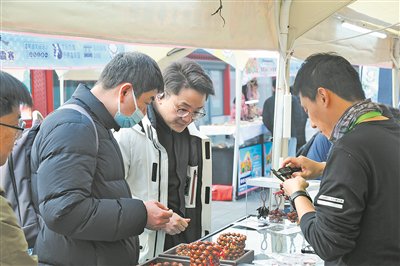
北京潘家园文玩学院正式签约揭牌
Bei Jing Shang Bao· 2025-12-19 04:17
Core Insights - The first "Panjiaoyuan String Culture Festival" has opened at the Panjiao Yuan antique market, featuring a comprehensive cultural experience that is "observable, playable, purchasable, and learnable" [1] Group 1: Event Highlights - The Panjiao Yuan Cultural Academy was officially inaugurated during the event, created in collaboration with Chaoyang District Workers' University to address the lack of knowledge among young consumers in the cultural relics sector [1] - The academy aims to inject new momentum into the cultural relics industry through a new model of industry-education integration, leveraging 33 years of industry resources from Panjiao Yuan Cultural Company and the educational advantages of the Workers' University [1] - The academy will establish a dual-track training system of "inclusive + professional" and utilize the Panjiao Yuan antique market as a practical base for teaching core knowledge and practical skills in the cultural relics industry [1] Group 2: Event Duration and Activities - The festival will last for 17 days, concluding on January 4, 2026, and will include various cultural activities for citizens and tourists, such as folk performances, public appraisal of cultural relics, and limited-time promotions [1] - The festival features a "String King Competition" alongside a themed market, allowing visitors to deeply engage with string culture and enjoy the "Top Ten Strings" showcased in the competition [1]
撑不住的老登经济,有了新欢
3 6 Ke· 2025-12-01 04:15
Core Insights - The traditional luxury consumption patterns among the "old generation" (老登) are rapidly changing, with a noticeable decline in the demand for high-end liquor, luxury watches, and fuel vehicles [1][10][17] - Health consciousness is becoming a significant factor influencing the spending habits of this demographic, leading to a shift towards more practical and health-oriented expenditures [12][20][24] Group 1: Changing Consumption Patterns - The once-stable consumption triangle of high-end liquor, luxury watches, and fuel vehicles is deteriorating, as evidenced by the decline in sales and value of these items [1][10][17] - The price of luxury watches, such as the Rolex "Green Gold Daytona," has dropped significantly from over 1 million yuan to around 400,000 yuan, indicating a collapse in asset value perception [9] - The white liquor market is experiencing a downturn, with the price of Moutai dropping to around 1,499 yuan per bottle on platforms like Pinduoduo, reflecting a broader trend of reduced demand [10][12] Group 2: Health and Lifestyle Changes - The older generation is increasingly prioritizing health over traditional drinking culture, with many reducing their alcohol consumption significantly [12][20] - There is a generational shift in drinking preferences, with younger individuals opting for lighter alcoholic beverages instead of high-priced liquor, indicating a cultural change in social drinking norms [14][15] - The focus on health has led to increased spending on medical services and wellness products, such as health check-ups and medical insurance, rather than luxury goods [20][24] Group 3: New Interests and Activities - The older generation is now investing in experiences, such as travel and leisure activities, rather than material possessions, with a notable increase in travel bookings among those aged 55 and above [19][22] - Concerts and live events are becoming popular among this demographic, with a significant rise in attendance from individuals aged 45 and above, indicating a shift towards experiential consumption [22] - The market for luxury goods is evolving, with former luxury consumers seeking more practical and fulfilling alternatives, such as gardening and family-oriented activities [24]

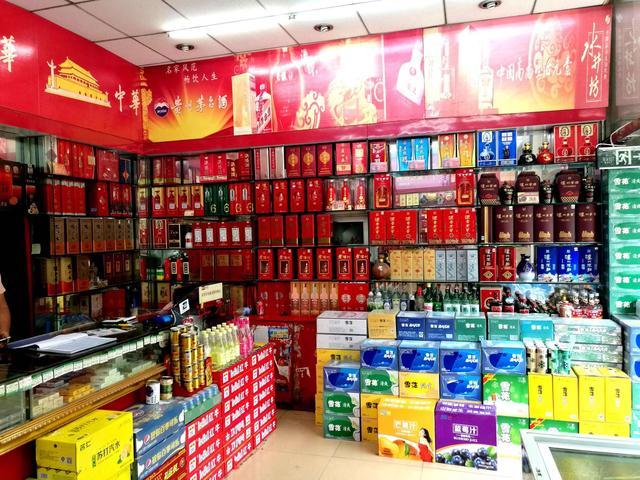
文玩市场预警这个品类再次归来?玩家要注意
Sou Hu Cai Jing· 2025-10-12 01:26
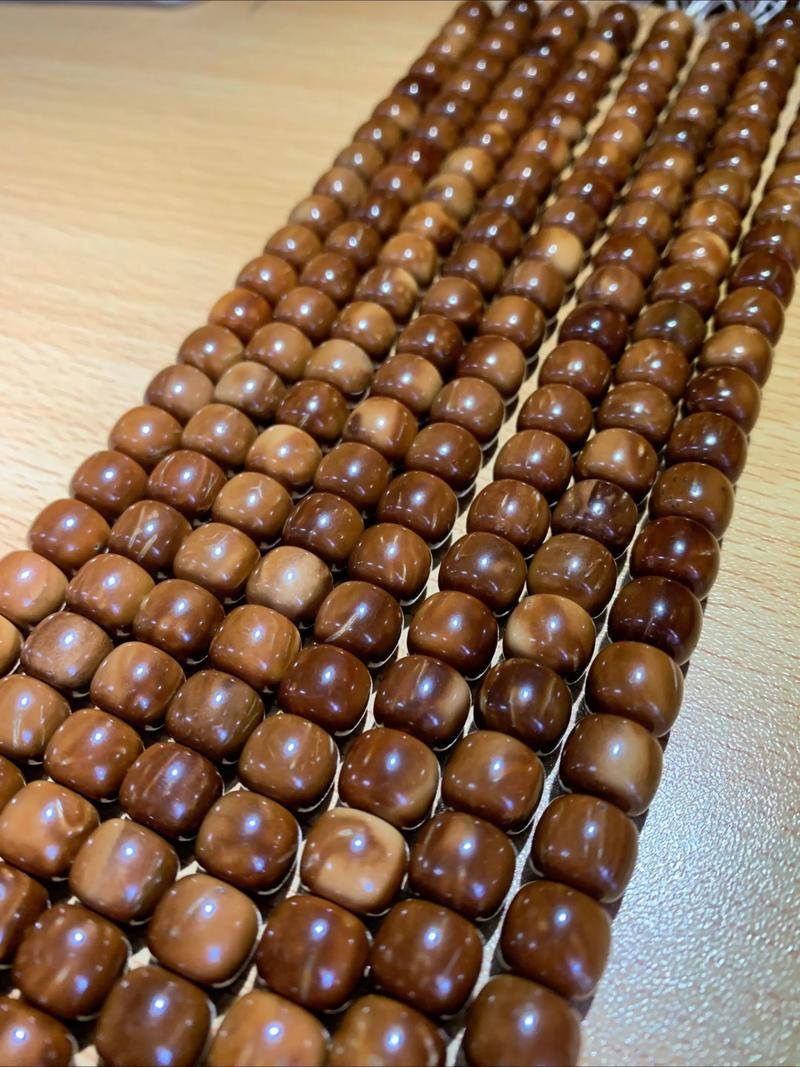
Core Viewpoint - The resurgence of "Kuk" in the cultural and collectible market is a cause for concern, as it employs old marketing tactics that mislead new players into viewing it as a valuable item, despite its lack of intrinsic worth [1][4][10] Group 1: Market Dynamics - The Kuk product, made from the outer shell of Brazilian palm fruit, is being marketed as a substitute for traditional items like Bodhi seeds, claiming various benefits such as warding off evil and attracting wealth [1][6] - The current trend in the collectible market is characterized by low-priced items that appear to be bargains, yet still allow merchants to maintain significant profit margins through low production costs and bulk sales [8][9] - Traditional popular items like Bodhi seeds have entered a "micro-profit era," leading merchants to revive the Kuk concept as a high-return product due to its lack of standards and cultural backing [9] Group 2: Consumer Awareness - Merchants are leveraging modern marketing techniques, such as live streaming and algorithm-driven promotions, to create a new wave of hype around Kuk, disguising it as a "niche treasure" [3][6] - The essence of collectible items lies in cultural heritage and aesthetic appreciation, rather than short-term speculation, highlighting the need for consumers to remain vigilant against low-priced temptations [10]
年轻人爆改文玩江湖,一对核桃卖几十万?
Hu Xiu· 2025-09-24 09:24
Core Insights - The article discusses the rising popularity of walnut collectibles among young people, particularly in the town of Lai Shui, Hebei, where the walnut market has transformed significantly over the past decade [4][5][9]. Group 1: Market Dynamics - The walnut market in Lai Shui has seen a dramatic increase in economic activity, with the annual output value reaching 2 billion yuan, and one in three residents relying on walnut-related income [9]. - The demand for walnuts has shifted from older generations to younger consumers, with many young people forming communities to share tips and sources for walnut collecting [2][4]. - The average price for collectible walnuts can range from a few hundred to several hundred thousand yuan, depending on rarity and quality [15][20]. Group 2: E-commerce Influence - E-commerce platforms like Douyin (TikTok) and Xiaohongshu (Little Red Book) have become significant sales channels for walnut merchants, with some businesses reporting high transaction volumes [3][21]. - The rise of online sales has led to increased competition and challenges for traditional walnut sellers, including high return rates and the need for better customer service [35][36]. - The shift to online sales has also resulted in a reduction of middlemen, impacting the overall profit margins for walnut sellers [33]. Group 3: Product Characteristics - The main types of collectible walnuts include Ma walnut, Qiuzi walnut, and Tie walnut, with Ma walnut being the most sought after due to its aesthetic and collectible value [11][13]. - The walnut varieties have expanded significantly, with over 380 types currently available, and specific varieties gaining popularity each year [12][13]. - Unique walnut shapes, such as those with three or more ridges, can significantly increase their market value, with some selling for tens of thousands of yuan [15][20]. Group 4: Challenges and Regulations - The walnut industry faces issues related to quality control and consumer complaints, with a reported high volume of grievances due to counterfeit products and poor quality [46][47]. - The Lai Shui walnut has been designated as a national geographical indication product, aiming to establish standards for production and quality [42]. - The local association has begun to take a more active role in mediating disputes and establishing market standards to improve consumer trust [47].
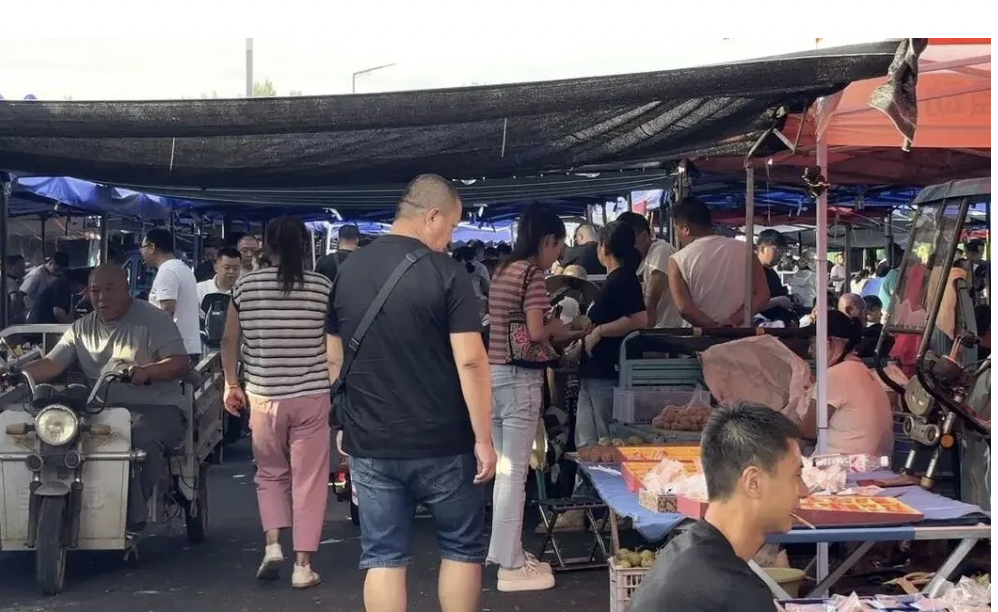
一对核桃卖几十万?我在涞水4天,目睹年轻人爆改文玩江湖
3 6 Ke· 2025-09-24 09:05
Core Insights - The article highlights the rising popularity of walnut collectibles among young people, particularly in the context of the涞水 region, which has seen significant economic growth due to walnut production [1][4][24] -涞水 has transformed from a lesser-known area to a major hub for walnut trading, with a reported annual production value of 2 billion yuan [4][24] - The walnut market is characterized by a wide price range, influenced by rarity and quality, with some unique varieties fetching prices up to 200,000 yuan [7][10] Group 1: Market Dynamics -涞水 is responsible for approximately 80% of China's walnut supply, with a bustling market that has evolved significantly over the past decade [4][12] - The walnut industry in涞水 supports the livelihoods of one in three residents, indicating its economic importance [4][24] - The market has shifted towards online sales, with platforms like Douyin (TikTok) becoming primary sales channels, leading to increased competition and changing consumer behavior [17][19] Group 2: Consumer Trends - Young consumers, particularly those born in the 1990s, are increasingly engaging in walnut collecting, viewing it as a status symbol akin to luxury watches or cars [10][19] - The demographic of walnut buyers is predominantly young, with a significant portion being female, reflecting changing cultural attitudes towards traditional collectibles [1][4] - The rise of social media and e-commerce has facilitated the growth of walnut trading communities, where enthusiasts share tips and resources [1][17] Group 3: Challenges and Opportunities - The walnut market faces challenges such as high return rates on e-commerce platforms, with some sellers reporting return rates as high as 70-80% [18][19] - There is a growing concern over product authenticity and quality, with complaints about counterfeit products and poor customer service becoming more common [25][27] -涞水's walnut industry is attempting to establish a brand identity similar to other recognized products, aiming for standardization and quality assurance [24][27]

警惕!直播时让人心动的开蚌30秒,可能是主播设计的表演
Yang Shi Xin Wen Ke Hu Duan· 2025-06-22 09:58
Core Viewpoint - The article highlights the deceptive practices in live-streaming pearl auctions, where the process of opening oysters to reveal pearls is manipulated to create an illusion of authenticity and excitement, ultimately misleading consumers [4][24][29]. Group 1: Live Streaming Pearl Auctions - The live-streaming auction model for pearls has gained popularity, particularly in Zhuji, which accounts for 80% of China's freshwater pearl sales and 70% globally [5][10]. - Consumers are drawn to the excitement of bidding on oysters, with some live streams attracting thousands of viewers, creating a competitive atmosphere [5][10]. - The auction process often involves artificially inflated prices, where the final bid can be significantly higher than the initial starting price due to orchestrated bidding strategies [12][16]. Group 2: Deceptive Practices - Investigations revealed that some live-streamers use pre-prepared pearls hidden in the oysters, creating a false impression of a genuine "live" opening [25][29]. - The practice of "guessing the pearl size" is employed to engage viewers and encourage bidding, further manipulating consumer behavior [18][24]. - Regulatory authorities have identified these practices as misleading and in violation of competition laws, leading to increased scrutiny and enforcement actions against such live-streaming businesses [29][32]. Group 3: Regulatory Response - Since 2019, over 70 live-streaming shops have been penalized for similar deceptive practices in Zhuji, indicating a growing concern over consumer protection in this sector [32]. - Regulatory bodies are implementing stricter guidelines to ensure transparency in live-streaming, including requiring full visibility of the auction process [34]. - The market supervision department is actively educating consumers about common fraudulent practices in the pearl industry to help them make informed purchasing decisions [36][38].