实体书店

Search documents
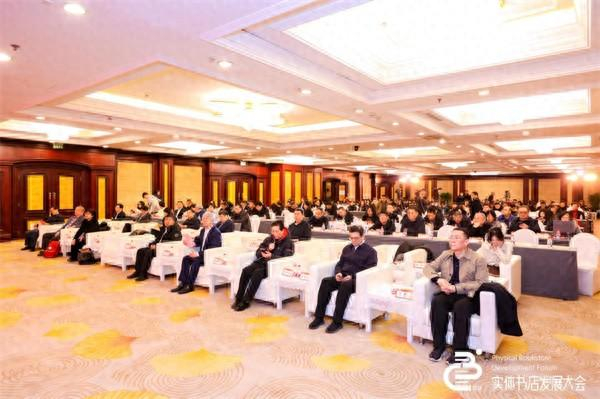
实体书店如何重塑价值?2026实体书店大会召开
Xin Jing Bao· 2026-01-07 10:08
Core Insights - The 2026 Physical Bookstore Development Conference in Beijing focused on the theme "New Era of Reading, New Coordinates for Bookstores," highlighting the industry's transition and future opportunities amid challenges [1] Group 1: Industry Overview - The industry is at a critical juncture characterized by a deep adjustment period, a transition of momentum, and ecological reconstruction, with positive policy changes and upgraded demand dominating the landscape [2] - The implementation of the "National Reading Promotion Regulations" on February 1, 2026, signifies a shift towards legal and regulatory support for reading, providing lasting momentum for industry growth [2] Group 2: Strategic Directions - Bookstores are encouraged to redefine their roles as cultivators of national reading, experience centers for cultural consumption, and innovation hubs for industry ecology, emphasizing digital integration and cross-sector collaboration [2] - The "Reading +" strategy by Anhui Xinhua aims to integrate education, digital technology, and cultural tourism, transforming bookstores into modern reading complexes [3] Group 3: Case Studies and Innovations - Hubei Xinhua's "倍阅" campus bookstore brand has established 29 unique stores in universities, serving as platforms for reading promotion, cultural exchange, and entrepreneurial support, showcasing a replicable model for the industry [4] - The "Bay Area Eye" bookstore exemplifies the transformation into a "city living room," integrating various cultural and technological elements to create a multi-dimensional industry ecosystem [5] - The Daming Bookstore focuses on brand development and community engagement, collaborating with local libraries to enhance accessibility and promote reading [6] Group 4: Product and Service Innovation - The emphasis on product strength is seen as a return to the essence of bookstores, with a focus on professional service and strategic resource integration to support national reading initiatives [7] - The Qingyuan Bookstore has evolved from a small shop to a comprehensive reading space, maintaining its commitment to the unique value of physical bookstores despite challenges [7] - The integration of AI technology in bookstores is viewed as a pathway to sustainable development, addressing issues of competition and profitability while enhancing the reading experience [7]
2026实体书店发展大会:回归阅读本质,拥抱AI技术
Xin Lang Cai Jing· 2026-01-07 04:12
Core Insights - The 2026 Entity Bookstore Development Conference, themed "New Era of Reading, New Coordinates for Bookstores," will be held on January 6, 2026, in Beijing, aiming to explore new paths for high-quality development in the physical bookstore industry [1][28] - The conference marks a significant moment as the "Promotion of National Reading Regulations" will take effect on February 1, 2026, indicating a shift towards legal and systematic support for the industry [4][28] Group 1: Conference Overview - The conference has evolved from a platform for experience exchange to a core hub for policy consensus and innovation in the physical bookstore industry [1] - It is co-hosted by the China Publishing Industry Association, Anhui Xinhua Distribution Group, and Baidao Network, featuring speeches from industry leaders sharing insights and future visions [3][5] Group 2: Industry Challenges and Opportunities - The industry is at a critical juncture characterized by deep adjustments, energy transitions, and ecological reconstructions, facing both challenges and opportunities due to policy support and upgraded demand [4] - The core of the new coordinates for physical bookstores is the redefinition of their functions and values, aiming to become central hubs for promoting national reading and cultural consumption [4][5] Group 3: Case Studies and Innovations - The "倍阅" bookstore brand in Hubei has established 29 unique stores in universities, focusing on reading promotion and cultural exchange, achieving significant sales and recognition [9][10] - The "湾区之眼" bookstore in Shenzhen aims to transform into a cultural hub, with a total area of 131,000 square meters, integrating various cultural and commercial elements [13][14] - The "大梦书屋" brand has expanded to 12 direct stores and over 40 public cultural service spaces, hosting nearly 2,000 reading activities and reaching 8 million readers [16][17] Group 4: Future Directions - The industry is encouraged to embrace digital technology and innovative practices to enhance service efficiency and customer engagement, as demonstrated by the "无料书铺" model focusing on family reading centers and AI integration [25][26] - The conference highlighted the importance of collaboration among bookstores to share resources and develop sustainable business models, fostering a community of support within the industry [28]


5年营收175亿,甘肃省实体书店提质增效成果显现
Xin Lang Cai Jing· 2025-12-18 14:23
Core Insights - Gansu Province's various physical bookstores achieved a total revenue of 17.57 billion yuan from 2020 to 2024, with publication revenue accounting for 14.076 billion yuan, representing 80.11% of total revenue [1][3] - In 2024 alone, the province's physical bookstores generated a revenue of 3.676 billion yuan, with publication profit totaling 172 million yuan, marking a year-on-year growth of 1.97% and 21.99% respectively, indicating a significant improvement in profit growth compared to revenue growth [1][3] Revenue and Profit Analysis - The total publication profit amounted to 894 million yuan, which is 5.09% of total revenue and 6.35% of publication revenue [1][3] - The proportion of publication revenue in Gansu's physical bookstores decreased from 90.98% in 2020 to 74.16% in 2024, while non-book business revenue increased from less than 10% to nearly 26%, reflecting a shift towards a more diversified cultural space [1][3] Store Count and Structure - As of December 2024, Gansu had 2,331 physical bookstores, a growth of 3.83% compared to the end of the 13th Five-Year Plan [1][3] - Among these bookstores, 2,138 (91.72%) are engaged in retailing publications, while 193 (8.28%) are involved in wholesale [1][3] Cultural Activities and Support - From 2022 to 2024, the number of public cultural service activities conducted by Gansu's physical bookstores increased from 443 to 834, with an average annual growth rate of 37.21%, while reading cultural activities rose from 2,196 to 3,013, averaging a growth of 17.13% [2][4] - The provincial government plans to enhance support for physical bookstore development through improved service purchase mechanisms, market expansion, and collaborative cultural initiatives, aiming to strengthen bookstores' roles as community hubs and promote reading activities [2][4]
沈阳昔日最大书店如今仅剩一层 辽宁消费放大招!|栋察楼市早报(12.17)
Sou Hu Cai Jing· 2025-12-17 01:43
Group 1: Decline of Physical Bookstores - The largest bookstore in Shenyang has reduced its operations to just one floor, with the second and third floors converted into free reading rooms [1][3] - The decline of physical bookstores is attributed to changing reading habits influenced by the internet and mobile devices, with a reported closure of 1,200 bookstores nationwide in the first half of 2025, a 61% decrease from 2019 [4] - The survival of physical bookstores is increasingly reliant on non-book-related services, such as cafes and cultural tourism, as traditional book sales diminish [6][9] - The shift in consumer behavior indicates that physical bookstores are becoming less relevant to younger generations, who view them as relics of the past [6][9] Group 2: Northeast Asia Pet Trading Center - The Northeast Asia Pet Trading Center project has been launched in Shenyang, aiming to create a comprehensive platform for live animal trading, smart warehousing, cross-border logistics, and financial services [19][20] - The pet market in China is experiencing significant growth, with an expected market size exceeding 400 billion yuan by 2027, driven by demographic changes and increased demand for companionship [19] - The project is designed to integrate the entire supply chain from breeding to sales, leveraging Liaoning's advantages in live animal resources and cross-border channels [20][23] - The center has already established partnerships with various e-commerce platforms and aims to enhance its service capabilities in the cross-border pet business [21][23] Group 3: Consumption Promotion in Liaoning - Liaoning province is launching a four-month consumption promotion campaign, featuring over 1,500 events to stimulate consumer spending during winter [14][15] - The campaign emphasizes cultural empowerment and technological enhancement, with a focus on traditional cultural themes and diverse consumer experiences [14][16] - Various local businesses are participating, offering discounts and special packages to attract consumers, including a chance to win a BMW car for participants [15][17] Group 4: Cultural Events in Shenyang - Shenyang will host six New Year concerts, featuring renowned orchestras and a variety of classical music pieces, enhancing the cultural landscape of the city [25][26] - The concerts will include performances by prestigious orchestras such as the Vienna Philharmonic and the Armenian National Philharmonic, showcasing a blend of classical and contemporary works [27][28] - These events aim to foster community engagement and celebrate the New Year through music, contributing to the city's cultural vibrancy [25][30]

简直乱套了,社会上冒出六大怪现象,让人无可奈何
Sou Hu Cai Jing· 2025-11-23 20:41
Group 1: Consumer Behavior Changes - The trend of downgraded consumption is becoming mainstream, with high-end brands facing a collective downturn as consumer traffic in premium malls in major cities like Beijing, Shanghai, Guangzhou, and Shenzhen has decreased by 18% year-on-year, while affordable brands like Miniso and NetEase Yanxuan have seen sales surge by 32.6% [1] - This shift is not merely a reaction to economic downturns but reflects a rational awakening among the middle class, as consumers prioritize practical value over symbolic value, leading to anxiety in the luxury goods sector [1] Group 2: Urban Migration Trends - There is a significant net outflow of population from first-tier cities, with 632,000 people leaving Beijing, Shanghai, Guangzhou, and Shenzhen in 2024, while new first-tier cities like Chengdu, Xi'an, and Changsha are experiencing population growth exceeding 500,000 [3] - The high cost of living in first-tier cities, exemplified by a housing price-to-income ratio exceeding 20:1, is driving this migration, as individuals seek more affordable living conditions in emerging cities [3] Group 3: Revival of Physical Bookstores - The number of physical bookstores in China has increased by 6,700 in 2024, with hybrid bookstores achieving a customer spending rate 1.85 times higher than traditional bookstores [3] - The social aspect of these bookstores, such as coffee areas and community events, is a key factor in their success, indicating a desire for real social interactions in a digital age [3] Group 4: Resurgence of Traditional Crafts - The revival of traditional crafts is being led by younger generations, with 67% of artisans on Douyin being post-95s, highlighting a shift towards valuing craftsmanship over fast consumption [5] - This trend suggests a changing societal definition of success, as young people are willing to pursue less lucrative but personally fulfilling careers in traditional crafts [5] Group 5: Digital Detox Movement - A digital detox movement is emerging among young people, with daily internet usage among the 18-25 age group decreasing from 6.2 hours to 5.6 hours in 2023, and sales of feature phones increasing by 85% [6] - This trend reflects a backlash against excessive digitalization, as individuals seek to improve their quality of life and work efficiency by reducing screen time [6] Group 6: Rise of Flexible Employment - The number of freelancers in China has reached 240 million, with 35% identifying as "slash youth," indicating a shift away from traditional career paths [8] - This flexible income model allows individuals to diversify their income sources, but it also raises concerns about social security coverage and job stability for this vulnerable group [8] Group 7: Interconnected Social Phenomena - The various trends observed, such as downgraded consumption, urban migration, bookstore revival, traditional craft resurgence, digital detox, and flexible employment, are interconnected and reflect a broader societal redefinition of what constitutes a good life [10] - These phenomena indicate a societal progression rather than mere anomalies, prompting a reevaluation of existing systems and policies to align with these changes [11][15]