
实体店

Search documents
我国人口多达14亿,各行业生意却越做越难,问题出在哪里了?
Sou Hu Cai Jing· 2025-11-07 05:15
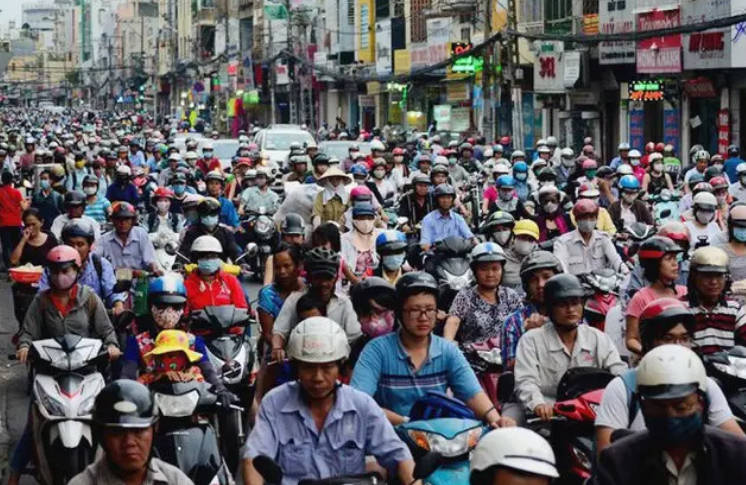
Core Insights - Despite China's large population and robust consumer market, businesses across various sectors are facing increasing difficulties, which is perplexing given the favorable market conditions [1] Industry Analysis - Significant monopolistic practices exist in key industries such as oil, telecommunications, tobacco, and electricity, which are highly profitable yet exclude private capital, intensifying competition in traditional sectors [3] - The repeated impacts of the COVID-19 pandemic have severely affected industries like dining, entertainment, tourism, and retail, contributing to a general economic downturn [6] - Rising prices due to imported inflation and increased production costs have suppressed consumer demand, leading to a contraction in the market [8] - High mortgage burdens on consumers have diminished disposable income, limiting their spending capacity and negatively impacting sales performance across industries [10] - The surge in competition from a growing number of entrepreneurs entering traditional sectors, coupled with a shrinking consumer demand, has created an oversupply situation, making it increasingly challenging for businesses to thrive [10]

外卖和电商破坏了实体经济?有人建议将二者取消,能行得通吗?
Sou Hu Cai Jing· 2025-10-23 02:17
Core Insights - The physical retail sector is facing significant challenges due to the rise of e-commerce and food delivery services, leading to a decline in foot traffic and store viability [5][9][13] - The oversupply of commercial properties and increased competition among new entrepreneurs are also critical factors contributing to the struggles of brick-and-mortar businesses [8][11] Group 1: Impact of E-commerce and Delivery Services - The rapid growth of e-commerce and food delivery platforms has shifted consumer behavior, with more people opting for online shopping and takeout instead of visiting physical stores [5][9] - The emergence of these platforms has resulted in a decline in food quality and increased competition, as businesses lower prices to attract customers, often compromising on quality [9][11] Group 2: Market Dynamics and Competition - The construction of numerous commercial properties has led to an oversupply in the market, making it difficult for existing businesses to thrive [5][8] - An influx of young entrepreneurs seeking to open their own businesses has intensified competition in sectors with low entry barriers, such as cafes and retail stores, further straining profitability [7][8] Group 3: Employment Trends - Despite the challenges faced by physical stores, the rise of e-commerce and delivery services has created millions of jobs, with projections indicating that the number of delivery workers could exceed 22 million by 2024 [11][13] - The growth of internet-based jobs, including delivery and e-commerce roles, has become a significant avenue for employment, especially for recent graduates [11][13]

关于创业,我能劝一个是一个
Hu Xiu· 2025-08-01 03:33
Core Viewpoint - The article discusses the challenges and strategies for employees transitioning to entrepreneurship, emphasizing the importance of experience and direction in the entrepreneurial journey [1][3][4]. Group 1: Entrepreneurial Strategies - The safest way for employees to start a business is to first gain experience through a side hustle while maintaining their full-time job, only transitioning to full-time entrepreneurship when side income exceeds primary income [6][7]. - Directly quitting a job to start a business without prior experience is risky, but can lead to faster success if the right direction is found [10][11]. - Many entrepreneurs invest in courses to find the right direction, as even one effective course can significantly impact their business success [18][19]. Group 2: Learning from Experience - Gaining experience by working in the desired industry can help avoid pitfalls and provide insights into the business operations and customer needs [29][30]. - An example is given of an individual who worked in coffee shops to understand the industry before deciding against opening a café, which is seen as a successful learning experience [25][26]. Group 3: Financial Considerations - Entrepreneurs are advised to avoid debt, as financial strain from borrowing can lead to a more stressful and uncertain situation compared to simply losing initial capital [46][49]. - The emotional burden of debt is contrasted with the relief of losing only invested capital, highlighting the importance of financial prudence in entrepreneurship [52][54].
