
新能源整车

Search documents
主题形态学输出0327:减肥药主题底部反转
Huafu Securities· 2026-03-31 07:29
Core Insights - The report identifies a bottom reversal in the weight loss drug theme, indicating potential investment opportunities in this sector [1][3]. Group 1: Theme Outputs - New themes identified include lithium mining, which has shown a right-side breakout [3][6]. - Ongoing trends include hydropower, which has been classified under a right-side trend [3][9]. - New themes showing signs of bottom stabilization include new energy vehicles, robotics, national team stocks, and Hang Seng automotive [3][14]. - Newly identified themes indicating bottom reversal include weight loss drugs, cross-strait integration, low-priced small-cap stocks, and car paint [3][16]. Group 2: Right-Side Breakout Opportunities - Lithium mining index has a 5% fund holding ratio, with a 5-day increase of 17% and a year-to-date increase of 3% [7]. - Photovoltaic inverter index has a 10% fund holding ratio, with a 5-day decrease of 5% but a year-to-date increase of 12% [7]. Group 3: Right-Side Trend Opportunities - Hydropower index has a 3% fund holding ratio, with a 5-day increase of 5% and a year-to-date increase of 11% [9]. Group 4: Bottom Stabilization Opportunities - New energy vehicle index has a 2% fund holding ratio, with a 5-day increase of 0% and a year-to-date decrease of 5% [14]. - Robotics index has a 4% fund holding ratio, with a 5-day increase of 1% and a year-to-date decrease of 13% [14]. - National team index has a 4% fund holding ratio, with a 5-day decrease of 2% and a year-to-date decrease of 5% [14]. Group 5: Bottom Reversal Opportunities - Weight loss drug index has a 7% fund holding ratio, with a 5-day increase of 2% and a year-to-date decrease of 5% [16]. - CAR-T therapy index has a 7% fund holding ratio, with a 5-day increase of 1% and a year-to-date decrease of 2% [16]. - Innovative drug index has a 7% fund holding ratio, with a 5-day increase of 3% and a year-to-date decrease of 3% [16].
透过“税”数据读懂"十四五"经济社会绿色转型加速推进
Yang Shi Wang· 2026-02-10 02:10
Group 1 - During the "14th Five-Year Plan" period, the manufacturing industries of important green products such as new energy vehicles, photovoltaic equipment and components, lithium-ion batteries, and solar appliances have an average annual sales growth rate of over 30% [3] - The sales revenue of green technology service industries, including new energy, energy-saving, and environmental protection, has increased by an average of 51.1%, 28.5%, and 18.2% respectively [3] - The ecological protection and environmental governance industry has seen an average annual sales growth of 13.2%, providing technical support for green transformation [3] Group 2 - By 2025, the sales revenue from clean energy generation, including wind, solar, hydro, and nuclear power, is expected to account for 42.6% of total power generation sales revenue, an increase of 7.2 percentage points compared to the end of the "13th Five-Year Plan" [5] - The sales revenue from wind and solar power generation is projected to grow at an average annual rate of 25.4% during the "14th Five-Year Plan" period [5] Group 3 - Since the implementation of the environmental protection tax in 2018, a total of 111.06 billion yuan in tax reductions and exemptions have been granted nationwide [7] - By 2025, the environmental protection tax revenue from key regulated air pollutants, such as sulfur dioxide and nitrogen oxides, is expected to decrease by 33.8% and 34.03% respectively compared to 2020 [7] Group 4 - In 2025, the amount of groundwater extracted by taxpayers in pilot areas for the water resource fee reform is expected to be 5.47 billion tons, a decrease of 7.1% compared to 2024 [9] - The special water usage for golf courses, ski resorts, car washes, and bathing facilities is projected to decline by 34.3% compared to 2024, promoting water resource conservation and ecological protection [9]

中国经济社会绿色转型加快
Ren Min Ri Bao Hai Wai Ban· 2026-02-10 02:01
Core Viewpoint - China's economic and social green transformation is accelerating, driven by structural optimization in industries, energy, and transportation, along with effective tax policies promoting emission reduction and water conservation [2][3]. Industry Structure - The proportion of "dual high" industries is continuously decreasing, while green and low-carbon industries are developing well. During the 14th Five-Year Plan period, key green product manufacturing sectors such as new energy vehicles, photovoltaic equipment, lithium-ion batteries, and solar appliances are expected to see annual sales growth rates exceeding 30% [2]. - Sales revenue in green technology service industries, including new energy, energy-saving, and environmental protection, is projected to grow annually by 51.1%, 28.5%, and 18.2% respectively, while ecological protection and environmental governance industries are expected to grow by 13.2% annually [2]. Energy Structure - The share of clean energy is steadily increasing, with high-energy-consuming manufacturing industries optimizing their energy use. By 2025, sales revenue from clean energy generation, including wind, solar, hydro, and nuclear power, is expected to account for 42.6% of total power generation revenue, an increase of 7.2 percentage points from the end of the 13th Five-Year Plan [2]. - Sales revenue from wind and solar power generation is projected to grow at an annual rate of 25.4% during the 14th Five-Year Plan period [2]. Transportation Structure - The new energy vehicle industry is experiencing strong growth, with an increase in the proportion of railway and waterway freight. By 2025, domestic sales of new energy vehicles are expected to grow by 25.9% year-on-year [2]. Pollution Reduction and Water Conservation - The environmental protection tax policy has released tax reduction benefits, with cumulative tax reductions amounting to 111.06 billion yuan since its implementation in 2018. This includes 59.945 billion yuan for promoting centralized treatment and improving pollution control efficiency, 24.37 billion yuan for promoting clean production, and 26.134 billion yuan for enhancing governance efficiency [3]. - The number of urban and rural sewage and solid waste treatment plants benefiting from environmental tax incentives is expected to increase from 5,589 in 2021 to 6,415 by 2025 [3]. - By 2025, the environmental tax revenue from key air pollutants such as sulfur dioxide and nitrogen oxides is projected to decrease by 33.8% and 34.03% respectively compared to 2020 [3]. - The pilot program for converting water resource fees to taxes is expected to yield positive results, with a projected 7.1% decrease in underground water extraction in new pilot areas by 2025, totaling 5.47 billion tons [3].
数据显示我国经济社会绿色转型加速推进
Ke Ji Ri Bao· 2026-02-10 00:18
Group 1 - During the "14th Five-Year Plan" period, the manufacturing industries of key green products such as new energy vehicles, photovoltaic equipment, lithium-ion batteries, and solar appliances have an average annual sales growth rate of over 30% [1] - China has maintained its position as the world's largest producer and seller of new energy vehicles for ten consecutive years, with a projected year-on-year growth of 25.9% in domestic new energy vehicle sales by 2025 [1] - The sales revenue share of five high-energy-consuming industries, including petroleum, coal, and other fuel processing, has decreased from 27% at the end of the "13th Five-Year Plan" to 24.9% at the end of the "14th Five-Year Plan" [1] Group 2 - The sales revenue of green technology service industries, including new energy, energy-saving, and environmental protection, has grown at an average annual rate of 51.1%, 28.5%, and 18.2% respectively during the "14th Five-Year Plan" [1] - By 2025, the sales revenue from clean energy generation, including wind, solar, hydro, and nuclear power, is expected to account for 42.6% of total power generation sales revenue, an increase of 7.2 percentage points from the end of the "13th Five-Year Plan" [1] - The sales revenue from wind and solar power generation is projected to grow at an average annual rate of 25.4% during the "14th Five-Year Plan" [1] Group 3 - The environmental protection tax policy has released tax reduction benefits, with a cumulative implementation of 111.06 billion yuan in tax reductions since its introduction in 2018 [2] - The number of urban and rural sewage and solid waste treatment plants benefiting from environmental protection tax incentives has increased from 5,589 in 2021 to 6,415 by 2025 [2] - The revenue from environmental protection taxes on major air pollutants, such as sulfur dioxide and nitrogen oxides, is expected to decrease by 33.8% and 34.03% respectively by 2025 compared to 2020 [2] Group 4 - The water resource fee reform has shown significant results, with the amount of underground water extracted in new pilot areas decreasing by 7.1% to 5.47 billion tons by 2025 [2] - Special water usage in golf courses, ski resorts, car washes, and bathing facilities has decreased by 34.3% compared to 2024 [2] - The collaboration between policy guidance and business initiatives has led to substantial progress in green transformation, reinforcing ecological safety and promoting sustainable economic development [2]
税收数据显示我国经济社会绿色转型加速推进
Qi Huo Ri Bao Wang· 2026-02-09 23:14
Group 1 - The core viewpoint of the articles highlights the continuous optimization of China's industrial and energy structure, driven by tax policies that promote green and low-carbon industries [1][2] - During the "14th Five-Year Plan" period, key green product manufacturing industries such as new energy vehicles, photovoltaic equipment, and lithium-ion batteries have seen annual sales revenue growth rates exceeding 30% [1] - The sales revenue of green technology services, including new energy, energy-saving, and environmental protection, has grown annually by 51.1%, 28.5%, and 18.2% respectively, supporting the green transition [1] Group 2 - The proportion of clean energy is steadily increasing, with sales revenue from clean energy sources expected to account for 42.6% of total power generation revenue by 2025, an increase of 7.2 percentage points from the end of the "13th Five-Year Plan" [1] - The annual sales revenue growth for wind and solar power during the "14th Five-Year Plan" period is projected to be 25.4% [1] - Since the implementation of the environmental protection tax in 2018, a total of 111.06 billion yuan in tax reductions has been granted, promoting pollution control and clean production [2]
税务总局:“十四五”期间我国绿色低碳产业发展良好
Zhong Guo Jing Ying Bao· 2026-02-09 16:06
Core Insights - During the "14th Five-Year Plan" period, five high-energy-consuming industries, including petroleum, coal, and other fuel processing, have seen their average annual sales growth rate fall below the industrial average by 1.8 percentage points [1] - The share of these industries in total industrial sales revenue decreased from 27% at the end of the "13th Five-Year Plan" to 24.9% by the end of the "14th Five-Year Plan" [1] - In contrast, key green product manufacturing sectors, such as new energy vehicles, photovoltaic equipment, and lithium-ion batteries, have experienced average annual sales growth rates exceeding 30% [1] - Green technology service industries, including new energy, energy-saving, and environmental protection, reported average annual sales growth rates of 51.1%, 28.5%, and 18.2% respectively [1] - The ecological protection and environmental governance sector achieved an average annual sales growth rate of 13.2%, providing technical support for green transformation [1] Industry Analysis - The robust growth of the green industry and the continuous release of transformation dividends are attributed to the collaboration between policy guidance and business entities [1] - The successful outcomes of China's green transition not only strengthen ecological safety but also promote economic development towards a green and low-carbon model, injecting sustainable momentum into high-quality development [1]
税收大数据:我国经济社会绿色转型加速推进
Bei Jing Shang Bao· 2026-02-09 06:12
Group 1 - During the "14th Five-Year Plan" period, the manufacturing industries of key green products such as new energy vehicles, photovoltaic equipment, lithium-ion batteries, and solar appliances have an average annual sales revenue growth rate exceeding 30% [1] - The sales revenue of green technology services, including new energy, energy-saving, and environmental protection, has an average annual growth of 51.1%, 28.5%, and 18.2% respectively, while the ecological protection and environmental governance industry has an average annual growth of 13.2% [1] - By 2025, the sales revenue from clean energy generation, including wind, solar, hydro, and nuclear power, is expected to account for 42.6% of total power generation sales revenue, an increase of 7.2 percentage points from the end of the "13th Five-Year Plan" [1] Group 2 - Since the implementation of the environmental protection tax in 2018, a total of 111.06 billion yuan has been granted in tax incentives [2] - By 2025, the revenue from environmental protection taxes on key air pollutants such as sulfur dioxide and nitrogen oxides is projected to decrease by 33.8% and 34.03% respectively compared to 2020 [2] - In 2025, the amount of groundwater extracted in pilot areas for the water resource fee reform is expected to be 5.47 billion tons, a decrease of 7.1% from 2024 [2]
2026定增战场硝烟四起!多位知名基金经理现身
券商中国· 2026-02-04 01:05
Core Viewpoint - The new fiscal year sees renewed participation of funds in private placements, with a focus on industries such as manufacturing, new energy, and information technology, indicating a growing recognition of the long-term value of private placements [2][4]. Group 1: Fund Participation in Private Placements - Notable fund managers are actively participating in private placement projects, with examples including Zhang Qinghua's management of multiple funds involved in projects like Maigemit and Beiqi Blue Valley [3]. - Funds managed by Lin Guohua and Zhou Weiwen are also participating in various projects, indicating a trend towards strategic investments in sectors like new energy and manufacturing [3]. Group 2: Market Trends and Regulatory Environment - Over 70% of the financing in private placements is directed towards new productive forces, highlighting a shift towards investing in China's industrial upgrade [4]. - The regulatory environment is becoming increasingly stringent, promoting transparency and quality in the private placement market, which is expected to enhance the long-term value of these investments [4][5]. Group 3: Policy Support and Strategic Investor Inclusion - The China Securities Regulatory Commission has proposed including institutional investors like public funds and pension funds as strategic investors, mandating a minimum 5% shareholding in listed companies [5]. - This policy change is anticipated to increase the activity and scale of the pricing-based private placement market, while also encouraging long-term investment strategies [5].

获易方达重仓22亿,北汽蓝谷此次有何不同?
Ge Long Hui· 2026-01-29 11:38
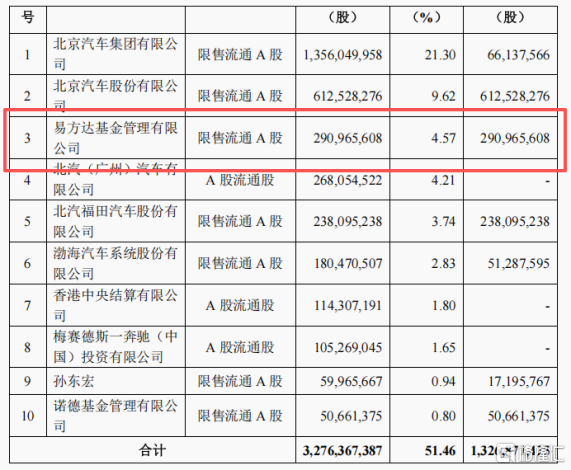
Core Viewpoint - The significant investment of 2.2 billion by E Fund in Beiqi Blue Valley, representing 36.67% of the total fundraising, indicates strong confidence in the company's potential for a turnaround in the competitive new energy vehicle market [1][19]. Group 1: Financial Performance and Growth - Beiqi Blue Valley is projected to incur a loss of 4.35 to 4.65 billion in 2025, with a reduction in losses by 33% to 37%, marking the best performance in six years [5]. - The company expects to sell 209,600 vehicles in 2025, a significant year-on-year increase of 84.06%, with revenue projected to reach approximately 28 billion, reflecting a 93% growth [5]. - The gross margin turned positive for the first time at 1.8% in Q3 2025, breaking the previous cycle of losses [6]. - Operating cash flow turned positive with a net amount of 754 million in the first three quarters of 2025, indicating improved financial health [7]. Group 2: Strategic Positioning and Market Dynamics - Beiqi Blue Valley is transitioning from a traditional automaker to a technology-driven company with dual brand strategies, supported by Huawei, focusing on both family vehicles and luxury segments [9][10]. - The "Extreme Fox" brand achieved a monthly sales record of over 24,000 units in December 2025, with an annual total of over 160,000 units, reflecting a 99% year-on-year growth [9]. - The "Enjoy" brand, developed in collaboration with Huawei, is gaining traction in the luxury car market, with significant sales milestones achieved [9]. Group 3: Investment Sentiment and Market Perception - The concentration of investment in Beiqi Blue Valley, with E Fund alone accounting for 36.67% of the total, suggests a strong commitment and thorough due diligence by institutional investors [15][16]. - The recent fundraising round saw 23 institutions competing, with a final issuance price of 7.56 yuan, reflecting a premium over the base price, indicating positive market sentiment [13][19]. - E Fund's investment strategy aligns with its historical approach of partnering with industry leaders, suggesting a long-term commitment to Beiqi Blue Valley's growth potential [11][19].

多元布局服务实体经济发展
Jin Rong Shi Bao· 2026-01-08 02:25
Core Viewpoint - The company focuses on managing non-performing assets while supporting the real economy through financial innovation and strategic alignment with national policies [1] Group 1: Focus on Livelihood Security - The company has established a state-owned land asset revitalization fund in collaboration with Zhuhai Huafa, investing in a "non-residential to residential" rental housing project in Zhuhai, alleviating local housing supply and demand issues [2] - The company is actively involved in urban renewal projects, including the Wuxi Liangxi Science and Technology City, and is committed to enhancing affordable housing and industrial park sectors [2] - The company supports the capital economy by innovating financial revitalization solutions, exemplified by the successful implementation of the Shoufang City Development project, which enhances the delivery capacity of housing and aligns with the "guarantee delivery" policy [2] Group 2: Layout in New Energy - The company collaborates with Tongwei Co., a global leader in polysilicon, to strengthen its core subsidiary's capital and financial structure, enhancing competitiveness in the high-purity silicon industry [3] - In the new energy vehicle sector, the company partners with Seres Automotive to provide financial support for innovation and development, facilitating the green transformation and high-quality growth of the automotive industry [3] Group 3: Empowering Innovation through Technology Finance - The company has increased support for the technology sector, successfully launching the first batch of data center REITs, demonstrating its commitment to high-quality development of private listed companies [4] - The company tracks opportunities in technology-intensive industries such as integrated circuits and commercial aerospace, providing comprehensive financial services to help tech companies overcome technical bottlenecks [4] - The company collaborates with state-owned enterprises to stabilize the economy and improve efficiency, participating in restructuring efforts for companies like Galaxy Paper, aiding in asset integration and structural upgrades [4]