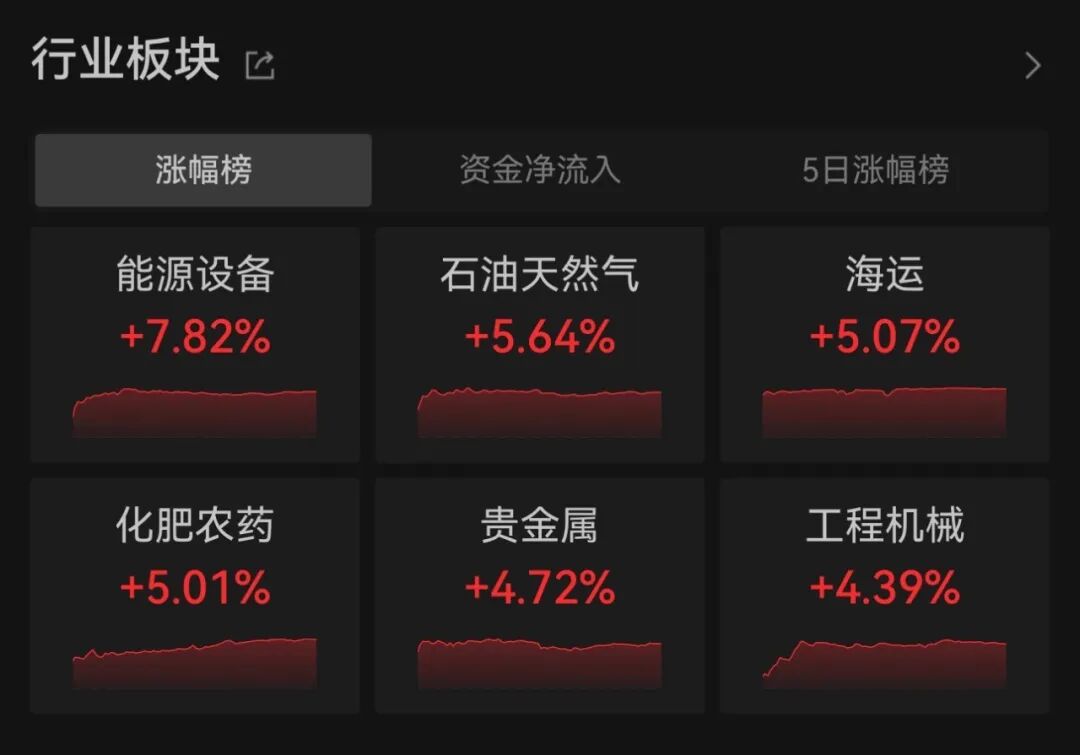
油气开采及服务

Search documents
突袭!2000亿新消费龙头,午后闪崩暴跌超20%!什么情况?沪指重回3900,市场连续百股涨停...
雪球· 2026-03-25 07:52
Core Viewpoint - The article discusses the recent market fluctuations, focusing on the significant drop in Pop Mart's stock price despite strong financial results, and highlights the contrasting performance of gold and oil sectors due to geopolitical tensions in the Middle East [2][4][10]. Group 1: Pop Mart Financial Performance - Pop Mart reported a revenue of 37.12 billion RMB for 2025, a year-on-year increase of 184.7%, and an adjusted net profit of 13.08 billion RMB, up 284.5% [6][8]. - The gross margin improved from 66.8% in 2024 to 72.1% in 2025, with gross profit increasing from 8.7 billion RMB to 26.76 billion RMB, an increase of over 18 billion RMB [6][8]. - The overseas revenue reached 16.27 billion RMB, a remarkable growth of 291.9%, accounting for 43.8% of total revenue, up from 31.8% in 2024 [7][8]. - Despite these strong results, the stock price fell over 20% due to concerns about the company's heavy reliance on a single core IP, Labubu, and lack of revenue diversification [4][9]. Group 2: Market Reactions to Geopolitical Events - The article notes that the market is reacting to the easing tensions in the Middle East, which led to a decline in oil prices by over 3% while gold prices surged [11][16]. - Gold stocks such as Chifeng Jilong Gold and Zhongjin Gold saw increases of over 6% and 3%, respectively, reflecting a strong performance in the precious metals sector [12][13]. - Conversely, the oil and gas sector experienced declines, with companies like Tongyuan Petroleum and China Petroleum seeing drops of over 6% [14][15]. Group 3: Emerging Trends in Power and Computing - The article highlights the emergence of the "computing and electricity synergy" concept, with companies like Huadian Liaoning Energy experiencing significant stock gains [17][18]. - The synergy aims to integrate digital technology with power systems, promoting efficient resource allocation and supporting green energy initiatives [20][21]. - National policies are being developed to enhance the role of green electricity in computing infrastructure, indicating a potential growth area for companies involved in this sector [20][21].


A股收评:三大指数均跌超3% 北证50跌超5%
新浪财经· 2026-03-23 09:47
Market Overview - The market experienced a significant downturn on March 23, with all three major indices dropping over 3%, and the North Stock 50 index falling more than 5% [2] - The coal sector showed strong performance, with companies like Yunmei Energy and Liaoning Energy hitting the daily limit up [2] - Conversely, the tourism sector saw substantial declines, with multiple stocks such as Sanxia Tourism and Guilin Tourism hitting the daily limit down [2] - Overall, nearly 5200 stocks in the two markets declined, indicating a broad market sell-off [2] Sector Analysis Coal Sector - CITIC Securities reported that ongoing geopolitical conflicts in the Middle East have led to sustained increases in international oil and gas prices [3] - Despite short-term demand challenges for thermal coal, chemical coal demand is expected to continue, supporting a rebound in coal prices [3] - The outlook for coking coal prices remains positive due to improved short-term demand, and the sector is expected to perform well [3] Oil and Gas Sector - Goldman Sachs has raised its 2026 oil price forecast due to extended disruptions in transportation through the Strait of Hormuz and heightened concerns about global supply concentration [4] - The firm anticipates that persistent inflationary pressures will support commodity-related currencies and increase market concerns regarding central bank policies [4] Institutional Perspectives - Analysts from Industrial Securities noted that recent market adjustments stem from two main concerns: the risk of economic "stagflation" and the potential escalation of conflicts, both of which may not represent the final outcome of the current situation [8] - They suggest that an escalation in conflict could paradoxically create opportunities for market recovery, as the most pessimistic sentiments often precede market rebounds [8] - Galaxy Securities analysts believe that the duration and evolution of geopolitical conflicts remain uncertain, which will continue to disrupt global risk assets in the short term [9] - They expect the A-share market to have limited downside, likely experiencing oscillations and structural rotations to absorb external pressures [9]

煤炭、化工板块逆势爆发
第一财经· 2026-03-12 03:49
Market Overview - The A-share market showed a downward trend with the Shanghai Composite Index down 0.64% to 4106.96, the Shenzhen Component Index down 1.35% to 14270.35, and the ChiNext Index down 1.67% to 3293.49 [2][3] - The total trading volume in the Shanghai and Shenzhen markets reached 1.59 trillion, a decrease of 738 billion compared to the previous trading day, with nearly 4200 stocks declining [4] Sector Performance - The military, precious metals, machinery, semiconductor, and power generation equipment sectors experienced significant declines [2] - Conversely, the coal, chemical, and gas sectors showed resilience, with coal mining and processing up 4.19%, chemical fiber up 3.43%, and oil and gas extraction and services up 2.50% [4] Notable Stocks - In the gas sector, stocks like DeLong Energy hit the daily limit, while Shenzhen Gas and other related companies also saw gains [5] - The coal sector saw strong performance with Yanzhou Coal Mining hitting the daily limit and other companies like China Coal Energy and Electric Power Investment Energy rising over 6% [6] Commodity Prices - The price of low-sulfur fuel oil futures surged nearly 20%, while crude oil rose over 14% and fuel oil increased over 13% [7] - Brent crude oil futures jumped 9%, surpassing $100 per barrel due to disruptions at a key port in Oman [4] Emerging Trends - The photovoltaic equipment sector saw initial gains, with companies like First航新能源 reaching new highs and Zheng泰电源 hitting the daily limit [8] - The chemical sector remained active, with stocks like Sanfangxiang hitting the daily limit and other companies showing strong openings [9]

刺激!一度飙升30%!油价坐上过山车!能源危机发酵,G7紧急出手!或将释放3-4亿桶石油储备...
雪球· 2026-03-09 08:32
Group 1: Market Impact - The ongoing geopolitical conflict in the Middle East has led to significant market volatility, with Japanese and South Korean stock markets experiencing sharp declines, while the A-share market showed a recovery after initial drops [2][10] - The A-share market saw the ChiNext Index and Shenzhen Component Index drop over 3% at one point, with the Shanghai Composite Index closing down 0.67% and total trading volume reaching 2.65 trillion yuan, an increase of 447.4 billion yuan from the previous trading day [2][3] Group 2: Oil Price Fluctuations - Oil prices have experienced extreme volatility, with a significant spike in the morning followed by a sharp decline in the afternoon due to discussions among G7 nations about releasing emergency oil reserves [5][8] - The price of light crude oil futures reached nearly $119 per barrel, marking a substantial increase of nearly 30% during the week, attributed to the ongoing conflict affecting oil transport in the Strait of Hormuz [7][8] Group 3: Sector Performance - The oil and gas sector remained highly active, with companies like China National Offshore Oil Corporation and others showing notable gains despite the overall market downturn [3][5] - Conversely, the airport and shipping sectors faced significant declines, and technology stocks were generally under pressure due to rising energy costs impacting manufacturing [3][11] Group 4: AI and Cloud Computing - The emergence of OpenClaw, an AI tool, has sparked interest in the A-share cloud service sector, leading to substantial gains for companies involved in cloud computing and computing power leasing [14][17] - OpenClaw's rapid rise in popularity, achieving over 248,000 stars on GitHub, indicates a growing trend towards AI applications in various industries, potentially increasing demand for computing power [17]

历史首次!“三桶油”集体封板
格隆汇APP· 2026-03-02 10:13
Core Viewpoint - The article discusses the impact of the Middle East conflict on the Chinese stock market, highlighting significant movements in oil and related sectors, as well as the overall market sentiment and performance. Group 1: Market Performance - On Monday, the Shanghai Composite Index closed up 0.47%, with a trading volume reaching 30 trillion yuan [2] - The "three oil giants" in China all hit the daily limit for the first time in history due to the conflict [2] - Specific stocks like Zhonggang Petroleum, Baiqin Oil Services, and Shandong Molong saw intraday gains of 145%, 107%, and 116% respectively [4] Group 2: Sector Performance - Oil and gas, shipping, military, and precious metals sectors experienced a surge, while cultural media, software, and internet sectors declined [6] - The oil and gas extraction and service sector rose by 12.23%, precious metals by 10.69%, and military electronics by 3.23% [7] Group 3: Oil Price Dynamics - Brent crude oil opened at around $82, up nearly 13%, while WTI crude rose over 10% to $75 per barrel [8] - The closure of the Strait of Hormuz by the Iranian Revolutionary Guard has significantly impacted oil prices, as this strait is crucial for global oil transport [12][13] - Approximately 20%-30% of global oil consumption passes through the Strait, with China importing about 4.78 million barrels per day through this route, accounting for 43.5% of its total imports [14] Group 4: Future Implications - Goldman Sachs predicts that if the Strait remains closed for a month, the fair value of crude oil could rise by $15 per barrel [18] - The market's initial reaction to the conflict has been volatile, with oil prices fluctuating significantly within a short time frame [20][21] - As the situation evolves, the potential for a prolonged conflict appears to be decreasing, which may stabilize oil prices [24][25] Group 5: Impact on Chinese Assets - The article suggests that concerns over the stock market may be overstated, as the A-share market has shown resilience compared to global markets [33] - The Hong Kong stock market, being more sensitive to overseas liquidity changes, has experienced greater volatility and declines during geopolitical tensions [35] - The Hang Seng Technology Index has entered a technical bear market, reflecting broader market challenges [36]


彻底爆了!万亿巨头集体狂飙,“三桶油”历史上首次集体报收涨停!高盛警告:冲突的持续时间已取代爆发本身!
雪球· 2026-03-02 07:54
Core Viewpoint - The article discusses the impact of escalating geopolitical conflicts in the Middle East on the stock market, particularly highlighting the performance of the oil and gas sector, as well as the implications for various industries and market sentiment [2][16]. Market Performance - Major indices showed mixed results, with the Shanghai Composite Index rising by 0.47%, while the Shenzhen Component Index and the ChiNext Index fell by 0.2% and 0.49%, respectively [2]. - The total trading volume in the Shanghai and Shenzhen markets reached 30,458 billion yuan, an increase of 5,403 billion yuan from the previous day, with over 4,200 stocks declining [3]. Oil and Gas Sector - The oil and gas sector experienced a significant surge, with the "Big Three" oil companies (China National Offshore Oil Corporation, China Petroleum, and China Petrochemical) collectively hitting their daily price limit for the first time in history [4][5]. - The conflict in the Middle East has led to a halt in shipping through the Strait of Hormuz, which is crucial for global energy trade, affecting approximately 20.3 million barrels per day, accounting for about 20% of global consumption [7]. - Brent crude oil prices surged nearly 13% to around $82 per barrel due to the conflict, directly catalyzing the performance of the oil and gas sector [8]. Shipping and Transportation - The ongoing conflict has also impacted global shipping trade, with shipping indices and oil transportation stocks experiencing significant gains [9]. - Daily rental rates for Very Large Crude Carriers (VLCC) on the Middle East to China route have exceeded $170,000, marking a substantial increase since the beginning of the year [11]. AI and Military Technology - Stocks in the AI and military technology sectors have shown strong performance, with companies like Huaru Technology and Guankai Technology seeing significant gains [12][13]. - The integration of AI tools in military operations has been highlighted, with reports indicating that the U.S. military has been utilizing AI for intelligence assessments and operational planning [15]. Market Outlook - The ongoing U.S.-Iran conflict is expected to have a prolonged impact on market dynamics, with Goldman Sachs indicating that the duration of the conflict will be a key variable affecting oil prices and stock market performance [17]. - In the short term, geopolitical tensions typically lead to increased volatility and a shift in capital towards safe-haven assets like gold and U.S. Treasuries, while the stock market may face downward pressure [18].

A股2月收官:三大指数涨跌不一,沪指、深证成指3连阳!小金属板块大涨24.71%
Ge Long Hui A P P· 2026-02-27 07:40
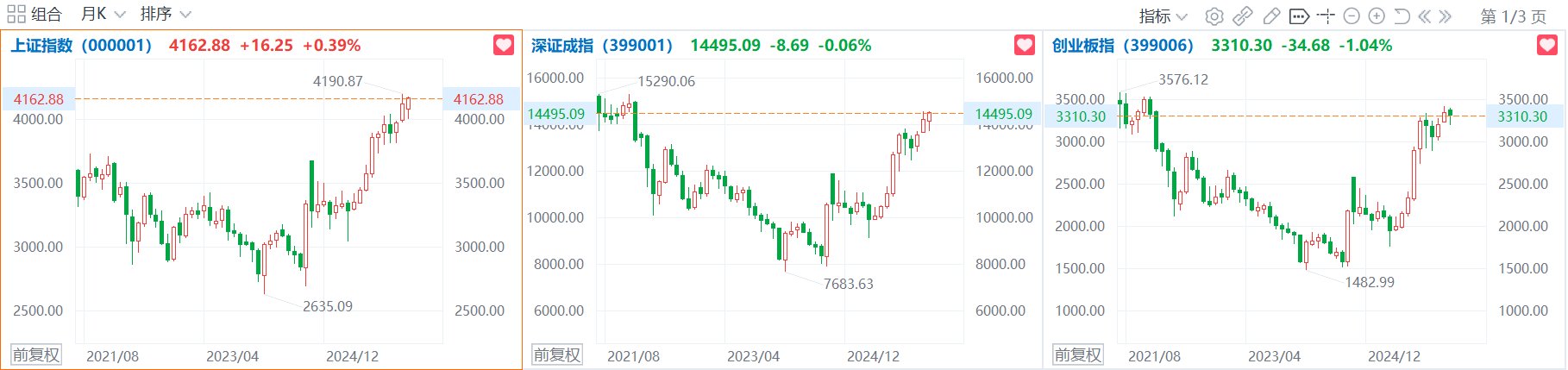
Group 1 - The A-share market showed mixed performance in February, with the Shanghai Composite Index rising by 1.09% to 4162 points, the Shenzhen Component Index increasing by 2.04% to 14495 points, while the ChiNext Index fell by 1.08% to 3310 points [1] - The top five performing sectors over the past 20 trading days included: small metals up 24.71%, oil and gas extraction and services up 21.44%, zinc metals up 17.23%, fiber optic concepts up 14.83%, and BC batteries up 14.8% [1] - The bottom five performing sectors during the same period were: newly listed sci-tech stocks down 5.87%, duty-free shops down 4.73%, DRG/DIP down 4.62%, electronics down 4.41%, and food processing and manufacturing down 4.3% [1] Group 2 - The top five individual stocks in February were: Electric Science Blue Sky up 640.97%, Aide Technology up 153.46%, Haiseng Medical up 149.92%, Beixin Life up 135.05%, and YN Holdings up 115.16% [1] - The bottom five individual stocks during the same period were: Kaipu Cloud down 47.71%, *ST Guohua down 45.32%, *ST Jinglun down 30.48%, ST Cuihua (rights protection) down 30.37%, and *ST Huike (rights protection) down 30.36% [1]


今天,超4000只个股上涨
Sou Hu Cai Jing· 2026-02-25 12:10
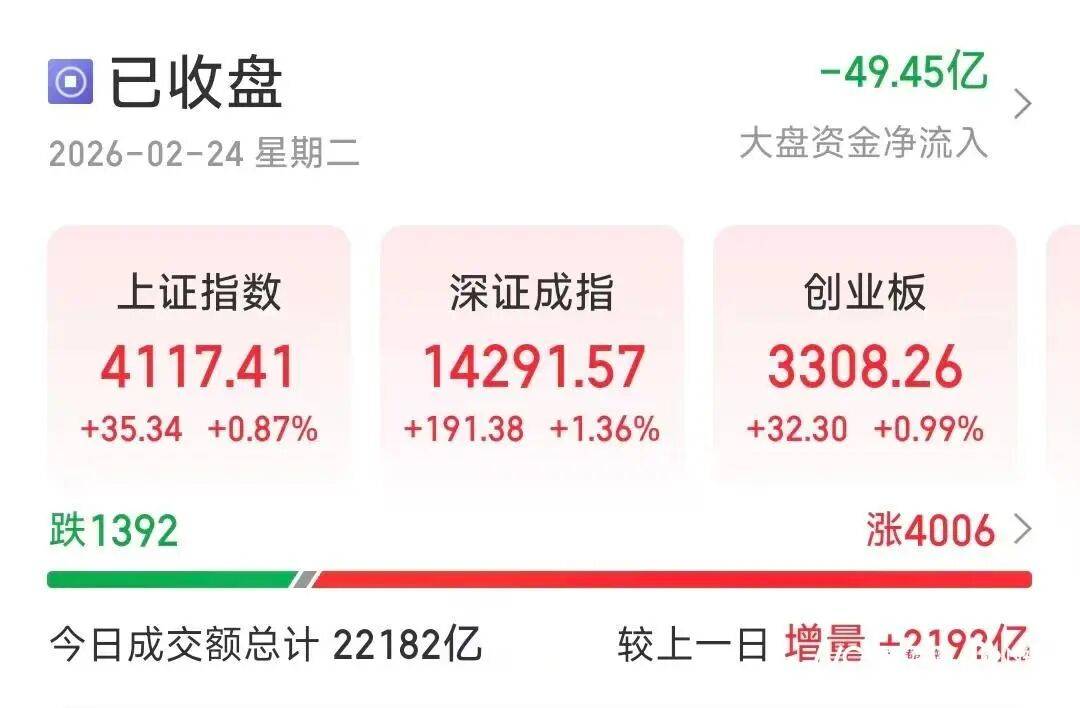
Market Performance - The A-share market opened positively on the first trading day of the Year of the Horse, with all three major indices closing higher. The Shanghai Composite Index closed at 4117.41 points, up 0.87%, the Shenzhen Component Index at 14291.57, up 1.36%, and the ChiNext Index at 3308.26, up 0.99% [1] - The total trading volume in the Shanghai and Shenzhen markets reached 22,182 billion yuan, an increase of 2,192 billion yuan compared to the previous trading day, with over 4,000 stocks rising [1] Sector Performance - The oil and gas extraction and services, precious metals, cultivated diamonds, and coal mining sectors saw significant gains, while the film and television, AI applications, and computing power leasing sectors experienced declines [3] - In the oil and gas sector, Keli Co. led with a 26.03% increase, while Tongyuan Petroleum and Qianeng Hengxin hit the daily limit. Other stocks like Zhongman Petroleum and CNOOC also saw substantial gains [3] - The precious metals sector was led by Xiaocheng Technology with a 15.19% increase, and several stocks in this sector reached the daily limit [3] Geopolitical Influence - The rise in the oil and precious metals sectors is attributed to geopolitical risks, particularly the U.S. military buildup in the Middle East and President Trump's consideration of limited military action against Iran [3] Market Outlook - According to Industrial Securities, the A-share market is expected to enter a high-probability window post-holiday, supported by macroeconomic catalysts and the resolution of U.S. tariff issues [4] - Citic Securities noted that the rise of AI coding capabilities is leading to exponential growth in global code volume, with A-shares likely to be less affected by AI disruptions compared to U.S. and Hong Kong stocks, suggesting a continuation of the spring market rally [4] Investment Trends - Qianhai Kaiyuan Fund's chief economist Yang Delong indicated that as household savings shift towards capital markets, both A-shares and Hong Kong stocks are expected to maintain a slow bull market trend. An estimated 50 trillion yuan in fixed deposits will mature by 2026, potentially driving investors towards equity assets [5] - The issuance of new funds has shown a significant recovery this year, supporting the capital market's strength in 2026 [5]
沪指涨0.87%迎开门红,关注A500ETF易方达(159361)、沪深300ETF易方达(510310)等产品投资价值
Sou Hu Cai Jing· 2026-02-24 12:17
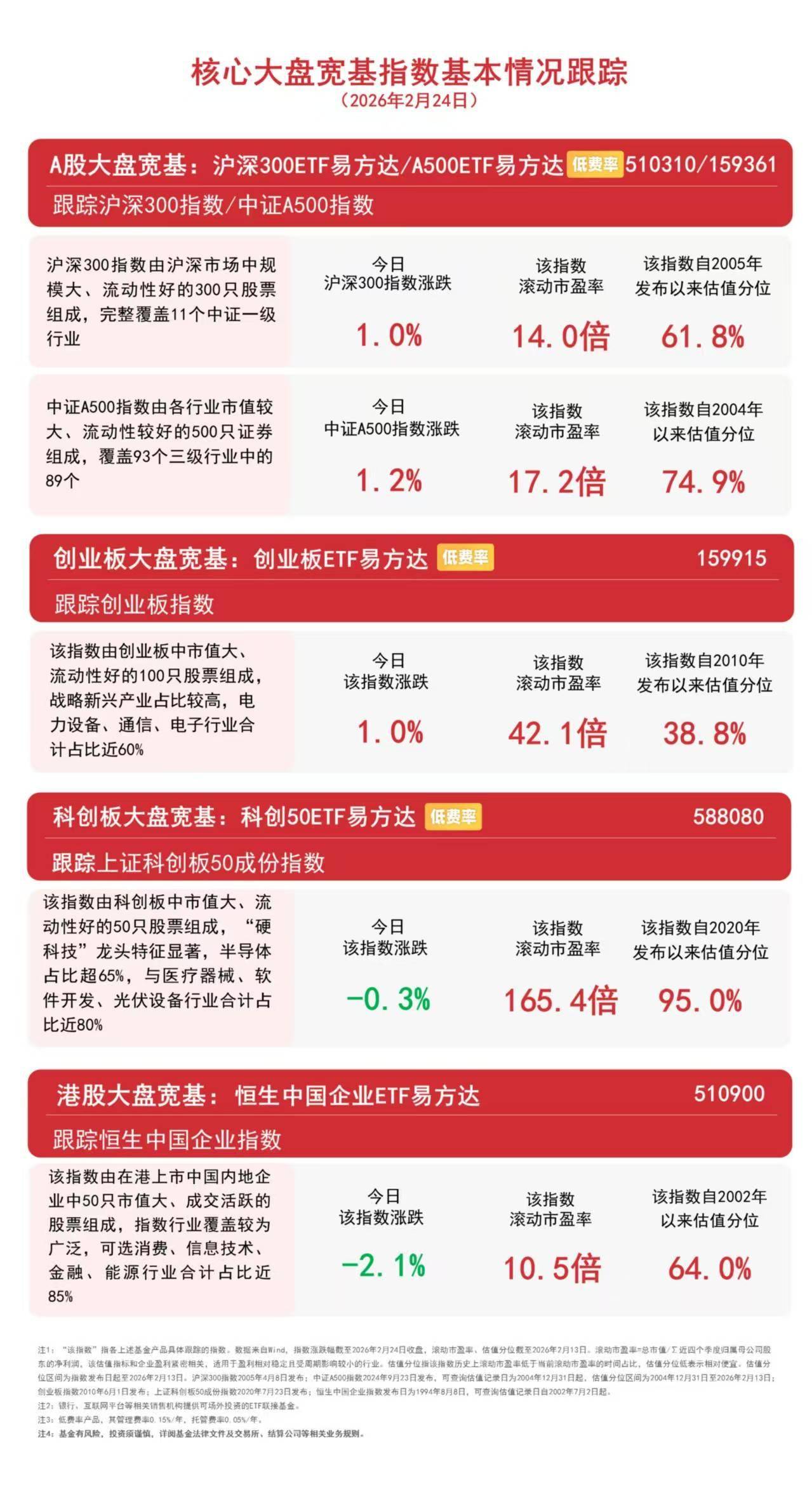
Core Viewpoint - The A-share market experienced a collective rise on February 24, with the Shanghai Composite Index increasing by 0.87%, and the total market turnover exceeding 2.2 trillion yuan, marking an increase of approximately 220 billion yuan compared to the previous trading day. Over 4,000 stocks closed in the green [1]. Market Performance - The A-share indices saw the following changes: - CSI A500 Index rose by 1.2% - CSI 300 Index and ChiNext Index both increased by 1.0% - STAR Market 50 Index fell by 0.3% - Hang Seng China Enterprises Index decreased by 2.1% [1]. Sector Performance - The sectors that performed well included: - Oil and gas extraction and services - Precious metals - Cultivated diamonds - Glyphosate - Fertilizers - Coal mining and processing - Fiber optics - Power grid equipment - Port and shipping [1]. - The sectors that underperformed included: - Film and cinema - AI applications - Computing power leasing - Tourism and hotels - Insurance - Baijiu (Chinese liquor) - Duty-free shops - Brain-computer interface [1]. ETF Performance - The A500 ETF by E Fund (159361) closely tracked the CSI A500 Index, with a total trading volume of 3.166 billion yuan, indicating active trading [1]. - The CSI 300 ETF by E Fund (510310) also closely followed the CSI 300 Index, providing coverage of core leading assets in the A-share market while balancing value and growth [1].
马年A股开门红!
Jin Rong Shi Bao· 2026-02-24 09:37
Market Overview - The A-share market opened positively on the first trading day of the Year of the Horse, with all three major indices rising: Shanghai Composite Index up 0.87%, Shenzhen Component Index up 1.36%, and ChiNext Index up 0.99% [1] - Over 4,000 stocks in the market closed higher, indicating a broad-based rally [1] Sector Performance - Cyclical and resource stocks showed strong performance, driven by international geopolitical events, with significant gains in oil and gas extraction and services, port shipping, precious metals, and chemicals [1] - Oil and gas stocks saw multiple limit-ups, with "Big Three" oil companies (China National Offshore Oil Corporation, China Petroleum, and Sinopec) rising over 7%, 5%, and 3% respectively [3] Oil Market Dynamics - Concerns over reduced oil and gas supply due to geopolitical and macroeconomic factors have increased, leading to a strong rebound in international oil markets, with Brent crude futures up over 5% and WTI crude futures up over 4% during the holiday period [3] - Geopolitical risks are expected to remain high, particularly regarding US-Iran relations, which may further elevate oil prices [3] Shipping Sector Insights - The shipping sector, particularly large oil tankers, experienced a surge in rates, reaching the highest levels since April 2020, driven by strong supply-demand fundamentals [5] - The combination of stable production increases in the Americas and OPEC's policy-driven production cycles is expected to support this trend [5] Chemical Industry Developments - The chemical sector is witnessing a resurgence, with several stocks hitting limit-ups, driven by the inclusion of phosphates in key mineral lists and the announcement of strategic materials by the US [6] - The chemical industry is anticipated to enter a new upward cycle from 2026 to 2028, supported by supply chain restructuring and regulatory measures to control new capacity [6] Underperforming Sectors - The film and AI application sectors faced significant declines, with major companies like Light Media and Wanda Film hitting their lower limits [7] - The Chinese film box office during the Spring Festival saw a 40% year-on-year decline, indicating a mismatch between supply and demand in the market [7] Future Market Outlook - Analysts predict a potential upward trend in the A-share market post-Spring Festival, driven by policy expectations, liquidity support, and industry trends [8] - The focus is expected to shift from "policy expectations" to "earnings realization," with upcoming financial reports serving as key market indicators [8]