玩具出口

Search documents
前11个月一万亿美元顺差!是好事还是麻烦?普通人都能看懂的解读
Sou Hu Cai Jing· 2025-12-15 19:22
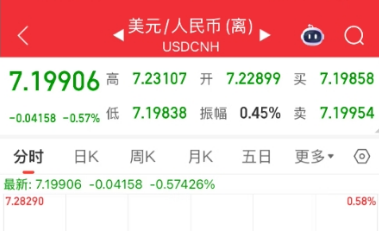
Group 1 - China's trade surplus reached $1.076 trillion in the first 11 months of the year, exceeding last year's total [1] - Exports totaled $3.41 trillion, a year-on-year increase of 6.2%, indicating strong performance despite a sluggish global economy [4] - The composition of exports has shifted from traditional goods to high-tech products, with new categories like electric vehicles and lithium batteries growing by 30% [8][10] Group 2 - Imports of bulk commodities increased in volume, but prices fell, leading to a modest increase in total import value [10] - The total import value increased by only 830 billion RMB compared to the previous year, highlighting that the surplus is primarily driven by exports [12] - The increase in trade surplus has bolstered foreign exchange reserves, which now exceed $3.2 trillion, enhancing the country's economic resilience [12][14] Group 3 - The trade surplus has contributed to GDP growth, helping to stabilize the annual growth target of around 5% [14] - The appreciation of the RMB has made studying abroad and travel cheaper, with tuition fees for top U.S. universities decreasing by approximately 2,800 RMB [15] - However, the high trade surplus has led to concerns from Western countries about unfair trade practices, potentially resulting in trade barriers [17] Group 4 - Traditional export businesses are facing challenges due to RMB appreciation, which reduces their profit margins [20] - The shift towards high-end products may lead to job losses in traditional manufacturing sectors, as fewer workers are needed to produce higher-value goods [22] - The slow growth in imports suggests that domestic consumption and investment demand are not fully recovering, indicating an over-reliance on exports [24][26]

中国工业产值占全球三分之一,人民币被低估了吗?
Sou Hu Cai Jing· 2025-12-13 21:36
Core Viewpoint - The article discusses the complexities and implications of the Chinese yuan's exchange rate, highlighting the tension between the benefits of currency appreciation for consumers and the potential risks for exporters and the broader economy [1][11][24]. Group 1: Impact on Exporters - Exporters, like small manufacturers in Dongguan, face significant pressure from fluctuating exchange rates, which can drastically affect their profit margins [3][5]. - A mere 3% appreciation in the yuan can render an export order unprofitable, leading to severe financial consequences for businesses reliant on thin margins [6][10]. - The article emphasizes that many industries, including textiles and electronics, are similarly vulnerable to exchange rate changes, affecting employment and livelihoods [8][10]. Group 2: Consumer Perspective - Consumers, particularly younger individuals, often view currency appreciation positively, anticipating lower prices for imported goods and travel [10][11]. - The potential for reduced costs on imported products, such as electronics and luxury items, is a significant motivator for public support of yuan appreciation [10][11]. Group 3: Historical Context and Economic Strategy - The article references the historical context of Japan's economic experience in the 1980s, where rapid currency appreciation led to a long-term economic downturn, serving as a cautionary tale for China [15][17]. - China's approach to managing the yuan's exchange rate involves a "managed floating exchange rate system," allowing for some flexibility while maintaining control to prevent economic instability [17][24]. - The balance between supporting exports and managing domestic consumption is crucial for maintaining economic stability, with the central bank acting as a balancing force [17][24]. Group 4: Global Implications - The article highlights that China's manufacturing sector significantly impacts global supply chains, with a substantial portion of the world's goods being produced in China [18][24]. - A sudden appreciation of the yuan could lead to increased prices for Chinese exports, affecting consumers globally and potentially leading to inflation in other countries [18][19]. - The motivations behind calls for yuan appreciation from foreign politicians are often tied to economic interests rather than genuine concern for China's economy [20][22].

第一批外贸小老板开始涌向旅游业
Hu Xiu· 2025-05-14 00:09
Core Viewpoint - The article discusses the challenges faced by small foreign trade businesses in China due to rising tariffs and declining orders, leading many to consider transitioning to the tourism industry as a potential alternative for survival and growth [5][20][31]. Group 1: Challenges in Foreign Trade - Small foreign trade businesses, like those operated by individuals such as Xiaomei, are experiencing a significant decline in orders and are heavily impacted by high export tariffs [7][21]. - The recent pause in new tariffs between China and the U.S. has not brought much excitement, as uncertainty remains regarding future tariff policies [5][8]. - Many foreign trade operators are feeling the pressure of a volatile market, with Xiaomei expressing concerns about the unpredictability of tariffs and the overall business environment [8][22]. Group 2: Shift to Tourism Industry - There is a noticeable trend of foreign trade professionals, including Xiaomei and Xiaoshuai, considering a shift to the tourism industry due to the perceived lower barriers to entry and the current struggles in foreign trade [10][28]. - The tourism sector appears to be thriving, with significant increases in domestic travel and spending during holidays, suggesting a potential opportunity for those transitioning from foreign trade [26][27]. - The tourism industry is seen as a "light asset" business compared to manufacturing, attracting many foreign trade operators looking for new avenues [28][31]. Group 3: Economic Context and Future Outlook - The article highlights the long-term geopolitical tensions between China and the U.S., suggesting that the trade environment will remain unstable, prompting foreign trade professionals to seek alternative business models [32][34]. - Despite the allure of the tourism industry, the article warns that it is not without its challenges, including intense competition and the need for substantial market understanding [36][40]. - The overall sentiment is that merely switching industries without addressing underlying business acumen and market realities may lead to further difficulties, as the economic landscape continues to evolve [43][44].