
科创产业

Search documents
新质生产力赋能科创产业:2026年政府工作报告解读
Lian He Zi Xin· 2026-03-16 11:22
Group 1: Core Strategic Deployment - The 2026 government work report emphasizes the development of new quality productivity as a core strategy to integrate technological and industrial innovation[4] - New quality productivity is positioned as the main line for the development of the sci-tech industry, marking a shift from concept to comprehensive implementation[4] - The report aims to enhance the resilience and credit levels of sci-tech enterprises through improved operational capabilities and compliance[12] Group 2: Financial and Policy Support - A multi-level policy support system is established, focusing on fiscal, financial, and talent dimensions to bolster the development of the sci-tech industry[7] - The report allocates 200 billion yuan for long-term special bonds to support large-scale equipment upgrades in key industries[6] - Tax incentives will be extended and optimized to reduce innovation costs for technology-based SMEs and leading innovative enterprises[7] Group 3: Research and Development Focus - National R&D investment is projected to exceed 3.92 trillion yuan by 2025, with a target intensity of 2.8%[8] - Basic research funding is set at approximately 280 billion yuan, accounting for 7.08% of total R&D investment, still below the 12%-23% level of developed countries[8] - The report aims for an annual growth target of over 7% in R&D funding during the 14th Five-Year Plan period[8] Group 4: Industry Transformation and Upgrading - The report highlights the need for traditional industries to upgrade and emphasizes the importance of digital transformation for SMEs[6] - It encourages the development of emerging pillar industries such as integrated circuits, aerospace, and biomedicine[6] - The transition from "quantity expansion" to "quality leap" in the sci-tech industry is a key focus, addressing issues like weak foundational research and insufficient capital supply[8]
【深圳特区报】在全球核心城区竞争中占据一流福田地均GDP达81.62亿元/平方公里
Sou Hu Cai Jing· 2026-02-10 00:43
Core Insights - The GDP of Shenzhen has surpassed 640 billion yuan, with a per capita GDP of 81.62 million yuan per square kilometer, indicating a significant economic density in the region [1][2] - Futian District has achieved a GDP growth of 8.0%, marking the highest growth rate in four years, with a per capita GDP increase of approximately 35% from the end of the 13th Five-Year Plan [5][6] - Futian's per capita GDP is significantly higher than international urban core areas, positioning it in the top tier globally [5][6] Economic Structure and Growth Drivers - The economic structure of Futian has undergone a critical transformation, shifting from reliance on the financial sector to a collaborative growth model involving finance, profitable services, and industrial sectors [6][7] - The financial sector remains stable at around 40% of the economy, while industrial contributions have doubled, and the share of profitable services has increased to 20% [6][7] Key Industries and Innovation - The financial sector in Futian is projected to exceed 250 billion yuan in value by 2025, accounting for nearly half of the city's total GDP, with a growth rate reaching a nine-year high [7] - The technology and innovation sectors are thriving, with industrial output doubling compared to five years ago, and new industry clusters emerging in smart terminals, new energy, and software services [7][8] Future Development Plans - The "15th Five-Year Plan" outlines ambitious goals for Shenzhen, aiming for a GDP exceeding 5 trillion yuan by 2030, with an average annual growth rate of over 5% [8][9] - Futian is positioned as a key player in this growth, focusing on the development of Central Business Districts (CBD), Central Innovation Districts (CID), and Central Vitality Districts (CAZ) [8][9] Innovative Urban Development - The construction of the Central Innovation District in Futian represents a strategic shift towards integrating high-end finance, innovation, and transformation capabilities within a dense urban environment [9][10] - This approach aims to leverage the concentration of capital, talent, and market opportunities in urban core areas to foster innovation and economic growth [9][10]

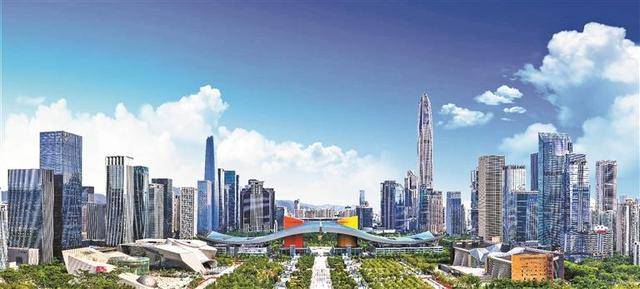
坚定信心、鼓足干劲 奋力实现“十五五”良好开局
Xin Hua Ri Bao· 2026-02-03 21:59
Group 1 - The provincial government report outlines a grand blueprint for Jiangsu's development over the next five years, emphasizing the importance of implementing the spirit of the 20th National Congress and the directives from the provincial meetings [1] - Nantong aims to stimulate economic potential by combining consumer and investment initiatives, focusing on enhancing living standards and exploring new economic growth points [1] - The city plans to implement a special action to boost consumption and upgrade major commercial areas, while also increasing investment in social services such as elderly care and education [1] Group 2 - Nantong is committed to advancing the integration of production and innovation, focusing on a manufacturing-driven economy supported by projects and cluster development [2] - The city aims to optimize project construction services and strengthen its professional investment teams, with over 500 new industrial projects worth over 1 billion yuan each planned [2] - Nantong is set to enhance its transportation infrastructure, including the construction of key rail links and the promotion of significant marine industry projects, with a total investment of nearly 250 billion yuan [2] Group 3 - The report emphasizes the importance of high-quality party leadership to drive high-quality development, enhancing the creativity and cohesion of party organizations [3] - Nantong is focused on safety and ecological sustainability, aiming to strengthen governance and create a competitive development atmosphere [3] - The city is committed to ensuring a strong start for the 15th Five-Year Plan by fostering a collaborative development environment [3]
江苏扬州邀约学子“归巢”:一场城市与学子的“双向赋能”
Xin Lang Cai Jing· 2026-01-25 11:01
Core Viewpoint - Yangzhou is actively working to become a city that attracts young talent, recognizing that the competition for youth ultimately reflects the competition for the city's future [1] Group 1: Youth Attraction Initiatives - Yangzhou is implementing various financial incentives to attract young talents, including monthly living subsidies ranging from 500 to 3500 yuan based on educational qualifications for newly recruited talents [3] - Non-Yangzhou graduates can receive annual transportation subsidies of 2000 yuan and housing subsidies of 4000 yuan for visiting relatives, while local graduates returning from other cities can get a monthly subsidy of 500 yuan for three years [3] - For those purchasing new homes in Yangzhou, a one-time "talent housing voucher" ranging from 30,000 to 300,000 yuan is available [3] Group 2: Cultural and Community Engagement - The "Growing Together" event allowed 108 Yangzhou alumni to reconnect with their hometown, enhancing their cultural identity through hands-on experiences and interactive activities [3] - Participants visited industrial parks, innovative enterprises, and talent communities, which helped them recognize the city's development vitality and employment opportunities [3] Group 3: Strategic Development Focus - Yangzhou has integrated a youth-first development philosophy into its industrial layout and urban development strategy, focusing on areas such as industry, talent, housing, and services [4] - The city has launched 12 service initiatives aimed at retaining young talent, enhancing the impact of programs like "Yangzhou Alumni Homecoming" and "Campus Talent Days" [4]
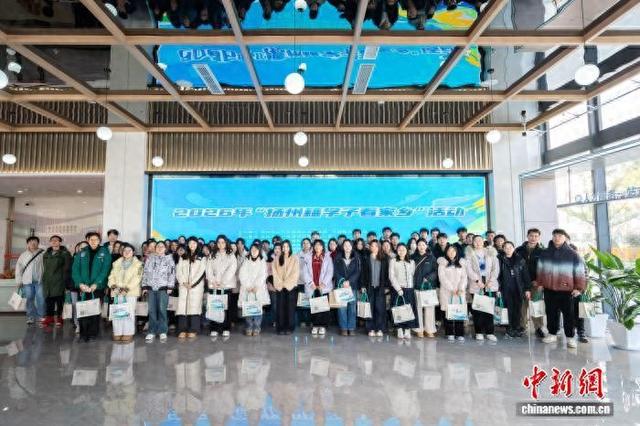
冯忠华孙志洋会见招商局集团总经理石岱一行
Guang Zhou Ri Bao· 2026-01-23 01:47
Group 1 - The meeting between Guangzhou municipal leaders and the representatives of China Merchants Group focused on deepening central-local cooperation and promoting high-quality development [1][2] - Guangzhou is committed to implementing the important speeches and directives from Xi Jinping, aiming to lead in the construction of Chinese-style modernization and contribute to the development of the Guangdong-Hong Kong-Macao Greater Bay Area [1] - China Merchants Group is recognized as an important strategic partner for Guangzhou, with plans to expand its business and project layout in the city, particularly in four key sectors: transportation logistics, comprehensive finance, real estate parks, and technological innovation [2] Group 2 - The leadership of Guangzhou expressed gratitude for the long-term support from China Merchants Group and highlighted the city's vibrant market and development potential [1][2] - China Merchants Group plans to leverage its advantages to integrate deeply into Guangzhou's modernization efforts, contributing to the city's economic and social high-quality development [2] - The meeting included discussions on how Guangzhou will continue to provide support and create a better environment for businesses to thrive [1]

广东江门着力深化规则机制“软联通”,努力营造趋同港澳的营商环境
Zhong Guo Fa Zhan Wang· 2026-01-06 12:25
Core Viewpoint - The Guangdong provincial government highlighted the achievements of Jiangmen city during the "14th Five-Year Plan" period, emphasizing its role as a key node in the Guangdong-Hong Kong-Macao Greater Bay Area and the significant progress made in infrastructure, regulatory mechanisms, and community integration. Group 1: Infrastructure Development - Jiangmen has significantly improved its transportation infrastructure, with the total length of expressways increasing from 736 kilometers to 931 kilometers, and the completion of major projects like the Shenzhen-Zhongshan Link and Huangmaohai Cross-Sea Channel, allowing one-hour access to major cities in the Greater Bay Area [1] - The total length of rail transit has reached 220 kilometers, with new high-speed rail connections to Hong Kong established [1] - Jiangmen's power generation capacity ranks third in the Greater Bay Area, supported by major energy projects like the Taishan Nuclear Power Phase II [1] Group 2: Regulatory and Economic Integration - Jiangmen is enhancing its business environment by deepening cooperation in scientific and technological innovation, with the Jiangmen Neutrino Experiment Station involving 17 countries and regions [3] - The city has implemented various cross-border logistics initiatives, including the establishment of a national cold chain logistics base and the opening of nine "combined port" routes, facilitating the flow of goods and services [3] - Jiangmen has made strides in creating a favorable business environment, with cross-border credit rating recognition and the establishment of the Shenzhen International Arbitration Court Jiangmen Center [3] Group 3: Community and Cultural Integration - Jiangmen is fostering a sense of community among residents from Hong Kong and Macau, with policies like "Hong Kong and Macau Medical Device Access" and various educational partnerships [4] - The city has established innovation and entrepreneurship bases for youth, with nearly 180 projects, including over 100 from Hong Kong and Macau [4] - Cultural exchanges are being promoted, with initiatives like the Chikan Overseas Chinese Town becoming a showcase for cultural integration [4] Group 4: Economic Growth and Development - Jiangmen has seen comprehensive growth in its county economies, with Taishan, Kaiping, and Heshan ranking in the top 10 for county economic development in Guangdong [5] - The city has successfully integrated agriculture, culture, and tourism, with projects like the Kaiping-Taishan agricultural and cultural tourism integration being recognized as provincial pilot projects [5] - Urbanization efforts are progressing, with an expected urbanization rate of 69.6%, up from 67.63% in 2020, and a reduction in the urban-rural income ratio from 1.89:1 to an anticipated 1.72:1 [5]
只收梦想,不收租金?2025,一场产业园0租金试验开启了
Nan Fang Du Shi Bao· 2025-08-15 02:13
Core Viewpoint - The "zero rent" industrial parks are emerging across major cities in China to attract small and micro technology enterprises, providing significant rental relief and additional support services to foster a thriving industrial ecosystem rather than merely offering low-cost physical space [1][4][14]. Group 1: Zero Rent Industrial Parks - Various cities, including Shenzhen, Beijing, and Guangzhou, have launched "zero rent" industrial parks, offering spaces ranging from 50,000 to 200,000 square meters with rent-free periods of 1 to 5 years [1][4]. - Shenzhen initiated the first "zero rent" program by releasing 100,000 square meters of space for small tech enterprises [2]. - The majority of these parks are led by state-owned enterprises, with different cities targeting specific industries such as AI, smart vehicles, and advanced materials [5][7]. Group 2: Support Services - In addition to rent relief, these parks provide various support services, including technical assistance, talent acquisition, and financial resources tailored to the lifecycle of the enterprises [8][9]. - For instance, the Guangzhou Huangpu District offers customized services that include funding for startups and growth-stage companies [9][13]. - The Beijing AI North Latitude Community provides comprehensive incubation services and housing for talent, enhancing the attractiveness of the park [13]. Group 3: Policy and Implementation Challenges - Experts emphasize the need for precise implementation of the "zero rent" policies to avoid creating an unregulated competitive environment and to ensure that the benefits reach the intended enterprises [14][15]. - There are concerns regarding the complexity of application processes and potential hidden costs that may arise after the rent-free periods end [14]. - Recommendations include balancing the interests of state-owned and private industrial parks to foster a collaborative ecosystem [15].
昆山推动人文经济发展的路径选择
Xin Hua Ri Bao· 2025-08-14 23:02
Group 1 - The core concept of "humanistic economics" emphasizes the harmonious coexistence of culture and economy, integrating traditional Chinese culture into economic development while adhering to a people-centered development philosophy [1][2] - The development of humanistic economics is crucial for enhancing new productive forces, promoting high-quality development, and achieving Chinese-style modernization [1][2] - The city of Kunshan is encouraged to use humanistic economics as a theoretical framework to drive modernization through top-level design, institutional support, and integration empowerment [1][2][3] Group 2 - The report from the 20th National Congress highlights that Chinese-style modernization is characterized by the coordination of material and spiritual civilization, aligning with the principles of humanistic economics [2] - Kunshan is advised to incorporate humanistic concepts into urban planning, learning from cities like Xi'an to elevate cultural construction alongside economic development [2][3] - Establishing a special fund for humanistic economic development and enhancing policy support for cultural industry innovation are recommended to strengthen the organizational guarantee for humanistic economic development [2][3] Group 3 - There is currently no dedicated institutional mechanism to support the development of humanistic economics, prompting Kunshan to explore and establish a "Kunshan standard" to facilitate this growth [3] - A specialized development indicator system for humanistic economics is necessary, focusing on quantifying cultural and economic collaboration levels, resource utilization rates, and cultural consumption satisfaction [3] - The establishment of a comprehensive system for the transfer and transformation of cultural resources is essential to unlock their market value and promote innovative development [3] Group 4 - Humanistic economics advocates for the dual integration of culture and economy, which is essential for advancing Chinese-style modernization [4] - Kunshan is encouraged to deepen the integration of cultural elements with modern economic factors, fostering new business models and enhancing the overall economic landscape [4][5] - The city aims to create a unique urban character by leveraging its industrial features and water network advantages, enhancing its cultural appeal to attract quality production factors [4][5]
我为“十五五”建言,上海高成长企业发展需求大调查
第一财经· 2025-07-09 15:12
Core Insights - The article emphasizes the importance of high-growth enterprises, such as unicorns and potential unicorns, as key players in driving innovation and high-quality development during the "14th Five-Year Plan" and the upcoming "15th Five-Year Plan" [1] - A survey initiative titled "I Contribute Suggestions for the '15th Five-Year Plan'" is being launched to gather insights from high-growth companies regarding the implementation of the "14th Five-Year Plan" and their policy needs for the "15th Five-Year Plan" [1] - The survey will include both online questionnaires and in-depth offline interviews to capture the unique challenges and core concerns of these enterprises [1] Survey Details - The survey aims to understand the policy environment and industrial ecosystem from the perspective of high-growth enterprises, which are sensitive to changes and have significant input for planning [1] - The initiative will involve direct engagement with founders and executives of high-growth companies to ensure a comprehensive understanding of their development pain points [1]
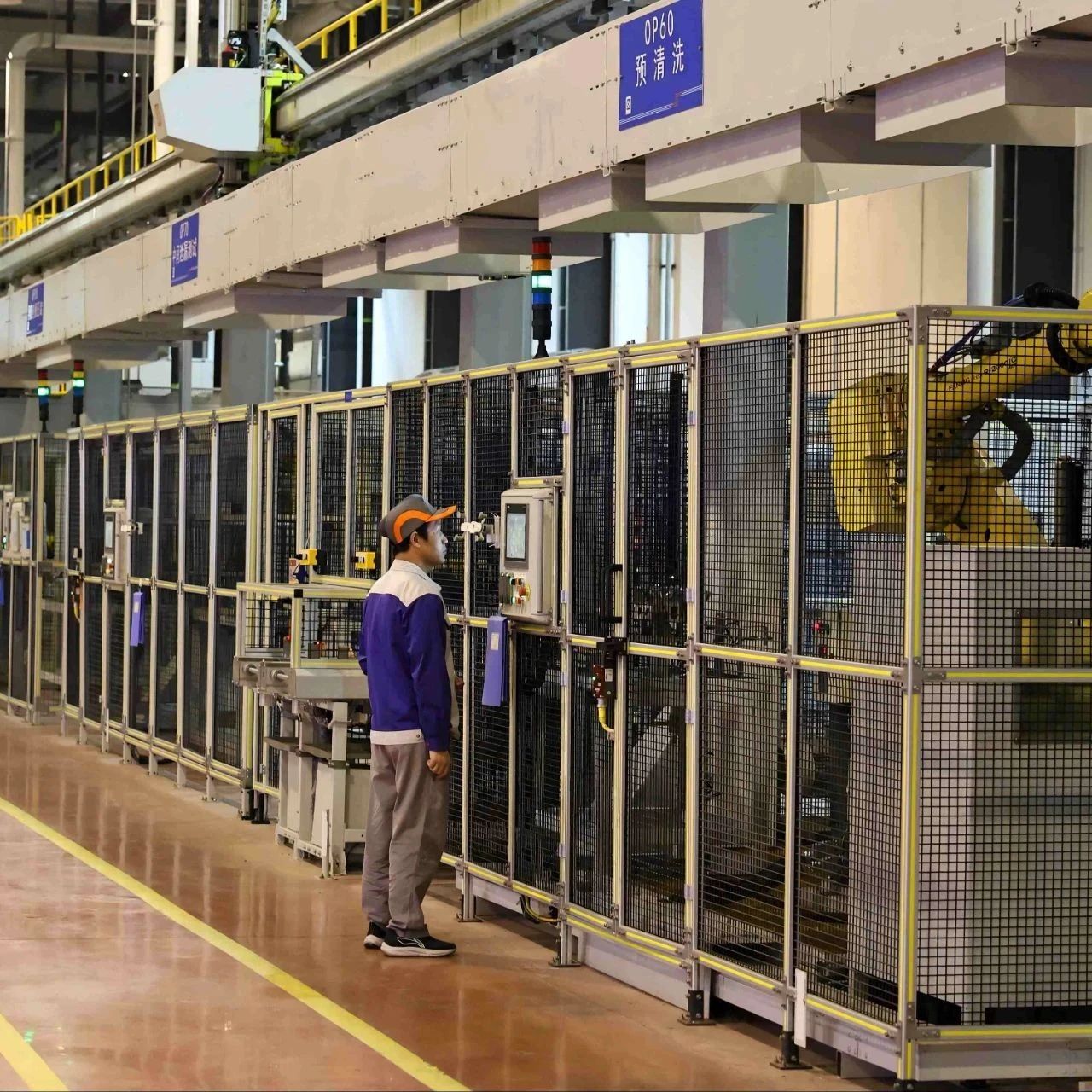
上海临港:高新技术产业产值占比超7成
Xin Hua Cai Jing· 2025-05-16 07:37
Core Insights - The Lingang New Area aims to achieve an industrial output value of 423 billion yuan in 2024, with over 70% coming from high-tech industries [1] - Industrial fixed asset investment in high-tech industries has exceeded 40 billion yuan for three consecutive years, maintaining over 20% of Shanghai's total [1] - The area is focused on creating a supportive environment for technological innovation and entrepreneurship [1] Group 1 - Lingang New Area plans to establish a strong and cost-effective innovation space, providing 100,000 square meters of ready-to-move-in facilities for startups and innovation teams, with plans to expand to 300,000 square meters [1] - The area will offer 1,000 "Lingang Youth Stations" and 3,000 talent apartments at favorable conditions for innovators and entrepreneurs [1] - A comprehensive support policy system called "Twelve New Policies for Creators" will be launched, providing free benefits and talent subsidies to support young and high-level talents in various aspects [1] Group 2 - The Lingang New Area Administration will initiate a financial support action, establishing a 500 million yuan Lingang Qihang Fund as an angel fund for seed and early-stage enterprises [2] - Approximately 200 million yuan will be invested annually in innovative pilot projects and research and development initiatives [2]
