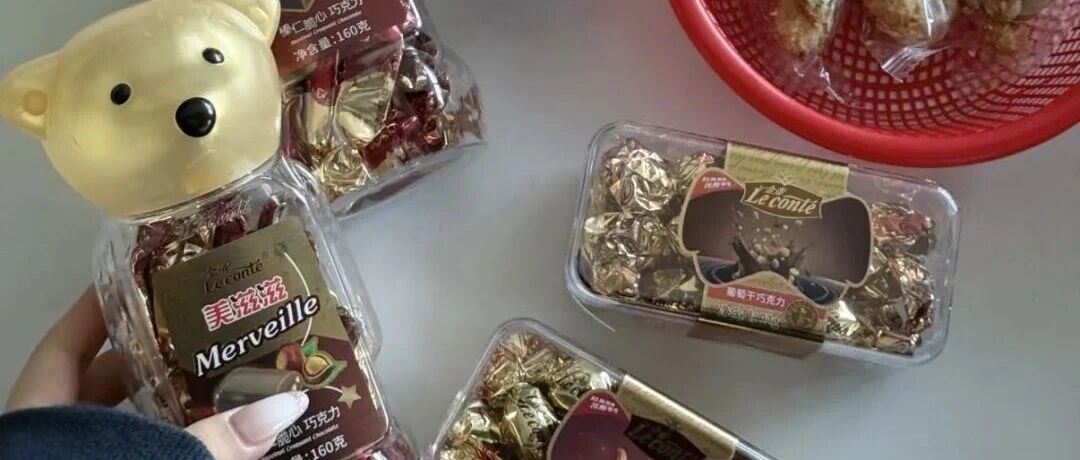
糖果巧克力

Search documents
雀巢12吨KitKat巧克力在欧洲被盗
Xin Lang Cai Jing· 2026-03-29 13:35
Core Viewpoint - Nestlé reported that approximately 12 tons (413,793 bars) of KitKat chocolate were stolen after leaving an Italian production facility for Poland, with the truck and its cargo still missing [1] Group 1: Company Impact - The stolen KitKat chocolate was intended for sale across Europe, indicating a significant loss for Nestlé [1] - Nestlé acknowledged the increasing issue of cargo theft affecting businesses of all sizes, highlighting the broader implications for the industry [1] Group 2: Product Traceability - The company stated that if the stolen chocolate enters unofficial sales channels, it can be traced back to its origin through unique batch numbers assigned to each bar [1] - Consumers, retailers, and wholesalers can identify whether products belong to the stolen shipment by scanning the batch number on the packaging [1]

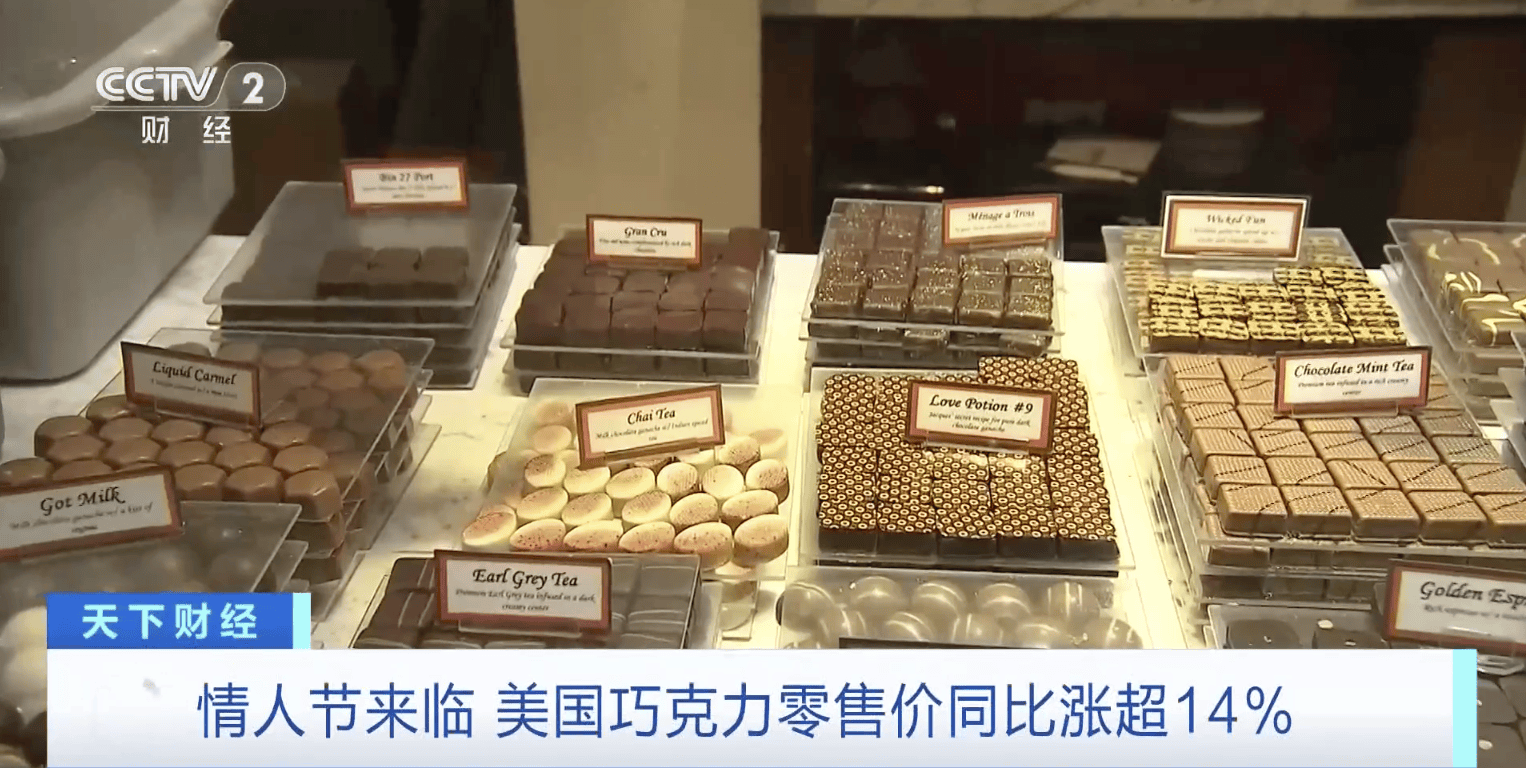
情人节来临 美国巧克力零售价同比涨超14%
Sou Hu Cai Jing· 2026-02-14 13:00
Group 1 - The core point of the article highlights that chocolate prices in the U.S. have risen significantly due to a shortage of cocoa supply, with an increase of over 14% year-on-year as Valentine's Day approaches [1][3] - According to Datasembly, from January 1 to early February, the retail price of chocolate in the U.S. increased by 14.4%, which is a notable rise compared to 7.8% last year and 10.5% in 2024 [3] - Cities like Denver and Los Angeles saw chocolate prices rise by approximately 17%, while the Dallas-Fort Worth area experienced a staggering increase of 19% [3] Group 2 - The rise in chocolate prices is primarily driven by a global shortage of cocoa beans, with West Africa accounting for about 70% of the world's cocoa production. Extreme weather conditions have led to poor cocoa harvests, pushing cocoa futures prices from around $2,500 per ton in mid-2022 to over $12,600 per ton by the end of 2024 [5] - Although international cocoa prices have recently declined, U.S. chocolate products are still dealing with high-cost inventory from previous purchases, and the demand during the holiday season is likely to sustain the upward price trend in the short term [5] - The National Confectioners Association indicates that chocolate is the most popular candy for Valentine's Day, accounting for about 75% of all candy sales. The National Retail Federation projects that consumer spending on candy during this Valentine's Day will reach $2.6 billion, approximately 18 billion yuan [6]

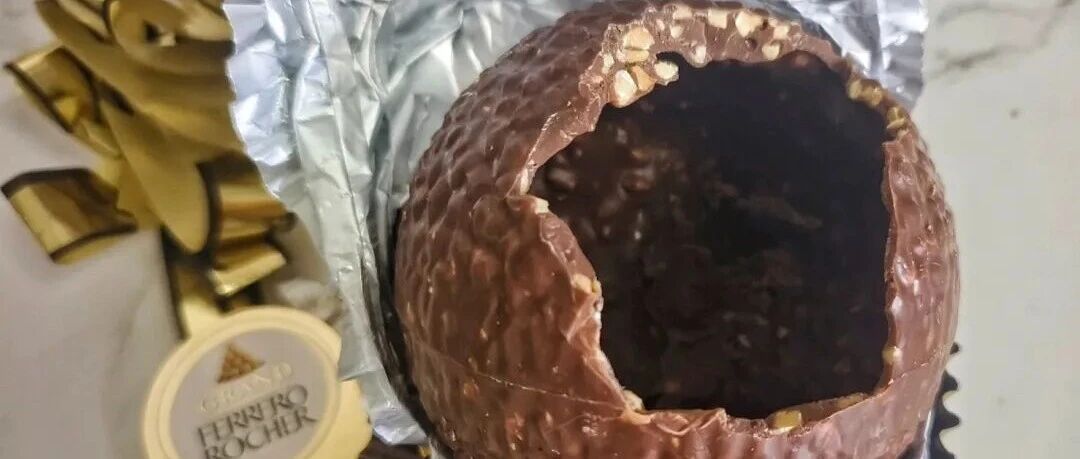
情人节送费列罗“翻车”!包装像拳头,打开是空气……60元买个空壳?
新浪财经· 2026-02-14 07:39
Core Viewpoint - Ferrero's product, the "Golden Ball," has faced significant consumer backlash due to misleading packaging that suggests a fuller product than what is actually contained, leading to accusations of deceptive marketing practices [3][5][9]. Group 1: Consumer Complaints - Multiple consumers reported that the Ferrero "Golden Ball" chocolate gift box appears to be full but is actually hollow, resulting in disappointment and feelings of being misled [3][5]. - A consumer from Beijing expressed embarrassment after gifting the product, highlighting the stark contrast between the product's visual appeal and its actual contents [5][9]. - Complaints on social media have labeled the product as "air chocolate," with consumers questioning the value of the product given its high price of 60 yuan [8]. Group 2: Company Response - Ferrero's customer service stated that the hollow design of the product was not intended to mislead consumers, asserting that all relevant product information is disclosed according to national regulations [9][10]. - The company acknowledged the complaints but indicated that they do not currently have a policy for refunds or compensation for such misunderstandings [9][10]. Group 3: Company Background - Ferrero, founded in 1946 in Italy, has expanded globally, operating in over 50 markets with 41 production facilities and employing over 50,000 people [10]. - The company established its presence in China in 2007 and opened its first factory in Hangzhou in 2015, which also exports to over 20 markets [10]. - In the 2024/2025 fiscal year, Ferrero reported a revenue increase of 4.6%, reaching 19.3 billion euros [10]. Group 4: Food Safety Issues - Ferrero has faced scrutiny over food safety, including incidents where consumers reported finding foreign objects in their chocolates, leading to a significant number of complaints [11][18]. - The company has previously been involved in a salmonella outbreak, prompting recalls of certain products produced at its Belgian factory [18]. - Consumer complaints on platforms like Black Cat have highlighted issues such as finding live insects and poor customer service regarding product quality [18].
(新春见闻)天津“巧克力小镇”甜蜜出海记
Zhong Guo Xin Wen Wang· 2026-02-09 08:33
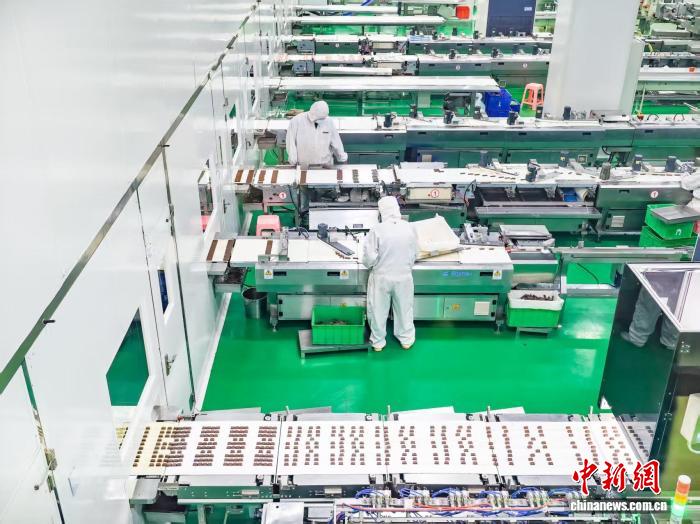
Core Insights - The article highlights the growth and transformation of the chocolate industry in Taiping Town, Tianjin, which has evolved from small workshops to a significant production hub, accounting for approximately 40% of China's chocolate market [3][5]. Industry Overview - Taiping Town hosts 19 chocolate and candy production companies, showcasing a shift from over 100 small family-run factories in the 1980s to a more consolidated and high-end industry [3][5]. - The chocolate industry has become a major source of tax revenue for Taiping Town and has created employment for over 1,200 people [7]. Company Developments - Tianjin Heijingang Food Co., Ltd. is ramping up production ahead of the Spring Festival, utilizing a Swiss-imported production line to meet high demand [1][5]. - Tianjin Putian Tongle Food Co., Ltd. is undergoing a transformation from a school-run factory to a modern facility, with plans to complete a new factory by August that meets international standards [5]. - The company has successfully expanded its market reach to countries such as Turkey, the Philippines, and Spain [5]. Export Strategies - Companies are adapting their products to meet the cultural preferences of different countries, such as creating unique chocolate products for the South Korean and Vietnamese markets [6]. - Tianjin Heijingang's products, including pure fat chocolate and fresh chocolate, have gained competitive advantages in international markets, particularly in the Middle East, Japan, and Southeast Asia [5][6]. Future Plans - Taiping Town plans to launch industrial tourism and educational projects starting in 2024, aiming to create a comprehensive "Chocolate Town" experience that combines research, education, and leisure [7].
软实力也是竞争力
Jing Ji Ri Bao· 2026-01-27 22:15
Core Insights - Tianjin has become a significant player in the chocolate industry, achieving a cumulative export growth of 169.4% by 2025, despite not producing any cocoa beans [1] - The city has shifted its competitive advantage from resource dependency to resource allocation and market cultivation, leveraging its port's natural hub advantages to source global chocolate raw materials [1] - The development of the chocolate industry in Tianjin illustrates that a lack of inherent resource advantages does not preclude a region from thriving in related industries [1] Industry Development Strategies - Tianjin's approach emphasizes breaking free from resource dependency and reshaping competitive perceptions, focusing on optimizing the business environment and building an industrial ecosystem [2] - The local government supports enterprises in supply chain improvement, financing, market expansion, and project planning, fostering a conducive environment for innovation and collaboration among businesses [2] - The chocolate industry in Tianjin highlights the importance of cultural integration, product innovation, and understanding local consumer preferences to strengthen brand development and market presence [2]
被质疑“擦边”,知名品牌金帝巧克力先后发布两版致歉声明!
Xin Lang Cai Jing· 2026-01-13 19:50
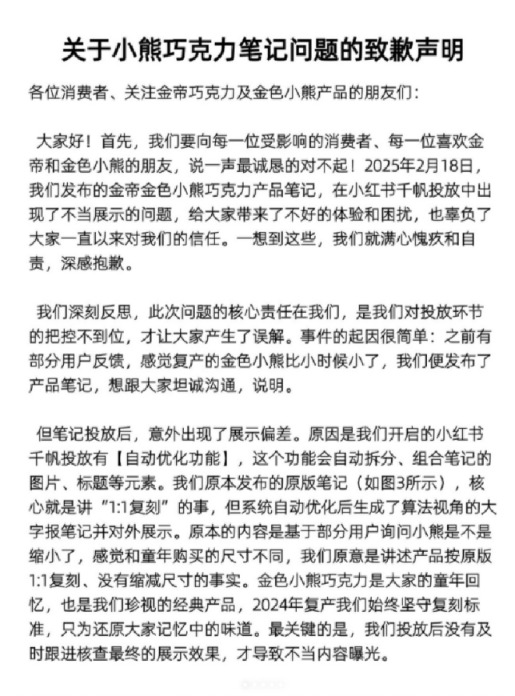
Core Viewpoint - The incident involving Jindi Chocolate highlights the challenges of automated marketing and the importance of maintaining brand integrity in the face of consumer expectations and digital advertising practices [1][13]. Group 1: Incident Overview - Jindi Chocolate faced backlash for allegedly using inappropriate advertising language in a social media post, which was perceived as disrespectful [1]. - The company issued two apologies on January 12, acknowledging responsibility for the incident due to a failure in monitoring the automated advertising process [3][4]. Group 2: Apology Statements - In the first apology, Jindi Chocolate admitted that the inappropriate content was generated by an "automatic optimization feature" during the ad placement process, which was not properly reviewed afterward [3][5]. - The second apology emphasized that the controversial image was automatically generated and not manually created by the marketing team, and the company called for platform support to verify this claim [6][10]. Group 3: Consumer Reactions - Consumers expressed skepticism towards the company's explanation, questioning the reliance on AI and automated systems for content generation, and criticized the brand's professionalism [6][13]. - The disorganized formatting of the apology letters further fueled consumer dissatisfaction, indicating a lack of attention to detail in the brand's communication [13]. Group 4: Brand Integrity and Responsibility - The incident reflects a broader issue within established brands balancing the pursuit of efficiency through automation with the need for careful oversight to protect brand reputation [13]. - Without a clear responsibility mechanism between automated advertising and human oversight, each instance of "system-generated" content could pose a new risk to brand integrity [13].
陷“擦边营销”争议 金帝巧克力道歉
Guo Ji Jin Rong Bao· 2026-01-13 07:06
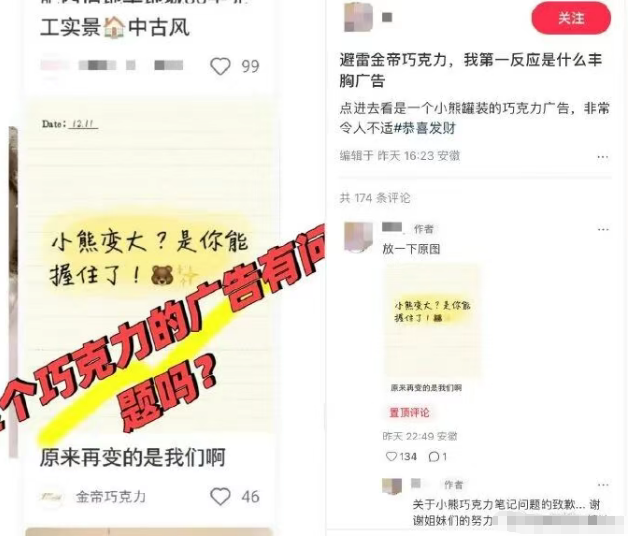
Core Viewpoint - The controversy surrounding Jindi Chocolate's marketing content has led to significant public backlash, particularly due to a perceived inappropriate advertisement that sparked discomfort among consumers [1][2]. Group 1: Marketing Controversy - Jindi Chocolate faced criticism for a promotional post on Xiaohongshu that included the phrase "The bear gets bigger? Is it something you can hold?" which was interpreted as having vulgar implications [1][2]. - Consumers expressed their disapproval, with some parents stating they would not purchase the product for their children due to the inappropriate nature of the marketing [2]. Group 2: Company Response - In response to the backlash, Jindi Chocolate issued an apology on January 12, explaining that the controversial content was generated by an "automatic optimization feature" of their marketing system, which led to unintended display of inappropriate material [2][4]. - The company has since hidden the related content, paused all marketing related to the golden bear chocolate, and formed a special team to review the risks associated with their marketing system [4]. Group 3: Public Reaction - The initial apology did not quell the controversy; instead, it intensified criticism, with many consumers dismissing the "automatic optimization" explanation as an excuse [5]. - Following the backlash, Jindi Chocolate retracted their first apology and issued a second one, clarifying that the controversial image was neither manually written nor AI-generated, and that the content could not be monitored during the marketing process [5]. Group 4: Brand Impact - The incident has negatively impacted Jindi Chocolate's brand reputation, with many consumers expressing their discontent in the comments section of the apology, stating they have removed the brand from their shopping carts and unfollowed it [7]. - Jindi Chocolate, originally established in 1990 and a leading domestic chocolate brand, was acquired by Haolinjia Co. in 2016 and is currently attempting to revive its brand by appealing to consumers' childhood memories [8].
被质疑“擦边营销”,金帝巧克力致歉:广告内容是系统自动生成
Mei Ri Jing Ji Xin Wen· 2026-01-12 22:54
Core Viewpoint - The recent marketing incident involving Jindi Chocolate has sparked public controversy due to perceived inappropriate advertising language, leading to two rounds of apologies from the company [1][4]. Group 1: Incident Overview - Jindi Chocolate's marketing content on social media included a phrase that was interpreted as inappropriate, causing discomfort among consumers [1]. - The brand's intention was to clarify that the newly produced golden bear chocolate was a 1:1 replica of the original, but the automated optimization feature of their advertising system led to misleading content being displayed [4][7]. Group 2: Apology Statements - In the first apology, Jindi Chocolate acknowledged their responsibility for the misunderstanding and outlined corrective measures, including pausing all related advertising and establishing a review mechanism for marketing content [4][5]. - The second version of the apology emphasized that the controversial content was generated by an automated system and not manually created by their team, aiming to clarify the situation further [8][18]. Group 3: Brand Background - Jindi Food Co., Ltd. was established on April 10, 2017, and is headquartered in Quanzhou, Fujian Province, with a history dating back to 1990 [19]. - The company focuses on reviving childhood memories through its products and has a diverse range of approximately 200 items, including chocolates and candies [19].
被质疑“擦边营销”,知名品牌致歉:广告内容是系统自动生成,账号运营不是男生
Mei Ri Jing Ji Xin Wen· 2026-01-12 16:54
Core Viewpoint - The recent marketing display by Jindi Chocolate has sparked controversy due to perceived inappropriate advertising language, leading to public backlash and the company issuing multiple apologies [1][5][19]. Group 1: Incident Overview - Jindi Chocolate, a brand associated with childhood memories for many, faced criticism for a social media post that included a phrase interpreted as inappropriate, which was later removed [1][5]. - The controversy arose from a marketing campaign that aimed to address consumer feedback about the size of their product, the "Golden Bear" chocolate, which some customers felt was smaller than they remembered [5][8]. Group 2: Company Response - On January 12, Jindi Chocolate released two versions of an apology statement, with the first acknowledging responsibility for the misunderstanding and outlining corrective measures, including pausing all related advertising and implementing a comprehensive review process [5][6][19]. - The second version of the apology emphasized that the controversial content was generated by an automated system and not manually created by the marketing team, which sparked further debate among consumers [9][19]. Group 3: Brand Background - Jindi Food Co., Ltd. was established in April 2017, with its roots tracing back to a company founded in 1990. It was restructured after being acquired by a parent company in 2016, focusing on reviving childhood memories through its products [20]. - The brand has a history of significant sales, reaching approximately 600 million yuan in national sales around 2012, indicating its strong market presence in the past [20].
被质疑“擦边营销”,金帝巧克力致歉
第一财经· 2026-01-12 15:46
Core Viewpoint - The article discusses a recent controversy involving Jindi Chocolate, which faced backlash for inappropriate marketing content that was perceived as disrespectful to women. The company issued an apology and outlined corrective measures to prevent future occurrences [4][6][7]. Group 1: Incident Overview - Jindi Chocolate's marketing content included a phrase that was interpreted as inappropriate, leading to negative reactions from consumers [4]. - The company acknowledged that the controversial content was a result of an automated system error, not a manual oversight [6][8]. Group 2: Apology and Response - On January 12, Jindi Chocolate released an apology, expressing understanding of consumer concerns and emphasizing their commitment to respectful communication [7]. - The company has implemented immediate corrective actions, including halting related advertising and forming a special team to review marketing practices [6]. Group 3: Company Background - Jindi Chocolate is associated with Jindi Food Co., Ltd., established in April 2017, with a registered capital of 50 million RMB [12]. - The company has registered multiple copyrights for its packaging designs, indicating a focus on intellectual property in its branding strategy [13].