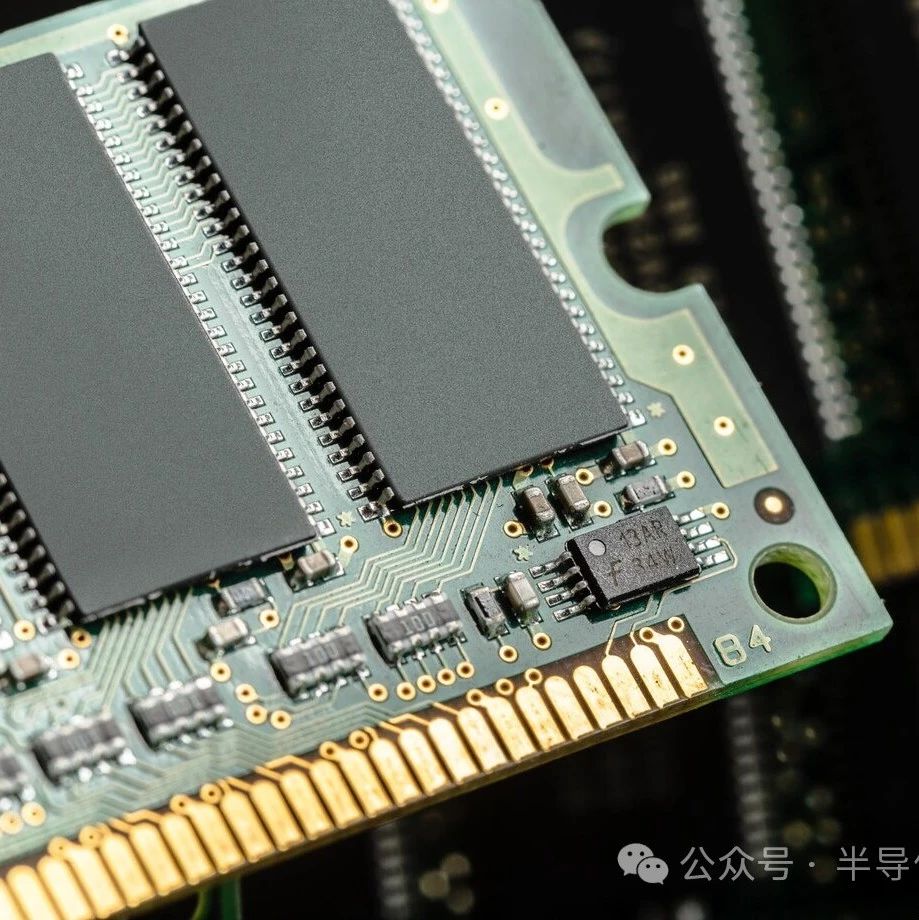
记忆体

Search documents
未知机构:高盛亚洲交易台盘面简报亚洲市场集体下跌地缘政治紧张引发板块轮动-20260304
未知机构· 2026-03-04 02:45
Summary of Key Points from Conference Call Records Industry Overview - **Asian Market Performance**: The Asian markets experienced a collective decline due to heightened geopolitical tensions impacting investor sentiment. The materials and commodities sectors underperformed, primarily due to profit-taking by investors, while oil-related stocks continued to rise, and defense sector performance was mixed [1][1]. - **Defensive Sector Rotation**: A defensive sector rotation was observed across Asia, with Singapore's market showing strong performance led by the banking sector. In Hong Kong, the stocks that rose were mainly in the real estate, finance, and telecommunications sectors [1][1]. Country-Specific Insights Australia - **ASX200 Index**: The Australian ASX200 index fell by 1.3%, with mining stocks significantly dragging down the overall performance, reflecting the broader trend in the Asia-Pacific region amid ongoing uncertainties in the Middle East [1][1]. Taiwan - **TAIEX Index**: The Taiwan Weighted Index (TAIEX) dropped by 2.2%, with major weighted stocks leading the decline, including TSMC down by 2%, Delta Electronics down by 6%, and MediaTek down by 4.5%. Smaller stocks experienced even greater declines, with memory-related stocks hitting or nearing their daily limits [2][2]. - **Market Dynamics**: Despite the sell-off, there was no panic selling from foreign investors, attributed to healthy and temporary deleveraging operations. Observations indicated a dual flow of smart money, with both bargain hunting and profit-taking activities occurring [2][2]. South Korea - **KOSPI Index**: The South Korean KOSPI index fell by 5.3%, primarily due to weakness in the memory sector, with Samsung Electronics and SK Hynix both down by 9%. The market's risk-averse sentiment was exacerbated by foreign selling pressure [3][3]. - **Defense Sector Performance**: Funds shifted from the semiconductor sector to defense stocks, which performed relatively well. The recent geopolitical developments are expected to accelerate key orders for defense companies like Rotem and Hanwha [3][3]. Japan - **Nikkei Index**: The Nikkei index declined by 3.03%, aligning with the overall regional downturn. A basket of heavily shorted stocks outperformed the market, indicating that the decline was more driven by long positions unwinding rather than aggressive short selling [3][3]. - **Consumer Stocks**: Domestic consumer stocks showed weakness, likely driven by inflation concerns, particularly with the potential rise in oil prices. Unlike other Asian markets, Japanese defense stocks underperformed, likely due to profit-taking [4][4]. Notable Stock Movements - **Life360**: The stock plummeted by 17%, marking its largest single-day drop since 2022. Conversely, Magellan's stock rose by 22% following the announcement of its acquisition plan for Barrenjoey [2][2]. - **Memory Stocks**: Significant declines were noted in memory stocks, with Nanya Technology down by 10%, Winbond down by 9.6%, and others experiencing similar drops [2][2]. Conclusion The overall sentiment in the Asian markets is cautious, driven by geopolitical tensions and sector-specific dynamics. Defensive sectors are gaining traction, while technology and consumer stocks are facing headwinds. The market is currently navigating through a phase of profit-taking and sector rotation, with varying performances across different countries in the region.
DDR 4,卖出天价
半导体行业观察· 2025-12-25 01:32
Core Viewpoint - The article discusses the significant price increase of DDR4 DRAM due to supply chain adjustments by major manufacturers, particularly Samsung Electronics, which is delaying the phase-out of DDR4 production to maximize profits and meet rising demand, especially in server applications [1][3]. Group 1: Market Dynamics - DDR4 16Gb spot prices have surged to $60, driven by supply constraints and increased demand from specific customers [1]. - Samsung is expected to slow down the planned discontinuation of DDR4 production, with a focus on securing long-term supply contracts under Non-Cancellable, Non-Returnable (NCNR) terms [1][2]. - The shift in Samsung's strategy indicates a prioritization of profit maximization in its memory business, as it aims to reclaim its position as an industry leader [1][3]. Group 2: Contractual Implications - NCNR contracts are being discussed with customers, allowing them to lock in prices and quantities, thus protecting against future market fluctuations [2]. - While customers face potential penalties for breach of contract, the stability offered by NCNR agreements is appealing amid rising prices [2][3]. Group 3: Production Adjustments - Samsung plans to transition production capacity from DDR4 to DDR5 and HBM-related products, but the current demand for DDR4 has led to a temporary retention of its production [3]. - The company is expected to maintain DDR4 production at least until the end of 2026 for specific applications, such as automotive and in-house brands [3][4]. - Other memory manufacturers are also struggling to meet DDR4 demand, leading to continued price increases and supply shortages [4]. Group 4: Industry Collaborations - Micron is actively seeking to expand its DRAM production capacity through partnerships and facility rentals, indicating a high level of collaboration within the industry to address capacity constraints [5].


三星与SK 海力士,首次超越台积电
半导体芯闻· 2025-12-24 10:19
Core Insights - The semiconductor industry's profit structure is changing due to the rapid increase in demand for artificial intelligence (AI) and a significant rise in memory prices [2] - Samsung Electronics and SK Hynix are expected to surpass TSMC in gross margin by Q4 2025, marking the first time since Q4 2018 that the memory industry outperforms foundries [2] - Micron, the third-largest memory manufacturer, anticipates its gross margin to reach 67% in Q2 of FY2026, indicating potential for profitability to exceed TSMC as well [2] Group 1: Memory Market Dynamics - The three major memory manufacturers have allocated approximately 18% to 28% of their DRAM capacity to high bandwidth memory (HBM), which has led to a quarterly price increase of over 30% for standard DRAM [2] - The shift in memory gross margins surpassing foundries is closely linked to changes in AI industry demand structures [2] Group 2: AI and Memory Technology - As AI applications transition from training to inference, the demand for high-speed data storage and instant access has significantly increased, relying heavily on HBM to supply data to GPUs for computation [3] - Despite general memory not matching HBM's performance, the demand for high-performance general memory is rapidly growing, with GDDR7 and LPDDR5X handling initial inference workloads [3] - Memory manufacturers are developing AI-oriented high-performance products, such as Processing-In-Memory (PIM) technology, which allows memory to perform some computations traditionally handled by GPUs [3]


美光确认,DDR4将停产
半导体芯闻· 2025-06-13 09:41
Core Viewpoint - Major DRAM manufacturers are transitioning from DDR4 specifications to advanced process products, with Micron officially announcing the end of DDR4 production, expected to cease shipments over the next 2-3 quarters [1][2]. Group 1: Market Strategy and Product Transition - Micron has communicated to customers that DDR4/LPDDR4 will be phased out, primarily affecting PC, smartphone, and data center sectors, while focusing on long-term customers in automotive, industrial, and networking markets [2]. - The memory market is experiencing rapid cycles, with DDR4 and LPDDR4 showing significant price increases due to supply shortages, potentially leading to LPDDR4 prices exceeding those of DDR5/LPDDR5 [2][3]. - Micron plans to enhance pricing power in low-margin sectors to ensure profitability, particularly in the mobile device market, which has lagged behind other sectors [1][3]. Group 2: Future Demand and AI Impact - Demand for high-bandwidth memory (HBM) is increasing, which is expected to drive up DRAM wafer demand and limit supply for non-HBM products, with prices anticipated to rise significantly starting in Q2 2025 [2]. - The strong demand from data centers and substantial capital investments in AI-related expenditures are expected to continue through 2026, presenting significant opportunities for the memory industry [3]. - The integration of AI functionalities in PCs and mobile devices is driving an increase in DRAM requirements, with devices transitioning from 8GB to 12GB or 16GB of memory [3]. Group 3: Profitability and Investment - Micron emphasizes that the memory sector has substantial room for margin and pricing improvements compared to other semiconductor industries, which have not yet reached the average profitability levels [4]. - The company aims to ensure that investments yield ideal returns and plans to reinvest funds into R&D and new investments to capitalize on overall industry growth [4].
美光确认,DDR4将停产
半导体芯闻· 2025-06-13 09:39
Core Viewpoint - Major DRAM manufacturers are transitioning from DDR4 specifications to advanced process products, with Micron officially announcing the end of DDR4 production, expected to cease shipments over the next 2-3 quarters [1][2]. Group 1: Market Strategy and Product Transition - Micron has communicated to customers that DDR4/LPDDR4 will be phased out, primarily affecting PC, smartphone, and data center sectors, while focusing on long-term customers in automotive, industrial, and networking markets [2]. - The memory market is experiencing rapid cycles, with DDR4 and LPDDR4 showing significant price increases due to supply shortages, potentially surpassing DDR5/LPDDR5 prices [2][3]. - Micron aims to enhance pricing power in low-margin sectors and improve profitability, particularly in the mobile device market, which has lagged behind other sectors [1][2]. Group 2: Future Price Expectations and Demand - Micron anticipates continued price increases for memory products, with DDR5/LPDDR5 entering a favorable market phase, benefiting mainstream applications in mobile devices, PCs, and data centers [3]. - Strong demand from data centers and significant capital investments in AI-related expenditures are expected to sustain growth in the memory industry through 2026 [4]. - The introduction of AI functionalities in PCs and mobile devices is driving increased DRAM requirements, with smartphones transitioning from 8GB to 12GB or 16GB [5]. Group 3: Profitability and Investment Focus - Micron emphasizes that memory margins and pricing have substantial room for growth compared to other semiconductor sectors, aiming to ensure investments yield ideal returns [5]. - The company plans to reinvest profits into research and development and new investments to capitalize on overall industry growth trends [5].
传三星通知客户:停产DDR4
半导体行业观察· 2025-04-22 00:49
全球记忆体市场进入剧烈变动期!据业界消息指出,三星电子已正式通知客户,将于2025年4月终 止1z制程8Gb LPDDR4记忆体生产(EOL,End of Life),并要求客户在6月前完成最后买进订单 (Last Buy Order,LBO),预计最迟于10月前完成出货。 来源:内容来自工商时报,谢谢。 业者分析,主要是因为因为中国大陆低阶手机采用的LPDDR4,已被陆厂拿走订单,三星未来将会 更聚焦LPDDR5以上的高阶产品。 此举也宣告DRAM产品结构再度洗牌,并反映韩系原厂正加速将产能转向高阶产品,如高频宽记 忆体(HBM)与DDR5。 台系记忆体厂因主力产品放在DDR4,法人预期,有望受惠于三星停产DDR4的动作。 业界人士指出,早在数月前,已传出三星有意停产部分DDR4产品,主要原因包括:一、为集中资 源于获利能力更高的HBM与DDR5产品线;二、陆厂持续扩张DDR4产能,并采取低价抢市策略, 导致市场竞争加剧与利润压缩。 此外,全球市场亦受到地缘政治因素干扰,美国总统川普于4月9日启动对等关税机制,拟对台湾 出口至美国的记忆体模组与SSD等产品课征32%关税。 如果您希望可以时常见面,欢迎标星收 ...
台媒:美光存储,全面涨价
半导体行业观察· 2025-03-27 04:15
Core Viewpoint - The article highlights a significant price increase in the memory chip market driven by surging AI demand, with Micron announcing price hikes across all product categories due to tight supply and demand conditions, expecting growth to continue until 2025-2026 [1][3][5]. Group 1: Price Increase Announcement - Micron has issued a notice to its supply chain regarding price increases, affecting both spot market prices and contract prices for uncompleted orders, indicating a shift towards a seller's market in the memory industry starting from Q2 2025 [3][5]. - The price of NAND components has already seen increases exceeding 15%, with some items rising over 20% [4]. - This price adjustment is unusual as it is initiated by Micron without prior market reactions, suggesting strong confidence in the demand outlook [5][8]. Group 2: Market Dynamics and Future Outlook - The memory industry is expected to recover starting from Q2 2025, with Micron anticipating sustained growth due to unexpected demand increases across various business sectors, particularly driven by AI applications [5][6]. - Micron's pricing strategy will be based on product value and return on investment, reflecting the growing interest in its product portfolio [5][6]. - There are indications that some product categories are already facing supply shortages, which may lead to unfulfilled orders despite existing demand [7]. Group 3: Customer and Supply Chain Implications - Micron has stated that it will not accept extensions for additional orders and that all unshipped orders will automatically update to the new pricing after the effective date [6]. - The company is urging customers and distributors to provide long-term demand forecasts to help manage production capacity effectively [7]. - The overall memory market is transitioning into a seller's market, with Micron's actions likely prompting other manufacturers to follow suit in raising prices [3][5].