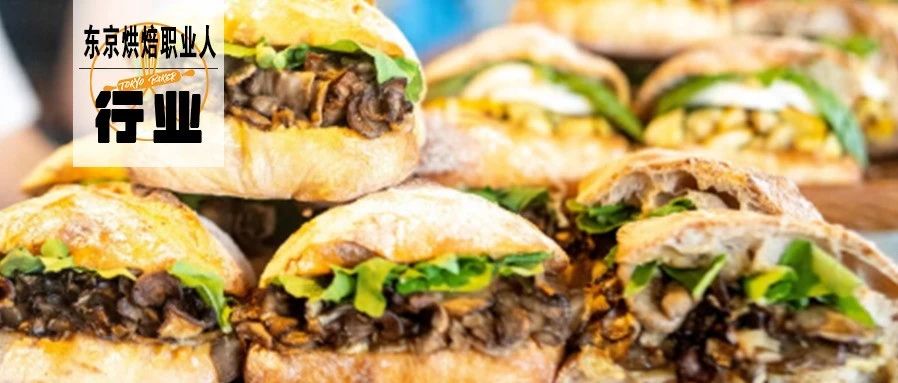
欧包

Search documents
【独家专访】欧包热销13年,稳居区域第一!这家烘焙小店靠什么留住客人?
东京烘焙职业人· 2026-02-26 08:33
Core Viewpoint - The article highlights the entrepreneurial journey of "Chez BOA," a French bakery in Xi'an, emphasizing the unique partnership between the husband and wife team, their commitment to quality, and their innovative marketing strategies that focus on customer loyalty and product authenticity [2][5][12]. Group 1: Business Background - "Chez BOA" was founded by a couple, with the husband being a former baking school teacher and the wife his student, symbolizing their love and commitment through the bakery [5][6]. - The bakery started from humble beginnings without significant capital or prime location, relying on the wife's management skills to establish a foothold in the market [6][9]. Group 2: Product and Market Strategy - The bakery offers a diverse product line, including European-style bread, pastries, and even pasta, driven by a "technology + management" approach [12][20]. - The couple emphasizes a health-conscious philosophy, focusing on low oil and sugar content, which differentiates them from competitors who follow market trends [13][15]. - The bakery incorporates local flavors, such as using local jujube for yeast, enhancing its regional appeal while maintaining quality [21]. Group 3: Marketing and Customer Engagement - The transparent kitchen design serves as a marketing tool, fostering trust and allowing customers to witness the baking process, which encourages feedback and engagement [27][30]. - The bakery has built a strong private membership base of nearly 30,000, focusing on customer retention rather than mass advertising, which has sustained its revenue during challenging times [26][33]. - The couple's social media strategy shifted from product promotion to sharing authentic behind-the-scenes content, creating a genuine connection with customers [37]. Group 4: Future Plans - The couple aims to develop a "bread restaurant" concept that combines high-quality bread with healthy meal options, focusing on a holistic dining experience [39]. - They prioritize product development based on customer feedback, ensuring that offerings remain relevant and appealing over time [41].

多图预警!欧包必学「割纹」手法,超强图文攻略详解!过年在家慢慢练!
东京烘焙职业人· 2026-02-15 08:32
Core Viewpoint - The article discusses the significance of scoring patterns on European bread (欧包), explaining that these patterns serve both aesthetic and functional purposes, primarily to control the expansion of the dough during baking [5][10]. Group 1: Historical Context and Purpose of Scoring - The practice of scoring bread dates back to when European villages shared a communal oven, where bakers marked their dough to prevent mix-ups [8]. - Scoring not only enhances the visual appeal of the bread but also allows for the release of internal pressure during baking, preventing undesirable ruptures [10]. Group 2: Timing and Technique of Scoring - The timing of scoring is crucial; it should be done when the dough has risen to about 80% of its final volume, characterized by a firm surface that is not sticky [13]. - Key techniques for scoring include being steady, precise, and quick, with a clear plan for the desired pattern before making the cut [14]. Group 3: Depth and Direction of Scoring - The depth of the score should be determined by the dough's gluten strength and fermentation level; deeper scores are suitable for high-gluten dough, while lower gluten or over-fermented dough requires shallower scores [16]. - The direction of scoring should align with the shape of the dough to ensure balanced expansion; round dough should be scored to allow even expansion, while oval or baguette shapes should direct expansion upwards and sideways [19][20]. Group 4: Scoring Angles and Patterns - The angle of the scoring knife is important; for round dough, the knife should be perpendicular, while for baguettes or oval shapes, a 45-degree angle is preferred to create a controlled "burst" effect [22]. - Various scoring patterns are introduced, including basic designs like diagonal cuts, center splits, and cross patterns, which can be adapted for creative expression [25][28][31]. Group 5: Advanced Scoring Techniques - The article encourages practicing basic scoring patterns to develop unique styles, likening the process to an artist's signature on their work [80].

现场直击!第七届路易·乐斯福杯中国预选赛落幕,全国总决赛席位锁定!
东京烘焙职业人· 2026-01-29 08:40
Core Viewpoint - The seventh Louis Lesaffre Cup World Baking Competition China regional preliminaries concluded successfully, with 34 bakers advancing to the national finals after a rigorous four-day evaluation process [1]. Group 1: Evaluation Process - The judging panel consisted of six esteemed experts from the baking industry, who assessed participants based on four criteria: technical skill, consistency, sustainability, and artistry [2]. - This year's preliminaries marked the first online selection, where scores were based on submitted workbooks and videos, highlighting the importance of thorough documentation and understanding of baking theory [4]. Group 2: Participant Performance - Judges noted that while many participants demonstrated a serious attitude and quality in their submissions, some lacked completeness in their workbooks and had weak theoretical knowledge, particularly in areas like percentage calculations and temperature control [4]. - The competition in the European bread category was particularly fierce, with judges encouraging non-qualifying participants to learn from their experiences and advising qualifying bakers to focus on product innovation in preparation for the finals [4][5]. Group 3: Specific Feedback - In the European bread category, judges observed that some first-time participants misunderstood competition guidelines, leading to inappropriate ingredient choices that did not align with the category's standards [4]. - The sweet bread category showed high technical levels but suffered from a lack of originality, as many participants reused previous works, resulting in lower creativity scores [4][6]. - The artistic bread group performed adequately but faced issues with fermentation ratios and overall creativity, which affected their scores [5][6]. Group 4: Future Prospects - The next stage is the China national finals scheduled for May 2027, where participants will face more challenging tasks and stricter time constraints, aiming to showcase the precision, creativity, and essence of Chinese baking [10]. - Ultimately, only three champions (one from each category) will represent China at the 2028 Baking World Cup in Paris, competing against top bakers from around the world [10].

知名品牌被曝跑路!失联、储值不退、人去楼空……创始人遭“悬赏”
Xin Lang Cai Jing· 2026-01-24 04:13
Core Viewpoint - The company "Salad Time" has faced significant backlash from consumers and franchisees due to operational failures, including the disappearance of vending machines, unfulfilled service promises, and financial insolvency, leading to bankruptcy proceedings for its parent company [3][21][22]. Company Operations - "Salad Time" was established in 2020, focusing on AI vending machines for healthy food options, and expanded rapidly with significant capital investment, including a notable endorsement from celebrity Jay Chou [10][14]. - The company had ambitious growth plans, aiming to deploy 100,000 vending machines by 2025, but faced operational challenges and market misjudgments that led to ineffective locations and increased pressure on operations [13][14]. Financial Issues - The company has been reported to have a strained financial situation, with delayed salary payments to employees and unresolved financial obligations to franchisees, leading to legal actions against it [15][20][18]. - Despite securing multiple rounds of funding, the rapid expansion and high operational costs have resulted in a cash flow crisis, ultimately leading to bankruptcy [14][22]. Consumer and Franchisee Reactions - Consumers have expressed frustration over unrefunded prepaid balances and poor customer service, with many vending machines reported as non-operational [5][17]. - Franchisees have reported significant losses, with some facing legal battles to recover investments and unpaid earnings, highlighting the company's failure to meet contractual obligations [17][18][20]. Legal Proceedings - The parent company has entered bankruptcy proceedings, and the founder has been subject to a public reward notice for information regarding his assets due to outstanding debts [22][23]. - Legal experts suggest that the operations of the subsidiary "Shenzhen Chef Easy Era" may be scrutinized for potential asset concealment and evasion of financial responsibilities [27].
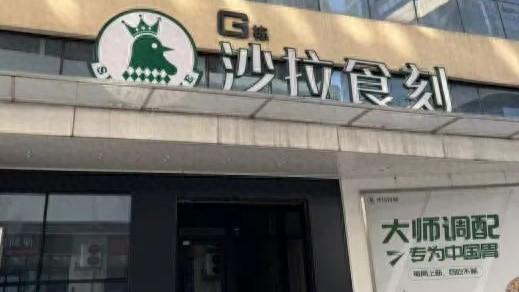
被曝跑路,老板遭“悬赏”!周杰伦曾代言,一现象级品牌申请破产
Nan Fang Du Shi Bao· 2026-01-23 05:08
Core Viewpoint - The company "Salad Time" has faced significant backlash from consumers and franchisees due to operational failures, including the disappearance of vending machines and unfulfilled service commitments, leading to bankruptcy proceedings for its main operating entity [2][11][16]. Group 1: Company Operations and Financial Status - "Salad Time" has seen its smart vending machines largely out of service, with many locations reported as permanently closed or non-operational, resulting in consumer complaints about unrefunded stored value balances [3][4][11]. - The company has applied for bankruptcy, with its main operating entity, Salad Time (Guangdong) Food Technology Co., Ltd., entering judicial proceedings, while its wholly-owned subsidiary, Shenzhen Chuyi Times Food Technology Co., Ltd., continues to open new stores [2][16]. - The rapid expansion and operational mismanagement have led to a cash flow crisis, with significant investments in marketing and infrastructure failing to yield timely returns [11][12]. Group 2: Franchisee and Employee Issues - Franchisees have reported severe delays in revenue sharing and refunds, with some taking legal action due to unfulfilled financial commitments from the company [12][14]. - Employees have also faced delayed salary payments, with some reporting unpaid wages for up to nine months, leading to widespread dissatisfaction and calls for accountability [12][14][16]. - The company's promises to resolve these financial issues have not materialized, further exacerbating the operational crisis and damaging its reputation [16][19]. Group 3: Market Position and Future Prospects - "Salad Time" was initially positioned as a high-value brand in the light meal sector, leveraging AI vending machines to serve urban professionals, but its market strategy has faltered due to poor demand forecasting and ineffective site placements [9][11]. - Despite previous successes, including significant funding and celebrity endorsements, the brand's operational model has proven unsustainable, leading to its current predicament [10][11].
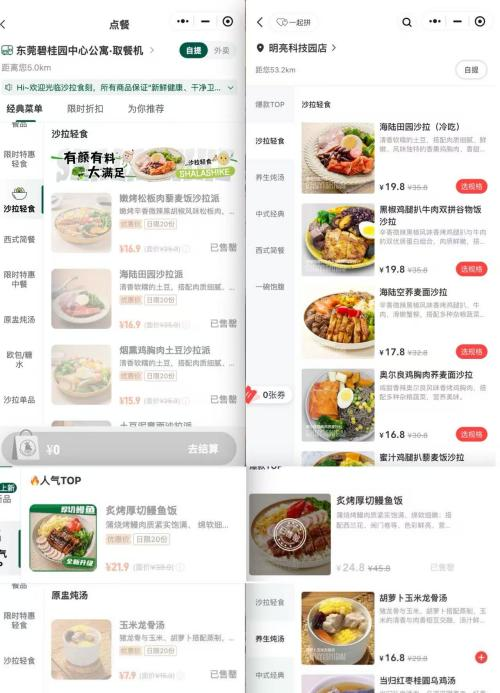
从周杰伦代言到破产跑路:东莞轻食品牌“沙拉食刻”走向式微
Nan Fang Du Shi Bao· 2026-01-22 04:24
Core Viewpoint - The company "Salad Time" has faced significant backlash from consumers and franchisees due to operational failures, including the disappearance of vending machines and unfulfilled service commitments, leading to bankruptcy proceedings for its main operating entity [2][31]. Group 1: Company Operations and Financial Status - "Salad Time" has seen its smart vending machines largely out of service, with many locations reported as permanently closed or not restocked, leading to consumer complaints about unrefunded balances and lack of customer service [5][26]. - The company has applied for bankruptcy, with its main operating entity, Salad Time (Guangdong) Food Technology Co., Ltd., entering judicial proceedings, while its founder faces legal issues related to debt [31][32]. - Despite the bankruptcy of "Salad Time," its wholly-owned subsidiary, Shenzhen Chuyi Times Food Technology Co., Ltd., has opened multiple new stores, raising questions about asset concealment and potential legal ramifications [2][33]. Group 2: Business Model and Expansion - Founded in 2020, "Salad Time" aimed to disrupt the food service industry with AI vending machines offering a variety of meals at competitive prices, primarily targeting office environments [18][20]. - The company received significant investment, including a 100 million yuan A-round funding and a partnership with celebrity Jay Chou for brand promotion, which initially fueled rapid expansion [20][23]. - However, the aggressive expansion strategy led to operational inefficiencies, with franchisees reporting delayed revenue sharing and misjudged market demand, contributing to financial strain [24][26]. Group 3: Legal and Consumer Issues - Franchisees and employees have reported severe delays in salary payments and revenue sharing, with some employees claiming unpaid wages for up to nine months [27][29]. - Legal actions have been initiated by franchisees against the company for unfulfilled financial obligations, with ongoing court cases highlighting the extent of the financial distress [30][31]. - The company's failure to meet its commitments has resulted in widespread consumer dissatisfaction, with many expressing frustration over lost investments and unreturned funds [2][5].

老板被悬赏“追债”,沙拉巨头暴雷,曾融资上亿,获周杰伦代言……
3 6 Ke· 2025-11-06 02:15
Core Viewpoint - The salad brand "Salad Shike" is facing a comprehensive trust crisis, marked by unpaid wages, delayed refunds to franchisees, and a significant operational shutdown of its smart vending machines, which were once a key part of its business model [1][7][10]. Group 1: Company Background - Salad Shike, established in 2020, gained popularity with its self-service vending machine model for ready-made salads and Chinese dishes, achieving over 100 million yuan in financing and signing Jay Chou as a brand ambassador [2][4]. - The brand's product offerings include various salads and fast food items, maintaining an average price point of around 15 yuan, emphasizing high cost-performance [2]. Group 2: Operational Crisis - Since March 2023, Salad Shike has been embroiled in multiple debt disputes, facing claims from franchisees, employees, consumers, and suppliers, leading to a deteriorating operational status [7]. - Employees have reported significant delays in salary payments, with some waiting up to nine months, and many have taken legal action without substantial progress [8]. - Customers have expressed frustration over unrefunded balances on their prepaid cards, with many vending machines reported as out of service, indicating a complete operational halt [10]. Group 3: Franchisee Issues - Franchisees have been particularly hard hit, with reports of delayed refunds exceeding eight months and some taking legal action against the company [11]. - The company has also failed to meet its financial obligations to suppliers and landlords, raising concerns about its operational integrity and financial health [11]. Group 4: Bankruptcy and Legal Actions - Salad Shike's parent company is currently facing bankruptcy proceedings, indicating a severe financial crisis that has escalated to judicial intervention [15]. - The founder has been publicly listed for enforcement by the court due to related debt disputes, suggesting potential asset concealment or evasion [15]. Group 5: Business Model Viability - The self-service vending machine model, while innovative, has faced criticism for its lack of convenience compared to delivery services and in-store dining, limiting its appeal [16][17]. - The reliance on pre-packaged meals has led to consumer skepticism regarding freshness and quality, further complicating the brand's market position [20][22]. - The operational structure of the vending model struggles to balance costs, demand, and product variety, leading to high waste rates and low consumer engagement [24][26][27]. Group 6: Industry Implications - The downfall of Salad Shike serves as a cautionary tale for the food and beverage industry, highlighting the necessity for business models to create genuine consumer value and maintain operational balance [28].

一个39元、76元,厦门店多人打卡!网友:消费观被刷新
Sou Hu Cai Jing· 2025-11-04 16:09
Core Insights - The trend of high-priced bakery products, particularly from foreign brands, is becoming a new label for the market, with items like croissants priced at 39 yuan and European-style bread at 76 yuan attracting significant consumer interest [1][3]. Pricing and Consumer Behavior - Mid to high-end bakery brands are focusing on concepts of quality, health, and social experience, leading to a general increase in product prices due to rising costs of ingredients, labor, and rent, along with brand premiums and marketing strategies [3][15]. - Consumers express surprise at the high prices, with some noting that a single piece of bread can cost as much as a meal, indicating a shift in spending habits [5][6]. - Despite some complaints about the prices, many young consumers are willing to queue for these high-priced items, demonstrating a strong demand for trendy bakery products [6][8]. Market Dynamics - The popularity of foreign bakery brands in Xiamen is evident, with many offering unique products that are priced higher than traditional bakeries [13]. - The increase in prices is attributed to significant rises in the costs of baking ingredients such as sugar, flour, butter, and chocolate, as well as the labor-intensive "handmade" production methods and high rental costs [16]. - Young consumers are motivated to purchase these high-priced items for the perceived quality and social recognition gained from sharing their experiences on social media [16]. Marketing Strategies - Some brands employ marketing tactics like scarcity marketing and brand positioning to create a high-end image, targeting specific consumer demographics [16]. - However, sustainable business practices require a balance between effective marketing and maintaining product quality and value for money to retain customers [16].

桃李面包
2025-11-01 12:41
Summary of the Conference Call Company and Industry - **Company**: 桃李面包 (Taoli Bread) - **Industry**: Bakery and Bread Products Key Points and Arguments 1. **Overall Performance**: The company's performance in the third quarter was in line with expectations despite challenges in the economic environment and channel transformations [2][3] 2. **Channel Transformation Challenges**: The difficulties in channel transformation were greater than anticipated, particularly in regions like Northeast and North China, which did not meet expectations [2][3] 3. **Long-term Market Confidence**: The company remains confident in the long-term market outlook and is committed to improving its current environment, including brand promotion and R&D expenses [3] 4. **Product Structure Changes**: The product structure is evolving, with a focus on increasing the variety of products, including pre-packaged items and online offerings [5][6] 5. **Consumer Behavior Changes**: There is a notable shift in consumer purchasing habits, with more diverse channels for buying bread, including online platforms like Pinduoduo and Douyin [6][7] 6. **Industry Entry Barriers**: The bakery industry has low entry barriers, leading to increased competition, but few can sustain quality and longevity in the market [7] 7. **Focus on Health and Variety**: The company aims to provide fresh and healthy products while meeting diverse consumer needs, emphasizing the importance of adapting to market changes [7][8] 8. **Sales Growth in Central China**: The Central China region has shown double-digit growth, attributed to increased efforts in channel development and the opening of new stores [13][14] 9. **Online Sales Growth**: Online sales are projected to reach nearly 10% of total sales, with ongoing promotional activities to boost this segment [14][15] 10. **Product Development for Large Clients**: The company is actively working on product customization and development for large retail clients, adapting to their changing needs [11][12] 11. **Capital Expenditure and Depreciation**: The company has completed significant capital expenditures, and the pressure from depreciation is expected to ease moving forward [22][30] 12. **Industry Competition and Market Dynamics**: The industry is experiencing pressure, particularly among mid-sized companies, with a trend towards smaller, more flexible producers entering the market [23][24] 13. **Future Outlook**: The company is optimistic about future performance, expecting improvements in revenue and profit, with a more precise forecast to be provided after Q4 [30][31] Other Important but Overlooked Content 1. **Management Adjustments**: The company is making gradual adjustments to its management structure to align with business model changes, focusing on stability while adapting to market demands [27][28] 2. **Consumer Education**: There is a need for better consumer education regarding product quality and differentiation in the bakery sector [24][25] 3. **Private Domain Traffic**: The company is exploring opportunities in private domain traffic, such as catering to specific institutional needs [26]

【日本探店】把酸硬欧包卖到爆火,小镇面包师用天然酵母与风味创新打造一段传奇
东京烘焙职业人· 2025-08-15 08:33
Core Viewpoint - The article highlights the journey of Chikura Bakery and its founder, Kitamura Chisato, emphasizing the connection between bread, people, and the land, showcasing the importance of natural yeast bread in everyday life [41][43]. Group 1: Bakery Background - Chikura Bakery, located in Hachioji, Tokyo, is known for its warm atmosphere and the aroma of freshly baked bread, attracting long queues of customers [1]. - The bakery's bread tells stories from the wheat fields to the dining table, reflecting the dedication of the chef, Kitamura Chisato, over her 20-year career [4]. Group 2: Founder’s Journey - Kitamura initially pursued a career in film but shifted to baking after being inspired by a large baguette at an event, leading her to work in a bakery [7]. - Her experience with natural yeast bread at Levain, Japan's first sourdough bakery, transformed her understanding of bread, prompting her to create healthier options without additives [10][8]. Group 3: Product Development - Kitamura faced challenges in selling large loaves, leading her to innovate smaller bread options that appealed to customers, such as cheese-filled varieties [15][17]. - The introduction of the Honey Country Bread, inspired by feedback from a French-trained baker, became a bestseller, leading to a series of popular products [20]. Group 4: Sourcing and Sustainability - In 2013, Kitamura began sourcing wheat directly from farmers, enhancing her understanding of the cultivation process and the importance of using natural farming methods [24][26]. - The bakery features unique breads like the "Nakanishi Spelt Wheat Bread," which showcases the flavors of the wheat and the stories of the farmers [28][30]. Group 5: Baking Techniques - Chikura Bakery employs specific fermentation methods to avoid sourness in their bread, utilizing a unique temperature control during the fermentation process [34]. - The bakery also offers a variety of sandwiches made with high-quality ingredients, showcasing seasonal vegetables and local flavors [36][38][40]. Group 6: Community Impact - Over 24 years, Chikura Bakery has evolved from a quiet shop to a beloved community staple, with a diverse customer base including families and elderly couples [41]. - Kitamura's vision is to make natural yeast bread a common presence on family tables, reflecting her commitment to quality and connection through baking [43].