
AI Hardware

Search documents
Reddit Sentiment on SMCI Collapsed From 82 to 12 in Three Weeks as Legal Crisis Deepens
247Wallst· 2026-03-27 10:35
Reddit Sentiment on SMCI Collapsed From 82 to 12 in Three Weeks as Legal Crisis Deepens - 24/7 Wall St. S&P 5006,477.40 -0.34% Dow Jones45,952.90 -0.33% Nasdaq 10023,570.60 -0.37% Russell 20002,484.83 -0.82% FTSE 1009,947.20 -0.12% Nikkei 22552,359.50 -0.61% Investing Reddit Sentiment on SMCI Collapsed From 82 to 12 in Three Weeks as Legal Crisis Deepens By David BerenPublished Mar 27, 6:35AM EDT Quick Read Super Micro Computer (SMCI) shares crashed 27% to $22.39 after federal prosecutors charged co-foun ...



海外火了!这款硬件让你的"龙虾"第一次有了身体!
深思SenseAI· 2026-03-27 09:53
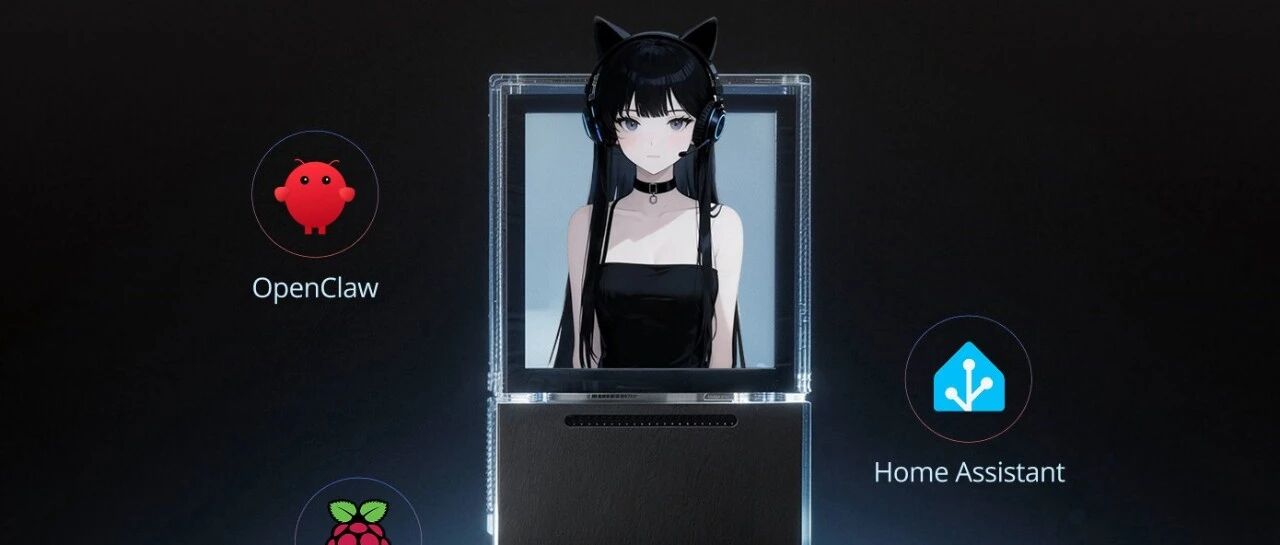
最近,Kickstarter 上一个叫 ClawStage 的小方块,把不少人的"好奇心"给勾起来了。 刚刚上线,就已经快速 冲破20万美元, 目前仍在飞速增长 ! 据官网披露,ClawStage是一个放在桌上、长了"眼睛"和"脑子"的小方块。 它最吸引我的地方,在于 "让云端的 AI 有了躯体" 。这背后,藏着一套叫 OpenClaw 的自托管 AI 框架 ,还有我们熟悉的 Raspberry Pi 5 硬件支撑。 以前 OpenClaw 只是活在代码和屏幕里的灵魂, 虽然聪明但总觉得隔着一层冰冷的屏幕。 如今有了ClawStage,它进到这个实体盒子里,有了"身体", 也有了可以 和你对视的眼神 。 这也让人不禁开始思考一个很具体的画面:当这个有"记性"、有"眼神"、甚至能帮你分担脑力的小方块真正住进你的桌角, 像个老友一样陪你开启每一天时 ,是否 会发生一些我们过去从未想象过的"桌面新常态"? 01 你的"第二大脑" 很多人工作时的常态是这样的:主屏幕上开着几十个标签页,手头正忙着赶一份 PPT,但心里总想着另一件事。 可能是某个项目的最新进展,或者是某个正在刷屏热点。你不得不每隔几分钟就切一下窗口,或 ...
华为憨憨、千问G1眼镜、Vbot浮出水面:谁代表AI硬件的下一站?
虎嗅APP· 2026-03-26 09:44
以下文章来源于爱冲浪社区 ,作者黄思语 热门AI产品与应用,交流与评测社区 头图|智能憨憨 作者|黄思语 过去3个月,虎嗅密集跟踪了AI硬件行业的一线动态,我们与投资人、创业者、供应链上下游进行了 大量交流。一个明确的感受是: AI硬件行业正在经历从"技术驱动"到"场景驱动"的底层切换。 那些曾被寄予厚望的方向正在回归理性,而一些"不够性感"的路径反而率先跑出了商业闭环。 基于这些观察,我们发起了 2026 Q1 向上向新|AI硬件趋势榜 的 众投评选。 同时,通过这篇文 章,我们想把这个阶段沉淀下来的核心判断,用评选中的几个代表性产品讲清楚。 我们验证了哪些方向?又看错了 哪些? 爱冲浪社区 . 几个被验证的判断: 功能性机器人落地碾压通用人形: 年初热议的"人形机器人元年"并未兑现,机器狗、配送机器人、 清洁机器人等刚需垂类产品,已在矿山、巡检、家庭陪伴场景实现批量出货。这类产品形态务实、场 景精准,核心壁垒在于AI调度与场景数据,而非硬件参数;投资人筛选项目的标准,也从"能否行 走"转向"有无真实订单"。 端侧AI锁定云端协同路径: 主打离线纯端侧大模型的路线已被证伪,受算力、功耗、体积限制,该 模式无 ...

独家丨Plaud中国区CEO莫子皓离职,瞄准AI硬件创业
雷峰网· 2026-03-23 10:06
Group 1 - Plaud is set to enter the Chinese market in September 2025, presenting both challenges and opportunities for the company [2][5] - The departure of Mo Zihai, the head of AI research and CEO of Plaud China, comes at a critical time as the company is expanding globally [3][5] - Under Mo's leadership, Plaud achieved significant milestones, including over 1 million units sold and an ARR of $250 million in overseas markets [3] Group 2 - The competitive landscape in the AI recording pen sector is intensifying, with products like DingTalk A1 and TicNote rapidly entering the market [5] - The core challenge for Plaud's China team is to build a deeper moat beyond "AI minutes" in a crowded market [5] - Mo's entrepreneurial background and experience in AI hardware suggest that his next venture may focus on efficiency-enhancing AI hardware tools [5]

OpenClaw爆火之后,AI硬件终于能来点“真AI”吗?
虎嗅APP· 2026-03-13 10:18
Core Viewpoint - The article discusses the rapid growth of AI hardware ecosystems driven by OpenClaw, highlighting the transition from AI merely "speaking" to "acting" in the physical world, and the potential for significant innovations in AI products like glasses and robots [5][10]. Group 1: OpenClaw's Impact - OpenClaw addresses the limitations of previous smart hardware, enabling AI to move from "generating content" to "operating in the physical world," which could lead to breakthroughs in product interaction and user experience [10]. - Current products like Rokid glasses, Vbot robotic dogs, and the MimiClaw open-source project are examples of how OpenClaw is expanding the possibilities for AI applications [10]. Group 2: Industry Opportunities - The article questions whether the development of AI hardware has reached a turning point following the explosion of AI software, and whether OpenClaw can help create widely recognized benchmark products in the AI hardware space [10]. - It discusses the potential for investment focus to shift towards platform companies versus product companies, and the implications for both large enterprises and smaller teams or makers in the AI hardware landscape [10]. Group 3: Event Information - An exclusive closed-door meeting is scheduled for March 18, 2026, aimed at discussing the real opportunities presented by OpenClaw and the future of AI hardware [16]. - The event invites entrepreneurs, investors, and industry observers to engage in meaningful discussions about the challenges and opportunities in the AI hardware sector [13][14].

未来智能以viaim品牌亮相AWE 2026:从AI耳机到更多形态的办公硬件
IPO早知道· 2026-03-13 03:27
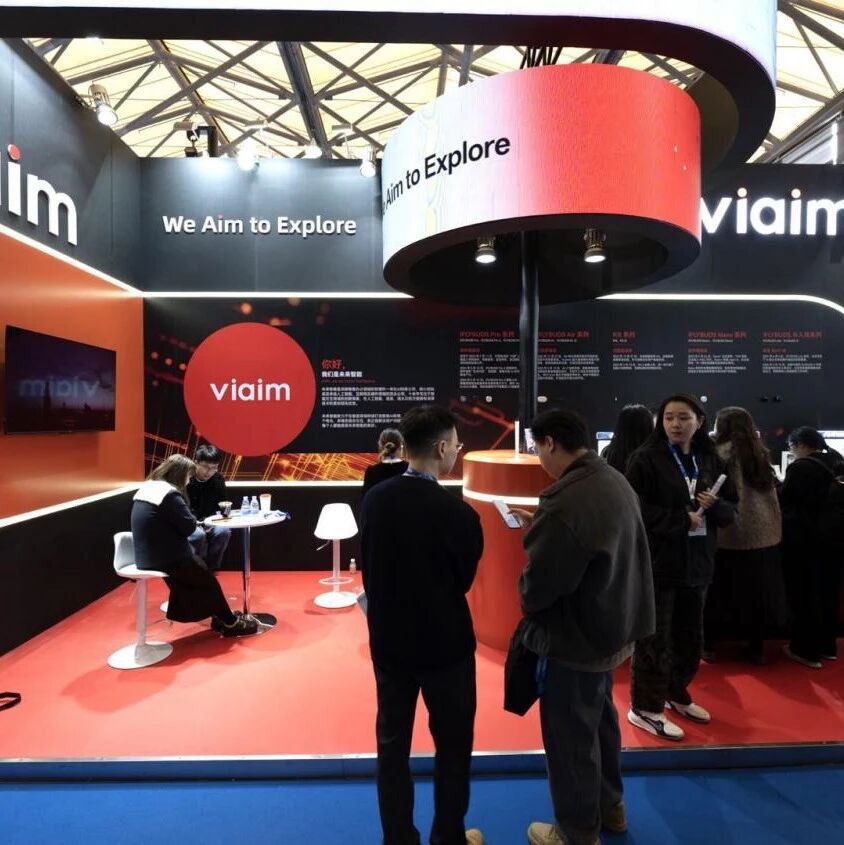
Core Viewpoint - The article highlights the emergence of "Future Intelligence" as a key player in the AI hardware sector, showcasing its focus on practical solutions for office environments through its independent brand "viaim" at the 2026 AWE, emphasizing a complete answer to the challenges faced by users in their work settings [3][5]. Group 1: Product Innovation - Future Intelligence's "viaim" booth featured an immersive AI office experience, demonstrating products like the iFlytek AI Conference Headset Pro 3 and Air 2, which effectively filter noise and transcribe meetings into actionable items, showcasing the practical application of AI technology [5][7]. - The company differentiates itself from traditional hardware manufacturers by focusing on real user problems in office scenarios, such as meeting record management and cross-border communication challenges, rather than merely competing on hardware specifications [7][9]. Group 2: Strategic Partnerships and Market Position - Future Intelligence's desktop office product "Meeting Dog Kit 2" was showcased at an Intel event, indicating strong industry recognition and signaling the importance of AI's contextual application in the evolving tech landscape [9][11]. - The article notes that the office environment is seen as a promising area for AI integration, with Future Intelligence concentrating on high-frequency, repetitive pain points in office tasks rather than broad, vague applications [9][11]. Group 3: Future Development and Vision - Future Intelligence emphasizes its "One Brain, Multiple Ends" strategy, with the "viaim brain" at the core of its AI Agent development, aiming to evolve from passive tools to proactive assistants that understand user habits and needs [11][13]. - The company plans to expand its product offerings beyond headphones, aiming to create a closed-loop ecosystem from perception to execution, addressing the growing concern of AI hardware homogenization in the industry [13][16].
种子轮融近3亿!小米89号员工,给耳机装上了摄像头
创业邦· 2026-03-05 00:09
Core Viewpoint - The article discusses the emergence of AI hardware, particularly focusing on the innovative approach of Guangfan Technology, which aims to redefine user interaction through a multi-device AI ecosystem that includes AI headphones, smartwatches, and charging cases [2][11][38]. Group 1: Company Overview - Guangfan Technology completed a significant financing round, raising nearly 300 million RMB in seed funding, led by Lenovo Capital and Starry Sky Capital, with participation from various notable investors [2]. - The founder, Dong Hongguang, previously worked at Xiaomi and has extensive experience in operating systems and hardware integration, which positions him uniquely in the AI hardware landscape [9][10]. Group 2: Product Innovation - Guangfan's flagship product, Lightwear, is a combination of AI headphones, a smartwatch, and a charging case, designed to enhance user interaction by integrating AI capabilities into everyday tasks [11][13]. - The headphones feature a lightweight design with a dual-camera system for AI visual perception, while the smartwatch provides display and interaction capabilities, creating a distributed interaction model [13][14]. Group 3: Market Context - The AI hardware sector is experiencing a significant boom, with various companies exploring different approaches, such as Alibaba's AI glasses and Looki's recording devices, indicating a competitive landscape [24][27][29]. - The article highlights the importance of user experience and the need for devices that can seamlessly integrate into daily life, addressing the limitations of traditional smartphones [22][24]. Group 4: Future Outlook - Guangfan Technology aims to create a universal AI assistant platform that can adapt to various user needs, moving beyond specialized hardware to a more integrated solution [37][38]. - The company is preparing for the launch of its products in early 2026, with a focus on user acceptance and gradual market penetration, similar to the early days of the iPhone [41].

三大股指集体低开 AI硬件概念逆势活跃显结构性韧性
Xin Lang Cai Jing· 2026-02-27 03:59
Market Overview - The A-share market opened with a weak adjustment due to mixed external market influences and short-term profit-taking pressure, with major indices showing a downward trend [1] - The Shanghai Composite Index opened at 4128.90 points, down 17.86 points or 0.43%, while the Shenzhen Component Index fell by 0.89% [1] Market Sentiment - Market sentiment is cautious, with a higher number of declining stocks at the opening, indicating a divergence in funds at current levels after previous fluctuations [1] Positive News Flow - The recent strengthening of the Renminbi exchange rate has become a focal point, with both onshore and offshore Renminbi against the US dollar breaking the 6.84 mark, reaching a nearly three-year high since April 2023 [1] - The People's Bank of China has increased its operations, conducting a 320.5 billion yuan reverse repurchase operation to support market liquidity [1] Institutional Insights - Multiple brokerages suggest that despite market fluctuations, there are still structural opportunities available, with a market turnover exceeding 2.5 trillion yuan [2] - The overall market is expected to maintain a stable upward trend in the short term, with a focus on sectors with positive earnings or pricing power [2] Sector Rotation - Analysts indicate a potential shift in market style from small-cap growth stocks to large-cap value stocks, with sectors like oil, non-ferrous metals, and chemicals expected to become key themes [2] - AI hardware remains a hot sector, continuing to attract funds and showing significant profit potential [3] Trading Dynamics - The A-share market is experiencing notable style shifts and structural differentiation, with a trading volume of 2.55 trillion yuan indicating strong willingness for portfolio adjustments [3] - Traditional sectors such as film, insurance, and real estate are facing adjustments, with some experiencing consecutive declines [3]
AI 硬件的上半场:失败、共识与进行中的探索
芯世相· 2026-02-26 07:06
Core Viewpoint - The article discusses the evolution of the AI hardware market in China, highlighting the shift from being a follower in global consumer electronics to taking a proactive role in defining future AI hardware products. This transformation is driven by the collaboration between model vendors and traditional hardware manufacturers, as well as elite entrepreneurs with backgrounds in large companies seeking to create native AI hardware solutions [6][20]. Group 1: Market Dynamics - Historically, Chinese companies have played a "follower" role in global consumer electronics, waiting for demand validation before leveraging manufacturing capabilities [6]. - The emergence of DJI has demonstrated that Chinese engineers can lead in new categories by solving novel problems, marking a shift in confidence and capability in AI hardware [6]. - The AI hardware market in China has seen a surge of interest, with two main forces shaping it: alliances between model vendors and traditional hardware, and elite entrepreneurs aiming to create original AI hardware [6][8]. Group 2: Initial Drivers - The initial push in the AI hardware sector was sparked by model vendors seeking commercialization pathways, particularly ByteDance, which catalyzed interest in integrating AI with hardware [8]. - By the end of 2024, ByteDance's model token costs dropped significantly, leading to collaborations with chip manufacturers and hardware solution providers to explore AI integration [8][12]. - The first product to gain traction was an AI toy, which was chosen due to its lower technical requirements and existing market validation [9][12]. Group 3: Market Challenges - Despite initial excitement, the AI toy market faced rapid decline after a peak during the 618 shopping festival, revealing high return rates and low consumer interest beyond initial novelty [14]. - The average usage time for AI toys was found to be less than two months, indicating a lack of sustained demand [14]. - The market quickly became saturated, leading to intense competition and diminishing returns for many companies involved [14][16]. Group 4: Investment Trends - A significant shift occurred in 2025, with investors increasingly favoring AI hardware startups over traditional software projects, driven by the perceived potential for quicker commercialization [20][22]. - Notable investments included Looki and Odyss, which attracted significant funding as investor interest in hardware surged [22][24]. - The consensus among investors is that AI hardware can provide more contextual data in the physical world compared to purely software solutions, leading to a renewed focus on hardware investments [24]. Group 5: Entrepreneurial Exploration - Entrepreneurs in the AI hardware space are divided on whether to focus on AI as a physical carrier or to create smarter consumer hardware with AI capabilities [26]. - Companies like Looki and Lightwear are exploring diverse applications of AI, while others like Odyss focus on specific, practical problems to justify consumer purchases [26][28]. - The challenge remains for these products to establish clear value propositions to consumers, as many current offerings lack compelling reasons for purchase [27][31].



收评:深成指窄幅震荡微涨0.19%,PCB、液冷服务器等AI硬件股多点开花
Xin Lang Cai Jing· 2026-02-26 07:04
Market Performance - The three major A-share indices showed mixed results, with the Shanghai Composite Index down 0.01%, the Shenzhen Component Index up 0.19%, and the ChiNext Index down 0.29% [1] - The total trading volume in the Shanghai, Shenzhen, and Beijing markets reached 25,566 billion yuan, an increase of 757 billion yuan compared to the previous day [1] - Over 2,400 stocks across the three markets experienced gains [1] Sector Performance - The sectors with notable gains included CPO, copper cable high-speed connections, optical fibers, PCBs, liquid cooling servers, wind power equipment, aerospace engines, cultivated diamonds, semiconductors, and sugar substitute concept stocks [1] - Conversely, the sectors that saw declines included film and theater, insurance, real estate, short drama games, complete automobiles, precious metals, duty-free shops, liquor, and retail [1] Influencing Factors - Nvidia's better-than-expected earnings report boosted sentiment in the AI industry chain, leading to significant gains in AI hardware stocks such as CPO, copper cables, liquid cooling servers, and PCBs [1] - Stocks like Tianfu Communication, Hengtong Optic-Electric, Shenling Environment, and Huafeng Technology reached historical highs during the trading session [1] - Domestic computing chip stocks also benefited from the AI wave, with Cambrian Technology rising nearly 10% in the afternoon [1] - The commercial aerospace sector became active in the afternoon, with notable gains in stocks like Electric Science Blue Sky and Aerospace Power [1] Weak Sectors - The film and theater sector continued to show weakness, with Bona Film Group hitting the daily limit down [1] - The real estate sector experienced a pullback following the previous day's positive news regarding Shanghai's housing market policies, with stocks like I Love My Home and Shilian Hang showing declines [1]