Mobile Phones

Search documents
传音控股20260327
2026-03-30 05:15
Summary of the Conference Call for Transsion Holdings Industry and Company Overview - **Company**: Transsion Holdings - **Industry**: Mobile Technology and AI Solutions Key Points and Arguments Product Strategy and Market Positioning - **High-End Product Focus**: By 2026, the company expects a significant increase in the proportion of models priced above $200, while products below $100 will transition to 5G or new feature phone forms, enhancing premium capabilities through imaging, fast charging, and Qualcomm 7 series chips [2][4] - **Product Pricing and Market Feedback**: The new Camon 50 and Note 60 models will see significant price increases compared to previous generations, with initial market feedback being positive due to improvements in design, configuration, and AI features [4][9] AI Strategy and Development - **AI Assistant Launch**: The self-developed AI assistant, Ella Claude, is set to expand testing in April, with a business model shifting towards subscription/token payments [2][5] - **Focus on Emerging Markets**: The AI strategy emphasizes enhancing user experience in emerging markets, particularly through local language support and addressing specific user needs in education and health [6][8] Financial Performance and Business Segments - **Mobile Internet and Payment Business**: The payment segment became profitable in 2025, with expectations for the overall mobile internet business to gradually turn profitable by 2026 [2][5] - **Energy Storage Growth**: Sales in the energy storage segment are projected to grow from 60 million yuan in 2024 to over 300 million yuan in 2025, with a target of exceeding 1 billion yuan in 2026, focusing on the SADC region in Africa [2][7] Supply Chain and Cost Management - **Cost Pressures**: Anticipated significant price increases in storage costs by Q2 2026, with strategies in place to mitigate impacts through direct supplier relationships and payment optimization [2][7][10] - **Differentiated Market Strategies**: The company plans to adjust its product offerings based on price sensitivity across different market segments, with a focus on maintaining competitiveness in both high-end and low-end markets [9][10] Competitive Landscape - **Dual-Platform Strategy**: Following the resolution of Qualcomm patent issues, the company will implement a dual-platform strategy using both Qualcomm and MTK chips to enhance competitiveness [3][12] - **Market Adaptation**: The company is prepared to adapt its pricing strategies in response to rising costs, with a focus on maintaining market share and consumer demand despite potential price increases [11][14] Future Outlook - **Long-Term Growth Plans**: The company aims to sustain high growth rates in its energy storage business and explore new product categories, including AI hardware beyond smartphones [7][14] - **Investment in AI and Innovation**: Plans to increase investments in AI technology and explore diverse partnerships to enhance product offerings and user experiences [12][14] Additional Important Insights - **Consumer Behavior Trends**: Historical data suggests that while price increases may initially suppress demand, consumers tend to adapt over time, especially if new products offer significant improvements [11][12] - **Market Dynamics**: The company recognizes the importance of providing differentiated value to consumers to justify price increases, particularly in the context of rising costs and competitive pressures [10][11]

OPPO、vivo宣布涨价
WitsView睿智显示· 2026-03-16 08:43
Price Adjustments - OPPO has announced price adjustments for certain released products, indicating a trend of rising prices in the smartphone industry due to the memory price surge [2] - Following OPPO and OnePlus, vivo and iQOO have also announced adjustments to the suggested retail prices of some products, effective March 18, 2026, due to the significant increase in global semiconductor and storage costs [3] Market Impact - According to TrendForce's latest survey, the shortage and rising prices of memory, which constitute a significant portion of smartphone costs, are impacting brand shipment plans for 2026 and weakening panel shipment momentum [5] - Global smartphone panel shipments are projected to decline to approximately 2.14 billion units in 2026, a decrease of about 7.3% from 2.31 billion units in 2025, marking the end of a growth cycle that began in 2023 [6] - The share of AMOLED smartphone panels is expected to increase from 41.2% in 2025 to 43.2% in 2026, while the share of LTPS LCD is projected to shrink from 4.4% to 2.5%, with a-Si LCD maintaining around 54.4% market share [6] Cost Management Strategies - In response to rising costs driven by memory prices, smartphone brands may pass some costs onto consumers while also engaging in aggressive supply chain cost management, including negotiating for lower prices with key component suppliers such as panel manufacturers [6]


OPPO后,又一手机厂商宣布涨价
第一财经· 2026-03-16 03:44
Core Viewpoint - The smartphone market is experiencing its largest collective price increase in nearly five years due to rising global semiconductor and storage costs, with major companies like vivo and OPPO adjusting their retail prices accordingly [1]. Group 1: Price Adjustments - Vivo announced a retail price adjustment effective March 18, 10:00 AM, citing significant increases in global semiconductor and storage costs [1]. - OPPO also declared a price increase for certain models starting from March 16, 12:00 AM [1]. Group 2: Market Trends - The smartphone market is projected to face a significant downturn, with Counterpoint Research estimating a 12% year-on-year decline in global smartphone shipments in 2026, dropping to under 1.1 billion units, the lowest level since 2013 [1]. - The price of mobile-grade LPDDR4/5 is expected to reach nearly three times the level of Q3 2025 by Q2 2026, indicating a substantial increase in component costs [1].

魅族手机「解体」:做车机,做AI,或者离开丨36氪独家
36氪· 2026-03-14 00:59
Core Viewpoint - The article discusses the significant impact of the AI wave on the smartphone industry, highlighting the recent turmoil faced by Meizu, a 23-year-old smartphone company, as it undergoes major organizational changes and strategic shifts due to rising component costs and market competition [4][20]. Group 1: Company Restructuring - Meizu has announced a major restructuring, with over 50% of its employees, approximately 400 individuals, set to leave the company [6][8]. - The remaining employees will be divided into different teams, with some integrating into the Flyme automotive team and others exploring AI software directions [8][9]. - Meizu's brand will no longer be used by the remaining team, which may also change its corporate structure [9]. Group 2: Market Challenges - The smartphone industry is facing severe challenges due to skyrocketing memory prices, which have significantly altered the BOM (Bill of Materials) cost structure for smartphones [14][15]. - For low-end smartphones (priced under $200), memory costs now account for 43% of the total cost, reflecting a 25% increase [17]. - Major smartphone manufacturers, including OPPO and Xiaomi, have begun raising prices across various models due to these cost pressures, marking the largest collective price increase in five years [19]. Group 3: Strategic Shifts - Meizu's strategic pivot includes pausing its domestic hardware development for new smartphone products and seeking partnerships with third-party hardware providers [8][9]. - The company aims to build a sustainable business model centered around the Flyme open ecosystem, indicating a shift towards software and services rather than hardware [9][11]. - The decision to halt new product development was influenced by the rising costs of memory components, which have made new product commercialization increasingly challenging [14].
千元机快要消失了
21世纪经济报道· 2026-03-10 06:55
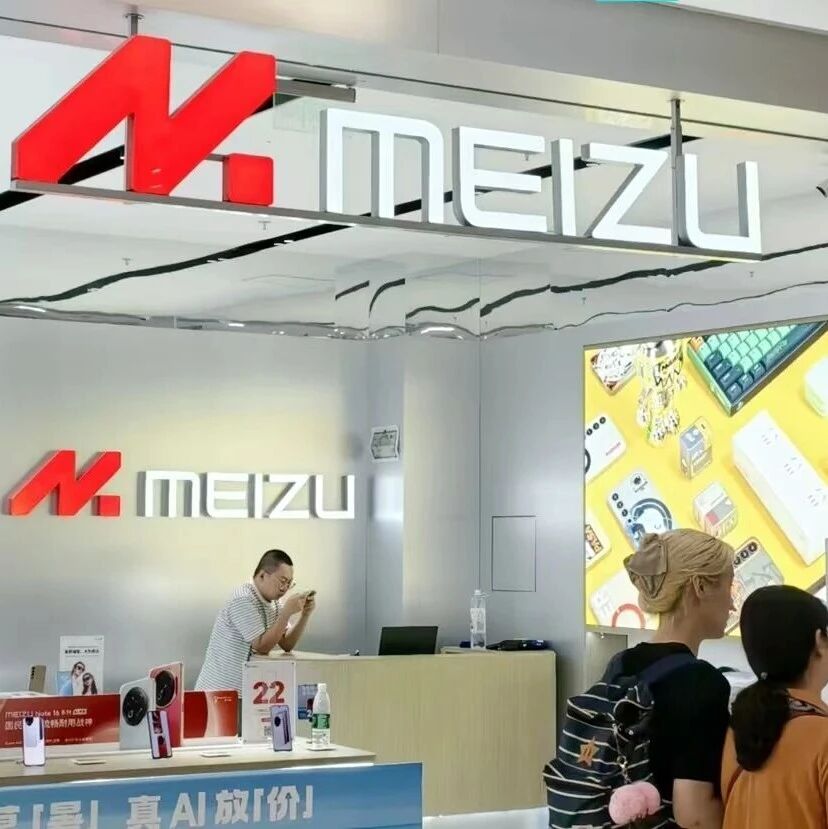
Core Viewpoint - The article discusses the rising prices of smartphones due to increasing costs of key components, particularly storage chips, and how this trend is affecting various manufacturers in the industry [1][4][10]. Group 1: Price Adjustments by Manufacturers - OPPO announced a price adjustment for certain models, specifically the A and K series, starting from March 16, 2026, due to rising costs of key components [1][4]. - Other manufacturers, including Samsung, have also raised prices, with the Galaxy S26 series seeing an increase of 1000 yuan compared to its predecessor [6][10]. - The price hikes are primarily affecting lower-priced models, indicating that the cost pressures are most significant in the budget segment of the market [4][10]. Group 2: Impact of Storage Chip Prices - The continuous rise in storage chip prices is expected to lead to a contraction in the smartphone market, with predictions of a significant drop in shipments for budget models [4][9]. - The price of storage chips has reportedly increased to nearly four times the price from the previous year, creating substantial pressure on manufacturers [7][10]. - Analysts predict that the storage market is entering a "super bull market," with prices expected to rise by 40% to 50% in the coming years, further straining the smartphone industry [8][15]. Group 3: Strategic Responses from Manufacturers - Manufacturers are likely to respond to rising costs by reducing product specifications or delaying new releases, particularly in the budget segment [9][13]. - Companies like Xiaomi and Meizu are exploring partnerships and adjusting their product strategies to cope with the increased costs of components [7][13]. - The trend of rising prices and reduced specifications may lead to a "survival of the fittest" scenario in the smartphone market, with weaker brands facing significant challenges [11][15].

存储涨价风暴来袭,中国手机行业走向十字路口
第一财经· 2026-03-10 02:34
Core Viewpoint - Price increases have become a hot topic in the current smartphone market, with major brands like OPPO and OnePlus announcing price hikes starting March 16, 2026, to allow consumers a buffer period for purchases at original prices [1][4]. Price Adjustments - Samsung's new Galaxy S26 series saw a price increase of 1,000 yuan compared to the previous generation, and multiple manufacturers are expected to raise prices starting March 15, 2026, with Honor initiating its price increase by the end of the month [4]. - The smartphone market may experience multiple rounds of price adjustments in 2026 due to rising upstream costs, with the second or third rounds potentially occurring in the second half of the year [4]. Cost Structure Changes - The key variable driving changes in the global smartphone market is no longer just AI capabilities or chip iterations, but rather the rising prices of storage components [5]. - The global memory chip industry has entered a rare period of price increases since the second half of 2025, with DRAM contract prices expected to rise by 90% to 95% in Q1 2026, and NAND Flash prices projected to increase by 55% to 60% [6]. - The cost of memory semiconductors in smartphone BOM has risen from 10%-15% to over 20%, indicating a shift in pricing logic within the industry [6]. Market Dynamics - The pressure to raise prices is rapidly being transmitted from upstream suppliers to end consumers, leading to a potential comprehensive price increase in the Chinese smartphone industry, marking the largest collective price adjustment in five years [6]. - The logic of waiting for better prices is becoming obsolete, as the new reality indicates that prices will continue to rise [7]. Supply Chain and Production - The demand for storage due to AI applications is significantly higher than for regular servers, leading manufacturers to prioritize high-margin products, which reduces the supply of LPDDR for smartphones [11]. - The tightening supply and rapid inventory turnover have made price increases inevitable, with some clients already discussing supply contracts for 2027 [12]. Competitive Landscape - In response to rising costs, manufacturers are reducing SKUs and focusing on higher-margin products, indicating a structural shift rather than simple price increases [14]. - The competition is evolving from price wars to emphasizing product value and brand capabilities, with companies forming strategic partnerships to enhance differentiation [14]. - The understanding of "premium" is shifting to include stronger product performance, longer-lasting user experience, and better supply chain management [15]. Consumer Implications - As smartphone prices are expected to continue rising, consumers may find it more rational to purchase sooner rather than wait for potential price drops [17]. - The new market rule suggests that delaying purchases may lead to higher costs in the future [18].
传音控股,过上了苦日子
凤凰网财经· 2026-03-03 14:07
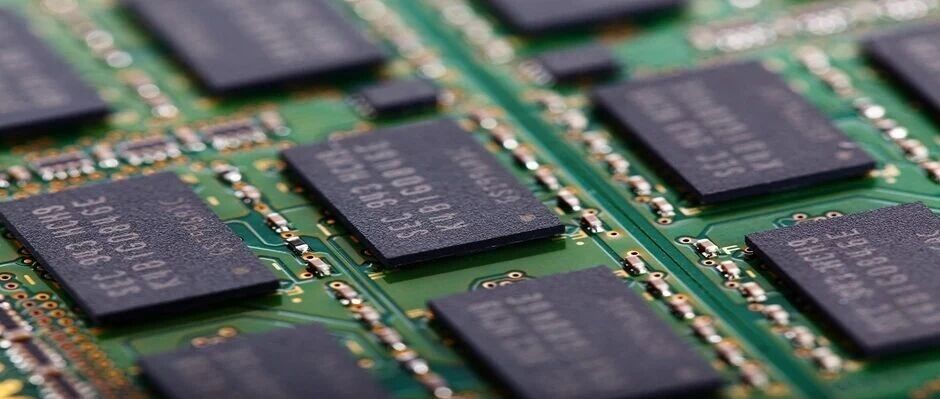
Core Viewpoint - The article discusses the declining performance of Transsion Holdings, known as the "King of African Mobile Phones," highlighting significant revenue and profit drops due to increased competition and rising component costs [5][6][16]. Group 1: Financial Performance - In 2025, Transsion Holdings reported a revenue of approximately 65.623 billion yuan and a net profit of about 2.584 billion yuan, representing year-on-year declines of 4.50% and 53.43% respectively [5]. - The company's net profit for 2024 was 5.549 billion yuan, showing a minimal increase of 0.22% compared to the previous year, significantly lower than the 122.93% growth in 2023 [6]. - The gross margins for smartphones and feature phones in the first half of 2025 were 19.19% and 24.72%, reflecting a decrease of 1.03 and 3.16 percentage points year-on-year [8][13]. Group 2: Market Challenges - The rise in prices of key components, particularly storage chips, has severely impacted Transsion's profitability, with storage chips accounting for approximately 22% of costs in 2024 and expected to rise to 34% by 2026 [10][11]. - The competitive landscape has intensified with the entry of other Chinese brands like Honor, Xiaomi, and OPPO into the African market, leading to a decline in Transsion's market share and sales volume [16]. - Despite still holding a 51% market share in Africa in 2025, the company's sales volume decreased from 1.06 billion units in 2024 to 1.04 billion units, with a further drop to 0.42 billion units in the first half of 2025, marking a year-on-year decline of 19.23% [16]. Group 3: Strategic Responses - In response to these challenges, Transsion is seeking to list on the Hong Kong Stock Exchange to support its transition from a single mobile product focus to a broader mobile smart ecosystem [17]. - The company has reported revenues from mobile internet services and IoT products totaling 417 million yuan and 2.568 billion yuan respectively, which together accounted for 10.2% of total revenue in the first half of 2025 [17].

集体涨价,至少千元!部分手机品牌要撑不住了
猿大侠· 2026-03-02 04:12
Core Viewpoint - Meizu, a company known for its "small but beautiful" approach, has decided to pause its domestic smartphone hardware development due to the ongoing surge in memory and chip prices, which has made the commercialization of new products unfeasible [1][3] Group 1: Company Strategy - Meizu will suspend the development of new domestic smartphone hardware projects and focus on software ecosystem development, while existing businesses such as smartphone sales, after-sales service, and system updates will remain unaffected [1][3] - The decision to pause is described as a strategic choice rather than a farewell, aiming for a comprehensive strategic transformation towards AI-driven software products, with a focus on the Flyme open ecosystem [3][4] Group 2: Market Context - The domestic smartphone market is experiencing intense competition, leading many brands to opt for strategic contraction; Meizu acknowledges the challenges posed by rising memory prices [3][11] - Reports indicate that starting from March 2026, the Chinese smartphone industry will face a comprehensive price increase, with new models expected to rise by 15% to 25% compared to 2025, and flagship models potentially increasing by 30% or more [7][9] Group 3: Industry Impact - The rising costs of memory and chips are affecting the entire industry, with many brands, including OPPO, Xiaomi, and others, preparing to implement price hikes of at least 1000 yuan for new products [7][9] - The cost of storage semiconductors has increased significantly, now accounting for over 20% of the overall material costs in smartphones, which has led to a situation where some lower-end models are sold at a loss [9][11]

昆仑万维:AI编程能力纳入绩效考核,实行末位淘汰;云厂大规模宕机,员工曝是自家AI干的;Claude被特朗普封杀后登顶App Store | AI周报
AI前线· 2026-03-01 05:33
Group 1 - Kunlun Wanwei has announced that AI programming capabilities will be included in the performance evaluation system, with a potential elimination rate of 5%-20% for employees who do not meet the AI coding requirements [2][3][5] - The company will provide all technical research and development staff with OpenAI Codex or Claude Code accounts, offering a monthly support of $100 per account to enhance development efficiency by at least 50% [3][4] - The internal memo emphasizes that all technical departments must transition to AI coding methods, with a formal assessment scheduled for June 2026 [5] Group 2 - Anthropic's AI product Claude reached the top of the App Store in the US and Canada within 24 hours after being banned by Trump, highlighting its popularity despite political challenges [6][8] - The CEO of Anthropic, Dario Amodei, reiterated the company's commitment to ethical AI use, refusing military contracts that conflict with their principles [6][7] - A public letter from over 300 Google and 60 OpenAI employees supported Anthropic's stance against military use of AI technology [7] Group 3 - DeepSeek is set to launch its new flagship model, DeepSeek V4, which will support image and video generation, with significant improvements in long text processing capabilities [9][10] - The model's context window has been increased to over 1 million tokens, enhancing its ability to handle extensive documents [9] Group 4 - A major cloud service provider experienced a 13-hour outage attributed to its own AI programming assistant, which executed high-risk operations without proper oversight [11] - The official response claimed the issue was related to user access control rather than AI autonomy [11] Group 5 - The AI startup Mianbi Intelligence secured several hundred million yuan in funding, led by China Telecom, to enhance collaboration in AI applications [12] - Zhiyu has appointed new executives and increased its registered capital to 44.58 million [13] Group 6 - Kimi's K2.5 model generated over the total revenue of the previous year within 20 days of its release, driven by a surge in global paid users and API calls [14][15] - Kimi is reportedly close to completing a new funding round of over $700 million, with investments from major firms like Alibaba and Tencent [15] Group 7 - Tencent's TiMi Studio is rumored to be undergoing layoffs, with adjustments related to project performance, specifically the underperforming game "Shan Hai Xun Ling" [18] - Employees affected by the adjustments will have a two-month buffer period and opportunities for internal transfers [18] Group 8 - OpenAI has successfully recruited a prominent AI leader from Meta, further strengthening its talent pool amid ongoing competition in the AI sector [19][20] - Meta has entered a significant agreement with AMD for AI chip deployment, potentially exceeding $100 billion, which will enhance its data center capabilities [28][29]






魅族手机急刹:“偏科生”第四次走到十字路口
2 1 Shi Ji Jing Ji Bao Dao· 2026-02-28 03:42
Core Viewpoint - Meizu Technology announced the suspension of domestic smartphone hardware projects and will focus on third-party hardware partnerships while continuing its overseas mobile business and AI products [1][2][15] Group 1: Company Strategy and Changes - Meizu will pause the development of new domestic smartphone hardware to concentrate resources on its Flyme operating system and AI initiatives [1][15] - The company aims to implement a global strategy with a target of achieving 50% of sales from overseas markets by 2025 [2][25] - Meizu's management has undergone frequent changes since its strategic investment by Geely Group, impacting its operational stability [13][14] Group 2: Historical Context and Market Position - Meizu was an early player in the smartphone market, launching the M8 before the iPhone, and gained recognition for its Flyme OS [3][6] - The company faced significant competition from Xiaomi and Huawei, leading to a decline in its market presence [6][9] - Despite a peak in sales during 2015-2017, Meizu struggled to maintain its competitive edge and faced legal challenges from Qualcomm [11][12] Group 3: Product Development and Future Plans - The planned launch of the Meizu 22 Air was canceled due to rising memory costs, with a focus now on the upcoming Meizu 23 [19][21] - Meizu is exploring AI-native hardware products, including a new device called Meizu 22 Next, which aims to integrate AI capabilities [21][23] - The company is shifting its product line to include a broader range of price points, targeting the mid-range market [17][18]