《小巷人家》

Search documents
蒋欣坦言在表演上有野心:在舒适圈里待着,是飞不起来的
Xin Lang Cai Jing· 2026-02-21 14:10
Core Viewpoint - The article highlights actress Jiang Xin's ambition in her acting career, emphasizing her willingness to challenge herself by taking on diverse roles and stepping out of her comfort zone [1] Group 1: Career Development - Jiang Xin expresses that she has found her acting path through various roles, such as Mu Wanqing in "Demi-Gods and Semi-Devils," where she felt she had a breakthrough in her performance [1] - She actively sought the role of Hua Fei in "Empresses in the Palace," which she cherishes and feels she could approach differently if given another chance [1] - The actress acknowledges the complexity of her character, Fan Shengmei, in "Ode to Joy," stating that if she does not resonate with the character, it will not resonate with the audience [1] Group 2: Ambition and Challenges - Jiang Xin articulates her ambition in acting, stating that she continuously attempts different types of roles, accepting both positive feedback and criticism [1] - She believes that remaining in a comfort zone will hinder growth, asserting that challenging roles enhance her skills and make her performances more vibrant [1] - The actress emphasizes the importance of taking on difficult projects to achieve greater artistic expression and personal development [1]
微信读书1月月度书单
Xin Lang Cai Jing· 2026-02-10 21:07
Group 1 - The monthly reading list of WeChat Reading is generated based on the reading big data of the month [1] - The book "Return to the Wolf Pack" by Li Weiyi and Hong Juan has the fastest growth in readership [2] - The most searched book is "Twilight is Coming" by Diana Asher [2] - The highest recommended book is "The Grapes of Wrath" (Volumes 1 and 2) by John Steinbeck [2] - High subscription books include "Seven Brief Lessons on Physics" by Carlo Rovelli, "Blossoms" by Jin Yucheng, "Today Store Closed" by Sakamoto Kenichi, and "The Art of Money" by Morgan Housel [2] - New notable works include "The Alley Family" (the original work of the same name) and "How to Quickly Understand an Industry" by Xiao Jing [2] Group 2 - The "Songyang Translator's Home" features a curated library list showcasing signed works by resident translators and books donated by various publishers [2] - The Macmillan Century Children's Book selection focuses on high-quality children's books for ages 0-18, established in 2012 [2] - Notable titles include "The Little Prince" by Antoine de Saint-Exupéry, illustrated by Chris Riddell, and translated by Huang Hong [3] - Other highlighted works include "The Fountain of Youth" by Natalie Babbitt and "My Friend Zachary" by Kim W. Holt [3]
气血充足的年代剧怎么拍?
3 6 Ke· 2026-01-22 04:35
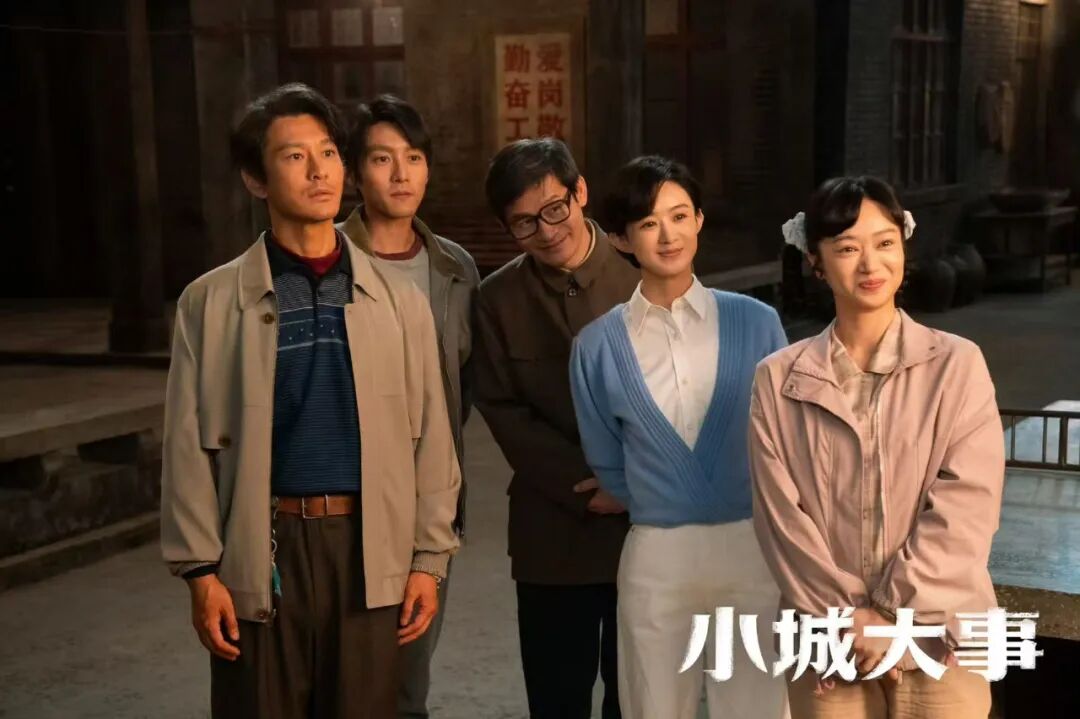
Core Viewpoint - The recent airing of the period drama "Small Town Big Affairs" has reignited discussions among viewers about the genre's market influence and appeal, particularly among younger audiences [1][2]. Group 1: Market Influence of Period Dramas - Recent period dramas like "Blossoms," "Mountains and Seas," and "The World" have demonstrated significant viewership and online discussion, showcasing the genre's market impact [1]. - The narrative scope of period dramas has expanded to include stories from the 80s and 90s, attracting a broader audience demographic [1]. Group 2: Characteristics of "Small Town Big Affairs" - "Small Town Big Affairs" is adapted from a report by Zhu Xiaojun, focusing on the establishment of "Yuehai Town" in the 1980s and the struggles of its characters [4]. - The show features a mix of character dynamics, including a university-educated protagonist and a grassroots candidate, creating natural dramatic tension [4]. - The series successfully captures the vitality and spirit of the era, although some critiques suggest that it struggles to maintain this energy in later episodes [4][6]. Group 3: Themes and Narrative Techniques - Recent period dramas have shifted from grand narratives to focus on the lives of ordinary people, often depicting family dynamics and everyday struggles [7][10]. - "Small Town Big Affairs" incorporates relatable subplots, such as matchmaking efforts among characters, enhancing viewer engagement through humor and relatability [11]. - The attention to period-specific details, such as fashion and cultural artifacts, adds to the authenticity and nostalgic appeal of the show [13]. Group 4: Audience Engagement and Trends - The genre has evolved to attract younger viewers, leading to changes in casting and storytelling approaches, including the use of popular young actors [14]. - Strong character conflicts and relatable themes have become key elements in attracting and retaining audience attention, as seen in shows like "The Family of Joe" [16]. - The emotional resonance of period dramas serves as a form of nostalgia for viewers, bridging generational gaps and fostering deeper connections with the content [18].

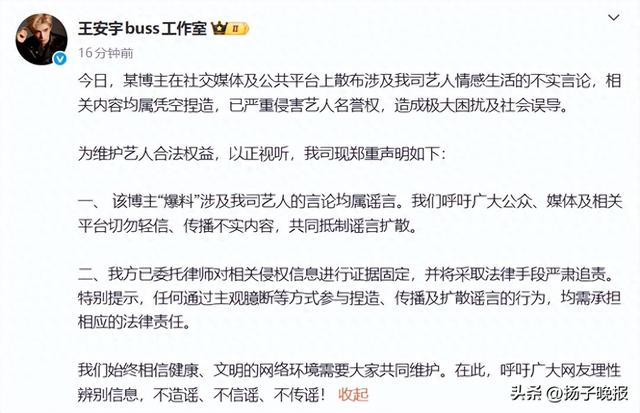
演员王安宇否认与关晓彤恋情:相关内容均属凭空捏造,已进行证据固定并将采取法律手段追责
Xin Lang Cai Jing· 2026-01-03 02:49
Group 1 - The studio of male star Wang Anyu denied rumors of a romantic relationship with actress Guan Xiaotong, stating that the claims are fabricated and have severely harmed the artist's reputation [1][2] - The studio has called for the public and media to refrain from spreading false information and has taken legal action against the source of the rumors [2] - The rumors originated from a blogger who claimed that Wang Anyu and Guan Xiaotong were dating, which sparked significant public interest and discussion [4] Group 2 - Guan Xiaotong, born on September 17, 1997, is a well-known actress and singer in mainland China, having previously been in a long-term relationship with Lu Han since October 8, 2017 [4] - Wang Anyu, born on February 3, 1998, gained fame after participating in the reality show "Tomorrow's Son" and has starred in several popular dramas [6] - The interactions between Wang Anyu and Guan Xiaotong have been limited to their professional collaboration in the drama "Little Alley Family," with no personal relationship confirmed [8]
《熊猫剧场》走进马来西亚
Ren Min Ri Bao Hai Wai Ban· 2025-12-09 00:59
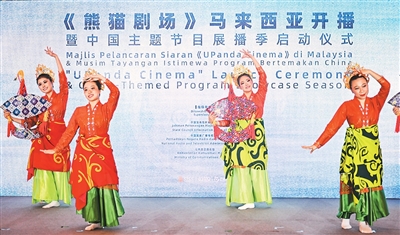
Group 1 - The launch of "Panda Theater" in Malaysia on December 6 marks a significant cultural collaboration between China and Malaysia, with over 100 representatives from both countries' government departments, cultural institutions, and the film and television industry in attendance [1] - The Malaysian Deputy Minister of Communications, Zhang Nianqun, emphasized that "Panda Theater" provides more options for Malaysian audiences to watch Chinese programs and understand Chinese culture, hoping for more quality programs in the future [1] - The Chinese Chargé d'Affaires in Malaysia, Zheng Xuefang, highlighted that "Panda Theater" is a carefully crafted brand project aimed at enhancing cultural exchange and understanding between the two nations [1] Group 2 - The event also marked the launch of a Chinese-themed program broadcast season, featuring over 100 hours of Chinese-themed content, including dramas, documentaries, and animations, to be aired on Astro's Malay-language channels until the 2026 Chinese New Year [1] - Additionally, the Wuzhou Communication Center signed cooperation agreements with Malaysian media companies to promote co-creation of short dramas and cultural exchange programs, further enhancing the collaboration between the two countries [2] - "Panda Theater" has been broadcast since 2021 and has collaborated with mainstream media in over 20 countries, reaching more than 130 million overseas audiences [2]
《熊猫剧场》马来西亚开播暨中国主题节目展播季启动仪式在吉隆坡举行
人民网-国际频道 原创稿· 2025-12-07 05:12
Group 1 - The launch of "Panda Theater" in Malaysia marks the beginning of a Chinese-themed program broadcasting season, aimed at enhancing cultural exchange between Malaysia and China [1][2] - The event was attended by over 100 representatives from Malaysian mainstream media, the film industry, cultural arts, and youth, highlighting the significance of cultural ties between the two nations [1] - The Malaysian Deputy Minister of Communications emphasized the importance of cultural exchange as a bridge for deeper understanding between the peoples of Malaysia and China [1] Group 2 - The broadcasting season will primarily feature Chinese content dubbed in Malay, with over 100 hours of programming planned, including dramas, documentaries, and animated series, to be aired until the 2026 Chinese New Year [2] - Agreements were signed between the Five Continents Communication Center and Malaysian media companies to promote co-creation of short dramas and cultural exchange in the film industry [4] - "Panda Theater" has previously collaborated with mainstream media in over 20 countries, reaching an audience of more than 130 million overseas viewers since its launch in 2021 [7]
《熊猫剧场》马来西亚开播暨中国主题节目展播季启动仪式在马来西亚举行
Xin Hua She· 2025-12-06 13:14
Core Viewpoint - The launch of "Panda Theater" in Malaysia marks a significant step in promoting Chinese culture and enhancing bilateral cooperation between China and Malaysia through media and entertainment [1][2]. Group 1: Event Overview - The launch ceremony for "Panda Theater" took place in Malaysia on December 6, attended by over 100 representatives from government departments, cultural institutions, and the film and television industry from both countries [1]. - The event was co-organized by the State Council Information Office of China, the National Radio and Television Administration of China, and the Malaysian Ministry of Communications [2]. Group 2: Cultural Exchange Initiatives - "Panda Theater" aims to provide Malaysian audiences with more options to watch Chinese programs and understand Chinese culture, with hopes for more quality programs in the future [1]. - The program will feature over 100 hours of Chinese-themed content, including dramas, documentaries, and animated series, broadcasted in Malay through Astro's channels until the 2026 Chinese New Year [1]. Group 3: Collaborative Agreements - Five continents Communication Center signed agreements with Malaysian Mango Media and Jiahua Film Industry for co-creation of micro-short dramas and cultural exchange [2]. - The "Panda Theater" project has been in collaboration with mainstream media in over 20 countries, reaching more than 130 million overseas audiences since its launch in 2021 [2].
巩固团结奋斗的思想基础——习近平文化思想的生动实践系列述评之三
Xin Hua She· 2025-10-10 12:51
Core Viewpoint - The articles emphasize the importance of consolidating a unified ideological foundation for the Chinese nation, driven by Xi Jinping's cultural thought, to support national rejuvenation and development [1][11]. Group 1: Ideological Foundation - The "Regulations on Ideological and Political Work of the Communist Party of China" was issued, marking a significant step in establishing a comprehensive framework for ideological work [2]. - The guiding ideology for ideological work emphasizes the need to uphold Marxism's leading position in the ideological domain and to strengthen the common ideological foundation for unity among the people [2][3]. Group 2: Marxism and Ideological Leadership - Marxism is identified as the fundamental guiding ideology for the Party and the nation, serving as the banner and soul of socialist ideology [3]. - The central leadership under Xi Jinping has established a system to maintain Marxism's guiding position in the ideological field, ensuring the Party's leadership over ideological work [3][5]. Group 3: Core Socialist Values - The core socialist values are recognized as the most enduring and profound force within the ideological framework, requiring collective recognition across society [6][7]. - Recent initiatives have been launched to promote and practice these core values, emphasizing their integration into daily life and cultural products [7][8]. Group 4: Cultural Development and Digital Integration - The rapid development of digitalization and intelligence necessitates enhancing governance capabilities in the cultural sector [9][10]. - The integration of culture and technology is highlighted as a strategic priority, with efforts to promote high-quality cultural development through digital means [10]. Group 5: Youth Engagement and Network Culture - Youth representatives have called for a collective effort to build a positive online cultural environment, reflecting the growing significance of the internet in cultural construction [10]. - The government has initiated various campaigns to foster a healthy online culture and address issues within the digital space [10].
国产剧开始流行小房子了?
虎嗅APP· 2025-09-11 23:58
Core Viewpoint - The article discusses the trend in recent Chinese dramas where female protagonists are depicted moving from larger homes to smaller living spaces, reflecting a shift in narrative that emphasizes autonomy and choice over traditional notions of status and wealth [5][9]. Summary by Sections Changing Narratives in Dramas - Recent Chinese dramas showcase female leads moving from spacious homes to smaller ones, indicating a narrative shift that challenges traditional views on marriage and living conditions [5][6]. - The phenomenon has sparked discussions on social media about the implications of "downward marriage" and the associated living conditions for women [6]. Autonomy and Choice - The article argues that the size of the home should not be viewed as a regression but rather as a reflection of the characters' agency and decision-making power [6][9]. - For instance, in "生万物," the character 宁绣绣 gains decision-making authority and autonomy despite moving to a smaller home, showcasing her ability to influence her circumstances [6][9]. Relationship Dynamics - The dynamics of relationships are explored, with female characters choosing partners based on compatibility and support rather than wealth, as seen in "子夜归" where the protagonist 武祯 exercises her choice in selecting a partner [7][15]. - The article highlights that the size of the home can symbolize the nature of the relationship, with smaller spaces fostering deeper connections and mutual support among characters [8][20]. Historical Context of Housing in Dramas - The article contrasts the current trend of smaller homes with earlier dramas that featured opulent living spaces, such as "我的前半生" and "亲爱的,热爱的," where wealth was prominently displayed [11][12]. - It notes that the portrayal of large homes in earlier dramas often served as a backdrop for romantic and social narratives, while the current trend reflects a more grounded and relatable approach to storytelling [11][14]. Modernity and Mobility - The shift from large homes to smaller living spaces is also seen as a response to modernity, where characters are depicted as more mobile and less tied to traditional notions of stability and ownership [17][19]. - The article suggests that this reflects a broader societal change where the significance of physical space is diminished in favor of personal agency and relationships [18][20]. Conclusion - Ultimately, the article posits that the trend towards smaller homes in Chinese dramas signifies a deeper understanding of female empowerment and the evolving nature of relationships in contemporary society [20].
从周杰伦到揽佬,我们经历了怎样的审美周期?
3 6 Ke· 2025-07-30 08:21
Group 1 - The article discusses the concept of "economic upward beauty," reflecting on nostalgia for early 2000s aesthetics and cultural elements, such as fashion and music, which symbolize a confident and optimistic economic period [1][2][3] - The rise of rapper Lan Lao, who surpassed Jay Chou in monthly listeners on Spotify, is seen as a representation of "economic downward beauty," contrasting the past's confidence with a current aesthetic that reflects economic challenges [1][8] - The discussion includes how economic cycles influence perceptions of beauty and aesthetics, questioning whether nostalgia for the past is genuine or merely a filtered memory [1][12] Group 2 - The conversation highlights the duality of beauty in economic contexts, with "economic upward beauty" associated with modernity and optimism, while "economic downward beauty" reflects a return to local roots and cultural identity [12][13] - The participants express that nostalgia is not just about longing for the past but also about reconnecting with one's identity and cultural heritage in the face of economic uncertainty [12][13] - The article suggests that the current cultural landscape is marked by a blend of nostalgia and innovation, where past aesthetics are reinterpreted to address contemporary emotional needs [17][18]