
《我与地坛》

Search documents
人民日报:一定要大量读书,书读多了,人真的会变
洞见· 2026-03-05 12:35
Core Viewpoint - The article emphasizes the transformative power of reading, suggesting that books can reshape one's thinking, broaden horizons, and provide a deeper understanding of life and oneself [3][10][38]. Group 1: Benefits of Reading - Reading allows individuals to look up while keeping their heads down, symbolizing a balance between humility and aspiration [4]. - Those who cultivate a reading habit can rise above mundane concerns and see beyond immediate trivialities, as illustrated by the story of Mo Yan, who found inspiration in books despite his humble beginnings [7]. - Reading serves as a refuge during difficult times, providing solace and clarity, as demonstrated by the experiences of scholars like Qian Liqun and Shi Tiesheng [10]. Group 2: Lasting Value of Books - Unlike material possessions or fleeting relationships, the knowledge gained from reading remains with individuals throughout their lives, providing enduring support [15]. - Nelson Mandela's experience in prison highlights that while physical freedom can be taken away, the freedom of thought and knowledge gained from reading cannot be [15]. - Books serve as a reservoir of wisdom that can sustain individuals through life's challenges, as noted by Calvino [15]. Group 3: Expanding Knowledge and Perspective - Reading is presented as a fundamental method for expanding one's understanding and overcoming personal limitations, as illustrated by the journey of writer Mai Jia [19]. - The article discusses how reading can reveal the vastness of the unknown, contrasting the ignorance of those who believe they know everything with the awareness of knowledgeable individuals [22][23]. - The act of reading fosters a deeper self-awareness and understanding of one's limitations, echoing Socratic wisdom [26][27]. Group 4: Escaping Isolation - Reading provides companionship and solace, especially in times of loneliness, as expressed by authors like Gabriel Garcia Marquez and Wang Xiaobo [30][31]. - The article suggests that literature can fill the void of solitude, allowing individuals to engage with the thoughts of great minds and find comfort in shared human experiences [31]. Group 5: Exploring the World Through Literature - Books offer a means to experience places and cultures that one may never physically visit, enriching the reader's life with diverse perspectives [36][37]. - The article posits that reading can compensate for the limitations of physical travel, allowing individuals to explore the world through the narratives of others [37].


妈妈和《我与地坛》
Xin Lang Cai Jing· 2026-02-07 06:20
Group 1 - The article reflects on the author's childhood experiences with their mother, emphasizing the importance of shared moments and life lessons learned through exploration and adventure [1][2] - The narrative highlights the influence of the book "I and the Temple" by Shi Tiesheng, which discusses themes of suffering, resilience, and maternal love [1] - The author recognizes their fortunate upbringing, attributing their appreciation for life and the world to their mother's unique educational approach [1] Group 2 - The connection to the Temple of Earth is significant, symbolizing shared memories and experiences between the author, their mother, and Shi Tiesheng [2]
倡扬有难度的散文写作
Huan Qiu Wang Zi Xun· 2026-01-07 10:32
Core Viewpoint - Artificial intelligence (AI) cannot become the dominant force in essay writing, as it lacks the ability to understand and convey the core values of literature, particularly in the realm of personal experience and emotional depth [1][2][3]. Group 1: Challenges and Limitations of AI in Literature - AI is a powerful tool for data processing and content generation but ultimately functions as a sophisticated statistical tool that cannot grasp the emotional and experiential nuances of literature [2][3]. - The limitations of AI are evident in its inability to produce genuine empathy or understand complex emotional states, which are essential for literary expression [2][3]. - AI-generated content often lacks the unique personal touch and depth that characterize high-quality essays, making it merely a tool rather than a creator [3][4]. Group 2: The Unique Qualities of Essay Writing - Essays are distinguished by their emotional color and individuality, which AI struggles to replicate, as seen in the contrasting examples of AI-generated and human-written descriptions of poverty and loneliness [3][4]. - The essence of essay writing lies in its ability to connect deeply with personal experiences and societal issues, which requires a level of thoughtfulness and insight that AI cannot provide [4][5]. - Essays serve as a broad platform for expressing complex thoughts and emotions, making them a vital medium for conveying unique perspectives and insights [4][6]. Group 3: The Importance of Thought and Wisdom in Essays - Thought is the backbone of essays, providing them with depth and meaning, and is essential for creating works that resonate with readers [4][6]. - Essays require a blend of personal experience and intellectual insight, which AI lacks, as it cannot draw from lived experiences or emotional truths [6][7]. - High-value essays are characterized by their ability to present unique life experiences and profound reflections, which AI cannot authentically replicate [7][8]. Group 4: The Role of Personal Experience in Essay Writing - The charm of essays lies in their ability to document personal sensations, memories, and emotions, making them a unique form of expression that AI cannot achieve [9][10]. - Essays should reflect the author's inner world and serve as a means of self-expression and understanding of the human experience, which is a challenge for AI-generated content [9][10]. - The difficulty of essay writing in the AI era stems from the need for unique life experiences and emotional depth, which AI cannot provide [9][10].
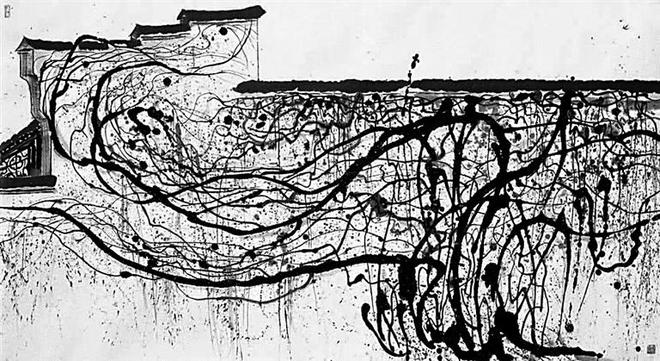
带王安忆逛地坛
Xin Lang Cai Jing· 2026-01-02 06:06
Core Viewpoint - The article reflects on the significance of the Ditan Park in Beijing, particularly through the lens of the literary works of Shi Tiesheng, and highlights the personal connections and experiences of various writers, including Liu Qingbang and Wang Anyi, with the park and its cultural importance [4][7][17]. Group 1: Historical Context - Ditan Park has been a cultural event space in Beijing since the first book fair in 2002, hosting multiple events annually, thus becoming a public cultural celebration [4]. - The park was once described as desolate, filled with wild trees and grass, before it became a popular site for visitors [5][6]. Group 2: Personal Experiences - Liu Qingbang recounts his early experiences in Ditan Park, where he practiced martial arts and encountered Shi Tiesheng, who was also a frequent visitor [5][6][7]. - The article describes a visit by Wang Anyi to Ditan Park, where she expressed her admiration for Shi Tiesheng's work "I and Ditan," indicating the park's literary significance [8][12]. Group 3: Literary Significance - The connection between Shi Tiesheng and Ditan Park is emphasized, comparing it to other literary landmarks, suggesting that the park has become a "literary sanctuary" due to his writings [7][14]. - The article highlights the enduring impact of "I and Ditan," which continues to resonate with readers and visitors, reinforcing the park's cultural relevance [17][18].
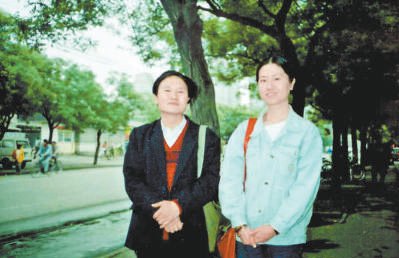
制造余华,反对余华
3 6 Ke· 2025-12-29 09:20
Core Viewpoint - Yu Hua's new book "A Secret Smile of Luke Ming" has received a low rating of 5.3 on Douban, indicating a disconnect between the author's previous acclaim and current reception [1][4]. Group 1: Reader Reception - The rapid criticism from fans reflects a shift in literary consumption, where readers expect immediate engagement with new works rather than a delayed critical analysis [4][17]. - The backlash against Yu Hua's new work highlights the cultural consumption's fast-food nature, leading to a scenario where even established authors face harsh scrutiny for their new releases [5][20]. Group 2: Themes and Content - The novel centers on a middle-aged man, Luke Ming, who engages in multiple extramarital affairs while simultaneously amassing significant wealth, illustrating a morally ambiguous character [5][21]. - The narrative includes themes of sexual addiction and manipulation, with Luke Ming's actions reflecting a critique of contemporary societal values [5][9]. Group 3: Cultural Commentary - The book's failure to resonate with readers may stem from its inability to maintain Yu Hua's cultural icon status, as it diverges from the expectations set by his previous works [20][22]. - The criticism of the book also points to a broader issue in contemporary Chinese literature, where authors struggle to authentically depict urban life and middle-class anxieties [22][23].

走进地坛(一捧书香)
Ren Min Ri Bao· 2025-10-06 22:01
Group 1 - The article highlights the significance of "I and the Temple of Earth" in contemporary literature, emphasizing its serene setting amidst a bustling city, which reflects the author's deep observations of life [1] - The allure of the Temple of Earth is described through vivid imagery of nature and human interactions, suggesting a place for reflection and connection with life's essence [2][3] - The narrative illustrates how the Temple serves as a metaphor for personal experiences and the continuity of life, encouraging individuals to embrace new beginnings despite past hardships [3] Group 2 - The article captures the atmosphere of the Temple of Earth during autumn, portraying it as a vibrant space filled with life and activity, where visitors seek to connect with the literary legacy of the author [2] - The description of various scenes at the Temple, such as people enjoying music and children playing, conveys a sense of community and joy, reinforcing the idea that such places can rejuvenate one's love for life [3] - The connection between the Temple and the broader historical context of the city is emphasized, suggesting that every visit can lead to a deeper understanding of one's own life journey [3]
一本书 一段路 一次精神成长(读书有味)
Ren Min Ri Bao· 2025-06-04 05:39
Core Insights - The article emphasizes the deep connection between reading and traveling, illustrating how both activities enrich human experience and understanding of the world [1][4]. Group 1: Historical Context - Ancient literati emphasized "recording scenery through literature," where they documented their travels and experiences, creating a tradition of intertwining reading and travel [1]. - The work of Yuan dynasty geographer Zhou Daguan, who documented the culture and history of the Khmer Empire, exemplifies the concept of "seeking scenery through books," leading to significant discoveries centuries later [2]. Group 2: Personal Experience - Modern travelers often carry books related to their destinations, enhancing their experiences by connecting historical narratives with personal journeys [3]. - The act of bringing a book on a trip serves to deepen the travel experience, allowing for a more profound understanding of both the scenery and one's inner self [3]. Group 3: Cultural Phenomenon - The trend of "bringing a book while traveling" has evolved into a popular cultural phenomenon, significantly influencing the tourism economy, particularly highlighted by the success of adaptations like "My Alashan" [4]. - This cultural shift transforms travel from merely observing landscapes to a more immersive experience of "reading landscapes," fostering a deeper understanding of both the world and oneself [4].
Claude:拆书
Hu Xiu· 2025-05-29 01:56
Core Insights - The articles explore the concept of "hidden doors" in literature, where each book addresses a fundamental question that the author grapples with, revealing deeper truths and insights [43][45]. Group 1: Key Themes in Literature - Each book serves as a response to a profound dilemma faced by the author, highlighting the essence of their existential inquiries [43][44]. - The "dark door" concept signifies the deeper understanding that can be unlocked through reading, allowing readers to discover the underlying messages and themes [45]. Group 2: Author's Dialogue - The true dialogue in literature is not with the audience but with the author's inner struggles and realizations, reflecting their personal journeys [5][21][33]. - Authors often confront their own vulnerabilities and questions, using their works as a means to explore and articulate these complex emotions [11][18][30]. Group 3: Transformative Insights - Each book presents a pivotal shift in understanding, guiding readers from confusion to clarity regarding their own lives and choices [8][16][24][35]. - The insights gained from these literary works encourage readers to reflect on their own experiences and perceptions, fostering personal growth and awareness [10][17][39].