
世界之窗

Search documents
原华侨城董事长段先念被带走?文旅地产模式终结?
Sou Hu Cai Jing· 2026-01-08 01:18
Core Viewpoint - The recent rumors surrounding the detention of Duan Xiannian have sparked significant reactions within the industry, highlighting the vulnerabilities of the Chinese cultural tourism real estate model [1] Group 1: Historical Context - During Duan Xiannian's leadership at Overseas Chinese Town A, the "culture + tourism + urbanization" and "cultural tourism + real estate" models were seen as golden formulas, with theme parks serving as traffic engines and real estate as cash machines [3] - The rapid expansion and prioritization of scale in the industry were initially successful, with examples like Happy Valley and Window of the World becoming industry benchmarks [3] Group 2: Structural Issues - The existing model relies heavily on asset expansion and future expectations rather than actual operating cash flow, leading to vulnerabilities when the real estate cycle reverses [4] - The Shenzhen Securities Regulatory Bureau and Shenzhen Stock Exchange have pointed out issues such as asset impairment and insufficient provisions, indicating structural risks in the cultural tourism projects [4] Group 3: Industry Challenges - The current environment, marked by the pandemic and deep adjustments in the real estate sector, has exposed the weaknesses of the model, resulting in significant losses for Overseas Chinese Town A in 2024 and consecutive deficits over three years [5] - Other state-owned enterprises are also facing similar challenges, indicating a broader issue within the integrated cultural tourism real estate model [5] Group 4: Future Considerations - The incident involving Duan Xiannian marks the beginning of a critical phase for Overseas Chinese Town, raising questions about asset revaluation, financial resilience, and the potential transformation of cultural tourism into a core business rather than a real estate appendage [6] - The industry must shift focus from scale to genuine customer flow, stay duration, consumption, and cash flow, with theme parks needing to evolve into sustainable content platforms [6] - The current situation compels the industry to confront the reality that cultural tourism is not merely a financial tool but requires patience, professionalism, and a long-term perspective [6]



传华侨城前董事长被查,资源叠加的央企巨头,为何陷入困局?
Sou Hu Cai Jing· 2026-01-06 12:47
Core Viewpoint - The news regarding the former chairman of Overseas Chinese Town, Duan Xiannian, being taken away by relevant authorities has caused significant turmoil in the industry, raising concerns about the company's governance and financial stability [1][3]. Group 1: Regulatory Actions and Governance Issues - In July 2023, the Shenzhen Securities Regulatory Bureau issued a warning regarding financial issues during Duan Xiannian's tenure, followed by a regulatory letter from the Shenzhen Stock Exchange in May 2024, specifically naming Duan and two other former executives for violations [3]. - The regulatory actions highlighted multiple violations, including inadequate assessment of asset impairment signs and insufficient provisions for asset impairment during Duan's leadership [3][4]. - The news of Duan's investigation confirms previous regulatory warnings and exposes significant governance weaknesses within Overseas Chinese Town, necessitating immediate internal reviews and improvements [4]. Group 2: Financial Impact and Market Reaction - The investigation is likely to impact market confidence, potentially leading to short-term volatility in the capital market, affecting the company's stock price and credit rating [3][4]. - The company may need to reassess past asset accounting and increase impairment provisions, which will directly affect its financial statements [5]. Group 3: Company Performance and Strategic Challenges - Since Duan Xiannian became chairman in September 2015, the company transitioned to a "culture + tourism + urbanization" model, achieving revenue growth from approximately 35.5 billion to 81.8 billion yuan and net profit growth from about 6.9 billion to 12.7 billion yuan between 2016 and 2020 [6]. - However, increased competition in the cultural tourism real estate sector and incidents like the roller coaster collision at Shenzhen Happy Valley have intensified challenges for the company [7]. - By 2024, the company reported revenue of 54.4 billion yuan but faced a net loss of 8.7 billion yuan, marking three consecutive years of losses and raising concerns about potential delisting [7].

杰出品牌营销年会跨界对话:品牌的慢与快
Jing Ji Guan Cha Wang· 2025-12-17 02:55
Core Insights - The forum focused on "brand effective growth from a symbiotic perspective," featuring discussions from experts in pharmaceuticals, cultural tourism, and sports brands [1] Group 1: Pharmaceutical Industry - Lunan Pharmaceutical has achieved a brand value exceeding 13 billion, positioning itself as a benchmark for brand innovation in traditional pharmaceuticals through its core value of "doing good and making good medicine" [1] - The company emphasizes building trust through content and a 24-hour real-person pharmacist service team, transitioning from brand awareness to customer retention [2] Group 2: Cultural Tourism Industry - Overseas Chinese Town (OCT) has developed a unique brand advantage by integrating commercial, tourism, cultural, and sports elements, managing nearly 3 million square meters of commercial space [1] - The company aims to transform its brand into a geographical symbol, enhancing its reputation and high-end attributes in Shenzhen [3] - OCT employs standardized brand building and IP activities to attract consumers, creating a symbiotic cycle of "venue attraction - merchant benefit - user satisfaction" [3] Group 3: Sports Industry - Anta has positioned itself as the leading domestic sports brand, with its running category's annual revenue surpassing many competitors, driving brand growth [1] - The company focuses on professional product development, particularly in high-performance running shoes, prioritizing quality over short-term sales growth [4] - Anta's commitment to professional storytelling and product performance has led to a significant increase in sales of its carbon plate running shoes, reflecting a hundredfold growth compared to 2023 [4] Group 4: Overall Brand Strategy - The discussions highlighted the symbiotic relationship between brand economy and traffic economy, emphasizing the importance of long-termism and brand value in managing traffic [5] - Key insights included the necessity of strong product foundations to attract traffic, with a consensus that good products lead to significant traffic regardless of media form [5]

华侨城集团总经理换人,这家央企连亏三年
Di Yi Cai Jing Zi Xun· 2025-09-05 12:50
Core Viewpoint - The appointment of Wu Bingqi as the new leader of Overseas Chinese Town Group is seen as a crucial move to address the company's ongoing financial losses and operational challenges [2] Group 1: Leadership Change - Wu Bingqi has been appointed as the Deputy Secretary of the Party Committee and nominated as the General Manager of Overseas Chinese Town Group, following his extensive experience in major state-owned enterprises [2] - His previous roles include significant positions at China Resources Land and China State Construction, where he demonstrated strong business capabilities [3][4] Group 2: Company Performance - Overseas Chinese Town Group has faced declining revenues since 2022, with continuous losses over three years, and the loss amount has increased in the first half of this year [2][6] - The company reported a revenue drop from approximately 1,000 billion yuan in 2021 to projected revenues of 767.67 billion yuan in 2022, 557.44 billion yuan in 2023, and 544.07 billion yuan in 2024, reflecting year-on-year declines of 25.17%, 27.39%, and 2.4% respectively [7][8] - The net profit attributable to shareholders has also seen significant losses, with a reported loss of 109 billion yuan in 2022, marking the first loss since the company went public [7][8] Group 3: Business Model and Challenges - The company has historically operated under a "cultural tourism + real estate" model, achieving substantial growth from 2016 to 2020, but has encountered limitations in this model [6] - The real estate sector's downturn has led to a decrease in sales and project turnover, further exacerbated by the impact of the pandemic [7][8] - The company's gross profit margin has declined, with the real estate segment's gross margin dropping to 5.49% [8]
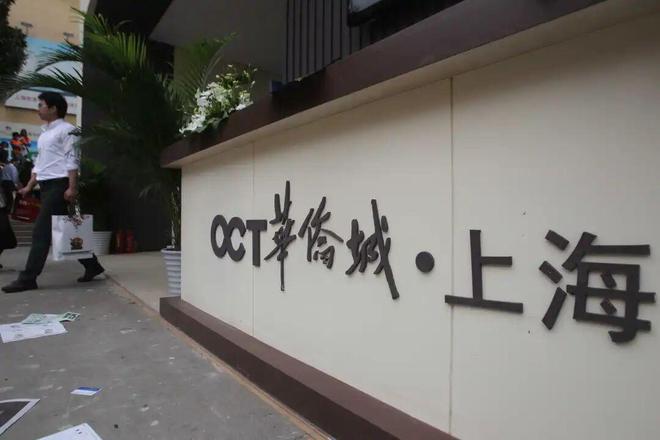
华侨城集团总经理换人,这家央企连亏三年
第一财经· 2025-09-05 11:37
Core Viewpoint - The appointment of Wu Bingqi as the new leader of Overseas Chinese Town Group is seen as a crucial move to address the company's ongoing losses and operational challenges, which have persisted since 2022 [2] Group 1: Leadership Change - Wu Bingqi has been appointed as the Deputy Secretary of the Party Committee and nominated as the General Manager of Overseas Chinese Town Group, following a career in major state-owned enterprises [2][4] - His previous experience includes significant roles at China Resources Land and China State Construction, where he demonstrated strong business capabilities [5][6] Group 2: Company Performance - Overseas Chinese Town Group has faced declining revenues since 2022, with three consecutive years of losses, and the losses are expected to increase in the first half of this year [2][9] - The company reported a revenue drop from approximately 767.67 billion to 544.07 billion yuan from 2022 to 2024, with year-on-year declines of 25.17%, 27.39%, and 2.4% respectively [11] - In 2022, the company recorded a net loss of 10.9 billion yuan, marking its first loss since going public, with further losses projected for 2023 and 2024 [11][12] Group 3: Business Model and Challenges - The company has historically operated under a "cultural tourism + real estate" model, achieving significant revenue growth from 35.5 billion to 81.8 billion yuan between 2016 and 2020 [10] - However, the real estate sector's downturn and the impact of the pandemic have severely affected its sales and profitability, leading to a decline in operational performance [11][12] - The company's real estate segment saw a revenue drop of over 70% in the first half of this year, with a gross margin further declining to 5.49% [12]
华侨城集团总经理换人,这家连亏三年的央企亟待业绩翻盘
Di Yi Cai Jing Zi Xun· 2025-09-05 09:28
Core Viewpoint - The appointment of Wu Bingqi as the new leader of Overseas Chinese Town Group is seen as a crucial move to address the company's ongoing losses and operational challenges, as the company has faced declining revenues and increasing losses since 2022 [1] Group 1: Leadership Change - Wu Bingqi has been appointed as the Deputy Secretary of the Party Committee and nominated as the General Manager of Overseas Chinese Town Group, bringing extensive experience from major state-owned enterprises [1][2] - His previous roles include significant positions at China Resources Land and China State Construction, where he demonstrated strong business capabilities, achieving notable sales growth in various regions [3][4] Group 2: Company Performance - Overseas Chinese Town Group has experienced a decline in revenue since 2022, with losses accumulating over three consecutive years, indicating significant operational challenges [1][5] - The company reported a revenue drop from approximately 1,000 billion yuan in 2021 to projected revenues of 767.67 billion yuan in 2022, 557.44 billion yuan in 2023, and 544.07 billion yuan in 2024, reflecting year-on-year declines of 25.17%, 27.39%, and 2.4% respectively [7] - The net profit attributable to shareholders saw a drastic decline, with a loss of 109 billion yuan in 2022, marking the first loss since the company's listing, and continued losses of 65 billion yuan and 86.62 billion yuan projected for 2023 and 2024 [7][8] Group 3: Business Model and Challenges - The company has historically operated under a "cultural tourism + real estate" model, achieving significant revenue growth from 355 billion yuan in 2016 to 818 billion yuan in 2020, with a maintained gross profit margin between 49.86% and 60.35% [5] - However, the model has faced limitations, leading to a restructuring effort in 2022 to separate tourism and real estate operations for more specialized development [6] - The real estate sector's downturn has severely impacted the company's financial health, with a significant drop in sales and project turnover, compounded by the effects of the pandemic [7][8]