乾崑智驾技术

Search documents
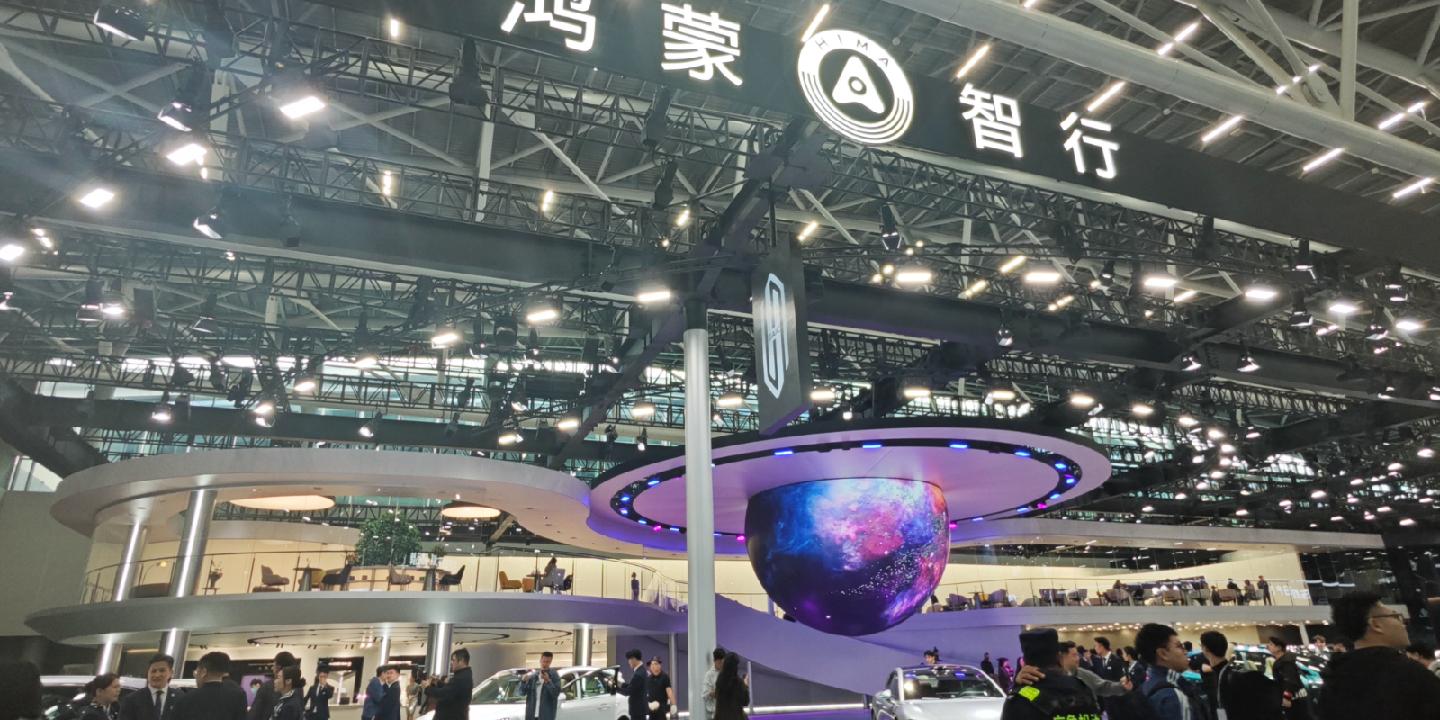
华为“占领”广州车展
Jing Ji Guan Cha Wang· 2025-11-29 09:24
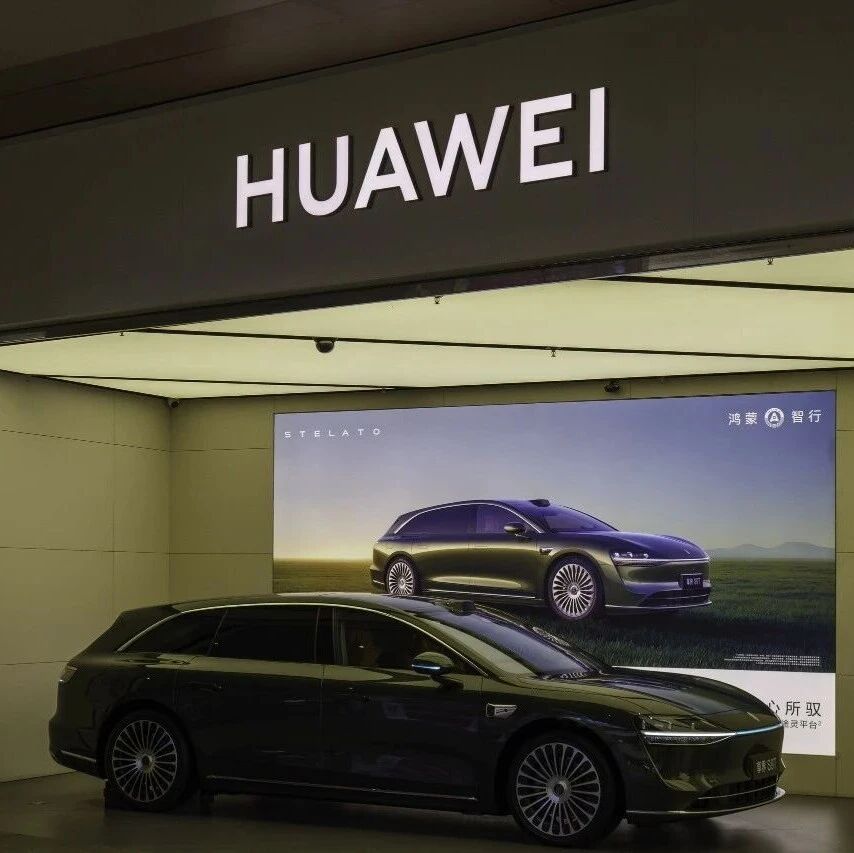
Core Insights - The 2025 Guangzhou Auto Show is highlighted as the most significant event in terms of technological integration, particularly with Huawei's extensive presence and partnerships in the automotive sector [2][5][9]. Huawei's Dominance in the Automotive Sector - Huawei has established itself as an indispensable player in the Chinese smart automotive industry, with numerous car manufacturers leveraging its technology to enhance their products [2][9]. - The launch of Huawei's new "Jing" series brands, including "Qijing" and "Yijing," marks a significant expansion of its automotive offerings, with plans for multiple new models to be introduced in the coming years [3][4]. Collaborations and Partnerships - Huawei has formed partnerships with various automakers, including Dongfeng and GAC, to develop new vehicle brands and models, showcasing a collaborative approach to innovation in the automotive space [3][4][6]. - The introduction of the A5L Qiankun Intelligent Driving Version by FAW Audi, which is the first fuel vehicle to feature Huawei's Qiankun technology, exemplifies the growing trend of luxury brands adopting Huawei's solutions [6][7]. Market Performance and Sales - In October 2023, vehicles equipped with Huawei's Qiankun driving system achieved sales exceeding 100,000 units in a single month, indicating strong market acceptance [9]. - As of September 2023, new cars in China featuring urban navigation assistance reached 1.628 million units, with those using Huawei's technology accounting for approximately 27.8% of the market share [9]. Industry Trends and Consumer Perception - The increasing adoption of Huawei technology among various car manufacturers reflects a shift towards smart and connected vehicles, aligning with consumer demands for enhanced safety and connectivity [8][10]. - Despite the proliferation of "Jing" and "Jie" brands, concerns about differentiation among vehicles using Huawei technology have emerged, suggesting that manufacturers must focus on unique branding and product features to stand out in a competitive market [10][11].



华为技术帮汽车圈“点石成金”?
经济观察报· 2025-11-29 07:30
Core Viewpoint - Huawei has become an indispensable presence in China's smart automotive industry, with its technology significantly enhancing the products of various car manufacturers, leading to a perception that without Huawei, success is unattainable [1][3]. Group 1: Huawei's Influence at the Auto Show - The 2025 Guangzhou Auto Show showcased Huawei's extensive presence, with multiple brands featuring Huawei's technology prominently, including independent booths for brands like Aito and Avita [2][3]. - Huawei launched its new "Jing" series brands, including "Qijing" and "Yijing," in collaboration with Dongfeng and GAC, marking a significant expansion of its automotive ecosystem [5][6]. Group 2: Market Performance and Brand Strategy - As of October 2023, Huawei's "Jing" series brands are set to release new models, with Yijing's first vehicle expected to debut at the Beijing Auto Show in April 2026, and Qijing planning to launch two new cars in 2026 [6][10]. - In October 2023, Huawei's vehicles equipped with the "Kirin" driving system achieved sales of over 100,000 units in a single month, indicating strong market acceptance [13]. Group 3: Partnerships with Luxury and Joint Venture Brands - Audi's A5L Kirin Intelligent Driving Edition became the first fuel vehicle globally to feature Huawei's Kirin technology, highlighting the growing trend of luxury brands adopting Huawei's solutions [8][9]. - Japanese joint venture brands like Dongfeng Nissan and GAC Toyota are also integrating Huawei's technology, with Nissan's "Tianlai Hongmeng Cabin" being promoted as the world's first fuel vehicle with the Hongmeng cabin system [9]. Group 4: Competitive Landscape and Differentiation - The proliferation of "Jing" and "Jie" brands raises concerns about differentiation among car manufacturers using Huawei's technology, as many brands may start to appear similar [14][15]. - Industry experts suggest that while Huawei's technology provides a competitive edge, the true differentiation will depend on how car manufacturers address consumer pain points and enhance their overall product offerings beyond just technology [14][15].
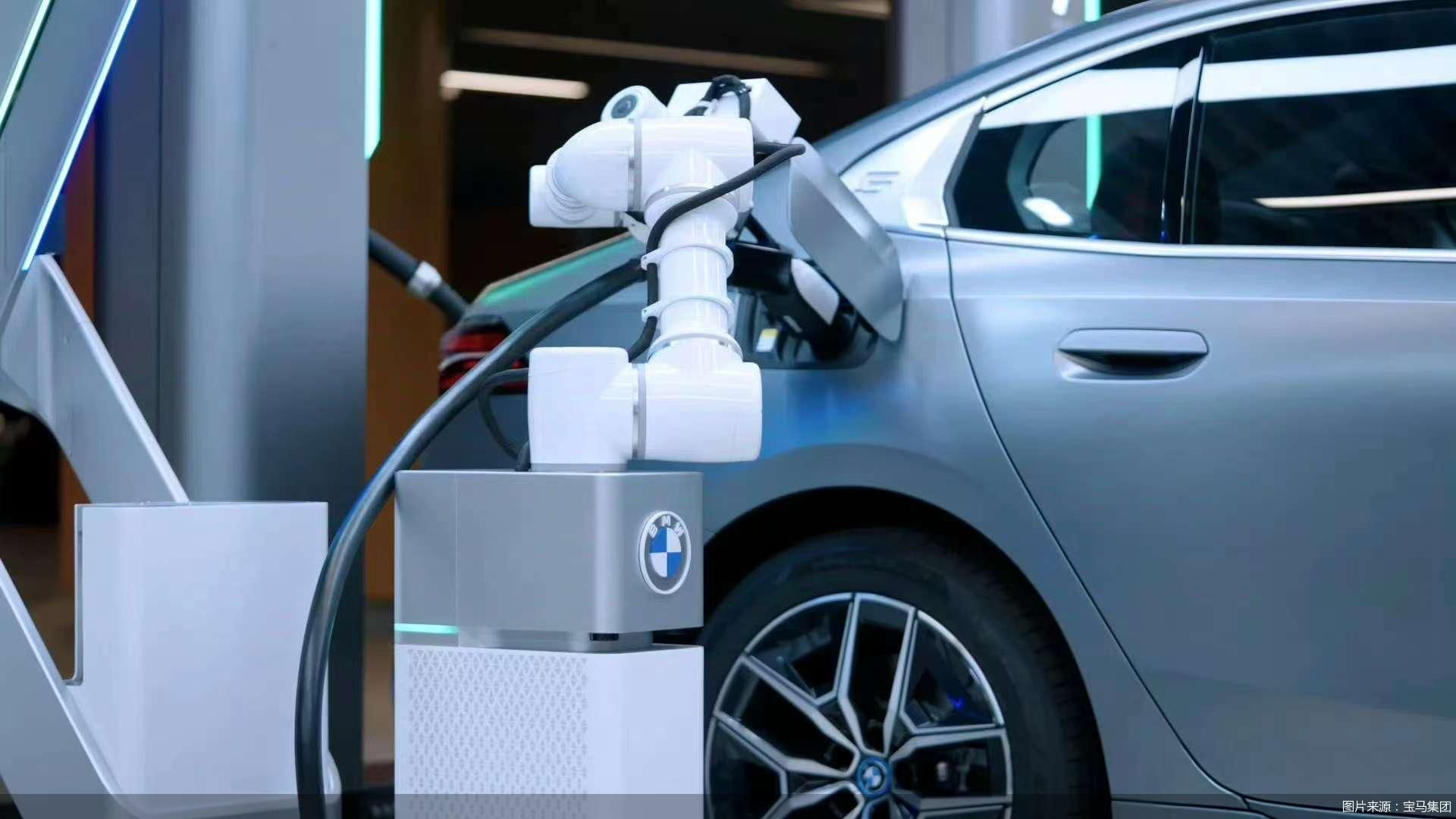
宝马联手Momenta,跨国车企涌向中国智驾
Bei Jing Shang Bao· 2025-07-15 06:47
Group 1 - BMW Group announced a partnership with Momenta to develop next-generation intelligent driving assistance solutions specifically for the Chinese market, focusing on AI-based software for driving assistance functions [2] - The new driving assistance system will support full-scenario, point-to-point navigation assistance, enabling cross-city travel from parking to destination [2] - Currently, BMW's existing models only support basic driving assistance features, with advanced functionalities like highway ramp access and traffic light navigation not yet available [2] Group 2 - At the Shanghai International Auto Show, several multinational car manufacturers, including Buick and Toyota, announced strategic partnerships with Momenta, highlighting the company's prominence in intelligent driving solutions [3] - Buick's L2 urban driving assistance technology will utilize a data-driven approach without relying on high-precision maps, showcasing the integration of advanced AI models [3] - The collaboration between multinational car manufacturers and local tech firms like Huawei is indicative of a trend where foreign brands are increasingly adopting local innovations in smart driving technology [3][4] Group 3 - The penetration rate of L2-level intelligent driving assistance vehicles in China reached 55.7% in the first half of last year, reflecting a growing consumer demand for smart features in vehicles [5] - The rising consumer expectations for intelligent cabins and personalized configurations are reshaping global automotive technology innovation [5] - The validation of local suppliers' capabilities is attracting more multinational car manufacturers to collaborate with Chinese tech firms [5]