
一汽奥迪A5L乾崑智驾版

Search documents
燃油车入局智能化,传统品牌积极推进“油电同智”
Zheng Quan Shi Bao Wang· 2025-12-11 05:24
Core Insights - The automotive industry is witnessing a shift where traditional fuel vehicles are accelerating their smart technology integration to compete with the rising market share of electric vehicles (EVs) [1][2][9] - Industry experts suggest that the smartification of fuel vehicles is a transitional solution, as the long-term trend favors the replacement by electric vehicles, leading to a restructuring of the automotive supply chain [1][9] Fuel Vehicle Smartification - The launch of the first fuel sedan equipped with Huawei's advanced driving solution, the FAW Audi A5L QianKun, signifies a trend where traditional fuel vehicles are adopting smart technologies [2][3] - Data from the China Passenger Car Association indicates a 17.3% year-on-year decline in fuel vehicle sales in 2024, with their market share dropping to 52.4%, and further down to 49.9% in the first nine months of 2025 [2] - A report highlights that 71.9% of consumers consider smart cockpit features as a primary factor in their purchasing decisions, indicating that smart technology is becoming a critical decision-making factor [2] Technological Challenges - Experts point out several technological bottlenecks in the smartification of fuel vehicles, including limitations in architecture, power supply issues, and challenges in heat dissipation and integration [5][6] - The traditional fuel vehicle's distributed electronic architecture has low bandwidth, making it difficult to support high computing demands, while the 12V battery cannot sustain the power needs of advanced driving hardware [5][6] Industry Trends - The trend of fuel vehicles adopting smart driving solutions is gaining momentum, with various models from brands like Mercedes-Benz and Volkswagen also integrating smart technologies [3][4] - The automotive industry is moving towards an "oil-electric intelligence" strategy, with major players like FAW-Volkswagen and Mercedes-Benz committing to smart upgrades across their fuel vehicle lineups [8][10] Future Outlook - The shift towards smartification in fuel vehicles is expected to have profound impacts on the automotive industry, driving more companies to invest in smart driving technology and potentially altering market competition dynamics [9] - The long-term outlook suggests that electric vehicles will dominate the market, with the smartification of fuel vehicles serving as a defensive innovation strategy to buy time for the transition [9][10]

燃油车加速智能化 供应链或重塑
Zheng Quan Shi Bao Wang· 2025-12-10 23:37
Core Insights - The increasing demand for intelligent driving is driving traditional fuel vehicles to accelerate their smart transformation in response to market competition [1] - The launch of the first fuel sedan equipped with Huawei's advanced intelligent driving solution, the FAW Audi A5L QianKun Intelligent Driving Edition, marks a significant development in the automotive industry [1] - Industry experts suggest that the smart transformation of fuel vehicles is a transitional solution, as the long-term trend favors electric vehicles, leading to a restructuring of the automotive supply chain [1] Industry Trends - The market share of new energy vehicles is continuously increasing, prompting traditional fuel vehicles to adopt intelligent features [1] - The automotive industry is expected to evolve into a structure where "electrification lays the foundation, and intelligence determines the victor" [1] - The status of traditional Tier 1 suppliers is declining, with Chinese technology companies becoming the core of the supply chain [1]
燃油车入局智能化 传统品牌积极推进“油电同智”
Zheng Quan Shi Bao· 2025-12-10 18:52
Core Viewpoint - The automotive industry is witnessing a shift where traditional fuel vehicles are accelerating their smart technology integration to compete with the rising market share of electric vehicles (EVs). However, experts believe that this smartification of fuel vehicles is a transitional solution, as the long-term trend favors the replacement by electric vehicles, leading to a restructuring of the automotive supply chain with Chinese tech companies becoming central players [1][9]. Group 1: Smartification of Fuel Vehicles - The first fuel sedan equipped with Huawei's advanced smart driving solution, the FAW Audi A5L QianKun, has been launched, alongside the Dongfeng Nissan Teana featuring Huawei's Harmony cockpit [2]. - Data from the China Passenger Car Association indicates that fuel vehicle sales are projected to decline by 17.3% year-on-year in 2024, with their market share dropping to 52.4%. By the first nine months of 2025, this share further decreased to 49.9%, indicating that new energy vehicles have officially surpassed traditional fuel vehicles as the mainstream choice for consumers [2][3]. - A report highlights that 71.9% of users consider smart cockpits a primary factor in their purchasing decisions, while 69.3% focus on in-car interaction experiences, emphasizing the critical role of smart technology in consumer choices [2]. Group 2: Technological Challenges and Solutions - Experts point out that fuel vehicles face several technological bottlenecks in their smartification process, including limitations in architecture, power supply issues, and challenges in heat dissipation and integration [5]. - Despite these challenges, the narrative that fuel vehicles cannot be smartified is changing, as more models are now equipped with advanced smart driving systems, such as the FAW Audi A5L QianKun and the SAIC Audi A5L Sportback [6]. - Huawei and Audi have overcome key challenges related to computing power, power supply, and heat dissipation, enabling the integration of high-performance computing platforms in fuel vehicles [7]. Group 3: Industry Transformation and Supply Chain Restructuring - The trend of fuel vehicles adopting smart technology is part of a broader "oil-electricity intelligence" strategy being pursued by many automakers, including joint ventures like FAW-Volkswagen and Mercedes-Benz [8]. - As consumer demand for smart driving features increases and technology costs decrease, traditional automakers are accelerating their efforts to enhance their products' smart capabilities [8]. - The shift towards smartification is expected to have profound implications for the automotive industry, driving a transformation towards intelligent vehicles and altering competitive dynamics, with a focus on collaboration between automotive manufacturers and tech companies [9][10].
连滚带爬又过了一个月,车市没人从从容容
汽车商业评论· 2025-12-01 23:06
Core Insights - The article discusses the current state of the Chinese automotive market, highlighting the challenges faced by traditional and new energy vehicle manufacturers, as well as the impact of major events like the Guangzhou Auto Show on industry dynamics [1][4][5]. Group 1: Market Trends - The Guangzhou Auto Show has lost its previous excitement, with luxury brands like Bentley, Porsche, and Lamborghini absent this year, reflecting a cooling market [5]. - New energy vehicle sales are showing mixed results, with companies like NIO and Li Auto facing significant challenges, while others like Leap Motor are achieving record deliveries [15][17]. - The competition remains fierce, with many companies reducing prices to attract consumers, indicating a price war in the market [10][12]. Group 2: New Energy Vehicle Performance - Leap Motor achieved a record delivery of 70,327 units in November, surpassing its annual sales target ahead of schedule [14]. - Xiaopeng Motors reported a delivery of 36,728 units in November, showing a month-on-month decline of 12.58% but a year-on-year increase of 18.88% [15]. - NIO's deliveries reached 36,275 units, with a year-on-year growth of 76.3%, indicating a strong recovery despite a month-on-month decline [15]. Group 3: Traditional Automakers - Geely's November sales reached 310,400 units, a year-on-year increase of 24%, driven by strong performance in the new energy segment [31]. - BYD's sales decreased by 5.24% in November, with total sales of 480,200 units, although its overseas sales continue to grow significantly [36]. - Changan and other traditional automakers are also experiencing varied performance, with some brands like Great Wall Motors showing growth while others struggle [39][41]. Group 4: Strategic Partnerships - Huawei is expanding its influence in the automotive sector, collaborating with multiple automakers to enhance smart vehicle technologies, with significant deliveries reported for models equipped with Huawei's systems [20][22]. - The partnership between GAC Group and Huawei has led to the launch of new brands, indicating a trend of traditional automakers embracing tech collaborations [22][29]. Group 5: Future Outlook - The article suggests that the automotive market is at a critical juncture, with companies needing to adapt quickly to changing consumer preferences and competitive pressures [10][30]. - The focus on electric vehicles and smart technologies is expected to continue shaping the industry landscape, with companies like NIO and Xiaopeng Motors aiming for profitability in the near future [17][18].






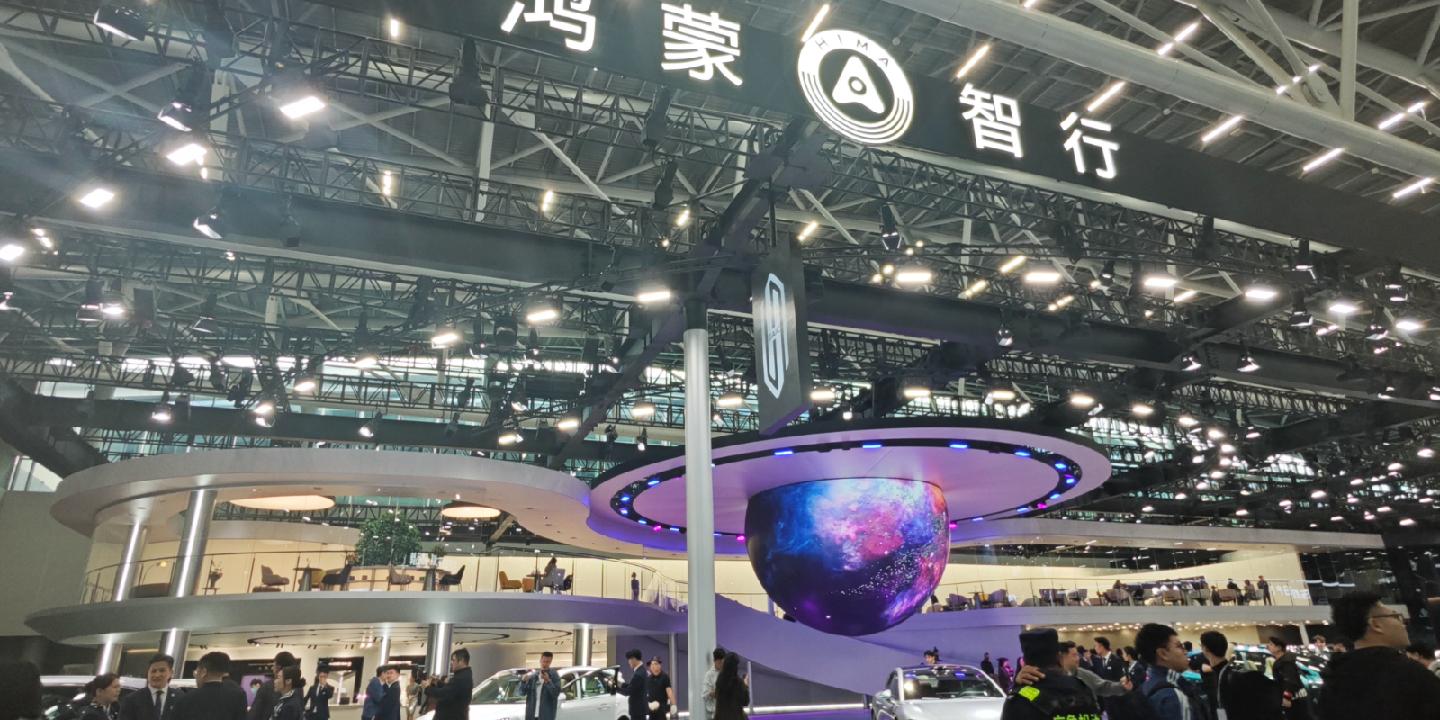
华为“占领”广州车展
Jing Ji Guan Cha Wang· 2025-11-29 09:24
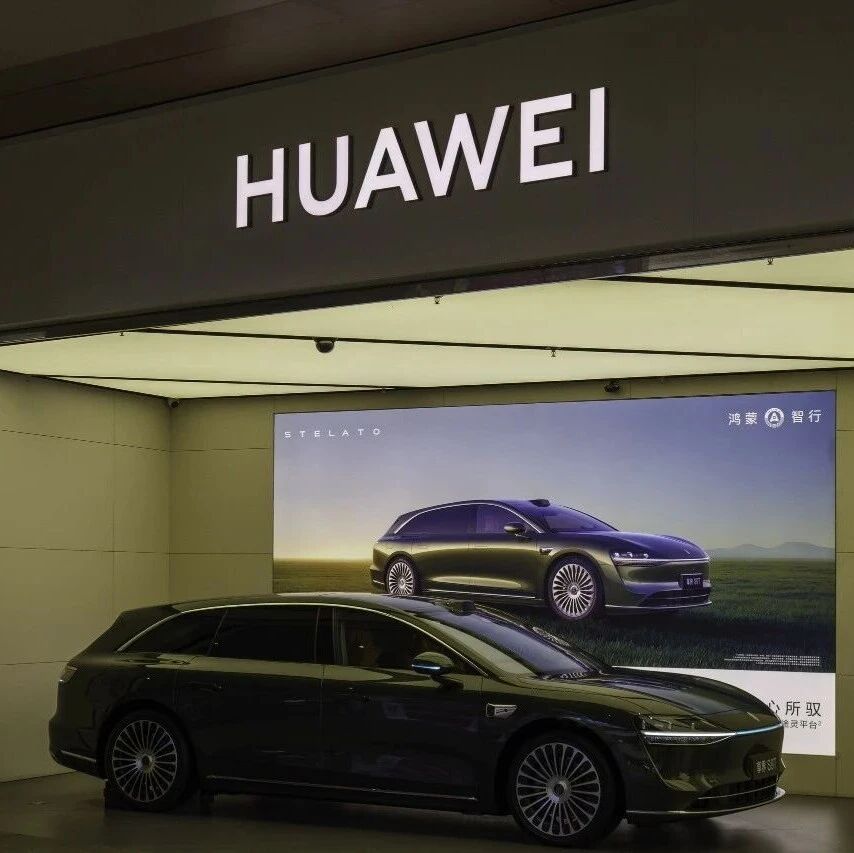
Core Insights - The 2025 Guangzhou Auto Show is highlighted as the most significant event in terms of technological integration, particularly with Huawei's extensive presence and partnerships in the automotive sector [2][5][9]. Huawei's Dominance in the Automotive Sector - Huawei has established itself as an indispensable player in the Chinese smart automotive industry, with numerous car manufacturers leveraging its technology to enhance their products [2][9]. - The launch of Huawei's new "Jing" series brands, including "Qijing" and "Yijing," marks a significant expansion of its automotive offerings, with plans for multiple new models to be introduced in the coming years [3][4]. Collaborations and Partnerships - Huawei has formed partnerships with various automakers, including Dongfeng and GAC, to develop new vehicle brands and models, showcasing a collaborative approach to innovation in the automotive space [3][4][6]. - The introduction of the A5L Qiankun Intelligent Driving Version by FAW Audi, which is the first fuel vehicle to feature Huawei's Qiankun technology, exemplifies the growing trend of luxury brands adopting Huawei's solutions [6][7]. Market Performance and Sales - In October 2023, vehicles equipped with Huawei's Qiankun driving system achieved sales exceeding 100,000 units in a single month, indicating strong market acceptance [9]. - As of September 2023, new cars in China featuring urban navigation assistance reached 1.628 million units, with those using Huawei's technology accounting for approximately 27.8% of the market share [9]. Industry Trends and Consumer Perception - The increasing adoption of Huawei technology among various car manufacturers reflects a shift towards smart and connected vehicles, aligning with consumer demands for enhanced safety and connectivity [8][10]. - Despite the proliferation of "Jing" and "Jie" brands, concerns about differentiation among vehicles using Huawei technology have emerged, suggesting that manufacturers must focus on unique branding and product features to stand out in a competitive market [10][11].


华为技术帮汽车圈“点石成金”?
经济观察报· 2025-11-29 07:30
Core Viewpoint - Huawei has become an indispensable presence in China's smart automotive industry, with its technology significantly enhancing the products of various car manufacturers, leading to a perception that without Huawei, success is unattainable [1][3]. Group 1: Huawei's Influence at the Auto Show - The 2025 Guangzhou Auto Show showcased Huawei's extensive presence, with multiple brands featuring Huawei's technology prominently, including independent booths for brands like Aito and Avita [2][3]. - Huawei launched its new "Jing" series brands, including "Qijing" and "Yijing," in collaboration with Dongfeng and GAC, marking a significant expansion of its automotive ecosystem [5][6]. Group 2: Market Performance and Brand Strategy - As of October 2023, Huawei's "Jing" series brands are set to release new models, with Yijing's first vehicle expected to debut at the Beijing Auto Show in April 2026, and Qijing planning to launch two new cars in 2026 [6][10]. - In October 2023, Huawei's vehicles equipped with the "Kirin" driving system achieved sales of over 100,000 units in a single month, indicating strong market acceptance [13]. Group 3: Partnerships with Luxury and Joint Venture Brands - Audi's A5L Kirin Intelligent Driving Edition became the first fuel vehicle globally to feature Huawei's Kirin technology, highlighting the growing trend of luxury brands adopting Huawei's solutions [8][9]. - Japanese joint venture brands like Dongfeng Nissan and GAC Toyota are also integrating Huawei's technology, with Nissan's "Tianlai Hongmeng Cabin" being promoted as the world's first fuel vehicle with the Hongmeng cabin system [9]. Group 4: Competitive Landscape and Differentiation - The proliferation of "Jing" and "Jie" brands raises concerns about differentiation among car manufacturers using Huawei's technology, as many brands may start to appear similar [14][15]. - Industry experts suggest that while Huawei's technology provides a competitive edge, the true differentiation will depend on how car manufacturers address consumer pain points and enhance their overall product offerings beyond just technology [14][15].
一汽奥迪A5L乾崑智驾版上市,开启燃油车智能化反攻大幕
Di Yi Cai Jing· 2025-11-24 13:55
Core Insights - The rapid development of smart connected vehicles is leading to a slowdown in the fuel vehicle market, with new energy vehicles' penetration rate reaching 52.1% in the passenger car market from January to October 2025, and peaking at 56.6% in October alone [1] - The launch of the FAW Audi A5L QianKun Intelligent Driving Edition marks a significant step in integrating advanced technology into fuel vehicles, showcasing a collaboration between FAW Audi and Huawei to enhance the smart capabilities of traditional fuel cars [1][3] Industry Dynamics - The automotive industry is witnessing a shift from merely "catching up" with smart technology to creating a new paradigm of "oil-electric intelligence," breaking the perception that intelligence is synonymous with electric vehicles [3][5] - The collaboration between FAW Audi and Huawei represents a strategic move to integrate advanced driving assistance systems into fuel vehicles, addressing inherent limitations in computing power and response speed [4][5] Technological Integration - The A5L QianKun Intelligent Driving Edition features a sophisticated integration of Huawei's intelligent driving technology with Audi's safety standards, enabling advanced driver assistance capabilities [4][8] - The vehicle employs a high-performance central computing platform and a gigabit Ethernet system, significantly improving data transmission speed and reducing latency, thus overcoming traditional fuel vehicle limitations [4][8] Market Positioning - The introduction of the A5L QianKun Intelligent Driving Edition redefines the standards for luxury fuel vehicles, emphasizing that intelligence is now a prerequisite for luxury status [5][8] - The vehicle's advanced features, such as comprehensive driving assistance in complex urban environments, position it competitively against traditional fuel vehicles that lack such capabilities [7][8] Consumer Insights - Consumer preferences are shifting, with over 71.9% of users prioritizing smart cockpit features and 69.3% focusing on vehicle interaction experiences when purchasing a car [1][9] - The partnership with Huawei not only enhances the vehicle's technological appeal but also leverages brand trust, creating a strong perception that "Audi equals quality, and quality must include intelligent driving" [10][12] Future Outlook - The launch of the A5L QianKun Intelligent Driving Edition signals the beginning of a counteroffensive for fuel vehicles in the smart era, suggesting that traditional brands can thrive by integrating advanced technologies [13] - As more brands adopt similar strategies, the industry may enter a new phase where fuel and electric vehicles coexist, each leveraging their strengths to capture consumer interest [13]
一汽奥迪A5L乾崑智驾版上市,开启燃油车智能化反攻大幕
第一财经· 2025-11-24 13:30
Core Viewpoint - The launch of the FAW Audi A5L QianKun Intelligent Driving Edition signifies a pivotal moment in the intelligentization of fuel vehicles, demonstrating that fuel cars can achieve breakthroughs in "oil-electric intelligence" through collaboration with cutting-edge Chinese technology [1][14]. Group 1: Market Trends - The penetration rate of new energy vehicles has been steadily increasing, reaching 52.1% in the passenger car market from January to October 2025, with a monthly high of 56.6% in October [1]. - A report from Autohome indicates that 71.9% of users consider intelligent cockpits as a primary factor in their purchasing decisions, while 69.3% focus on in-car interaction experiences, highlighting the importance of intelligence in consumer choices [1]. Group 2: Industry Dynamics - The automotive industry has seen a clear division where new force brands lead with advanced intelligent technology, while traditional fuel vehicles rely on their mechanical quality and reliability [4]. - The collaboration between FAW Audi and Huawei QianKun Intelligent Driving represents a significant shift, breaking the misconception that "intelligence equals electric" and exploring new pathways for industry transformation [5]. Group 3: Technological Integration - The A5L QianKun Intelligent Driving Edition integrates Huawei's intelligent driving technology with Audi's global standards for active safety, achieving advanced combined auxiliary driving functions [5]. - The vehicle employs a high-performance central computing platform and a gigabit Ethernet system, enhancing data transmission speed by 100 times compared to traditional CAN bus, thus addressing the "data congestion" issue in fuel vehicles [6]. Group 4: User Experience and Market Positioning - The A5L QianKun Intelligent Driving Edition significantly surpasses traditional fuel vehicles in auxiliary driving scenarios, expanding capabilities from highway use to complex urban environments [8]. - The introduction of intelligent driving technology is reshaping the luxury vehicle evaluation system, with the consensus emerging that "no intelligence, no luxury" is becoming a market standard [9]. Group 5: Future Outlook - The partnership with Huawei QianKun Intelligent Driving is seen as a forward-looking decision, as intelligent experiences are now a key factor influencing over half of consumer purchasing decisions [10]. - The A5L QianKun Intelligent Driving Edition supports OTA updates, allowing the vehicle to improve over time, thus enhancing user experience and extending the vehicle's lifecycle value [12]. - The intelligentization of fuel vehicles is just beginning, with the potential for more brands to join this trend, leading to a new phase of "oil-electric parallelism" in the industry [14].
一汽奥迪亮相2025广州车展 郭永峰:将全面搭载华为乾崑智驾
Zhong Guo Jing Ji Wang· 2025-11-24 10:19
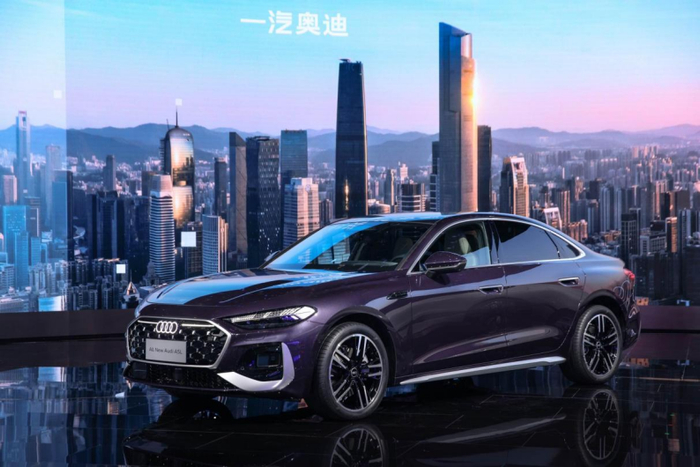
Core Insights - FAW Audi showcases its technological prowess and innovation in both fuel and electric intelligent vehicles at the 23rd Guangzhou International Auto Show [1][12] - The launch of the A5L QianKun Intelligent Driving Edition redefines the intelligent image of luxury fuel vehicles, priced at 286,800 yuan [1][4] - The A6L e-tron, as the first pure electric sedan on the PPE luxury electric platform, merges avant-garde design with flagship brand genes, establishing itself as a new flagship in the C-class intelligent electric era [1][9] Product Highlights - The A5L QianKun Intelligent Driving Edition is the first fuel vehicle to integrate Huawei's QianKun Intelligent Driving technology, featuring advanced driving assistance systems [6][8] - The A6L e-tron boasts a length of 5073mm and a wheelbase of 3076mm, incorporating electric vehicle characteristics while maintaining an executive profile [11] - The A6L e-tron is equipped with a 107kWh battery, offering a range of 785km under CLTC conditions and the ability to recharge 302km in just 10 minutes [11] Strategic Direction - FAW Audi aims to provide a new luxury travel experience by integrating Audi's century-old luxury, Chinese manufacturing, and Huawei's intelligence [3][12] - The company is committed to a long-term, customer-centric development strategy, focusing on the intelligent upgrade of its product lineup, including both luxury fuel and electric vehicles [12]
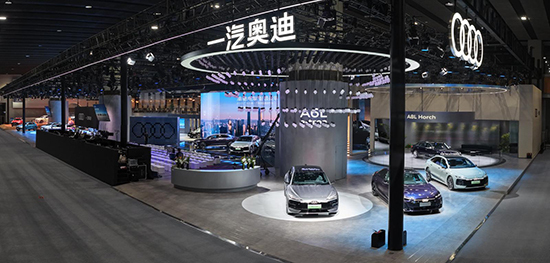
一汽奥迪加速“油电同智”,A5L乾崑智驾 版上市
Xin Jing Bao· 2025-11-23 06:10
Core Viewpoint - The 2025 Guangzhou Auto Show has officially opened, showcasing the launch of the FAW Audi A5L Qian Kun Intelligent Driving Edition priced at 286,800 yuan, marking a significant step towards the company's new era of intelligent upgrades across its product line [1] Group 1: Product Launch and Features - The FAW Audi A5L Qian Kun Intelligent Driving Edition is equipped with dual laser radars and supports various advanced features such as urban NOA, highway NOA, and advanced parking assistance [1] - The vehicle includes capabilities for automatic deceleration at intersections, left turns without protection, traffic light recognition, and proactive avoidance of large vehicles and road construction [1] Group 2: Strategic Direction - FAW Audi is committed to advancing the intelligent upgrade of its entire product lineup in response to the intelligent transformation of the Chinese automotive market [1] - The company plans to introduce luxury electric models represented by the Q6L e-tron family and A6L e-tron, alongside luxury fuel models like the A5L and the upcoming Q5L and A6L set to launch in early 2026, all aiming for "oil-electric intelligence" [1]