二手家具

Search documents
新赛道!“二手经济”撑起万亿级大市场
Xin Lang Cai Jing· 2025-12-25 14:16
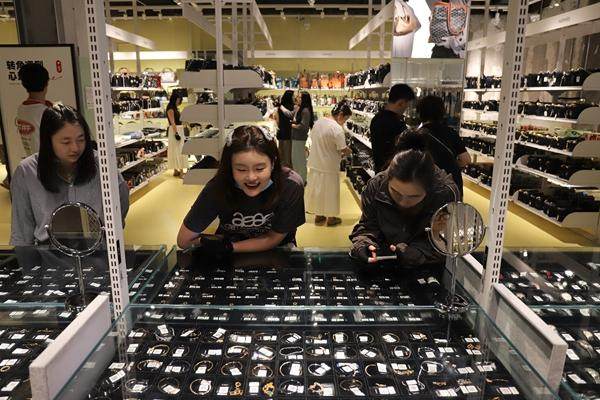
Core Insights - The second-hand goods market in China has become a trillion-yuan industry, with a transaction volume of 1.69 trillion yuan in 2024, reflecting a 28% year-on-year growth and a compound annual growth rate of 12% over the past six years [3][4]. Group 1: Pilot Program and Market Trends - The Ministry of Commerce and other departments initiated a pilot program for second-hand goods circulation in December 2024, with 10 cities and 28 enterprises as the first trial units [1][3]. - The pilot program has shown initial success, with markets like Chongqing's Dongjiaxi flea market experiencing increased foot traffic, peaking at over 20,000 visitors in a single day [1][3]. - In Wuhan, the Qingshan Huayong old goods market is focusing on second-hand kitchen equipment, with annual sales expected to exceed 100 million yuan [3][4]. Group 2: Consumer Behavior and Market Dynamics - The consumer demographic for second-hand goods is diverse, with middle-aged consumers focusing on home decor and younger consumers interested in collectibles and digital products [6][7]. - The second-hand market is evolving into a new consumption model that integrates green, personalized, and intelligent features, moving beyond mere practicality and economic benefits [9][10]. Group 3: Innovations and Future Developments - The industry is witnessing innovative transformations, with companies like Yijia Water (Wuhan) utilizing live streaming for sales, achieving monthly sales exceeding 2 million yuan [4][5]. - The integration of AI, big data, and cloud computing is expected to enhance the efficiency of second-hand goods transactions, with platforms like Xianyu reporting over 10 billion yuan in AI-enabled transaction volume [10][11]. - Future developments will focus on creating a transparent and regulated market, with initiatives to prevent fraud and ensure product authenticity [10][11].

财经聚焦|新赛道!“二手经济”撑起万亿级大市场
Xin Hua She· 2025-12-25 14:06
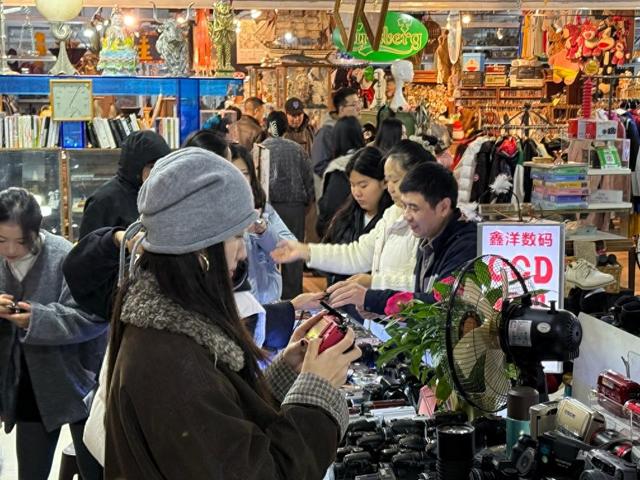
Core Insights - The second-hand goods market in China has become a trillion-yuan industry, driven by the circulation of used products and supported by government initiatives [1][2] - The Ministry of Commerce and other departments have launched pilot programs in 10 cities and 28 enterprises to promote second-hand goods circulation, showing initial positive results [2][3] Market Growth - The transaction volume of second-hand goods in China reached 1.69 trillion yuan in 2024, marking a 28% year-on-year increase, with a six-year average compound growth rate of 12% [2] - Pilot cities are focusing on various categories such as second-hand mobile phones, clothing, and furniture, adapting to local consumer needs [2] Consumer Trends - There is a noticeable increase in young consumers and foreign tourists visiting second-hand markets, indicating a shift in consumer demographics [2] - The second-hand market is evolving into a new consumption model that integrates green, personalized, and intelligent consumption [7][8] Innovation and Technology - The second-hand market is experiencing innovation, with new business models such as rental, auction, and after-sales buyback being developed [8] - Technologies like AI, big data, and cloud computing are being integrated into the second-hand goods circulation, enhancing transaction efficiency and user experience [8][9] Regulatory Framework - The government is working on establishing a comprehensive regulatory framework to ensure the integrity and quality of second-hand goods, aiming to eliminate fraudulent practices [8] - Industry standards are being developed to support the growth of a structured and vibrant second-hand goods ecosystem [3][9]
财经聚焦|新赛道!“二手经济”撑起万亿级大市场
Xin Lang Cai Jing· 2025-12-25 13:17
Core Insights - The second-hand goods market in China has become a trillion-yuan industry, with the Ministry of Commerce launching pilot programs in 10 cities and 28 enterprises to promote second-hand goods circulation [1][3]. Group 1: Market Growth and Trends - The second-hand goods market in China reached a transaction volume of 1.69 trillion yuan in 2024, marking a 28% year-on-year increase and a compound annual growth rate of 12% over the past six years [3]. - Pilot cities are focusing on second-hand items such as mobile phones, clothing, and furniture, with initial positive outcomes observed [3]. - The Wuhan market for second-hand kitchen equipment is expected to exceed 100 million yuan in sales, while a new second-hand car market has become the largest in Central China [3]. Group 2: Consumer Behavior and Demographics - The consumer demographic for second-hand goods is diverse, with a notable increase in young consumers and even international visitors at markets [2][4]. - The average monthly consignment volume at a second-hand store in Nanjing has reached 5,000 items, with 70% sold within the same month [2]. - The age range of consumers spans from middle-aged individuals focusing on home goods to younger consumers interested in collectibles and digital products [7]. Group 3: Innovations and Future Directions - The second-hand market is experiencing innovative transformations, with new business models such as rental, auction, and after-sales buyback being developed [11]. - Technologies like AI, big data, and cloud computing are being integrated into the second-hand goods sector, with AI-driven transactions exceeding 10 billion yuan [11]. - The industry is moving towards a more regulated and quality-focused phase, supported by government policies and standards [10][11].

财经聚焦丨新赛道!“二手经济”撑起万亿级大市场
Xin Hua Wang· 2025-12-25 13:06
Core Insights - The second-hand economy has emerged as a trillion-yuan market, driven by the circulation of used goods and new consumption patterns [1][4] - The Ministry of Commerce and other departments initiated pilot programs for second-hand goods circulation in 2024, with 10 cities and 28 enterprises participating [1][4] Market Growth - The second-hand goods market in China reached a transaction volume of 1.69 trillion yuan in 2024, marking a 28% year-on-year increase, with a six-year average compound growth rate of 12% [4][5] - Pilot cities are focusing on second-hand mobile phones, clothing, and furniture, adapting to local consumer needs [4][5] Consumer Trends - The demographic of consumers is broad, with both young and older individuals participating in the market, showing varied preferences for different product categories [8][10] - The market is witnessing a shift from mere practicality to a new consumption model that integrates green, personalized, and intelligent aspects [11] Innovations and New Business Models - The second-hand market is experiencing significant innovation, with new business models such as rental, auction, and after-sales buyback emerging [12][13] - Technologies like AI, big data, and cloud computing are being integrated into the second-hand goods circulation, enhancing transaction efficiency and consumer experience [12][13] Regulatory and Structural Developments - The Ministry of Commerce is working on establishing a robust policy framework and industry standards to support the growth of the second-hand economy [5][12] - Efforts are being made to create a transparent and trustworthy trading environment, addressing issues like online transaction irregularities and trust costs [12][13]

当年轻人走进二手市场:“买二手是年轻人更聪明的选择”
Zhong Guo Qing Nian Bao· 2025-10-02 12:04
Core Insights - The second-hand market in China has seen significant growth, with the transaction scale surpassing 1 trillion yuan in 2020 and expected to exceed 3 trillion yuan by 2025 [5][6] - Young consumers, particularly those aged 18 to 34, are driving the popularity of second-hand goods, with a notable 70% of users on a major platform falling within this age range [6][19] - The perception of second-hand shopping has shifted from a niche choice to a mainstream option, with a growing number of well-organized stores offering diverse product categories [5][8] Market Trends - The browsing volume for "second-hand" topics on social media has reached 680 million, indicating a high level of interest and engagement among consumers [6] - The demand for unique and scarce second-hand items is becoming a significant factor in purchasing decisions, alongside cost-effectiveness [8][10] - The trend of sustainability and recycling is influencing consumer behavior, with many young people viewing second-hand purchases as a smarter lifestyle choice [3][19] Consumer Behavior - Many young consumers, like Guan Yafei, are increasingly relying on second-hand markets for a significant portion of their household items, citing economic benefits and a desire for better quality at lower prices [3][5] - The appeal of second-hand luxury goods is growing, with consumers willing to spend substantial amounts on nearly new items, reflecting a shift in attitudes towards luxury consumption [8][12] - The experience of shopping in second-hand stores is often described as enjoyable and fulfilling, with consumers finding joy in discovering unique items with history [14][19] Business Operations - Second-hand stores are adapting to consumer preferences by enhancing their online presence and providing detailed product visuals to attract a broader customer base [19] - Some second-hand furniture stores are exploring new business models, such as offering customized interior design solutions using their inventory, to differentiate themselves in a competitive market [19] - The operational dynamics of second-hand furniture sales are characterized by slower turnover rates, necessitating careful pricing strategies to maintain profitability [19]
当年轻人走进二手市场
Zhong Guo Qing Nian Bao· 2025-10-02 00:59
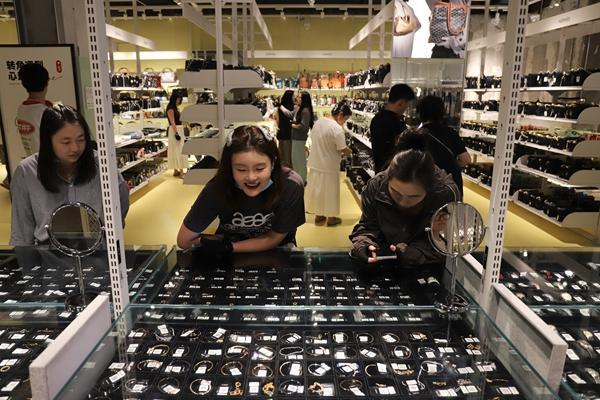
Core Insights - The second-hand goods market in China has surpassed 1 trillion yuan in 2020 and is projected to exceed 3 trillion yuan by 2025, indicating significant growth potential in this sector [5][6]. - The popularity of second-hand items among young consumers is driven by economic benefits, with many perceiving it as a smarter lifestyle choice [3][8]. - A large portion of users on second-hand platforms are young adults aged 18 to 34, with 40% being between 18 and 24 years old, highlighting the demographic trend towards second-hand consumption [6][18]. Market Trends - The second-hand market has transitioned from a niche option to a mainstream choice, with more organized and diverse second-hand stores emerging [5][20]. - The browsing volume for "second-hand" topics on social media has reached 680 million, with discussions totaling 8.618 million, showcasing the growing interest and engagement in this market [6][8]. - Young consumers are increasingly valuing the uniqueness and scarcity of second-hand items, alongside their cost-effectiveness [8][10]. Consumer Behavior - Many young individuals, like Guan Yafei, have integrated second-hand items into their daily lives, with a significant portion of their possessions sourced from second-hand markets [3][5]. - The trend of purchasing second-hand goods is not only about saving money but also about achieving a better quality of life at lower costs, as expressed by consumers [3][20]. - The second-hand market is also seen as a sustainable option, with consumers appreciating the recycling aspect of buying used goods [10][20]. Business Operations - A major second-hand trading platform has reported over 400 million registered users, indicating a robust user base [5][6]. - Second-hand furniture stores are exploring new operational models, such as customizing interior design solutions using second-hand items, to attract a broader customer base [20]. - The market for second-hand luxury goods is expanding, with young consumers willing to spend on high-quality items at reduced prices [8][12].