
二手商品流通

Search documents
“二次方” 在“试吃”中成长
Xin Lang Cai Jing· 2026-01-06 22:38
Core Insights - The "Second Square" second-hand goods circulation e-commerce industrial park in Tianjin has successfully revitalized old factory spaces, with 119 e-commerce companies and a cumulative transaction volume of 1.3 billion yuan as of last October [1][2] - The park aims to create a conducive environment for second-hand goods trading by addressing compliance issues and enhancing operational efficiency through innovative solutions like a second-hand goods circulation management system [2][3] Group 1 - The "Second Square" serves as a model for revitalizing old industrial spaces by aligning with the second-hand goods industry, which is seen as a promising sector [1] - The park's location in a former timber factory is strategically chosen to support the operational needs of e-commerce businesses [1] - The initiative is recognized as pioneering in the absence of similar themed e-commerce industrial parks in the region [1] Group 2 - The park focuses on providing not just office space but also ensuring compliance for businesses, which is crucial for attracting companies to the area [2] - A key challenge for second-hand goods businesses is the difficulty in obtaining invoices and ensuring tax compliance, which the park addresses through its management system [2] - The park is actively working on establishing quality inspection institutions and vocational training for the second-hand industry to enhance trust and facilitate cross-border transactions [2][3]
新赛道!“二手经济”撑起万亿级大市场
Xin Lang Cai Jing· 2025-12-25 14:16
Core Insights - The second-hand goods market in China has become a trillion-yuan industry, with a transaction volume of 1.69 trillion yuan in 2024, reflecting a 28% year-on-year growth and a compound annual growth rate of 12% over the past six years [3][4]. Group 1: Pilot Program and Market Trends - The Ministry of Commerce and other departments initiated a pilot program for second-hand goods circulation in December 2024, with 10 cities and 28 enterprises as the first trial units [1][3]. - The pilot program has shown initial success, with markets like Chongqing's Dongjiaxi flea market experiencing increased foot traffic, peaking at over 20,000 visitors in a single day [1][3]. - In Wuhan, the Qingshan Huayong old goods market is focusing on second-hand kitchen equipment, with annual sales expected to exceed 100 million yuan [3][4]. Group 2: Consumer Behavior and Market Dynamics - The consumer demographic for second-hand goods is diverse, with middle-aged consumers focusing on home decor and younger consumers interested in collectibles and digital products [6][7]. - The second-hand market is evolving into a new consumption model that integrates green, personalized, and intelligent features, moving beyond mere practicality and economic benefits [9][10]. Group 3: Innovations and Future Developments - The industry is witnessing innovative transformations, with companies like Yijia Water (Wuhan) utilizing live streaming for sales, achieving monthly sales exceeding 2 million yuan [4][5]. - The integration of AI, big data, and cloud computing is expected to enhance the efficiency of second-hand goods transactions, with platforms like Xianyu reporting over 10 billion yuan in AI-enabled transaction volume [10][11]. - Future developments will focus on creating a transparent and regulated market, with initiatives to prevent fraud and ensure product authenticity [10][11].

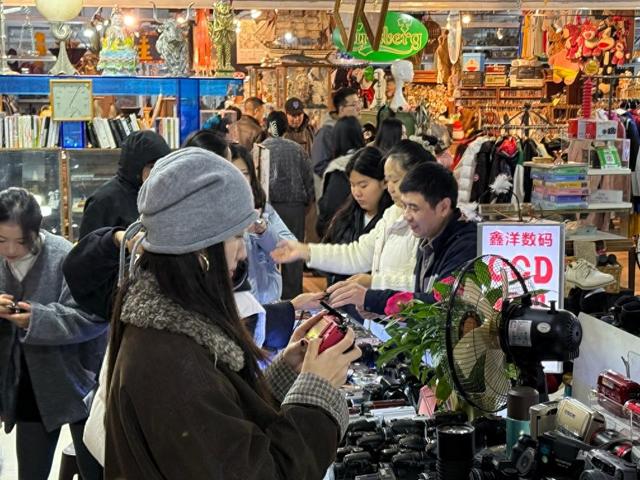
财经聚焦|新赛道!“二手经济”撑起万亿级大市场
Xin Hua She· 2025-12-25 14:06
Core Insights - The second-hand goods market in China has become a trillion-yuan industry, driven by the circulation of used products and supported by government initiatives [1][2] - The Ministry of Commerce and other departments have launched pilot programs in 10 cities and 28 enterprises to promote second-hand goods circulation, showing initial positive results [2][3] Market Growth - The transaction volume of second-hand goods in China reached 1.69 trillion yuan in 2024, marking a 28% year-on-year increase, with a six-year average compound growth rate of 12% [2] - Pilot cities are focusing on various categories such as second-hand mobile phones, clothing, and furniture, adapting to local consumer needs [2] Consumer Trends - There is a noticeable increase in young consumers and foreign tourists visiting second-hand markets, indicating a shift in consumer demographics [2] - The second-hand market is evolving into a new consumption model that integrates green, personalized, and intelligent consumption [7][8] Innovation and Technology - The second-hand market is experiencing innovation, with new business models such as rental, auction, and after-sales buyback being developed [8] - Technologies like AI, big data, and cloud computing are being integrated into the second-hand goods circulation, enhancing transaction efficiency and user experience [8][9] Regulatory Framework - The government is working on establishing a comprehensive regulatory framework to ensure the integrity and quality of second-hand goods, aiming to eliminate fraudulent practices [8] - Industry standards are being developed to support the growth of a structured and vibrant second-hand goods ecosystem [3][9]
财经聚焦丨新赛道!“二手经济”撑起万亿级大市场
Xin Hua Wang· 2025-12-25 13:06
Core Insights - The second-hand economy has emerged as a trillion-yuan market, driven by the circulation of used goods and new consumption patterns [1][4] - The Ministry of Commerce and other departments initiated pilot programs for second-hand goods circulation in 2024, with 10 cities and 28 enterprises participating [1][4] Market Growth - The second-hand goods market in China reached a transaction volume of 1.69 trillion yuan in 2024, marking a 28% year-on-year increase, with a six-year average compound growth rate of 12% [4][5] - Pilot cities are focusing on second-hand mobile phones, clothing, and furniture, adapting to local consumer needs [4][5] Consumer Trends - The demographic of consumers is broad, with both young and older individuals participating in the market, showing varied preferences for different product categories [8][10] - The market is witnessing a shift from mere practicality to a new consumption model that integrates green, personalized, and intelligent aspects [11] Innovations and New Business Models - The second-hand market is experiencing significant innovation, with new business models such as rental, auction, and after-sales buyback emerging [12][13] - Technologies like AI, big data, and cloud computing are being integrated into the second-hand goods circulation, enhancing transaction efficiency and consumer experience [12][13] Regulatory and Structural Developments - The Ministry of Commerce is working on establishing a robust policy framework and industry standards to support the growth of the second-hand economy [5][12] - Efforts are being made to create a transparent and trustworthy trading environment, addressing issues like online transaction irregularities and trust costs [12][13]

事关消费和外贸 商务部最新回应
Shang Hai Zheng Quan Bao· 2025-12-11 14:04
Group 1: Retail Industry Development - The Ministry of Commerce plans to issue opinions to accelerate innovation and development in the retail industry during the "14th Five-Year Plan" period, focusing on policy support and high-quality development [3] - Key initiatives include enhancing service quality, optimizing inventory, promoting fair competition between online and offline channels, and fostering interaction between new supply and demand [3] - The ministry aims to summarize successful practices from various regions, develop new business models, and stimulate consumption potential, particularly in lower-tier markets [3] Group 2: Second-Hand Goods Market - The second-hand goods market in China is projected to reach a transaction value of 1.69 trillion yuan in 2024, reflecting a 28% year-on-year growth and a 12% average annual growth rate over the past six years [4] - The Ministry of Commerce intends to establish high standards for the second-hand goods industry, ensuring integrity and quality while preventing fraudulent practices [4] - New business models such as rental, auction, and after-sales repurchase will be promoted, along with immersive offline experiences and innovative consumption scenarios [4] Group 3: Cross-Border E-Commerce and Trade - China's foreign trade has shown resilience, with a total import and export value of 41.21 trillion yuan in the first eleven months of the year, marking a 3.6% year-on-year increase [5] - The Ministry of Commerce will implement policies to stabilize foreign trade, support market diversification, and enhance services for enterprises [5] - There is a focus on promoting cross-border e-commerce and overseas warehouses as new business models to improve trade quality and efficiency [5] Group 4: Hainan Free Trade Port - The Hainan Free Trade Port is set to commence operations on December 18, with a goal to become a significant gateway for China's new era of opening up [6] - The Ministry of Commerce reports a 23.1% growth in service trade and a 42.2% increase in actual foreign investment in Hainan during the first three quarters [6] - Future efforts will focus on institutional openness and aligning trade management policies with zero tariffs and other favorable measures [7]
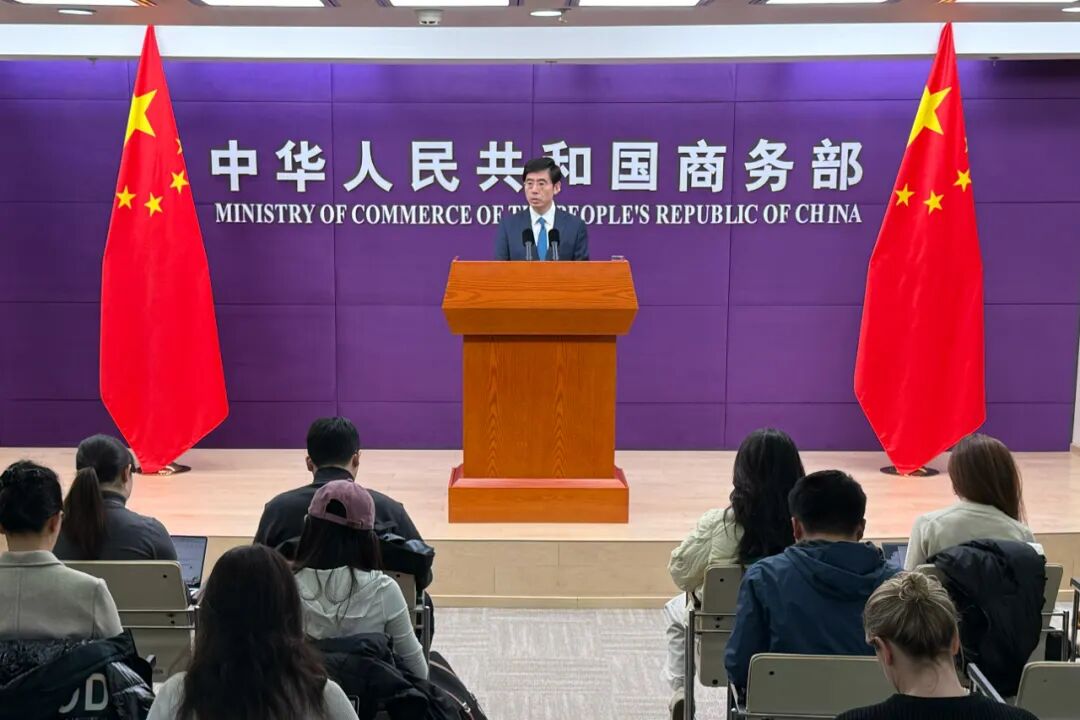
商务部:二手商品市场创新转型趋势明显
Ren Min Wang· 2025-12-11 09:09
Core Insights - The second-hand goods market in China is expanding, with a projected transaction volume of 1.69 trillion yuan in 2024, representing a 28% year-on-year growth and a compound annual growth rate of 12% over the past six years [1] Group 1: Market Development - The Ministry of Commerce has initiated pilot programs for second-hand goods circulation, focusing on cultivating entities, innovating methods, and standardizing order [1] - Policies have been introduced to enhance the recycling system for used household appliances and furniture [1] - The first batch of 10 pilot cities and 28 enterprises has been selected based on a principle of prioritizing quality [1] Group 2: Industry Standards and Innovations - Industry standards, including the revision of terminology related to second-hand goods, have been established [1] - The market is showing a clear trend of innovation and transformation, revitalizing some physical markets [1] Group 3: Future Directions - The industry aims to create a "clean and vibrant" sunrise industry by setting high standards and preventing fraudulent practices [2] - New business models such as rental, auction, and after-sales buyback will be developed to enhance the appeal of second-hand goods [2] - The integration of AI, big data, and cloud computing will be emphasized to drive innovation and deepen the online-offline integration of second-hand goods circulation [2]
商务部召开例行新闻发布会(2025年12月11日)
Shang Wu Bu Wang Zhan· 2025-12-11 08:25
Group 1: Hainan Free Trade Port - The Hainan Free Trade Port will commence its closure operation on December 18, with the Ministry of Commerce preparing policies to enhance trade management transparency and openness, including the release of a list of prohibited and restricted import goods, and relaxing import management for 98 product codes [3][4] - The Ministry supports innovative development in Hainan by implementing pilot projects for temporary import of repaired and remanufactured products, establishing a cross-border e-commerce comprehensive pilot zone, and expanding service trade, contributing to a 23.1% growth in service trade and a 42.2% increase in actual foreign investment in the first three quarters [3][4] Group 2: Foreign Trade Development - In the first eleven months, China's total goods import and export value reached 41.21 trillion yuan, with a year-on-year growth of 3.6%, showcasing resilience in foreign trade despite global uncertainties [8] - The Ministry plans to implement various policies to stabilize foreign trade, promote market diversification, and support new business models such as cross-border e-commerce and overseas warehouses [8] Group 3: Second-Hand Goods Market - The second-hand goods market in China is expanding, with a projected transaction value of 1.69 trillion yuan in 2024, reflecting a 28% year-on-year growth and a 12% compound annual growth rate over the past six years [6][7] - The Ministry aims to enhance the second-hand goods circulation system by establishing high standards, promoting new business models, and integrating digital technologies to drive innovation in the sector [7]
商务部:有序发展二手商品租赁、竞拍、拆零出售、售后回购等新型业态
Xin Lang Cai Jing· 2025-12-11 08:13
Core Viewpoint - The Ministry of Commerce emphasizes the significant transformation and innovation trends in the second-hand goods market, aiming to develop it into a vibrant industry with high standards and integrity [1] Group 1: Industry Development Strategies - The Ministry of Commerce plans to establish a "clean and vibrant" second-hand goods circulation industry by guiding businesses to adhere to high standards and eliminate fraudulent practices such as selling old as new and inferior as superior [1] - Focus will be placed on new business models and scenarios, promoting the development of second-hand goods rental, auction, unbundled sales, and after-sales repurchase as innovative business formats [1] - The Ministry aims to enhance digitalization in the second-hand goods market by integrating AI, big data, and cloud computing technologies, fostering a deep integration of online and offline sales [1]
商务部流通发展司召开二手商品流通试点工作座谈会
Shang Wu Bu Wang Zhan· 2025-12-02 16:47
Core Insights - The meeting highlighted the significance of second-hand goods circulation as a vital component of the circular economy, serving as an engine for activating the stock economy, stimulating updated consumption, and promoting resource conservation [3] - The pilot program has shown positive results, with a continuous expansion of market size and a clear trend towards innovation and transformation, revitalizing the physical market [3] - Challenges remain, including unregulated online transactions, lagging development of physical markets, and high trust costs in transactions [3] Summary by Categories - **Importance of Second-Hand Goods Circulation** - Recognized as crucial for improving resource utilization efficiency and meeting diverse consumer demands [3] - Contributes to achieving "dual carbon" goals [3] - **Progress and Achievements** - The pilot program has achieved significant outcomes, with a growing market scale and successful experiences emerging [3] - **Challenges Identified** - Issues such as unregulated online trading, slow development of physical markets, and high transaction trust costs were noted [3] - **Future Directions** - Emphasis on a tailored approach based on local conditions and consumer needs, focusing on key categories like second-hand mobile phones, clothing, and furniture [3] - Goals include establishing a transparent and vibrant second-hand goods industry, creating attractive consumption hubs, and enhancing digitalization to drive innovation [3]
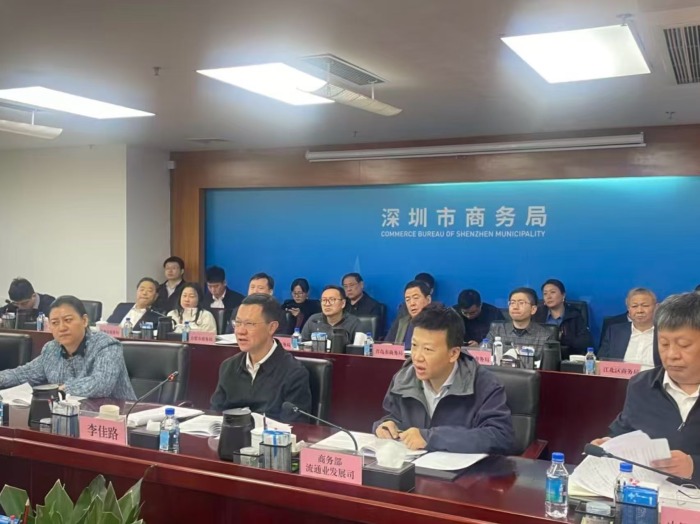
重庆:鼓励金融机构加大资源投放力度,共同开展以旧换新促销活动
news flash· 2025-07-18 12:04
Core Viewpoint - The Chongqing Municipal Government has issued measures to stimulate consumption by encouraging financial institutions and businesses to increase resource investment and jointly conduct trade-in promotional activities [1] Group 1: Government Initiatives - The government aims to promote the green and intelligent upgrade of durable consumer goods, particularly in the home appliance sector [1] - Support is provided for the trade-in of qualified and safe electric bicycles, as well as digital products such as mobile phones and tablets [1] Group 2: Market Development - The measures include promoting the construction of pilot projects for second-hand goods circulation, fostering a diversified second-hand goods circulation主体 [1] - Innovative methods for second-hand goods circulation are encouraged to enhance market efficiency [1]