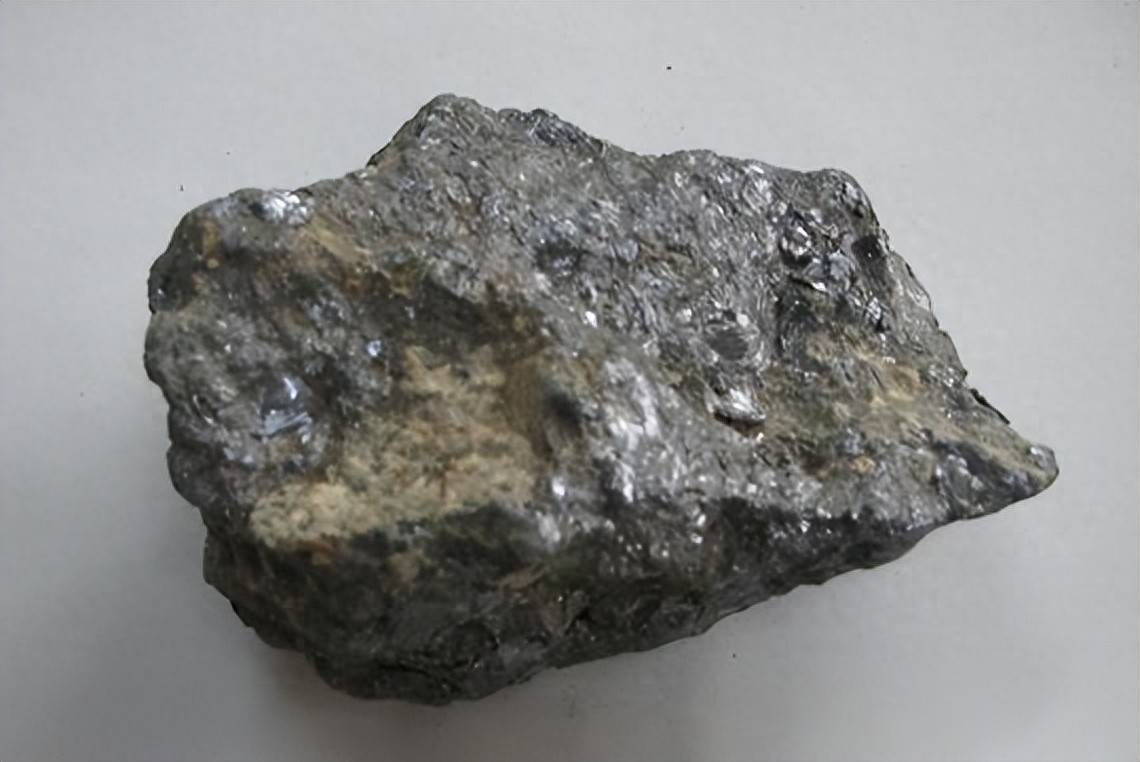
二硫化钼薄膜

Search documents
大尺寸二硫化钼薄膜制备获进展
Zhong Guo Hua Gong Bao· 2026-02-10 04:23
为解决这些难题,团队经多年研究,提出引入氧气辅助,让氧气在高温环境下与前驱体中的碳元素相结 合,减少碳污染。按照该思路,团队试制了6英寸二硫化钼薄膜,实验结果显示,薄膜生长速率较传统 方法提升两到三个数量级。 《科学》审稿人认为,此次研究攻克了传统金属有机化学气相沉积技术长期难以解决的动力学限制与碳 污染难题,对加快推动二维半导体从实验室走向生产线具有重要意义。 中化新网讯随着硅基芯片性能逼近物理极限,科学家正在积极寻找替代方案,以二硫化钼为代表的二维 半导体就是其中之一。1月30日,学术期刊《科学》在线发表南京大学王欣然、李涛涛团队与东南大学 王金兰团队合作论文,他们创新研发"氧辅助金属有机化学气相沉积技术",突破制约大尺寸二硫化钼薄 膜规模化制备的技术难题。 "在气相沉积过程中,金属有机前驱体受热分解,反应产物附着在衬底表面,形成二硫化钼薄膜。"李涛 涛说,然而,传统的金属有机化学气相沉积技术受反应动力学限制,不仅薄膜生长速率慢,而且前驱体 在分解时会产生含碳杂质,严重影响薄膜质量。 ...
我们为什么一定要“星际航行”
Xin Hua She· 2026-01-30 06:34
Core Viewpoint - The research team from Nanjing University and Southeast University has developed an innovative "oxygen-assisted metal-organic chemical vapor deposition technology" to overcome the challenges in the large-scale production of molybdenum disulfide thin films, which are seen as a potential alternative to silicon-based semiconductors [1][2]. Group 1: Research and Development - The team has successfully created 6-inch molybdenum disulfide thin films, achieving a growth rate that is two to three orders of magnitude faster than traditional methods [1]. - The introduction of oxygen in the deposition process helps to reduce carbon contamination, which has been a significant issue affecting film quality [1][2]. Group 2: Industry Implications - The research addresses long-standing kinetic limitations and carbon pollution issues associated with traditional metal-organic chemical vapor deposition techniques, which is crucial for advancing two-dimensional semiconductors from laboratory settings to production lines [2]. - The team is now focusing on developing new deposition equipment to scale up the production of 12-inch molybdenum disulfide thin films, aligning with the industry standard for silicon-based semiconductor production [2].
1.30犀牛财经早报:2026年新发基金规模突破千亿元
Xi Niu Cai Jing· 2026-01-30 02:02
Fund Market - The issuance of new funds has accelerated this year, with total scale exceeding 100 billion yuan, driven by equity and FOF products [1] - 110 new funds were established by January 29, with a total issuance scale of 110.54 billion yuan, including 85 equity funds totaling 76.81 billion yuan [1] - FOF products have also maintained high popularity, with issuance scale surpassing 80 billion yuan in 2025 [1] Technology Sector - Over 260 companies on the Sci-Tech Innovation Board have released performance forecasts for 2025, with 105 companies reporting positive growth [1] - The focus on technology growth sectors such as artificial intelligence and biomedicine is expected to attract long-term capital [1] Aerospace Industry - A series of significant announcements were made at the Commercial Aerospace Action Conference, outlining the future of China's commercial aerospace sector [2] - By 2030, low-orbit satellite constellations are expected to be established, with launch costs potentially dropping below 10,000 yuan per kilogram [2] Communication Technology - China has achieved a new milestone in ground-space laser communication, with speeds reaching 120 Gbps [2] Semiconductor Development - Research teams have made advancements in two-dimensional semiconductors, specifically in the production of molybdenum disulfide films [2] Corporate Financial Performance - Apple reported a revenue of 143.8 billion USD for the quarter ending December 27, a 16% year-on-year increase, driven by strong iPhone 17 demand and a 38% increase in sales in China [3] - Adidas preliminary data indicates a fourth-quarter revenue of 6.08 billion euros, slightly below expectations, but full-year operating profit is projected at 2.06 billion euros, above estimates [4] Market Reactions - Microsoft experienced a significant stock sell-off, with a market value decrease of 357 billion USD, the second-largest single-day drop in history, attributed to concerns over AI spending and slowing cloud business growth [5][13] - Other tech stocks, including Alphabet and Nvidia, also faced substantial market value losses [5][13]





我国科研团队在二维半导体领域取得新进展
Xin Hua She· 2026-01-30 00:48
Core Viewpoint - The research teams from Nanjing University and Southeast University have developed an innovative "oxygen-assisted metal-organic chemical vapor deposition technology" to overcome the challenges of large-scale production of molybdenum disulfide thin films, which are seen as a potential alternative to silicon-based semiconductors as silicon approaches its physical limits [1][2]. Group 1: Technology Development - The new technology significantly improves the growth rate of molybdenum disulfide films by two to three orders of magnitude compared to traditional methods, addressing the kinetic limitations and carbon contamination issues that have hindered the use of metal-organic chemical vapor deposition [1]. - The introduction of oxygen in the high-temperature environment allows for the combination of oxygen with carbon elements in the precursor, reducing carbon pollution and enhancing film quality [1]. Group 2: Future Prospects - The research teams have mastered key industrial technologies related to two-dimensional semiconductor substrate engineering and kinetic control, and are now focusing on developing new deposition equipment for the large-scale production of 12-inch molybdenum disulfide films, which aligns with the existing 12-inch silicon semiconductor production lines [2]. - The significance of this research is highlighted by reviewers from the journal "Science," who believe it will accelerate the transition of two-dimensional semiconductors from laboratory settings to production lines [2].
中国坐拥“工业维生素”,钼矿储量震惊世界!芯片军工全靠它
Sou Hu Cai Jing· 2025-07-07 02:46
Core Insights - Molybdenum, a metal 65 times rarer than lithium, is crucial for various industrial applications and is predominantly found in China, which holds 38.7% of the world's molybdenum reserves [1][3]. Industry Overview - Molybdenum has a high melting point of 2620°C and is essential in enhancing the strength of steel alloys, with just 0.15% addition increasing strength by 30% [3]. - The metal is used in high-temperature applications, such as rocket engines, and in medical imaging technologies, showcasing its versatility [3][5]. Market Dynamics - The price of molybdenum surged to over 3200 yuan per ton in 2023, nearly tripling in six years, driven by a 19% drop in Chilean production and a 9.5% increase in Chinese output [5]. - China's implementation of export controls starting next year is expected to create urgency among international buyers, potentially leading to a 40% price increase [5]. Technological Advancements - Recent breakthroughs in chip technology using molybdenum disulfide have led to the development of flexible chips with significantly lower power consumption compared to silicon chips, paving the way for advanced applications in human-machine integration [5][7]. - Chinese engineers are innovating in the production of molybdenum thin films for flexible displays, indicating a shift towards high-tech applications of this metal [7].