
供电

Search documents
守护万家温暖
Xin Lang Cai Jing· 2026-02-15 20:08
Group 1 - The core viewpoint of the article emphasizes the proactive measures taken by Huaneng Northern Company to ensure the normal operation of equipment at the Hohhot Thermal Power Plant ahead of the Spring Festival [3] - The company is implementing safety inspections, increasing the frequency of equipment checks, and improving emergency response plans to maintain operational stability [3] - Various power supply and heating units across Inner Mongolia are collaborating to establish a multi-layered and comprehensive guarantee system to ensure that the public can enjoy a warm and well-lit celebration during the festival [3]

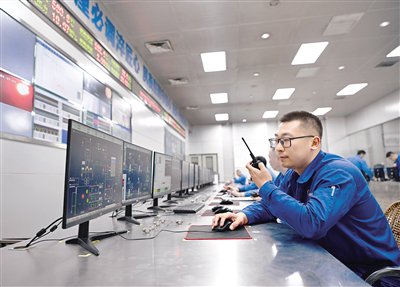
确保水电气暖设施安全高效运行 保障人民群众温暖度冬平安过节
Zheng Zhou Ri Bao· 2026-02-15 01:13
Group 1 - The provincial leaders emphasized the importance of ensuring stable energy supply and public services during the upcoming Spring Festival, highlighting the need for effective management of coal, electricity, oil, and gas resources [1][2][3] - Liu Ning and Wang Kai inspected various facilities, including gas boiler rooms and water treatment plants, to assess the readiness for heating and water supply during the holiday period, stressing the need for enhanced monitoring and rapid response to user feedback [2][3] - The leaders called for a comprehensive approach to public transportation, urging for optimized scheduling and improved service quality to accommodate increased passenger demand during the holiday season [3] Group 2 - The provincial government aims to strengthen market supply and price stability for essential goods, including food and daily necessities, to meet the heightened consumer demand during the Spring Festival [3] - Emphasis was placed on the implementation of safety measures and emergency response protocols to ensure the safety and well-being of the public during the holiday [3] - The leaders highlighted the importance of supporting frontline workers and maintaining effective communication channels to ensure a smooth operation of city services [3]
刘宁王凯调研检查春节期间民生保障工作 确保水电气暖设施安全高效运行 保障人民群众温暖度冬平安过节
He Nan Ri Bao· 2026-02-14 10:57
Group 1 - The provincial leaders conducted inspections in Zhengzhou to ensure the stability of essential services such as heating, water supply, electricity, and gas ahead of the Spring Festival [2][3] - Emphasis was placed on optimizing heating network layouts and exploring green technologies like geothermal heating to enhance service delivery during the holiday [3] - The leaders highlighted the importance of improving water supply capacity and emergency repair capabilities to ensure clean and safe drinking water for the public [3] Group 2 - The leaders reviewed electricity supply strategies, focusing on analyzing winter peak electricity demand and adjusting resources accordingly to ensure reliable power supply during the festive season [3] - Safety measures for gas storage and supply were reinforced, with a call for systematic thinking and detailed management to address potential risks [3] - The need for enhanced public transportation services during the holiday was discussed, with a focus on optimizing capacity and improving service quality [4] Group 3 - The leaders reiterated the importance of prioritizing public welfare and safety, aligning with national directives on urban governance and service provision [4] - There is a commitment to ensuring the supply of essential goods and maintaining price stability during the holiday period, alongside increased food safety enforcement [4] - Emergency response protocols were emphasized, including 24-hour duty systems and effective communication channels to ensure city safety [4]
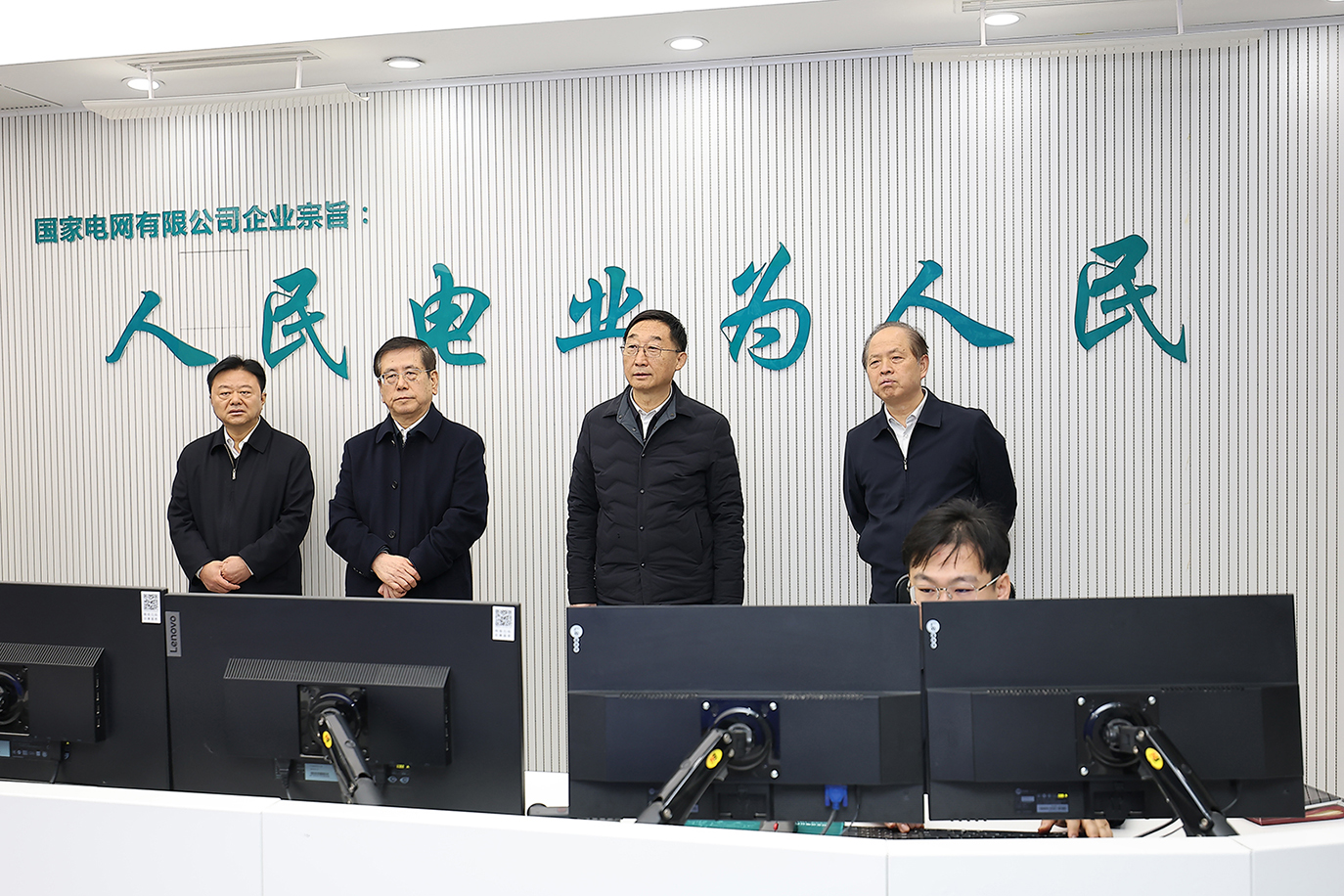
事关供水、供电、供气、供热……公用事业领域反垄断指南出台!
Zhong Guo Zheng Quan Bao· 2026-02-11 14:36
Core Viewpoint - The State Council's Anti-Monopoly and Anti-Unfair Competition Commission has issued the "Anti-Monopoly Guidelines for the Public Utility Sector" to prevent and curb monopolistic behaviors, maintain fair market competition, and protect consumer and public interests [1][3]. Background - The public utility sector encompasses essential services such as water supply, electricity, gas, heating, sewage treatment, waste management, and public transportation, which often exhibit natural monopoly characteristics [5]. - Monopolistic behaviors in the public utility sector are prevalent, with operators extending their monopolistic advantages to upstream and downstream competitive sectors, thereby restricting market competition [6]. Purpose of the Guidelines - The guidelines aim to address the unique characteristics and market competition rules of the public utility sector, providing clearer and more specific guidance for anti-monopoly enforcement and compliance for operators [7]. Development Process - The guidelines were developed through a systematic summary of enforcement experiences and extensive consultation with various stakeholders [8]. Main Content - The guidelines consist of seven chapters and 50 articles, detailing specific manifestations and recognition standards of monopolistic behaviors in the public utility sector [9]. - The first eight articles outline the overall principles of anti-monopoly enforcement in the public utility sector, emphasizing the establishment of compliance management systems by operators and industry associations [9]. Specific Provisions - Articles 9 to 14 elaborate on the forms of monopolistic agreements, including horizontal and vertical agreements among operators, and the conditions under which certain agreements may be exempted from prohibition [10]. - Articles 15 to 25 focus on the abuse of market dominance, detailing factors for recognizing operators with market power and specific abusive practices such as unfair pricing and refusal to deal [11][12]. - Articles 26 to 31 discuss the review of operator concentration, highlighting that certain concentrations may require notification even if they do not meet the reporting threshold [15]. - Articles 32 to 39 emphasize the need for fair competition reviews of policies affecting economic activities in the public utility sector and detail behaviors that abuse administrative power to restrict competition [18]. - Articles 40 to 48 clarify the legal responsibilities applicable to operators, industry associations, and individuals who violate anti-monopoly laws [20].

夯实公用事业领域反垄断执法与合规制度根基
Zhong Guo Jing Ji Wang· 2026-02-11 12:20
Core Viewpoint - The recent implementation of the "Antitrust Guidelines for the Public Utility Sector" aims to address antitrust enforcement challenges in the public utility sector, guiding operators to enhance compliance and regulate market order to protect public interests, thereby reinforcing the institutional foundation for antitrust enforcement and compliance in this field [1]. Group 1: Highlights of the Guidelines - The guidelines emphasize a dual focus on the public and market nature of public utilities, establishing a comprehensive system that includes principles, behavioral regulations, responsibility applications, and collaborative governance [2]. - The guidelines clarify four fundamental principles: maintaining fair competition, scientific regulation, enhancing public welfare, and serving high-quality development, ensuring that regulatory enforcement aligns with public interest [2]. - The guidelines provide a detailed list of antitrust behaviors, including horizontal and vertical agreements, and outline specific standards for identifying abuse of market dominance, thus creating a clear boundary for illegal activities [3]. Group 2: Addressing Antitrust Enforcement Challenges - The guidelines tackle the challenge of distinguishing between natural monopolies and competitive segments by defining market boundaries based on physical network coverage and franchise areas [6]. - The guidelines address regional barriers by prohibiting discriminatory practices against external operators and ensuring free circulation of goods across regions, thus promoting a unified national market [7]. - The guidelines clarify the responsibilities between government and public utility operators, preventing administrative coercion that leads to monopolistic behavior, thereby enhancing the precision of enforcement [8]. Group 3: Promoting High-Quality Development in Public Utilities - The guidelines aim to break down market barriers and support the construction of a unified national market by providing comprehensive coverage of antitrust behaviors [10]. - The guidelines encourage compliance among public utility operators through a dual approach of positive incentives and negative constraints, promoting a shift from passive to active compliance [10]. - The guidelines are expected to lower social costs and benefit the public by regulating monopolistic behaviors in public utilities, thus reducing the costs of energy and water for businesses and residents [10][11].
华阳股份涨2.05%,成交额2.47亿元,主力资金净流入2613.04万元
Xin Lang Zheng Quan· 2026-02-06 05:27
Core Viewpoint - Huayang Co., Ltd. has shown a positive stock performance with a year-to-date increase of 14.65% and a market capitalization of 34.163 billion yuan as of February 6 [1] Financial Performance - For the period from January to September 2025, Huayang Co., Ltd. reported a revenue of 16.956 billion yuan, a year-on-year decrease of 8.85%, and a net profit attributable to shareholders of 1.124 billion yuan, down 38.20% year-on-year [2] Stock Performance and Trading Activity - As of February 6, Huayang Co., Ltd.'s stock price was 9.47 yuan per share, with a trading volume of 2.47 billion yuan and a turnover rate of 0.73% [1] - The stock has seen a net inflow of main funds amounting to 26.1304 million yuan, with significant buying activity from large orders [1] Shareholder Information - As of January 30, 2025, the number of shareholders for Huayang Co., Ltd. was 99,000, with an average of 36,439 circulating shares per shareholder [2] - Major shareholders include Guotai Junan CSI Coal ETF and Hong Kong Central Clearing Limited, with notable increases in their holdings [3] Business Overview - Huayang Co., Ltd. is primarily engaged in coal production, processing, and sales, as well as power generation and solar energy businesses [1] - The company's revenue composition includes 52.34% from raw coal, 13.21% from other sources, and smaller percentages from various coal products and electricity sales [1] Dividend Information - Since its A-share listing, Huayang Co., Ltd. has distributed a total of 12.930 billion yuan in dividends, with 5.814 billion yuan distributed over the past three years [3]

广安爱众涨2.19%,成交额1.13亿元,主力资金净流入253.39万元
Xin Lang Zheng Quan· 2026-01-14 05:28
Core Viewpoint - Guang'an Aizhong's stock price has shown a mixed performance, with a year-to-date increase of 6.15% but a decline over the past 60 days, indicating potential volatility in the market [1]. Group 1: Stock Performance - As of January 14, Guang'an Aizhong's stock price rose by 2.19% to 4.66 CNY per share, with a trading volume of 113 million CNY and a turnover rate of 2.00%, resulting in a total market capitalization of 5.879 billion CNY [1]. - The stock has experienced a 4.02% increase over the last five trading days and a 2.87% increase over the last 20 days, while it has decreased by 2.31% over the last 60 days [1]. Group 2: Financial Performance - For the period from January to September 2025, Guang'an Aizhong reported a revenue of 2.169 billion CNY, reflecting a year-on-year decrease of 7.01%, and a net profit attributable to shareholders of 151 million CNY, down 37.00% year-on-year [2]. - The company has distributed a total of 693 million CNY in dividends since its A-share listing, with 202 million CNY distributed over the last three years [3]. Group 3: Shareholder Information - As of November 20, the number of shareholders for Guang'an Aizhong was 78,100, a decrease of 2.52% from the previous period, while the average circulating shares per person increased by 2.59% to 15,774 shares [2]. - As of September 30, 2025, Guang'an Aizhong's eighth largest circulating shareholder was Guangfa CSI Power ETF, holding 3.9354 million shares, an increase of 264,400 shares from the previous period [3].

一图读懂|《城镇供水供电供气公用企业价格行为合规指南》
Xin Lang Cai Jing· 2025-12-31 14:51
Core Viewpoint - The article discusses the release of the "Guidelines for Compliance of Pricing Behavior of Urban Water, Electricity, and Gas Public Enterprises," aimed at regulating pricing practices in these essential public service sectors to protect consumer rights and ensure fair market competition [3][15]. Group 1: Background and Purpose - Urban water, electricity, and gas public enterprises are crucial service providers, and their pricing behavior directly impacts the rights of citizens and market fairness [3]. - The current issues include non-compliance with government pricing standards, cost transfer, and unreasonable fees, which harm user rights and the industry's image [3]. - The purpose of the Guidelines is to guide public enterprises in lawful pricing activities, safeguard user rights, and promote sustainable industry development [3]. Group 2: Drafting Process - The drafting process involved summarizing regulatory experiences, conducting thorough research, and soliciting opinions from various stakeholders [4]. - The Guidelines consist of 6 chapters and 37 articles, outlining the objectives, scope, and legal compliance requirements for pricing behavior [4]. Group 3: Main Content - The Guidelines cover five main aspects: - Establishing operational principles for public enterprises [6]. - Emphasizing the need for public enterprises to enhance service awareness and provide standardized service processes [6]. - Strictly enforcing pricing standards, including government-guided prices and transparent pricing policies [8][9]. - Regulating pricing behavior in engineering installation and ancillary service charges, highlighting potential legal risks [10]. - Encouraging the establishment of internal management systems to standardize pricing behavior and avoid billing errors [12]. Group 4: Compliance and Implementation - The Guidelines provide general compliance directives specifically for pricing behavior in the water, electricity, and gas sectors, with mandatory compliance for specified terms [15]. - Industry associations are encouraged to reference the Guidelines to develop detailed compliance measures for their respective sectors [15].

A股与H股公司携手: 盟升电子与四川能投达成战略合作
Zheng Quan Shi Bao Wang· 2025-12-29 11:16
Core Viewpoint - The strategic cooperation agreement between Alliance Electronics and Sichuan Energy Investment aims to leverage each other's resources to enhance technological innovation and business collaboration in the power industry, particularly in areas such as power communication, IoT, and data intelligence [1][2]. Group 1: Strategic Cooperation Agreement - Alliance Electronics and Sichuan Energy Investment signed a strategic cooperation agreement to deepen collaboration in the power sector [1]. - The agreement focuses on areas such as power communication network innovation, data intelligence platform development, and enhancing the anti-interference capabilities of power equipment [1][2]. - Both companies plan to establish mechanisms for high-level meetings, daily operations, and information synchronization to ensure smooth cooperation [2]. Group 2: Financial Overview of Sichuan Energy Investment - Sichuan Energy Investment reported a projected revenue of 4.776 billion yuan and a net profit of 400 million yuan for the fiscal year 2024 [1]. - As of December 31, 2024, the total assets of Sichuan Energy Investment are expected to reach 7.362 billion yuan, with total equity attributable to shareholders amounting to 3.615 billion yuan [1]. Group 3: Technological Development Focus - The collaboration will include the development of applications for smart meters and centralized devices, focusing on features like topology recognition and rapid fault location [2]. - A joint effort will be made to create a big data platform that integrates electricity usage information, equipment status, and grid operation data, incorporating AI analysis modules for smart applications [2]. - The partnership will explore the integration of satellite communication with drones for power inspection and emergency material delivery [2].

郴电国际跌2.04%,成交额7823.91万元,主力资金净流出506.81万元
Xin Lang Cai Jing· 2025-12-23 06:08
Group 1 - The core viewpoint of the news is that Chendian International's stock has experienced fluctuations, with a recent decline of 2.04% and a year-to-date increase of 49.30% [1] - As of December 23, the stock price is reported at 9.60 yuan per share, with a total market capitalization of 3.552 billion yuan [1] - The company has seen a net outflow of 5.0681 million yuan in principal funds, with significant selling activity [1] Group 2 - For the period from January to September 2025, Chendian International achieved operating revenue of 3.079 billion yuan, a year-on-year decrease of 7.16%, while net profit attributable to shareholders increased by 33.93% to 80.9675 million yuan [2] - The company has distributed a total of 275 million yuan in dividends since its A-share listing, with 21.796 million yuan distributed over the past three years [3] - The company operates primarily in electricity production and sales, accounting for 83.88% of its main business revenue, with water supply and other services contributing 9.85% and gas production and sales 5.88% [1]
